
Is your old dishwasher taking up precious space in your kitchen? Perhaps it’s become more of a hassle than a help, with frequent breakdowns and less-than-sparkling results.
You might be wondering how to efficiently and responsibly get rid of it. Whether you’re upgrading to a newer model or simply want to reclaim some space, knowing the best way to dispose of your old dishwasher can save you time and stress.
In this guide, you’ll discover simple, eco-friendly methods to ensure your kitchen stays clutter-free while contributing to a healthier planet. Ready to learn how to part ways with your dishwasher without the headache? Let’s dive into practical solutions tailored just for you.
Signs To Replace Your Dishwasher
Knowing when to replace your dishwasher saves time and money. Dishwashers wear out after years of use. Early signs of failure help avoid bigger problems. Pay attention to how your dishwasher performs daily. Some issues signal it’s time to get a new one.
Common Dishwasher Problems
Dishwashers often show clear signs of trouble. Watch for these common problems:
- Water does not drain properly
- Unusual noises during operation
- Dishes remain dirty or spotted
- Leaks around the base or door
- Cycle times become longer than usual
- Buttons or controls stop working
Repeated issues reduce dishwasher efficiency. Some problems indicate worn-out parts or motor failure.
When Repair Costs Exceed Value
Repair expenses can be high for old dishwashers. Consider replacing if repair costs are more than half the price of a new one.
Frequent repairs add up quickly. New models use less water and energy. Replacement might save money on bills too.
Age matters. Dishwashers over 10 years old often face costly repairs. New appliances offer better performance and reliability.
Preparing Your Dishwasher For Disposal
Preparing your dishwasher for disposal is an important step that ensures safety and efficiency. It’s not just about pulling it out and tossing it away. Taking time to disconnect it properly and clear out any personal items can save you from potential hazards and hassles later.
Disconnecting Safely
Before you start unplugging, turn off the water supply to your dishwasher. This prevents leaks and water damage. Then, disconnect the power supply by unplugging the dishwasher or switching off the circuit breaker.
Carefully detach the water inlet hose and drain hose. Keep a towel handy for any leftover water that might spill out. If you’re unsure about handling electrical components, consider calling a professional to avoid injury or damage.
Removing Personal Items
Check inside your dishwasher thoroughly for any forgotten items. Sometimes, small utensils, detergent pods, or even notes can be left behind. Removing these ensures nothing gets lost or causes issues during transport or recycling.
Clear out the filter and racks as well. This makes the appliance lighter and easier to handle. Have you ever found a surprise utensil when moving appliances? It’s surprising how often this happens and delays the disposal process.
Eco-friendly Disposal Methods
Disposing of an old dishwasher in an eco-friendly way helps protect the environment. Appliances contain materials that can harm nature if thrown away carelessly. Choose green methods to reduce waste and save resources. These options ensure your dishwasher gets a new life or is broken down safely.
Recycling Options
Recycling centers accept old dishwashers to recover metals and plastics. These parts are melted and reused to make new products. This process cuts down on mining and manufacturing pollution. Check local recycling programs for appliance drop-off points. Some centers offer free pickup for large items.
Donating Or Selling
Dishwashers that still work can be donated or sold. Charities, shelters, or thrift stores may accept them. Selling online helps someone find a cheap appliance. This extends the dishwasher’s life and avoids waste. Make sure the machine is clean and in good shape before giving it away.
Manufacturer Take-back Programs
Many brands offer take-back programs for old appliances. They collect dishwashers for proper recycling or refurbishing. Contact the manufacturer or visit their website for details. Some programs include free pickup or discounts on new purchases. This option ensures safe and responsible disposal.
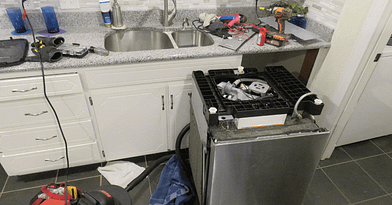
Credit: nixxitjunk.com
Local Disposal Services
Getting rid of an old dishwasher can feel overwhelming, but local disposal services offer simple and effective solutions. These options ensure your appliance is disposed of responsibly, often with minimal effort on your part. Understanding the types of services available can help you choose the best way to part with your old dishwasher.
Municipal Waste Facilities
Your city or town likely has a municipal waste facility that accepts large appliances like dishwashers. These centers handle the recycling or safe disposal of bulky items, keeping harmful materials out of landfills.
Before heading there, check their website or call to confirm they accept dishwashers and learn about any fees. Some facilities require you to drop off the appliance yourself, while others may offer assistance unloading.
Visiting a municipal waste facility can save you money and reduce your environmental impact. Have you checked if your local facility offers special recycling programs for appliances?
Bulk Pickup Services
Many communities provide bulk pickup services that collect large items directly from your home. This option is convenient if you don’t have a vehicle to transport the dishwasher.
Scheduling a bulk pickup usually involves contacting your local waste management provider or city office. They often set specific days for collecting bulky waste, so timing is essential.
Some bulk pickup programs require you to prepare the appliance by disconnecting it and removing doors for safety. Can you imagine how much easier clearing out your kitchen would be with a scheduled bulk pickup?
Avoiding Environmental Harm
Getting rid of an old dishwasher isn’t just about making space for a new one. It’s about protecting the environment from harmful materials that could leak into the soil and water. Taking the right steps helps you avoid contributing to pollution and keeps your community safe.
Hazardous Components To Watch
Old dishwashers often contain parts that can harm the environment if not handled properly. Look out for:
- Refrigerants:Some models have coolant chemicals that damage the ozone layer.
- Heavy metals:Components like mercury, lead, and cadmium may be present in switches or circuit boards.
- Plastic and foam insulation:These materials can release toxic chemicals when burned or left to break down.
Ignoring these risks can mean dangerous substances end up in landfills or water supplies. Have you checked what’s inside your old dishwasher before tossing it out?
Proper Handling Techniques
Before you part with your old dishwasher, consider these steps to handle it safely:
- Disconnect power and water:Ensure it’s completely unplugged and drained to avoid leaks or shocks.
- Remove hazardous parts:If you’re comfortable, take out components like circuit boards or refrigerants and recycle them separately.
- Use certified e-waste recyclers:They have the tools and knowledge to dispose of harmful materials responsibly.
- Donate if possible:Some organizations repair old appliances, reducing waste.
Handling your dishwasher with care not only protects the environment but also might save you disposal fees. Have you found local recycling centers that accept appliances in your area?

Credit: junk-rescue.com

Credit: www.reddit.com
Frequently Asked Questions
How Do I Safely Disconnect An Old Dishwasher?
Turn off the water supply and power first. Disconnect the water line and electrical wiring carefully. Remove mounting screws and slide out the dishwasher gently.
Can I Recycle My Old Dishwasher?
Yes, many local recycling centers accept dishwashers. Remove all non-metal parts first. Check with your municipality for specific recycling guidelines.
What Are Eco-friendly Ways To Dispose Of A Dishwasher?
Donate if still functional, or sell for parts. Use certified e-waste recyclers to minimize environmental impact. Avoid landfill disposal to reduce waste.
Should I Hire A Professional To Remove My Dishwasher?
Hiring a professional ensures safe disconnection and removal. It prevents damage and injury. It’s recommended if you’re unfamiliar with plumbing or electrical work.
Conclusion
Getting rid of an old dishwasher does not have to be hard. You can sell, donate, or recycle it safely. Check local rules to handle it the right way. Removing it yourself saves money but call a pro if unsure.
Proper disposal helps the environment and clears space in your home. Take your time and choose the best option for you. Small steps make a big difference in managing old appliances.