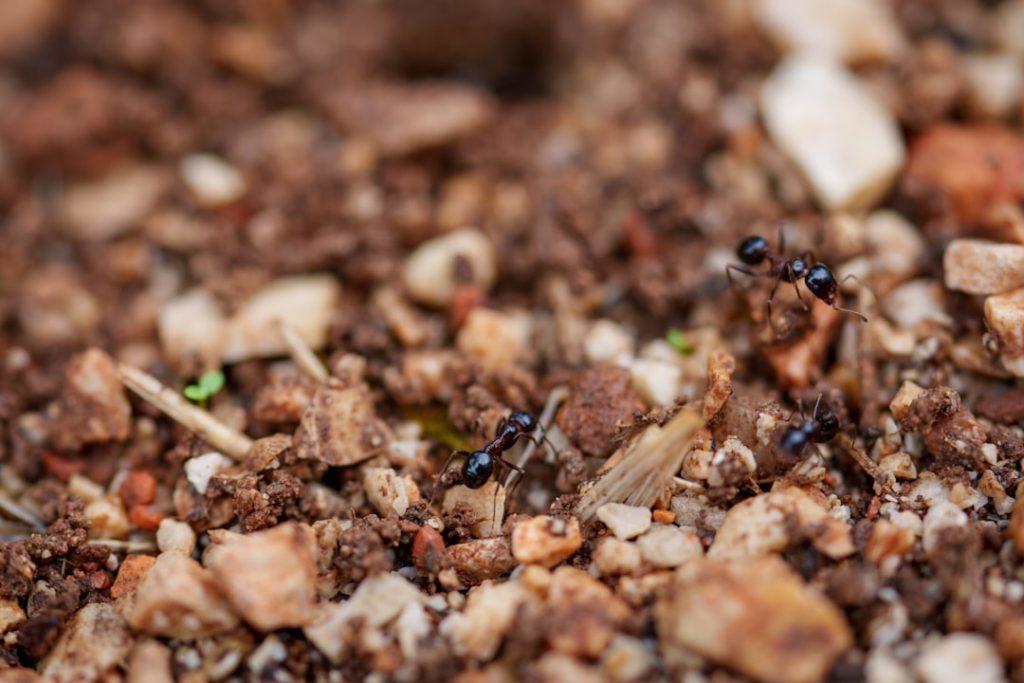
Are ants invading your compost bin and making a mess of your hard work? You’re not alone, and the good news is, you don’t have to let these tiny pests take over.
If you want to keep your compost healthy and ant-free, it’s important to act quickly and smartly. You’ll discover simple, effective ways to get rid of ants in your compost bin—without harming your garden or the environment. Keep reading, and you’ll learn easy steps that anyone can follow to reclaim your compost and enjoy a pest-free, thriving garden.
Why Ants Invade Compost Bins
Ants often enter compost bins looking for food and shelter. They are attracted to certain materials and conditions inside the bin.
Understanding why ants invade helps you manage your compost better and keep ants away.
Common Attractants In Compost
Compost bins contain food scraps and organic matter that attract ants. Some items are more likely to draw ants than others.
- Sweet fruit scraps like apples and berries
- Vegetable peels and cores
- Leftover bread or grains
- Moist food waste that stays damp
- Foods with strong smells
Ant Behavior And Nesting
Ants build nests near food sources and prefer dry, protected spots. Compost bins can provide these ideal conditions.
| Behavior | Description |
| Foraging | Ants search for food near their nest. |
| Nesting | They create colonies in dry, sheltered places. |
| Communication | Ants leave scent trails to food sources. |
| Protection | They avoid wet or disturbed areas. |

Credit: www.youtube.com
Preventing Ants From Entering
Ants can invade your compost bin and cause problems. Stopping them early helps keep your compost healthy.
Simple steps can make your compost less attractive to ants. Here are ways to prevent ants from entering.
Choosing The Right Compost Location
Place your compost bin in a shaded, cool area. Avoid dry, sunny spots that attract ants.
Keep the bin off the ground using bricks or a stand. This reduces ant access from underground.
Maintaining Proper Moisture Levels
Ants prefer dry compost. Keep your compost moist but not soggy to discourage ants.
- Check moisture weekly by squeezing compost. It should feel like a damp sponge.
- Add water if compost feels dry and dusty.
- Mix the pile often to distribute moisture evenly.
- Avoid letting compost dry out for long periods.
Using Ant-repellent Materials
Certain natural materials keep ants away from your compost bin.
| Material | How It Helps |
| Cinnamon | Strong smell deters ants |
| Vinegar | Acidic scent repels ants |
| Chili powder | Irritates ants’ senses |
| Mint leaves | Fresh smell keeps ants away |
Sprinkle these materials around or on top of your compost to keep ants out.
Natural Remedies To Remove Ants
Ants in your compost bin can be a nuisance. They disrupt decomposition and spread waste. Natural remedies can help remove them without chemicals.
Here are some simple methods to keep your compost bin ant-free using common household items.
Applying Vinegar And Lemon Juice
Vinegar and lemon juice are strong natural repellents. Their acidity disrupts ant trails and deters them.
- Mix equal parts of vinegar and lemon juice in a spray bottle.
- Spray the mixture around the edges of your compost bin.
- Repeat this process once a week for best results.
Using Diatomaceous Earth
Diatomaceous earth is a natural powder made from fossilized algae. It is safe for the environment and effective against ants.
Sprinkling Cinnamon Or Coffee Grounds
Cinnamon and coffee grounds have strong scents that ants dislike. They are easy to use and readily available.
| Remedy | Method |
| Cinnamon | Sprinkle around the bin’s base |
| Coffee Grounds | Spread a thin layer on top of compost |

Credit: www.youtube.com
Homemade Ant Baits And Traps
Ants can invade your compost bin and cause problems. You can make simple baits and traps at home to get rid of them. These solutions use common household items and are safe to use around plants.
Below are easy recipes for sugar and borax mixtures and other DIY baits. Use them to control ants without harsh chemicals.
Sugar And Borax Mixture
Sugar attracts ants, while borax kills them. Mixing these two creates an effective bait. Place the mixture near ant trails and the compost bin.
- Mix 1/2 cup sugar with 1 1/2 tablespoons borax.
- Add 1 1/2 cups warm water and stir well.
- Soak cotton balls in the mixture.
- Put the soaked cotton balls in small containers near ants.
- Replace the bait every few days until ants disappear.
Other Diy Bait Recipes
Besides sugar and borax, other homemade baits can help control ants. Here are some recipes you can try with ingredients from your kitchen.
| Bait Type | Ingredients | Instructions |
| Peanut Butter and Borax | 2 tablespoons peanut butter, 1 tablespoon borax | Mix well and place small amounts on a piece of cardboard near ants. |
| Honey and Baking Soda | 2 tablespoons honey, 1 tablespoon baking soda | Combine and place on shallow dishes near ant paths. |
| Jelly and Borax | 2 tablespoons fruit jelly, 1 tablespoon borax | Mix and set on lids or small containers close to ants. |
Adjusting Compost Practices
Ants often appear in compost bins when conditions are dry or unbalanced. Changing how you compost can help keep ants away. Simple adjustments improve the compost environment and reduce ant activity.
This guide explains two key ways to adjust your compost practices. Balancing green and brown materials and turning the compost regularly can stop ants from making your bin their home.
Balancing Green And Brown Materials
Green materials are fresh and moist, like vegetable scraps and grass clippings. Brown materials are dry, such as leaves and paper. Ants like dry conditions, so balance is important.
Too many brown materials make the compost dry, inviting ants. Adding more green materials keeps the pile moist. This balance helps stop ants and speeds up composting.
- Add equal parts green and brown materials
- Check moisture; compost should feel like a damp sponge
- Add water if the pile is too dry
- Mix in fresh green scraps to increase moisture
Turning The Compost Regularly
Turning the compost moves materials and adds air. This keeps the compost warm and moist. Ants do not like disturbed or wet areas.
Turn your compost at least once a week. This breaks up ant tunnels and stops them from settling. It also helps the compost break down faster and smell better.
- Use a pitchfork or compost aerator to turn materials
- Mix the outer dry parts with the moist inside
- Turn more often in hot, dry weather
- Watch for ant trails and turn those spots well

Credit: www.reddit.com
When To Use Commercial Solutions
Ants in your compost bin can be annoying and harmful. Sometimes natural methods do not work well. In such cases, commercial solutions may help remove ants faster.
Choosing the right insecticide is important to protect your compost and the environment. Use commercial products only if ants cause serious problems.
Safe Insecticides For Compost Areas
Only use insecticides labeled safe for compost areas. These products target ants but do not harm the beneficial organisms that break down waste.
- Look for insecticides with natural ingredients like neem oil or boric acid.
- Avoid products with harsh chemicals that kill earthworms and microbes.
- Choose slow-release formulas to reduce frequent application.
- Follow the instructions carefully to avoid overuse.
Precautions And Environmental Impact
Using commercial insecticides requires care. Incorrect use can harm the environment and reduce compost quality.
| Precaution | Reason |
| Wear gloves and mask | Protect your skin and lungs |
| Apply only on affected areas | Limit chemical spread |
| Keep pets and children away | Prevent accidental poisoning |
| Do not overuse | Preserve beneficial insects and microbes |
| Store products safely | Avoid spills and contamination |
Long-term Ant Control Strategies
Keeping ants out of your compost bin requires ongoing care. You need to watch your bin often and take steps to keep ants away for good.
This guide covers two key ways to control ants over the long term. These methods help keep your compost healthy and ant-free.
Regular Monitoring And Maintenance
Check your compost bin regularly to spot ants early. Look for ant trails and nests near or inside the bin.
- Turn the compost often to disturb ant colonies
- Keep the compost moist but not too wet, as ants prefer dry places
- Remove any food scraps that attract ants, like sugary items
- Seal cracks or holes in the bin to block ant entry
- Use a layer of coarse materials like leaves or straw on top
Encouraging Beneficial Insects
Some insects help control ants by eating them or competing for food. You can attract these good insects to your compost.
| Beneficial Insect | Role in Compost Bin | How to Attract |
|---|---|---|
| Ladybugs | Eat ant larvae and other pests | Plant flowers like dill or fennel nearby |
| Ground Beetles | Hunt ants and small insects | Keep compost moist and add leaf litter |
| Spiders | Trap ants in webs | Provide sheltered areas near the bin |
Frequently Asked Questions
How Do Ants Get Into A Compost Bin?
Ants enter compost bins seeking food and shelter. Dry, warm conditions attract them, especially if the compost lacks moisture or fresh green materials.
What Natural Methods Remove Ants From Compost?
To remove ants naturally, add water to increase moisture. Mix in green materials like vegetable scraps. You can also sprinkle diatomaceous earth to deter ants without chemicals.
Can Ants Harm My Compost Process?
Ants generally don’t harm compost. They help break down materials and aerate the pile. However, too many ants might indicate dry conditions, which slow composting.
How To Prevent Ants In Compost Bins?
Keep the compost moist and balanced with green and brown materials. Turn the pile regularly to discourage ants and avoid adding sugary or oily food scraps.
Conclusion
Ants in your compost bin can cause problems if not controlled. Keep the bin moist and turn it often to stop ants from settling. Use natural methods like adding citrus peels or diatomaceous earth to repel ants safely. Avoid adding too much dry material, which attracts ants.
Regular care helps keep your compost healthy and ant-free. Remember, patience and consistency work best to manage ants in compost bins. Your efforts will lead to better compost and fewer pests over time.