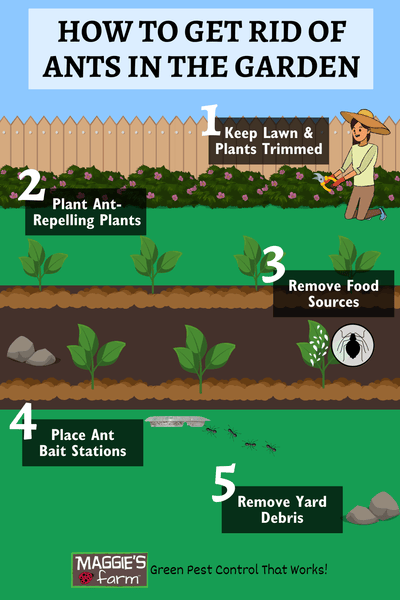
Are ants invading your planters and disturbing your beautiful plants? You’re not alone, and the good news is you can take control.
These tiny intruders can harm your plants and make your gardening space less enjoyable. But don’t worry—there are simple, effective ways to get rid of ants without harming your plants. You’ll discover easy tips and tricks that work fast, so you can protect your planters and enjoy a pest-free garden.
Keep reading to find out how to reclaim your green space from ants once and for all!
Identify Ant Types
Ants in planters can harm your plants. Identifying the ant type is important to control them.
Different ant types need different treatments. Knowing the type helps in choosing the right method.
Carpenter Ants
Carpenter ants are large and black. They can damage wooden plant containers.
Look for sawdust near your planters. This indicates carpenter ants are present.
- Large size, usually black
- Leave sawdust trails
- Prefer moist wood
Sugar Ants
Sugar ants are small and attracted to sweet substances. They often invade planters looking for food.
Check for sticky residues in and around planters. This might attract sugar ants.
- Small size, usually brown or black
- Attracted to sweets
- Found in kitchens and near plants
Fire Ants
Fire ants are red and sting. They build mounds near planters and can harm plants and people.
Look for red ants and small mounds. These are signs of fire ants.
- Red color, aggressive nature
- Build visible mounds
- Sting when disturbed

Credit: maggiesfarmproducts.com
Common Causes Of Ants In Planters
Ants often invade planters, causing problems for your plants. Understanding why ants are attracted helps you stop them.
Several factors in your planter can invite ants. Knowing these can guide you to keep ants away.
Presence Of Aphids And Other Insects
Aphids and some insects produce sweet honeydew. Ants like this sugary food and stay near it.
When aphids live on your plants, ants come to protect and feed on them. This causes more ants in the planter.
Moist Soil And Water Sources
Ants need water to survive. Wet soil in planters attracts ants looking for moisture.
Overwatering or poor drainage can keep soil wet, making it a good home for ants.
Food Debris And Organic Matter
Fallen leaves, dead insects, or spilled food can attract ants. They look for easy food near plants.
Planters with organic matter on the soil surface are more likely to have ants.
Warm And Protected Environment
Ants prefer warm places to build their nests. Planters often offer a safe, warm spot.
Shade and shelter from wind help ants stay hidden and comfortable in planters.
Cracks And Spaces In Planters
Small cracks or holes in planters give ants easy entry points. They use these to build nests inside.
Old or damaged pots often have gaps that attract ants looking for shelter.
Natural Ant Repellents
Ants in planters can harm your plants and soil. Natural repellents keep ants away safely.
Using natural ingredients helps protect your garden and the environment. Here are some options.
Essential Oils
Essential oils like peppermint and tea tree repel ants with their strong scents. These oils are safe for plants and people.
Mix a few drops of essential oil with water and spray around your planters. Repeat every few days to keep ants away.
- Peppermint oil
- Tea tree oil
- Eucalyptus oil
- Lemon oil
Vinegar Solutions
Vinegar is a natural acid that ants dislike. It disrupts their scent trails and makes them avoid treated areas.
Mix equal parts of water and white vinegar. Spray the solution on the soil surface and planter edges to keep ants away.
- Use white vinegar for best results
- Do not soak the soil deeply
- Apply every few days for protection
Diatomaceous Earth
Diatomaceous earth is a natural powder made from fossilized algae. It kills ants by drying out their bodies.
Sprinkle food-grade diatomaceous earth on the soil surface and around your planters. Avoid inhaling the dust while applying.
- Use only food-grade diatomaceous earth
- Reapply after watering or rain
- Safe for plants and pets when used correctly
Homemade Baits And Traps
Ants in planters can harm your plants and annoy you. You can make simple baits and traps at home to get rid of them safely.
These homemade solutions use common ingredients. They attract ants and stop them from coming back.
Sugar And Borax Mix
Sugar attracts ants because they like sweet food. Borax is a natural poison for ants but safe for plants in small amounts.
Mix sugar and borax to create a bait. Ants carry the bait back to their nest, which helps reduce their numbers.
- Mix 1 part borax with 3 parts sugar
- Add water to make a thick syrup
- Place small drops near the planter
- Keep the bait out of reach of pets and children
- Replace bait every few days until ants disappear
Peanut Butter Traps
Peanut butter is sticky and smells strong. Ants like it and will get trapped when they try to take it.
You can use peanut butter on paper or cardboard to catch ants. This method traps ants without using chemicals.
- Spread a small amount of peanut butter on a piece of paper
- Place the paper near the planter with ants
- Check the trap and remove trapped ants regularly
- Replace peanut butter as needed to keep ants attracted
Chemical Treatments
Chemical treatments can help control ants in planters quickly. Use safe insecticides and sprays made for ant control.
Choose products that target ants without harming your plants. Always follow the instructions on the label.
Safe Insecticides
Safe insecticides kill ants but keep your plants healthy. They usually come as powders, granules, or liquids.
- Look for insecticides labeled safe for use on houseplants.
- Apply the insecticide around the base of the planter and soil surface.
- Repeat applications as directed to prevent reinfestation.
- Avoid direct contact with plant leaves to prevent damage.
Ant Sprays
Ant sprays provide fast results by killing ants on contact. Spray directly on ant trails and nests in the planter soil.
| Type of Spray | Use | Safety Tips |
| Contact Spray | Kills ants instantly | Use outdoors or in well-ventilated areas |
| Bait Spray | Ants carry poison back to nest | Place away from children and pets |
| Residual Spray | Leaves a protective barrier | Reapply after rain or watering |

Credit: m.youtube.com
Preventive Measures
Ants in planters can cause problems for your plants. Taking steps to stop ants before they appear is best.
Preventing ants helps keep your plants healthy. Simple habits work well to avoid ant infestations.
Proper Planter Drainage
Good drainage stops water from pooling in the soil. Standing water attracts ants and other pests.
Use planters with holes at the bottom. This lets extra water flow out and keeps soil dry.
- Check that drainage holes are not blocked
- Add a layer of small stones at the bottom
- Use well-draining soil mix for your plants
Regular Cleaning
Keep planters and surrounding areas clean. Dirt and debris can attract ants looking for food.
Remove dead leaves and fallen plant parts from soil surface often. This reduces places for ants to hide.
- Wipe planter edges and shelves weekly
- Clear spilled water or soil around the planter
- Dispose of plant debris in sealed bags
Avoid Overwatering
Too much water makes soil damp and soft. Ants like moist places to build nests.
Water plants only when soil feels dry to touch. This helps keep ants away and plants healthy.
- Check soil moisture before watering
- Use pots that suit the plant size
- Water early in the day to let soil dry
When To Seek Professional Help
Ants in planters can be a small nuisance or a big problem. Sometimes, DIY methods do not work.
Knowing when to call a professional can save your plants and home from damage.
Large Or Persistent Ant Infestations
If ants keep coming back after several treatments, the problem may be bigger than you think.
Professional pest control can find the nest and remove it safely and completely.
Damage To Plants Or Planters
Some ants damage roots or soil, harming your plants’ health.
If you see wilting, holes, or soil erosion, ants might be the cause.
- Wilting leaves without clear cause
- Visible tunnels in soil
- Broken or damaged planter pots
- Plants not growing well
Use Of Chemicals Or Safe Removal Needed
Some ant treatments need strong chemicals that can harm plants or pets.
Professionals know safe ways to remove ants without damaging your garden.
| Reason | Benefit of Professional Help |
|---|---|
| Chemical Use | Proper handling and application |
| Plant Safety | Choosing safe products for your plants |
| Pet and Child Safety | Reducing risk of exposure |
Time And Effort Constraints
Dealing with ants can take a lot of time and effort.
If you are busy or unable to manage the problem, a professional can help quickly.
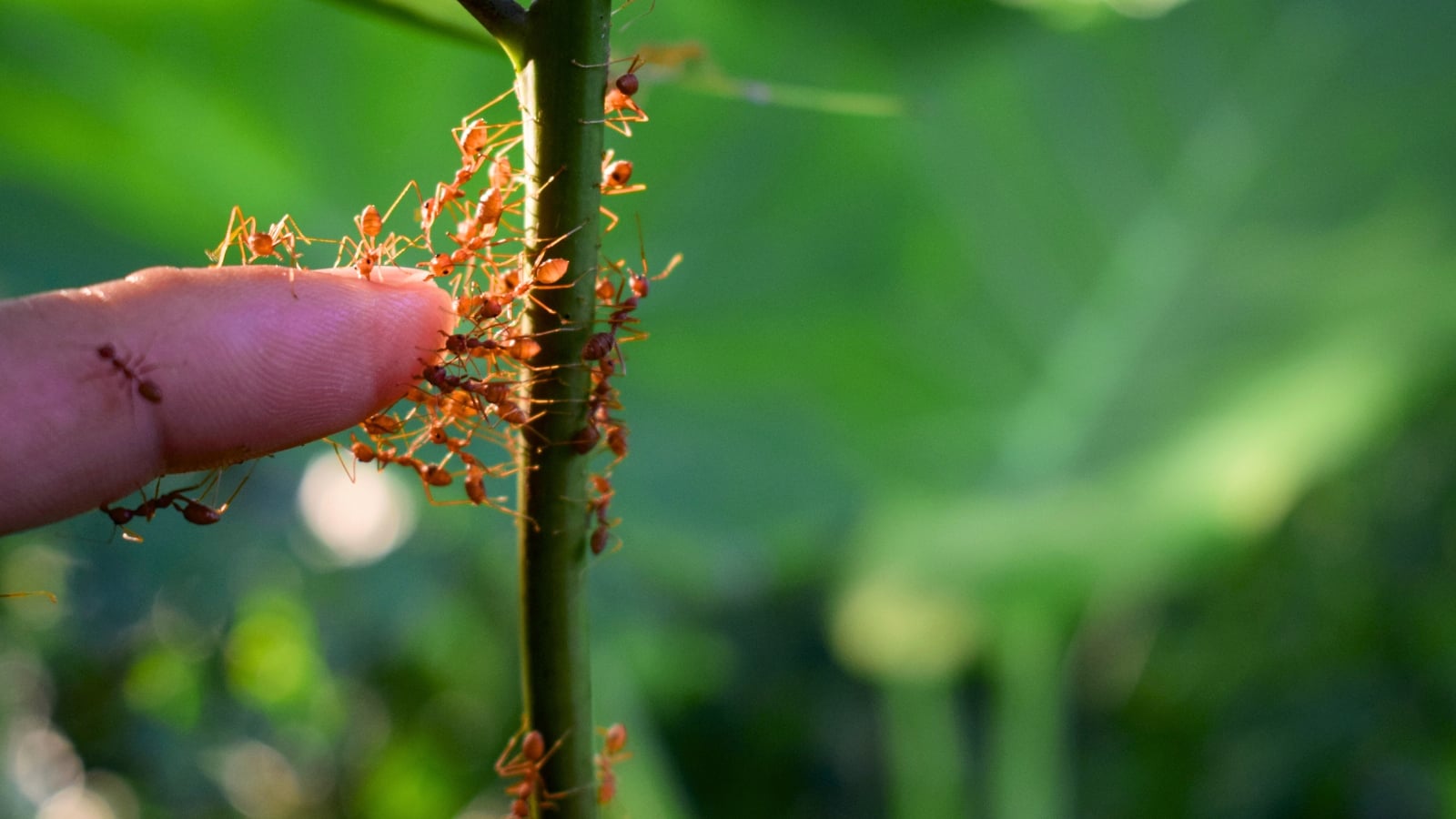
Credit: www.epicgardening.com
Frequently Asked Questions
How Do Ants Get Into Planters?
Ants enter planters searching for food, moisture, or shelter. They are attracted to sweet substances or decaying plant matter in the soil. Cracks or drainage holes in pots also allow easy access for ants to build nests inside planters.
What Natural Remedies Remove Ants From Planters?
Natural remedies include sprinkling cinnamon, coffee grounds, or diatomaceous earth on the soil. Vinegar sprays and lemon juice also repel ants. These methods are safe for plants and disrupt ant trails without harmful chemicals.
Can Ants Harm Plants In Planters?
Ants generally don’t harm plants directly but protect aphids that damage plants. Their tunneling can disturb roots and soil structure. Controlling ants helps protect plant health and prevents aphid infestations in planters.
How Often Should I Treat Planters For Ants?
Treat planters weekly until ants are gone. Regular monitoring and repeated application of remedies prevent re-infestation. Consistent care keeps your plants healthy and ant-free over time.
Conclusion
Ants in planters can be a real nuisance. Simple steps can keep them away for good. Use natural remedies and keep the soil dry. Regularly check your plants and clean the area. Patience and care will help your plants stay healthy.
Enjoy your garden without ants causing trouble. Small actions make a big difference over time. Stay consistent and your planters will stay ant-free.