
Is your air conditioner giving off a bad smell every time you switch it on? That unpleasant odor can make your home feel uncomfortable and less inviting.
You might wonder why this happens and how to fix it quickly. The good news is, you don’t have to live with that stinky problem. You’ll discover simple and effective ways to get rid of bad smells from your air conditioner.
Keep reading, and you’ll learn easy steps to breathe fresh, clean air in your home again.
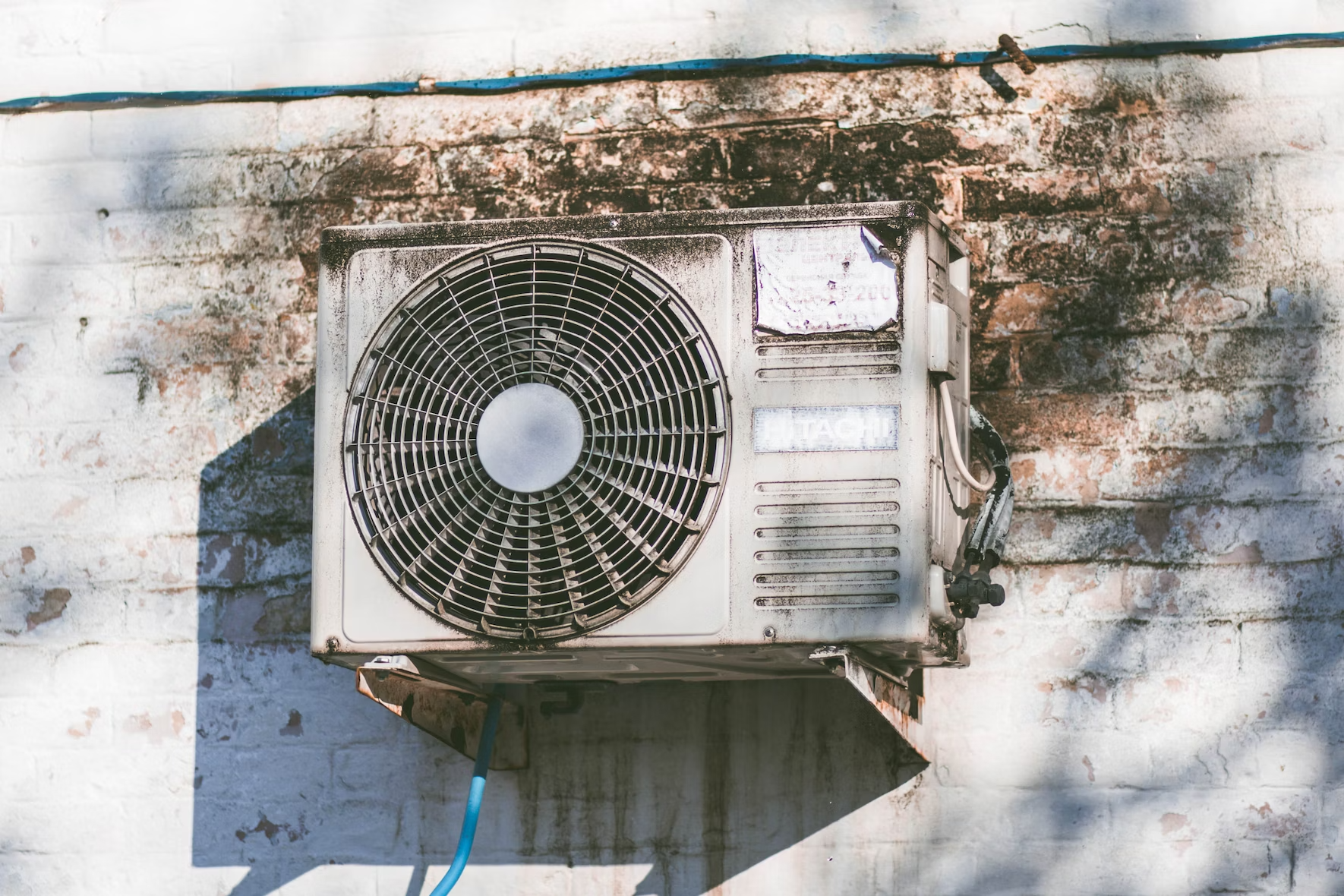
Credit: dengarden.com
Causes Of Ac Odors
Bad smells from an air conditioner can make your home uncomfortable. These odors often come from common issues inside the unit. Understanding the causes helps you fix the problem quickly.
Below are the main reasons why your AC might smell bad. Each cause needs specific attention to keep your air fresh and clean.
Mold And Mildew Growth
Moisture inside the AC creates a perfect place for mold and mildew. These fungi produce a strong, musty odor. Mold grows on coils, drains, and inside the air ducts.
Clogged Drainage
The drain line removes water from the AC. If it clogs, water builds up and causes bad smells. Standing water also increases mold growth. Cleaning the drainage often stops the odor.
Dirty Air Filters
Air filters trap dust and dirt. When dirty, they block airflow and trap odors. A clogged filter can make the AC smell musty or smoky. Changing filters regularly keeps air clean.
Accumulated Dust And Debris
Dust and debris collect inside the AC parts like fans and vents. This buildup can cause a dusty or stale smell. Cleaning these parts helps improve air quality.
- Dust on fan blades
- Debris in air ducts
- Particles on evaporator coils
- Settled dirt in vents
Electrical Issues
Electrical problems can cause burning or chemical smells. Faulty wires or overheating parts produce odor. If you smell something like burning plastic, turn off the AC and call a technician.
| Electrical Issue | Possible Odor |
| Overheated motor | Burning smell |
| Short circuit | Burnt plastic smell |
| Worn insulation | Chemical odor |

Credit: www.hitachiaircon.com
Cleaning The Air Filters
Bad smells from your air conditioner often come from dirty filters. Cleaning the air filters helps keep the air fresh. It also improves the AC’s performance and saves energy.
Regular cleaning stops mold, dust, and bacteria from growing. This guide shows how to clean your filters safely and effectively.
Removing The Filters Safely
Turn off the air conditioner before removing the filters. This prevents dust from spreading and keeps you safe. Open the front panel gently to access the filters.
Pull the filters out slowly. Avoid using force to stop damage. Place the filters on a clean surface before cleaning.
Washing And Drying Tips
Use lukewarm water to rinse the filters. Avoid hot water because it can damage them. Gently wash with a soft brush or cloth to remove dirt.
Do not use strong chemicals or bleach. They can harm the filters and cause bad smells. After washing, shake off extra water and let the filters dry completely.
- Dry filters in a shaded area
- Avoid direct sunlight to prevent damage
- Make sure filters are fully dry before reinstalling
When To Replace Filters
Filters wear out over time and lose their ability to clean air. Replace filters if they look torn or very dirty. Old filters can cause bad smells and poor air quality.
Check your air conditioner’s manual for how often to replace filters. Usually, every 3 to 6 months is good. Replace them sooner if you use the AC a lot or live in a dusty area.
Clearing The Drainage System
Bad smells from your air conditioner often come from a clogged drainage system. Clearing this system helps keep your AC fresh and working well.
Cleaning the drainage system is simple. You can do it yourself with a few tools and steps.
Identifying Blockages
Look for water leaks or pooling near the AC unit. These signs usually mean the drain line is blocked. You might also notice a musty smell.
- Check the drain pan for standing water.
- Inspect the drain line for dirt or algae buildup.
- Listen for gurgling sounds from the drain pipe.
- Look for slow drainage when the AC runs.
Flushing The Drain Line
Flushing the drain line removes blockages and stops bad smells. Use a clean cloth or a small brush to clear visible debris.
Pour a mixture of water and vinegar into the drain line. This kills mold and algae that cause odors. Let it sit for 30 minutes, then flush with clean water.
Preventing Future Clogs
Regular maintenance helps prevent new clogs in the drainage system. Follow these tips to keep your AC drain line clean.
- Check and clean the drain pan monthly.
- Flush the drain line with vinegar every three months.
- Keep the area around the AC unit dry and clear.
- Replace air filters regularly to reduce dirt buildup.
- Schedule professional AC maintenance once a year.
Eliminating Mold And Mildew
Bad smells from air conditioners often come from mold and mildew. These fungi grow in damp areas inside the unit.
Removing mold and mildew helps stop the odor and keeps the air clean. You can use natural or commercial cleaners.
Using Vinegar And Baking Soda
Vinegar kills mold because it is acidic. Baking soda helps remove odors and cleans surfaces well.
Mix vinegar and baking soda to clean the air conditioner parts where mold grows. Use a spray bottle for easy application.
- Spray vinegar on moldy areas and let it sit for 30 minutes.
- Sprinkle baking soda on the same spots.
- Use a soft brush to scrub the mold gently.
- Wipe with a clean, damp cloth.
- Repeat if the smell or mold remains.
Applying Commercial Cleaners
There are cleaners made to kill mold and mildew in air conditioners. They often work faster than natural solutions.
Follow the instructions on the cleaner label. Wear gloves and keep the area ventilated during use.
- Turn off the air conditioner before cleaning.
- Spray the cleaner on moldy parts.
- Wait the recommended time for the cleaner to work.
- Wipe or rinse the parts as directed.
- Run the air conditioner to dry the inside fully.
Ensuring Proper Ventilation
Good airflow helps prevent mold and mildew in air conditioners. Moisture can dry faster with proper ventilation.
Keep vents and filters clean. Allow fresh air to move through the system regularly.
- Open windows or doors near the air conditioner.
- Clean or replace air filters every few months.
- Use a fan to improve air circulation.
- Check and clear drainage lines to avoid water buildup.
- Run the air conditioner on dry mode if available.
Deodorizing Techniques
Bad smells from an air conditioner make your room uncomfortable. Deodorizing your AC helps keep fresh air flowing.
Use natural and simple methods to remove odors without harsh chemicals. These techniques work well and are easy to try.
Natural Air Fresheners
Natural air fresheners remove bad smells without chemicals. They are safe and easy to use inside your air conditioner.
- Place baking soda in a small bowl near the AC unit to absorb odors.
- Use sliced lemon or orange peels inside the air filter area for a fresh scent.
- Put coffee grounds in a breathable bag near the vents to neutralize smells.
Activated Charcoal Usage
Activated charcoal is very good at absorbing bad odors from the air conditioner. It traps the smell particles inside its pores.
| How to Use | Details |
| Place charcoal bags | Put small bags of activated charcoal near the AC vents or inside the unit. |
| Replace regularly | Change the charcoal bags every 1 to 2 months for best results. |
| Combine with cleaning | Use charcoal along with regular AC cleaning for stronger deodorizing effect. |
Essential Oils And Sprays
Essential oils add a pleasant smell to your air conditioner. Use them carefully to avoid damage.
Try these methods with essential oils:
- Mix a few drops of lavender or eucalyptus oil with water in a spray bottle. Spray lightly near the AC intake.
- Put a cotton ball with peppermint oil inside the air filter area for fresh air.
- Make a homemade spray with water, lemon juice, and tea tree oil. Spray inside vents to kill odor-causing bacteria.

Credit: www.youtube.com
Professional Maintenance Tips
Bad smells from your air conditioner can make your home uncomfortable. Proper care stops odors and keeps air fresh. Professional maintenance helps find and fix problems early.
Experts clean and check parts that are hard to reach. This keeps your AC running well and smelling good.
Scheduling Regular Checkups
Set up regular maintenance visits for your air conditioner. Most experts suggest checking your unit twice a year. These visits catch issues before they get worse. Clean filters and coils stop bad smells from building up.
- Check and replace air filters
- Clean evaporator and condenser coils
- Inspect and clear drain lines
- Check for mold or mildew growth
- Test overall system performance
When To Call A Technician
Call a professional if you notice persistent bad smells or strange noises. Do not ignore musty or rotten odors. These can mean mold, bacteria, or a refrigerant leak. A technician can find the source and fix it safely.
| Sign | Possible Cause | Action |
| Musty smell | Mold or mildew | Schedule cleaning |
| Rotten egg smell | Gas leak | Call immediately |
| Burning smell | Electrical issue | Turn off unit and call |
| Persistent odor | Clogged drain or filter | Professional inspection |
Benefits Of Professional Cleaning
Professional cleaning removes dirt and germs that cause smells. It improves air quality and system efficiency. Clean parts use less energy and last longer. This saves money on repairs and bills.
- Eliminates mold and bacteria
- Improves airflow and cooling
- Reduces energy consumption
- Extends equipment life
- Prevents costly repairs
Preventive Measures
Bad smells from air conditioners often come from mold, dust, or moisture buildup. Preventing these issues helps keep your AC fresh and clean. Simple habits can stop bad odors before they start.
Follow these preventive measures to enjoy fresh air and a healthy environment inside your home.
Routine Cleaning Schedule
Regular cleaning removes dust and mold that cause bad smells. Set a cleaning schedule for your AC to keep it fresh.
- Turn off and unplug the AC before cleaning.
- Clean or replace filters every 1-2 months.
- Wipe the exterior and vents with a damp cloth weekly.
- Check and clean the drain pan and pipes monthly.
- Schedule professional maintenance once a year.
Maintaining Humidity Levels
High humidity creates a perfect place for mold and bacteria. Keep indoor humidity between 30% and 50% to prevent odors.
| Humidity Level | Effect on AC |
| Below 30% | Air feels dry, may cause static electricity |
| 30% – 50% | Ideal for comfort and odor prevention |
| Above 50% | Promotes mold growth and bad smells |
Using Quality Air Filters
Good filters trap dust and particles that cause odors. Use high-quality filters and replace them regularly for best results.
Filter Tips:
- Check filter type recommended by the manufacturer.
- Clean reusable filters every month.
- Replace disposable filters every 1-3 months.
- Consider HEPA filters for better air quality.
Frequently Asked Questions
How Do I Remove Musty Odor From My Air Conditioner?
To remove musty odor, clean or replace the air filter regularly. Ensure the drain pan and coils are free from mold and debris. Use a mild disinfectant spray designed for air conditioners to kill bacteria and prevent future smells.
Why Does My Air Conditioner Smell Like Rotten Eggs?
A rotten egg smell usually indicates a gas leak or bacterial growth in the unit. Turn off the AC immediately and call a professional technician to inspect and fix the problem safely.
Can Dirty Air Filters Cause Bad Ac Smells?
Yes, dirty air filters trap dust and moisture, causing mold and bacteria growth. This leads to unpleasant odors. Regularly changing or cleaning filters prevents bad smells and improves air quality.
How Often Should I Clean My Ac To Prevent Odors?
Clean your air conditioner at least once every three months. Regular maintenance, including cleaning coils, filters, and drain pans, helps prevent bad smells and ensures efficient operation.
Conclusion
Bad smells from your air conditioner can cause discomfort. Clean the filters and drain pipes regularly. Use mild cleaning solutions to keep it fresh. Check for mold or mildew inside the unit. Keep the area around the AC dry and clean.
Regular maintenance stops bad odors before they start. A fresh-smelling AC makes your home more comfortable. Small efforts bring big improvements in air quality. Stay consistent, and enjoy cool, clean air every day.