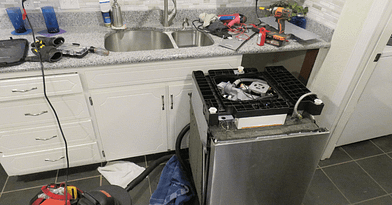
Feeling overwhelmed by the thought of getting rid of your old dishwasher? You’re not alone.
Many people find themselves puzzled about the best way to dispose of this bulky appliance. Whether it’s broken, outdated, or you’re just upgrading to a newer model, saying goodbye to your dishwasher doesn’t have to be a daunting task. You’ll discover simple, eco-friendly methods to get rid of your dishwasher without the hassle.
Imagine reclaiming your kitchen space and feeling a sense of accomplishment. Ready to learn how? Let’s dive in and explore the most effective options for you!
Prepare For Removal
Preparing for dishwasher removal is crucial to avoid damage and ensure a smooth process. Taking the time to get everything ready can save you from unexpected troubles. Are you ready to make your kitchen project hassle-free? Let’s break down what you need to do before unplugging that appliance.
Gather Necessary Tools
Before you start, make sure you have all the tools at hand. Common tools include an adjustable wrench, screwdriver set, pliers, and a bucket or towels to catch any water drips.
Having these tools ready helps you avoid interruptions. Missing a tool halfway through can cause frustration and delay your project.
Turn Off Power And Water
Safety must be your top priority. Locate your dishwasher’s power source and switch it off from the circuit breaker.
Don’t forget to shut off the water supply too. Leaving water running can lead to leaks or flooding, turning a simple job into a disaster.
Clear Surrounding Area
Give yourself enough space to work comfortably. Remove any items around the dishwasher, such as kitchen mats, chairs, or small appliances.
A clutter-free area reduces the risk of accidents and makes it easier to maneuver the dishwasher out. Plus, you protect your belongings from water or dust damage during removal.
Disconnect The Dishwasher
Disconnecting your dishwasher is a critical step before removal or replacement. It ensures safety and prevents water damage. Taking care to properly disconnect all connections will save you time and hassle later.
Unplug Electrical Connections
Start by locating the dishwasher’s power source. Usually, it’s plugged into an outlet under the sink or wired directly to your home’s electrical system.
Always turn off the circuit breaker before touching any electrical parts. This protects you from shocks and damage to the appliance.
If it’s plugged in, simply pull the plug out. For hardwired models, you might need a screwdriver to disconnect the wires carefully.
Shut Off Water Supply
Next, find the water valve that feeds your dishwasher. This is often a small valve under the sink or near the dishwasher’s location.
Turn the valve clockwise until it stops to shut off the water supply. Double-check by running the dishwasher briefly to see if water still flows.
Shutting off water prevents leaks and flooding during disconnection, which can save you from unexpected repairs.
Detach Water And Drain Hoses
Locate the hoses connected to the dishwasher. One hose brings water in, and the other drains wastewater out.
Use pliers to loosen the clamps holding the hoses in place. Be ready with a towel or bucket to catch any water that spills when you detach them.
Removing these hoses cleanly will help you avoid water messes and make the dishwasher easier to lift out safely.
Remove Mounting Hardware
Removing the mounting hardware is a key part of getting your dishwasher out safely. This hardware holds the appliance firmly in place under the countertop or inside the cabinet. If you skip this step or rush through it, you might damage your kitchen or the dishwasher itself.
Locate Mounting Brackets
First, open your dishwasher door fully to get a clear view of the frame. Look around the top edges and sides inside the cabinet opening for small metal brackets. These brackets are usually screwed into both the dishwasher and the underside of the countertop or cabinet.
Sometimes the brackets are hidden behind a kickplate or a decorative panel, so be sure to check there too. Have a flashlight handy to spot any screws or clips that hold the brackets in place. Knowing exactly where these points are makes the next step much easier.
Unscrew Brackets Carefully
Grab a screwdriver that fits the screws on the mounting brackets—usually a Phillips head works. Slowly unscrew each bracket, keeping the screws in a safe spot so you don’t lose them. Don’t rush this part; if the screws feel stuck, try applying a little extra pressure steadily rather than forcing them.
While removing the screws, keep an eye on the dishwasher to ensure it stays stable. If it starts to shift, support it with one hand or ask someone to help hold it steady. This careful approach prevents accidents and damage to both the appliance and your kitchen.

Credit: www.reddit.com
Extract The Dishwasher
Extracting the dishwasher is a crucial step in removing it safely from your kitchen. It requires attention and gentle handling to avoid damage to the appliance or the surrounding cabinets. Taking your time during this process helps ensure a smooth removal.
Slide Dishwasher Out Slowly
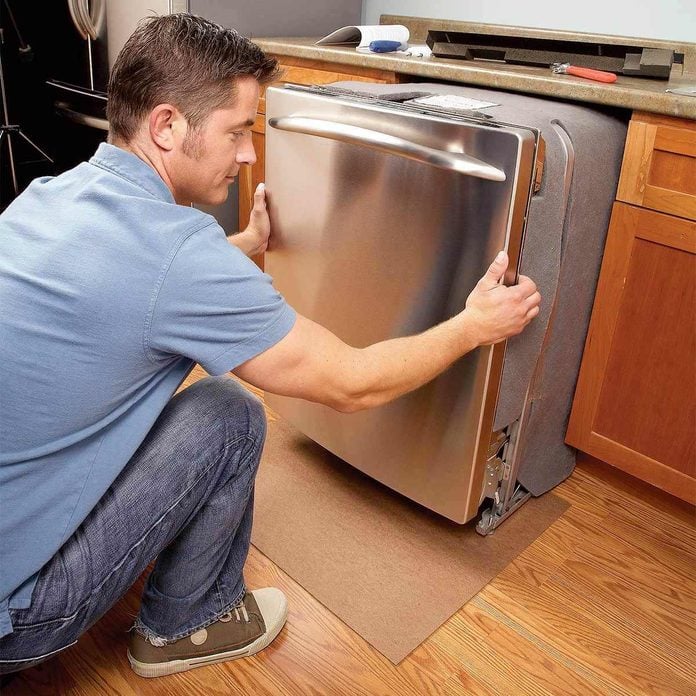
Start by gently pulling the dishwasher forward. Use slow, steady movements to avoid jerking. Check for any cables or hoses that might catch or pull. Keep the dishwasher level to prevent tipping. Moving carefully reduces the risk of damage to floors or walls.
Handle With Care To Avoid Damage
Hold the dishwasher firmly but softly to protect the surface. Avoid hitting cabinets or counters while pulling it out. Keep an eye on water connections to prevent leaks. If the dishwasher feels stuck, stop and check for hidden screws or clips. Patience is key to a safe extraction.
Dispose Or Recycle The Dishwasher
Deciding how to dispose or recycle your dishwasher is an important step that affects both the environment and your local community. Simply tossing it out isn’t the best choice. You have options that can keep harmful materials out of landfills and even help others in need.
Check Local Disposal Regulations
Start by checking your city or town’s rules on appliance disposal. Many places have specific guidelines to handle large electronics safely. Some areas require you to drop off old dishwashers at designated recycling centers.
Did you know some municipalities offer free pickup for bulky items? This can save you time and effort. Make sure to find out if there are fees involved or if you need to schedule a special collection day.
Options For Recycling Or Donation
Recycling centers often strip appliances for metals, plastics, and other materials that can be reused. This reduces waste and recovers valuable resources. Before dropping off your dishwasher, remove any detachable parts to speed up the process if required.
If your dishwasher still works, consider donating it. Local charities or organizations might accept it and provide it to someone who needs an affordable appliance. You can also check online marketplaces for free giveaways or sales.
Have you thought about how much impact a simple donation could make? Giving your dishwasher a second life not only helps others but also minimizes environmental harm. What’s the best option for your situation?

Credit: www.whirlpool.com
Clean The Installation Area
Cleaning the installation area after removing your dishwasher is essential to prepare the space for a new appliance or to keep your kitchen tidy. This step often gets overlooked, but it plays a crucial role in preventing future issues like leaks or unpleasant odors. Taking the time to thoroughly clean and inspect the area ensures your kitchen stays in great shape and ready for whatever comes next.
Remove Debris And Residue
Start by clearing out any loose debris, food particles, or detergent residue left behind. Use a vacuum or a handheld brush to reach corners and hard-to-access spots where dirt tends to accumulate.
Next, wipe down the walls, floor, and cabinet surfaces with a mild cleaner and a damp cloth. This removes grease and grime that could cause unpleasant smells or attract pests if left unattended.
Have you noticed any sticky spots or stains? Target these areas with a gentle scrubbing pad to avoid damaging surfaces while ensuring a spotless finish.
Inspect For Water Damage
Once the debris is gone, carefully examine the floor and walls for signs of water damage. Look for discoloration, warping, or soft spots that could indicate leaks or long-term moisture exposure.
If you spot any damage, address it immediately—whether that means drying out the area, applying sealant, or calling a professional. Ignoring these signs can lead to costly repairs down the road.
Have you ever found hidden water damage behind an appliance? Taking a close look now can save you from surprises later.
Credit: www.familyhandyman.com
Frequently Asked Questions
How Do I Safely Dispose Of An Old Dishwasher?
Contact your local waste facility or recycling center for dishwasher disposal guidelines. Many areas offer appliance recycling programs. Avoid throwing it in the trash to prevent environmental harm. Remove all water and electrical connections before disposal. Check if the manufacturer offers a take-back service.
Can I Donate A Used Dishwasher?
Yes, if the dishwasher is in good working condition, consider donating it. Charities, shelters, and community centers often accept appliances. Ensure it is clean and operational before donation. This helps reduce waste and supports those in need.
What Are Eco-friendly Ways To Get Rid Of A Dishwasher?
Recycle your dishwasher through certified e-waste recyclers to minimize landfill waste. Some companies offer appliance take-back or trade-in programs. Donating or selling usable units also promotes sustainability. Always remove hazardous parts like refrigerants before disposal.
Should I Sell My Old Dishwasher Online?
Selling online is a great option if the dishwasher works well. Use platforms like Craigslist or Facebook Marketplace. Provide clear photos and accurate descriptions. This can help recover some cost and avoid waste.
Conclusion
Getting rid of a dishwasher does not have to be hard. Choose a safe way to remove or recycle it. Check local rules about disposal to avoid fines. Selling or donating is also a good option if it still works.
Clean the space well after removal for better kitchen use. Taking these steps saves money and helps the environment. You can handle the process smoothly by planning ahead. Keep your kitchen neat and ready for new appliances or changes. Simple actions lead to great results.