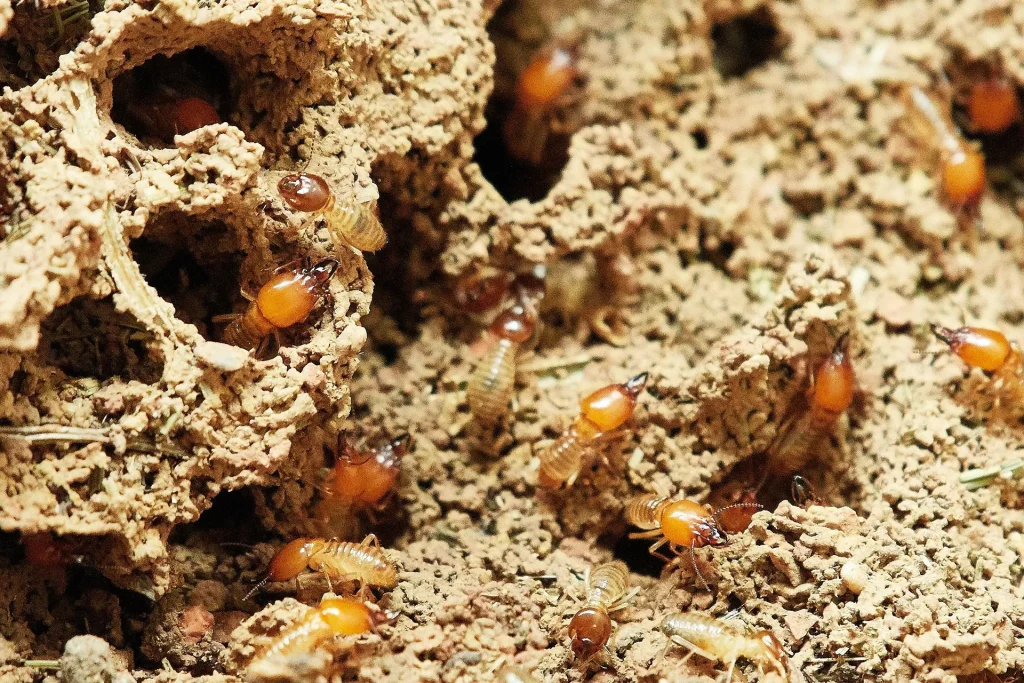
Are drywood termites quietly eating away at your home? You might feel worried about the damage they can cause.
But what if you could get rid of them without the hassle and cost of tenting your entire house? You’re in the right place. This guide will show you simple, effective ways to tackle drywood termites on your own. Imagine protecting your home while avoiding disruption and expensive treatments.
Keep reading to discover how you can take control and safeguard your space today.

Credit: www.wavespestcontrol.com
Signs Of Drywood Termite Infestation
Drywood termites live inside wood and cause hidden damage. Detecting them early helps protect your home.
Look for signs like droppings, swarmers, exit holes, and wood damage to know if termites are present.
Identifying Termite Droppings
Termite droppings are tiny, wood-colored pellets. They often fall near infested wood.
- Look for small piles of pellets on floors or window sills.
- The droppings have six sides and look like grains of sand.
- They may collect under furniture or near wooden structures.
- Fresh droppings are light-colored; old ones turn dark.
Spotting Swarmers And Exit Holes
Swarmers are winged termites that leave the colony to start new nests. Exit holes are tiny openings where termites leave wood.
| Sign | Description |
| Swarmers | Small insects with two pairs of wings, often seen near windows or lights. |
| Exit Holes | Pinpoint-sized round holes on wood surfaces, usually 1 to 2 mm wide. |
| Discarded Wings | Wings left behind after swarmers shed them, often found near windowsills. |
Detecting Wood Damage Patterns
Drywood termites eat wood from the inside out. The damage looks different than other pests.
- Wood sounds hollow when tapped.
- Blistered or peeling paint on wood surfaces.
- Visible tunnels inside the wood if broken open.
- Wood may have small cracks or splits.

Credit: www.angi.com
Why Avoid Tenting
Tenting your home to kill drywood termites can seem like a quick fix. Many people want safer and easier ways to handle the problem. Avoiding tenting helps protect your family’s health and save money.
This guide explains why tenting is not always the best choice. Learn about health risks, costs, and the environmental effects linked to tenting.
Health And Safety Concerns
Tenting uses strong chemicals that can harm people and pets. Fumigants used in tenting release gases that are dangerous to breathe. Even after treatment, some chemicals may remain in your home.
- Exposure can cause headaches and dizziness
- Children and pets are more vulnerable to toxins
- Improper ventilation increases health risks
- Requires all people and pets to leave the home for days
Cost And Convenience Factors
Tenting is costly and time-consuming. The process can disrupt your daily life for several days. You need to prepare your home carefully and stay away until it is safe.
| Cost Aspect | Details |
| Treatment Price | Usually $1,200 to $2,500 |
| Preparation Time | 1 to 2 days before tenting |
| Displacement | Must stay elsewhere 2 to 4 days |
| Post-Treatment Cleaning | Required to remove chemical residues |
Environmental Impact
Tenting releases toxic gases that harm the environment. These chemicals can affect air quality and wildlife. Choosing alternatives helps reduce pollution and protect nature.
- Heat treatments that use high temperatures
- Baiting systems that target termites directly
- Localized chemical injections with less spread
- Regular inspections and early detection
Natural Remedies For Drywood Termites
Drywood termites can be a pesky problem in homes. They eat through wood and cause damage. Natural remedies can help get rid of them without tenting.
Using natural treatments is safe for families and pets. You can try different options to see what works best.
Using Orange Oil Treatments
Orange oil is a natural product that can kill termites. It is safe and smells nice. Apply it directly to the wood where termites live.
- Drill small holes into the infested wood
- Inject orange oil into the holes
- Repeat every few days for best results
Applying Neem Oil Solutions
Neem oil is another effective solution. It disrupts the life cycle of termites. Mix it with water for easy application.
Borate-based Wood Treatments
Borate is a natural mineral that stops termites. It is applied as a treatment to wood. This method is preventive and works well.
| Method | Benefits |
| Orange Oil | Natural and pleasant smell |
| Neem Oil | Disrupts termite life cycle |
| Borate | Prevents future infestations |
Chemical Alternatives To Tenting
Drywood termites cause damage inside wooden structures. Tenting is common but costly and disruptive. Chemical alternatives offer less invasive ways to control these pests.
These methods target termites directly or their nests. They include injecting chemicals, dusting, and spraying surfaces. Each approach suits different infestation levels.
Foam And Fumigant Injections
Foam and fumigant injections place chemicals inside termite galleries in wood. Foam expands to reach hidden areas. Fumigants release gas to kill termites in enclosed spaces.
- Foam reaches deep into wood cracks and voids.
- Fumigants can kill termites quickly with gas penetration.
- Both methods require drilling small holes in wood.
- They are best for localized infestations.
Termiticide Dust Applications
Termiticide dust kills termites by contact and ingestion. It is applied inside wall voids, crawl spaces, and galleries. Dust sticks to termite bodies and spreads through the colony.
| Advantages | Considerations |
| Easy to apply in small spaces | Needs careful application to avoid mess |
| Effective against hidden termites | Not suitable for large infestations alone |
| Low toxicity to humans when used properly | Requires protective gear during application |
Surface Spray Treatments
Surface sprays create a chemical barrier on wood and soil. Termites get killed when they cross or try to enter treated areas. Sprays can prevent new infestations and reduce existing ones.
- Sprays cover wood surfaces and soil near structures.
- They protect against termite entry.
- Regular reapplication may be necessary.
- Works well with other termite control methods.
Non-chemical Control Methods
Drywood termites cause serious damage to wooden structures. Using non-chemical control helps avoid harmful chemicals. These methods focus on physical ways to kill or remove termites.
Non-chemical options are safe for people and pets. They often use heat, cold, or electricity to treat infested wood.
Heat Treatment Techniques
Heat treatment kills termites by raising wood temperature. Termites die when wood reaches about 120°F (49°C). This heat reaches deep into the wood.
Special heaters or heat tents may be used without chemicals. This method treats the whole structure or just the infested wood pieces.
- Heat wood slowly to avoid damage
- Keep temperature steady for several hours
- Use fans to spread heat evenly
- Check temperature inside thick wood parts
Microwave And Electrocution Methods
Microwave treatment uses radio waves to heat termites inside wood. This heats termites quickly without harming wood.
Electrocution sends electric current through wood to kill termites. It works best on small, reachable wood pieces. Both methods target termites directly.
- Microwave heats termite bodies fast
- Electric current disrupts termite nervous systems
- Safe for surrounding areas when done right
- Requires special equipment and skilled operators
Freezing Infested Wood
Freezing kills termites by lowering temperature below freezing point. Termites cannot survive the cold and die after hours.
This method works well on small wooden objects. Wood must stay in freezing conditions long enough to kill all termites inside.
- Freeze wood at -20°F (-29°C) or lower
- Keep wood frozen for 2 to 3 days
- Best for furniture or small wood pieces
- Not suitable for large buildings
Preventing Future Infestations
Drywood termites cause damage that can be hard to fix. Preventing future infestations helps keep your home safe and strong.
Simple steps can stop termites from coming back. Focus on good airflow, less moisture, and regular checks.
Maintaining Proper Ventilation
Good ventilation lowers humidity and stops termites from liking your wood. Make sure air flows well in crawl spaces and attics.
- Keep vents open and clear of debris
- Use fans to improve air movement if needed
- Check for blocked or damaged vents regularly
- Install vents in areas that trap moisture
Reducing Wood Moisture Levels
Termites like moist wood. Dry wood is less inviting. Fix leaks and keep wood dry inside and outside your home.
| Action | Reason |
|---|---|
| Repair plumbing leaks | Prevents water from wetting wood |
| Use gutters and downspouts | Keeps rainwater away from foundation |
| Store firewood away from house | Stops termites from moving indoors |
| Seal cracks in exterior walls | Blocks water entry and termite access |
Regular Home Inspections
Check your home often to find termites early. Look for signs on wood and walls.
- Look for small holes or tunnels in wood
- Check for piles of dry termite droppings
- Inspect wooden furniture and beams
- Hire a professional if unsure about signs
When To Call A Professional
Drywood termites can cause serious damage if not treated quickly. Sometimes, DIY methods are not enough to stop them. Knowing when to call a professional helps protect your home.
Professionals have the right tools and knowledge to handle tough termite problems safely and effectively. They can find hidden infestations and stop termites from coming back.
Signs Of Severe Infestation
Severe termite infestations show clear signs that you need expert help. Look for many small holes in wood and piles of termite droppings. Wood may feel hollow or sound dull when tapped.
If you notice damaged wooden structures or termite wings near windows and doors, the infestation is likely advanced. This level of damage requires professional treatment to stop it.
- Large numbers of small holes in wood
- Piles of termite droppings (frass)
- Wood that sounds hollow or feels weak
- Discarded termite wings near entry points
- Visible damage to wooden furniture or beams
Benefits Of Expert Termite Control
Experts use safe and effective treatments that reach deep into wood. They can remove termites fully and prevent new colonies from forming. This saves you money on repairs later.
Professional control also reduces health risks. Some termite treatments need special equipment and knowledge to apply safely. Experts protect your family and pets during the process.
- Complete termite removal from your home
- Prevents future termite infestations
- Protects wooden structures and furniture
- Safe use of chemicals and equipment
- Peace of mind with expert inspection
Choosing A Reliable Pest Service
Pick a pest control company with good reviews and proper licenses. Check if they have experience with drywood termites. Ask about their treatment methods and guarantees.
A reliable service will inspect your home carefully and explain the process. They should answer your questions clearly and offer follow-up visits to ensure termites stay gone.
- Look for licensed and insured pest control
- Choose companies with positive customer reviews
- Confirm experience with drywood termite treatment
- Ask about treatment safety and guarantees
- Ensure they provide thorough inspections

Credit: www.youtube.com
Frequently Asked Questions
What Are Effective Alternatives To Tenting For Drywood Termites?
Non-tenting methods include spot treatments, heat treatments, and cold treatments. These target localized infestations without full fumigation. They are cost-effective and less disruptive, making them good options for smaller termite problems.
How Do Heat Treatments Eliminate Drywood Termites?
Heat treatments raise wood temperature to 120°F or higher, killing termites inside. This method is chemical-free and treats the entire structure uniformly, ensuring complete termite eradication without the need for tenting.
Can Spot Treatments Fully Remove Drywood Termites?
Spot treatments focus on infested areas using insecticides or foams. They work well for minor infestations but may miss hidden colonies. Regular inspections ensure all termites are eliminated effectively.
Are Chemical Treatments Safe For Homes Without Tenting?
Yes, modern termiticides are designed to be safe when applied correctly. Professionals use targeted application to minimize exposure and avoid structural damage, making chemical treatments a reliable alternative to tenting.
Conclusion
Drywood termites can cause serious damage if left unchecked. Treating them without tenting saves time and avoids chemicals in your home. Use targeted treatments like spot fumigation or heat methods. Regular inspections help catch problems early. Acting fast protects your wood and your wallet.
Stay patient and follow instructions carefully. Your home deserves safe, effective termite control.