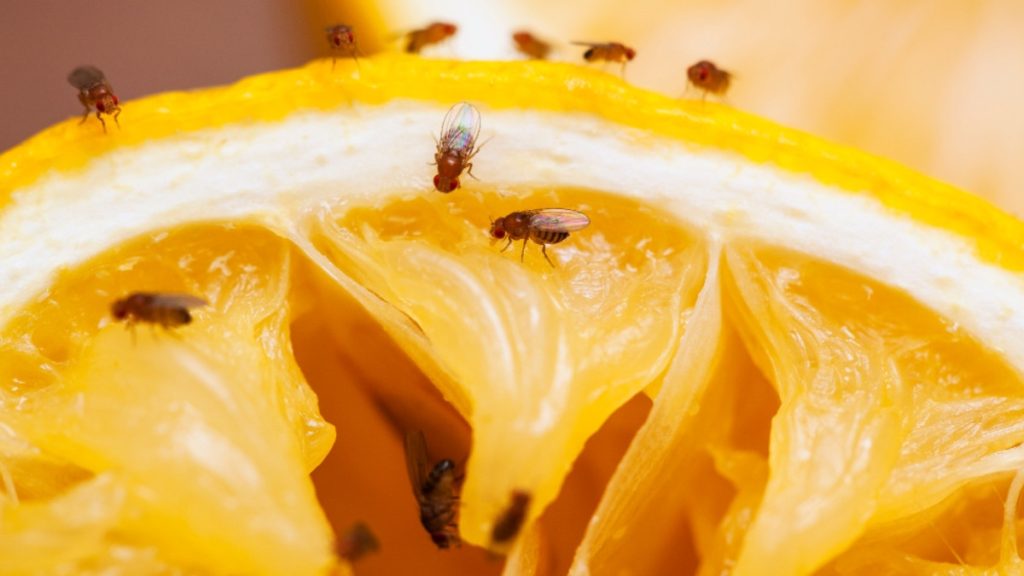
Are fruit flies taking over your compost bin and driving you crazy? You’re not alone, and the good news is that you can stop them.
These tiny pests multiply fast and can turn your composting efforts into a frustrating mess. But don’t worry—there are simple, effective steps you can take right now to get rid of fruit flies and keep your compost bin clean and healthy.
Keep reading to find out exactly what you need to do to reclaim your compost and enjoy a fly-free home.
Credit: www.gardeningknowhow.com
Causes Of Fruit Flies In Compost
Fruit flies often appear in compost bins. They come looking for food and places to lay eggs.
Understanding what attracts fruit flies helps keep them away from your compost.
Common Attractants
Fruit flies are drawn to sweet and rotting foods in compost. They like fruits, vegetables, and sugary scraps.
Leftover food and moist organic waste attract many flies to the bin.
- Overripe or rotting fruits
- Vegetable peelings
- Used coffee grounds and tea leaves
- Sweet liquids and juice residues
- Food scraps with sugar or vinegar
Ideal Breeding Conditions
Fruit flies need warm and moist areas to breed. Compost bins often provide these conditions.
When compost stays wet and warm, it becomes a perfect place for fruit flies to lay eggs.
- Temperatures between 70°F and 85°F (21°C – 29°C)
- Moist but not soaking wet compost material
- Decaying organic matter for larvae to eat
- Protection from predators and wind
Credit: www.womanandhome.com
Preventing Fruit Flies In Compost
Fruit flies can quickly invade your compost bin and make it unpleasant. They are attracted to rotting fruits and vegetables. Preventing them helps keep your compost healthy and odor-free.
Simple actions can reduce fruit flies. Proper care of your compost stops these pests from breeding.
Proper Compost Management
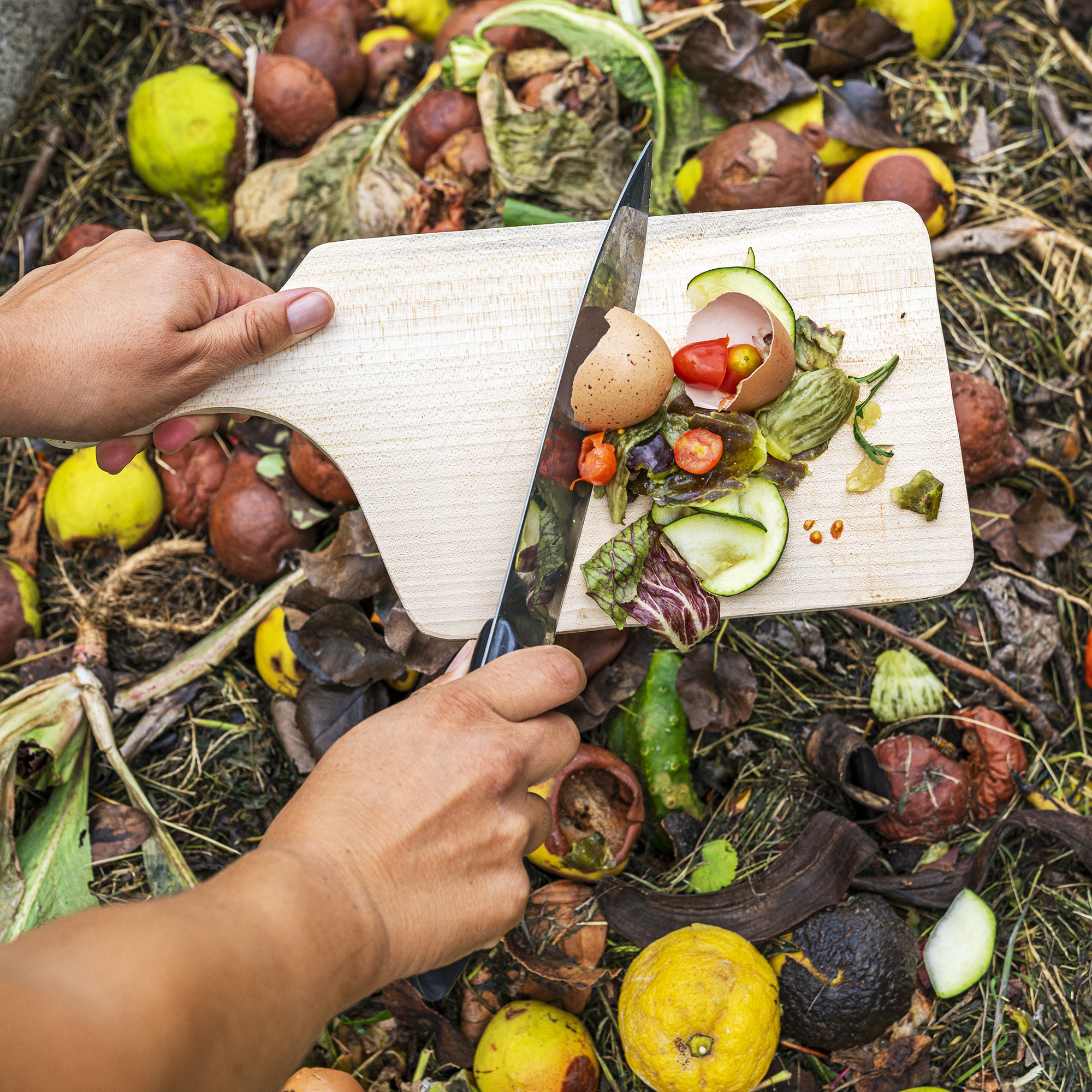
Turn your compost often to add air and mix materials. This helps speed up decomposition and reduces smells that attract flies. Avoid letting food scraps sit on top uncovered.
Keep a balance of green and brown materials. Too many food scraps cause bad odors and invite fruit flies.
- Turn compost every 3-5 days
- Mix green (food scraps) and brown (leaves, paper) materials
- Cover fresh scraps with dry leaves or soil
Sealing Food Scraps
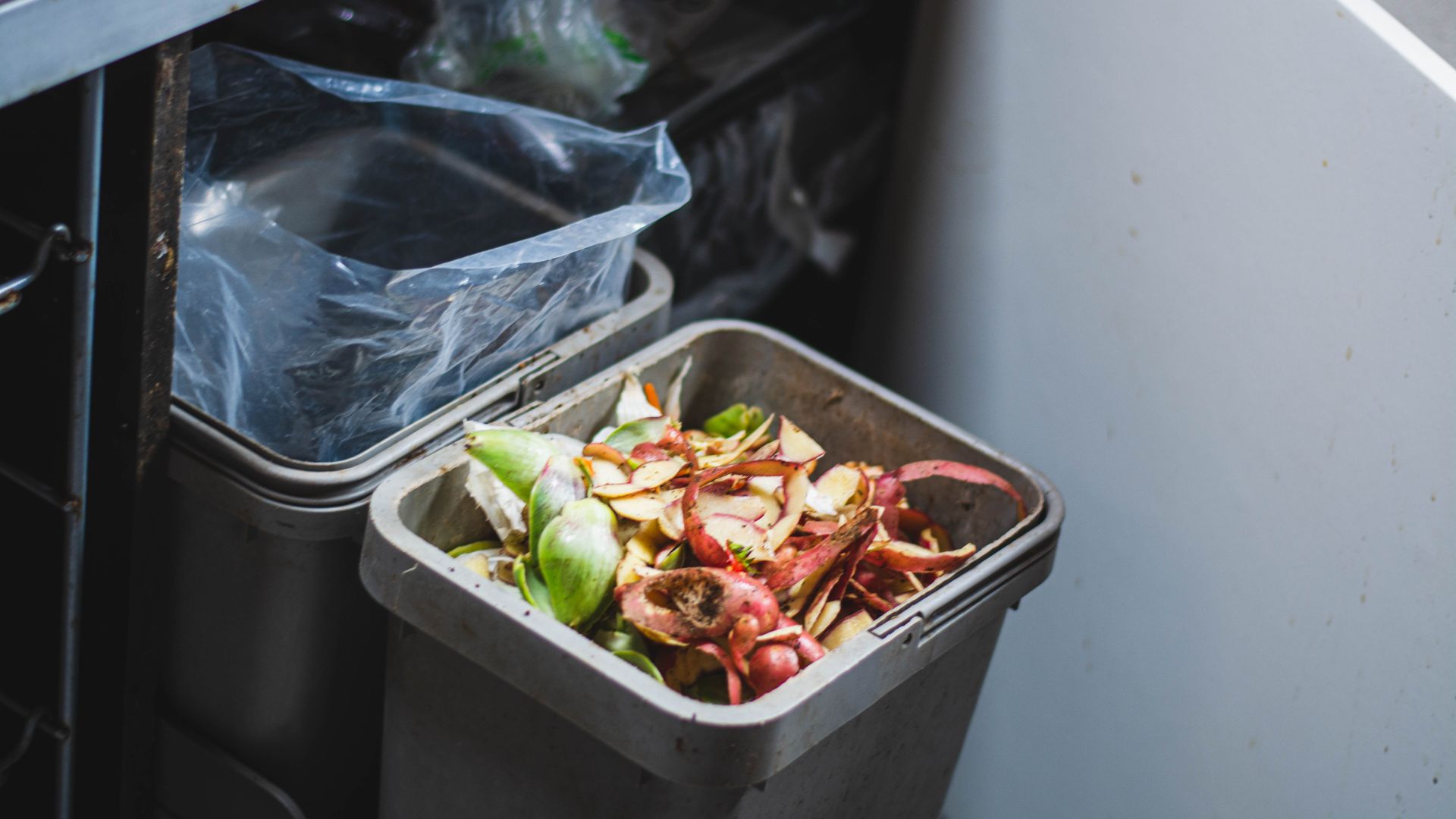
Seal food scraps in a paper bag or container before adding them to compost. This reduces fruit fly access and odors. Avoid adding sweet or soft fruits without covering them.
Always bury fresh scraps under a layer of dry material. This blocks flies from laying eggs on food.
- Use paper bags to hold food scraps
- Bury scraps under at least 2 inches of dry material
- Do not leave food scraps exposed on compost surface
Maintaining Moisture Levels
Keep compost moist like a wrung-out sponge. Too much moisture causes bad smells and attracts fruit flies. Too little moisture slows breakdown and allows eggs to survive.
Check moisture often, especially in hot weather. Add dry materials if compost is wet, or water if it is dry.
- Check compost moisture weekly
- Add dry leaves or shredded paper if too wet
- Spray water if compost feels dry
- Keep moisture balanced for best results
Natural Remedies To Remove Fruit Flies
Fruit flies can quickly invade your compost bin. They thrive in moist, decaying matter.
You can control fruit flies without chemicals. Natural remedies keep your compost healthy.
Diy Traps
Make simple traps to catch fruit flies. These traps use items found at home.
Use a jar or cup with a sweet bait inside. Cover it with plastic wrap and poke small holes.
- Fill jar with fruit scraps or juice
- Cover top with plastic wrap
- Poke tiny holes in wrap
- Fruit flies enter but cannot escape
Using Vinegar And Soap
Vinegar attracts fruit flies, and soap traps them. This mix is a strong natural fly remover.
Mix apple cider vinegar with a few drops of dish soap. Pour into a small bowl near your bin.
- Use apple cider vinegar to lure flies
- Add dish soap to break surface tension
- Flies sink and drown in the liquid
Essential Oils As Repellents
Some essential oils keep fruit flies away. They add a fresh scent to your compost area.
Use oils like peppermint, eucalyptus, or lavender. Spray diluted oil around the compost bin.
- Peppermint oil repels fruit flies
- Eucalyptus oil keeps bugs away
- Lavender oil adds a pleasant smell
- Dilute oils with water before spraying
Chemical Solutions And When To Use Them
Fruit flies in compost bins can become a nuisance. Chemical solutions may help reduce their numbers.
It is important to know when and how to use these chemicals safely to avoid harm.
Safe Insecticides
Use insecticides designed for organic or garden use. They target fruit flies without harming compost quality.
- Pyrethrin sprays work well against fruit flies.
- Neem oil can repel and kill insect pests.
- Insecticidal soaps are gentle and effective.
- Always follow product instructions carefully.
Risks And Precautions
Chemical use may affect compost health and beneficial insects. Use only when other methods fail.
| Risk | Precaution |
| Harm to earthworms | Apply insecticides away from compost center |
| Residue in compost | Use short-lived chemicals only |
| Health risks to humans | Wear gloves and masks during application |
| Damage to plants | Do not spray on edible plants directly |
Long-term Compost Bin Care
Keeping fruit flies out of your compost bin takes consistent care. Long-term habits help keep the bin clean and healthy.
Good maintenance stops fruit flies from laying eggs and multiplying inside your compost.
Regular Cleaning Tips
Clean your compost bin often to remove rotting food that attracts fruit flies. Use a mild soap and water to scrub the inside.
Rinse the bin well and let it dry before adding new compost materials. Avoid letting food scraps sit on the surface for too long.
- Remove old compost that smells bad
- Wipe down the sides and lid regularly
- Keep the area around the bin tidy
Aeration And Turning Techniques
Turn your compost regularly to add air. This stops fruit flies from nesting and helps the compost break down faster.
Use a garden fork or compost aerator to mix the pile every week or two. This keeps the pile dry in some spots and moist in others.
- Turn compost at least once a week
- Mix from the bottom to the top
- Check moisture levels while turning
Monitoring For Reinfestation
Check your compost bin often for signs of fruit flies. Look near fresh scraps and inside the bin.
If you see fruit flies again, act quickly. Remove the top layer of compost and add dry materials like leaves or paper.
- Inspect for fly larvae or eggs
- Cover fresh scraps with dry brown materials
- Keep compost temperature warm to kill pests

Credit: urbanwormcompany.com
Frequently Asked Questions
How Do Fruit Flies Get Into Compost Bins?
Fruit flies are attracted by rotting fruit and organic waste. They enter compost bins through small gaps or openings. Keeping the bin sealed and covering fresh waste reduces their access and attraction.
What’s The Best Way To Stop Fruit Flies In Compost?
Regularly turning the compost and covering food scraps with brown materials helps. Also, avoid adding overly ripe fruits or wet waste. This disrupts fruit fly breeding and reduces their population effectively.
Can Natural Remedies Eliminate Fruit Flies In Compost?
Yes, natural remedies like apple cider vinegar traps work well. Sprinkling diatomaceous earth or using essential oils can also deter flies. These methods are safe and eco-friendly for managing fruit flies.
How Often Should I Maintain My Compost Bin To Avoid Flies?
Maintain your compost bin weekly by turning it and adding dry materials. Frequent maintenance keeps the compost balanced and less attractive to fruit flies.
Conclusion
Keeping your compost bin fruit fly-free is simple. Use these tips for success. Cover food scraps with brown materials. This prevents fly attraction. Maintain moisture balance in your compost. Keep it damp, not wet. Regularly turn your compost pile. This disrupts fruit fly breeding.
Seal your bin tightly. This keeps flies out. Use natural fly traps if needed. These can help manage infestations. Consistent efforts make a difference. Your compost will thrive, fly-free. Enjoy a healthier composting experience. Happy composting!