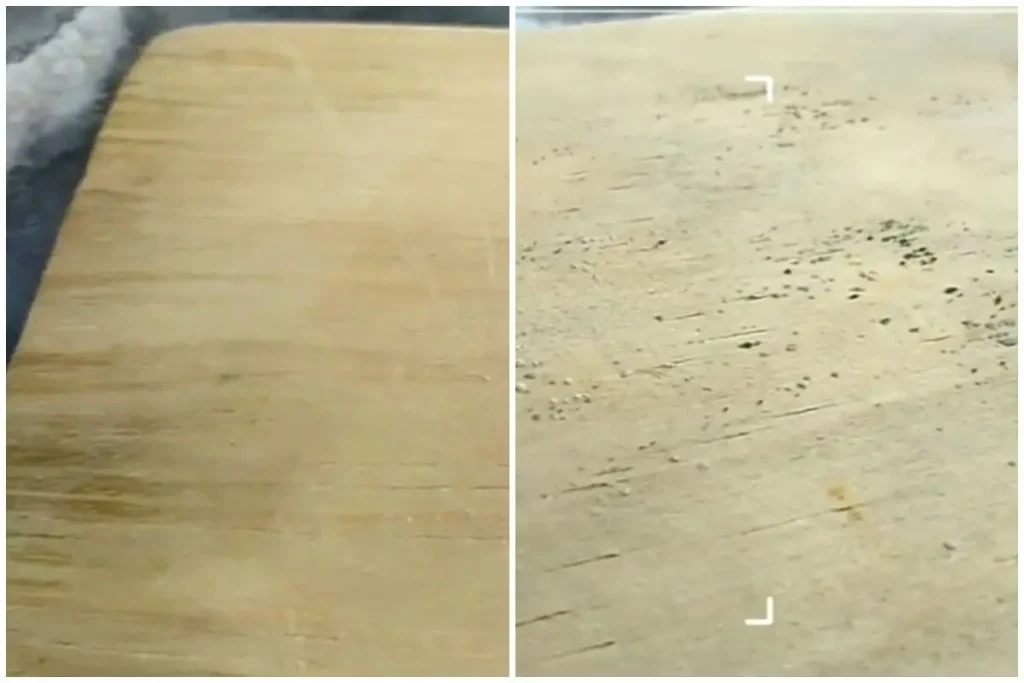
Is your wooden cutting board showing signs of mold? This can be frustrating and even unsafe for your kitchen.
But don’t worry—you can clean it effectively and keep your board safe to use. You’ll discover simple, practical steps to get rid of mold on your wood cutting board. Keep reading to protect your kitchen tools and ensure your food stays fresh and healthy.

Credit: www.reddit.com
Causes Of Mold On Wood Boards
Mold grows on wood cutting boards because of certain conditions. Understanding these causes helps prevent mold formation.
Wood is porous and can hold moisture. This creates a perfect home for mold spores.
Moisture And Humidity
Wood cutting boards absorb water during use and washing. If they stay wet, mold can grow quickly.
High humidity in the kitchen also adds moisture to the air. This extra moisture helps mold spores spread on wood surfaces.
Improper Cleaning
Not cleaning the board properly leaves food particles and moisture behind. These leftovers feed mold and bacteria.
- Using only water without soap
- Not drying the board fully after washing
- Ignoring cracks where food can hide
- Skipping regular deep cleaning or sanitizing
Storage Conditions
Storing wood boards in a damp or closed space traps moisture. Mold thrives in these dark, wet places.
| Storage Type | Effect on Mold Growth |
|---|---|
| Closed drawer | High moisture, promotes mold |
| Open air, dry shelf | Low moisture, reduces mold |
| Near sink or dishwasher | Frequent moisture, high risk |
| Well-ventilated area | Good airflow, lowers mold risk |
Signs Of Mold Growth
Mold can grow on wood cutting boards if they stay damp. It is important to spot mold early to keep your board safe.
Knowing the signs of mold helps you clean your cutting board properly and avoid health risks.
Visible Spots And Discoloration
Mold often appears as small spots on the wood. These spots can be white, green, black, or gray.
The wood may also look stained or discolored in certain areas where mold grows.
- Small round spots in various colors
- Dark or light patches on the wood surface
- Uneven color changes that were not there before
Musty Odor
A strong, musty smell is a common sign of mold. It smells damp and stale.
If your cutting board smells bad even after cleaning, mold may be growing inside the wood.
Texture Changes
Mold can cause the wood to feel soft or spongy. The surface might also feel slimy or rough.
Wood that is dry and hard should not feel different. Check for any unusual texture changes.
- Soft spots on the wood surface
- Slimy or sticky feeling areas
- Rough or uneven texture in some places
Safety Precautions
Removing mold from a wood cutting board needs care. Mold can cause health problems if not handled properly.
Follow safety steps to protect yourself and keep your kitchen safe.
Wear Protective Gear
Wear gloves to keep mold spores off your skin. Use a mask to avoid breathing in spores.
Protect your eyes with goggles if you scrub hard or use cleaning sprays.
- Rubber or latex gloves
- N95 or similar mask
- Safety goggles
Work In A Well-ventilated Area
Open windows and doors to get fresh air. Good airflow helps carry mold spores away.
Avoid working in small, closed rooms. This lowers the chance of breathing in mold spores.
Avoid Cross-contamination
Keep moldy cutting boards away from clean food and utensils. Use separate cloths for cleaning.
Wash your hands and cleaning tools well after removing mold to stop spreading spores.
- Use dedicated cleaning cloths
- Sanitize knives and surfaces
- Wash hands thoroughly
Cleaning Supplies Needed
Removing mold from a wood cutting board requires the right cleaning supplies. Using proper items helps clean the board safely and well.
This guide lists natural cleaners, disinfectants, and scrubbing tools to get rid of mold easily.
Natural Cleaners
Natural cleaners are safe and effective for cleaning mold on wood boards. They avoid harsh chemicals and protect the wood.
Common natural cleaners include vinegar and baking soda. Vinegar kills mold, and baking soda helps scrub it away.
- White vinegar
- Baking soda
- Lemon juice
- Hydrogen peroxide (3% solution)
Disinfectants
Disinfectants kill mold spores to stop mold from returning. Use food-safe disinfectants for cutting boards.
Diluted bleach or hydrogen peroxide work well. Always rinse the board after using disinfectants to keep it safe.
- Diluted bleach solution (1 tablespoon bleach per 1 gallon water)
- Hydrogen peroxide (3% solution)
- Food-safe sanitizing sprays
Scrubbing Tools
Using the right scrubbing tools helps remove mold from wood surfaces. Avoid tools that can damage the wood.
Soft brushes and non-metal scrubbers work best. These clean deeply without scratching the cutting board.
- Soft nylon brush
- Non-metal scrub sponge
- Toothbrush for tight spots
- Clean cloth for drying
Step-by-step Mold Removal
Mold on a wood cutting board is a common problem. It can cause bad smells and health risks.
Cleaning mold is easy if you follow the right steps carefully. Use safe ingredients to remove mold and keep your board fresh.
Initial Rinse
Start by rinsing your cutting board under warm running water. This helps remove loose dirt and mold spores from the surface.
Scrubbing With Vinegar Or Baking Soda
Next, scrub the board using either vinegar or baking soda. Both work well to kill mold and clean the wood.
- If using vinegar, pour white vinegar directly on the board and let it sit for 10 minutes.
- If using baking soda, sprinkle it evenly and scrub with a damp brush or sponge.
- Focus on moldy areas and scrub gently to avoid damaging the wood.
Disinfecting With Hydrogen Peroxide
Hydrogen peroxide kills mold spores deeply. Apply 3% hydrogen peroxide to the board’s surface.
| Disinfecting Steps | Details |
|---|---|
| Apply | Pour or spray hydrogen peroxide on the board |
| Wait | Let it sit for 5 to 10 minutes |
| Scrub | Use a soft brush to clean the surface |
| Rinse | Wash off with warm water |
Rinsing And Drying
Finally, rinse the cutting board well with warm water to remove all cleaning agents. Dry it completely to stop mold from returning.
- Use a clean towel to wipe off water.
- Stand the board upright to air dry fully.
- Do not store the board while it is wet.

Credit: www.reddit.com
Preventing Future Mold Growth
Mold grows on wood cutting boards when moisture stays too long. You can stop mold by keeping the board clean and dry. Use good storage to avoid damp places.
Follow simple habits to keep your wood cutting board fresh and mold-free for a long time.
Regular Cleaning Routine
Clean your wood cutting board after every use. Use warm water and mild soap. Avoid soaking the board or using harsh chemicals. Rinse well and scrub gently to remove food bits.
- Wash with warm soapy water immediately after use
- Scrub with a soft brush or sponge
- Rinse thoroughly with clean water
- Use white vinegar to disinfect once a week
- Do not put the board in the dishwasher
Proper Drying Techniques
Dry your cutting board fully to stop mold. Moisture left on the wood invites mold spores. After washing, dry the board well on both sides.
| Drying Method | How to Do It |
| Air Dry | Stand the board upright in a dish rack |
| Towel Dry | Use a clean dry towel to wipe off water |
| Sun Dry | Place in sunlight for a short time, not too long |
Ideal Storage Tips
Store your cutting board in a dry, well-ventilated place. Avoid closed cabinets or damp areas. Good air flow helps keep the wood dry and mold-free.
- Keep the board upright to allow air circulation
- Do not stack wet boards or kitchen items on top
- Avoid storing near the sink or stove
- Use a breathable cover instead of plastic wrap
When To Replace Your Cutting Board
Wood cutting boards can last a long time with care. Mold growth is a common problem that needs attention. Sometimes, cleaning is not enough to save the board.
Knowing when to replace your cutting board helps keep your kitchen safe. This guide explains key signs that show it is time to get a new board.
Deep Mold Penetration
Mold can grow on the surface and inside the wood. If mold gets deep, it is hard to remove. This can cause health risks.
If mold stays after thorough cleaning, your board is unsafe. Deep mold means replacing the board is best to avoid illness.
Cracks And Damage
Cracks and deep cuts in your cutting board trap moisture and mold. These cracks are hard to clean well. They also weaken the board.
Check for damage regularly. If cracks grow or pieces break off, it is time to replace the board for safety and hygiene.
- Look for deep cracks or splits
- Notice if wood chips or flakes
- Check if the board feels weak or unstable
Persistent Odors
Bad smells can come from mold or bacteria inside the wood. If odors do not go away after cleaning, the board may be contaminated.
Persistent smells mean the wood holds unwanted substances. Replacing the board stops smells and keeps food safe.

Credit: www.reddit.com
Frequently Asked Questions
How Do I Remove Mold From Wood Cutting Board?
To remove mold, first scrub the board with warm, soapy water. Rinse and dry it thoroughly. Then, apply a mixture of vinegar and water to the affected areas. Let it sit for 10 minutes before rinsing again. Always dry the board completely to prevent mold regrowth.
Is Vinegar Effective Against Mold On Cutting Boards?
Yes, vinegar is effective against mold due to its acidic properties. It helps kill mold spores and prevents regrowth. After cleaning the board with soapy water, apply vinegar and let it sit for 10 minutes. Rinse thoroughly and dry the board to ensure no moisture remains.
Can Baking Soda Help Remove Mold From Wood?
Baking soda is a natural mold remover. It absorbs moisture and eliminates odors. Make a paste with baking soda and water. Scrub the moldy areas with this paste, then rinse thoroughly. Dry the board completely to avoid mold returning. Baking soda is safe and non-toxic for kitchen use.
How Often Should I Clean My Wood Cutting Board?
Clean your wood cutting board after each use to prevent mold. Regular cleaning with warm, soapy water is essential. For deeper cleaning, use vinegar or baking soda weekly. Ensure the board is completely dry before storing. Regular maintenance will keep your cutting board mold-free and hygienic.
Conclusion
Keeping your wood cutting board mold-free protects your health and food. Clean it often using safe methods like vinegar or baking soda. Dry the board well after washing to stop mold growth. Store it in a dry place with good air flow.
Small efforts prevent mold from coming back. A clean board lasts longer and stays safe for daily use. Remember, regular care is the best way to keep mold away. Simple steps make a big difference in your kitchen.