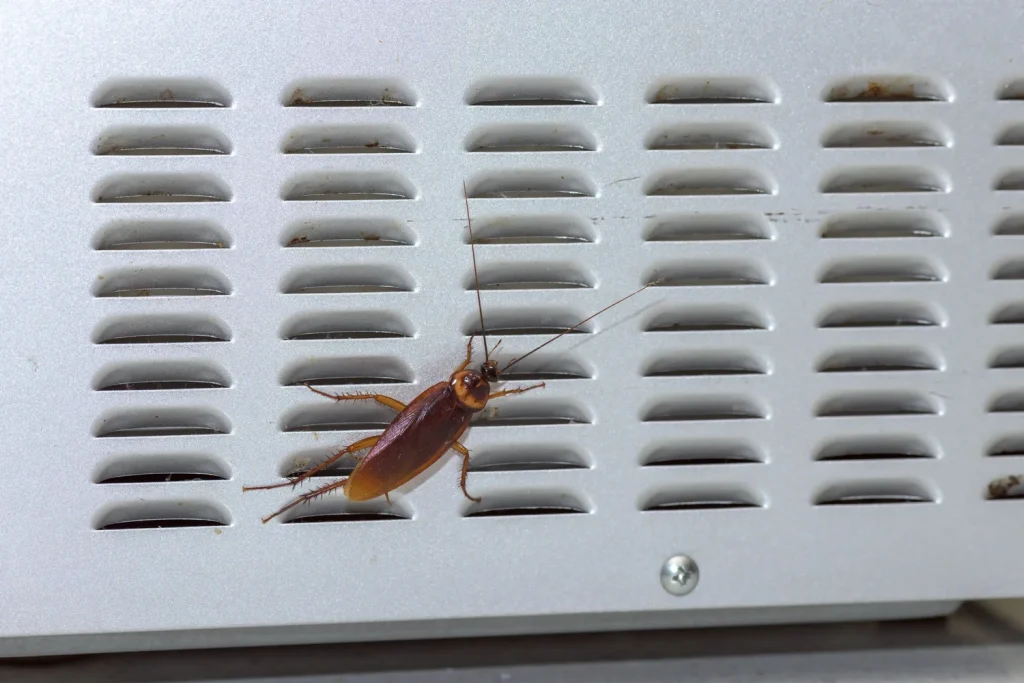
Is your kitchen sanctuary under siege by unwanted guests? Finding cockroaches in your microwave can be both frustrating and alarming.
These resilient pests are not just an eyesore; they pose health risks and can contaminate your food. You might feel overwhelmed by the thought of tackling this problem, but don’t worry—you’re not alone. Imagine the peace of mind you’ll have once your microwave is roach-free and your kitchen is back under your control.
In this guide, we’ll walk you through effective strategies to banish these unwelcome intruders from your microwave for good. Stick with us, and you’ll soon be on your way to a pest-free kitchen.
Signs Of Roaches In Microwaves
Noticing signs of roaches in your microwave is crucial before they become a bigger problem. These pests love warm, dark places, and your microwave offers the perfect hideout. Spotting the early signs can save you from contamination and potential health issues.
Common Indicators
- Unusual Odor:Roaches produce a musty, oily smell that can linger inside your microwave.
- Droppings:Look for tiny black or brown specks around the microwave vents or inside the cavity.
- Egg Casings:These look like small, pale capsules and may be tucked in corners or crevices.
- Smudge Marks:Roaches leave behind greasy streaks or smears on surfaces they crawl over.
- Strange Noises:You might hear faint scratching or scurrying sounds when the microwave is off.
- Visible Roaches:Spotting even one roach is a clear sign of infestation.
Have you ever found tiny black dots inside your microwave and wondered what they were? These could be roach droppings, signaling you need to act fast.
Health Risks Involved
Roaches carry bacteria, viruses, and parasites that can contaminate your food and kitchen appliances. Their presence in your microwave directly threatens your health by spreading pathogens onto the surfaces where you heat your meals.
Exposure to roach allergens can trigger asthma attacks and allergic reactions, especially in children and sensitive individuals. Would you want to risk your family’s health just because you overlooked these signs?
Ignoring roach infestation in your microwave can lead to serious foodborne illnesses. Taking prompt action not only protects your health but also keeps your kitchen safe and hygienic.
Why Microwaves Attract Roaches
Microwaves often attract roaches because they offer a perfect place to find food and stay warm. Roaches seek out areas where they can hide and find easy meals. The inside of a microwave, especially if not cleaned well, can become a favorite spot for them.
Food Residue And Crumbs
Microwaves can trap tiny bits of food and crumbs. These leftovers provide a steady food source for roaches. Even small spills from heating food create an inviting smell for these pests. Roaches can easily access these food particles inside the microwave.
Warmth And Shelter
Microwaves generate heat during use, leaving warmth behind afterward. Roaches love warm places because they help them survive and reproduce. The microwave’s dark interior also offers a safe hiding spot. This combination of warmth and shelter makes microwaves a cozy home for roaches.
Safety Precautions Before Cleaning
Before you start tackling the roach problem inside your microwave oven, prioritizing safety is crucial. Roaches can carry bacteria, and the cleaning process often involves chemicals or intense scrubbing. Taking the right precautions protects both you and your appliance from harm.
Unplugging The Appliance
Always unplug your microwave before cleaning it. This simple step prevents any risk of electric shock while you work inside the oven.
Think about it—if you accidentally touch a wet surface or a metal tool while the microwave is still powered, it could lead to injury. Unplugging also ensures the microwave won’t turn on unexpectedly, which could cause accidents or damage.
Protective Gear
Wearing protective gear is a smart move when dealing with roaches and cleaning chemicals. Gloves protect your hands from germs and harsh cleaners, while a mask can help you avoid inhaling dust or fumes.
If you’ve ever felt itchy or uncomfortable after cleaning without gloves, you know how important this is. Safety glasses can also shield your eyes if you’re using sprays or scrubbing vigorously inside the microwave.
Step-by-step Cleaning Process
Cleaning a microwave to remove roaches involves careful steps. Each part of the process targets dirt, germs, and pests. Follow these actions to make your microwave safe and clean again.
Removing Loose Debris
First, unplug the microwave for safety. Open the door and take out the turntable and tray. Use a soft brush or cloth to remove crumbs and food particles. Dispose of the debris in a sealed bag. Check corners and vents for any hidden dirt or bugs. This step clears the space before deep cleaning.
Deep Cleaning With Safe Solutions
Prepare a mixture of mild dish soap and warm water. Dip a sponge or cloth into the solution and wipe all interior surfaces. Avoid harsh chemicals that can damage the microwave. For tough spots, use a baking soda paste made with water. Scrub gently to remove stains and sticky residue. Clean the turntable and tray separately with the same solution.
Disinfecting And Drying
Mix equal parts water and white vinegar in a microwave-safe bowl. Heat the bowl inside the microwave for five minutes. The steam will kill bacteria and loosen grime. After heating, leave the door closed for a few minutes. Wipe all surfaces with a clean cloth to remove moisture. Let the microwave air dry completely before plugging it back in.
Natural Remedies To Repel Roaches
Roaches in your microwave can be a real nuisance, but harsh chemicals aren’t your only option. Natural remedies offer a safer and often equally effective way to repel these pests. These solutions not only protect your kitchen but also reduce exposure to toxic substances.
Essential Oils
Essential oils like peppermint, tea tree, and eucalyptus have strong scents that roaches dislike. You can mix a few drops of these oils with water in a spray bottle and spritz around your microwave and nearby areas.
Try placing cotton balls soaked in essential oils near vents or under the microwave. This creates a natural barrier that keeps roaches away without harmful chemicals. Have you noticed how some smells instantly repel bugs? Essential oils tap into this power.
Baking Soda And Sugar Mix
This simple mixture uses sugar to attract roaches and baking soda to kill them. Mix equal parts baking soda and sugar, then sprinkle the blend near your microwave’s base or in cracks.
When roaches eat the mix, the baking soda reacts with their stomach acid, causing them to die. It’s a quiet, chemical-free way to reduce roach numbers. Could such a common kitchen ingredient be your best pest control ally?

Credit: 911servicetoday.com
Chemical Treatments And Their Use
Chemical treatments can be effective in eliminating roaches hiding inside your microwave oven. However, using chemicals near food appliances demands extra caution to avoid contamination and health risks. Understanding the right products and how to apply them safely will help you get rid of roaches without damaging your microwave or putting your family at risk.
Roach Sprays Suitable For Kitchen Appliances
Not all roach sprays are safe to use around kitchen appliances like microwaves. Look specifically for sprays labeled as safe for use in kitchens or food preparation areas. These sprays often contain ingredients that break down quickly and leave minimal residue.
When applying, never spray directly inside the microwave’s interior where food is placed. Instead, target cracks, vents, and external crevices around the microwave. After spraying, allow the area to dry completely before using the microwave again to prevent inhaling fumes or contaminating your food.
Gel Baits And Traps
Gel baits offer a safer alternative for roach control in and around your microwave. You can apply small amounts of gel bait near the appliance where roaches tend to hide. Roaches consume the bait and carry the poison back to their nests, effectively reducing the population.
Traps are another non-invasive option that attracts and captures roaches. Place them behind or under the microwave, where roaches are likely to travel. Both gel baits and traps require patience but reduce the risk of chemical exposure to you and your family.
Preventing Future Roach Infestations
Stopping roaches from returning to your microwave oven is just as important as getting rid of them the first time. Roaches are persistent creatures that seek warmth, food, and shelter, making your kitchen an ideal spot if conditions are right. You can take simple, effective steps to keep these pests away and protect your home from future infestations.
Regular Maintenance Tips
Keeping your microwave and kitchen clean is the first line of defense. Wipe down the interior of your microwave after every use to remove any food particles or spills that attract roaches.
Don’t forget to clean the microwave’s vents and the area around it regularly. Roaches love dark, hidden spots, so keeping these areas free of dust and crumbs can make a big difference.
Proper Food Storage
Roaches are drawn to food left out in the open. Store your food in airtight containers to deny them access. This includes not only leftovers but also dry goods like cereals and snacks.
Think about your trash too. Empty your kitchen trash daily and use bins with tight-fitting lids to prevent roaches from feeding on scraps.
Sealing Entry Points
Have you checked the cracks and gaps around your microwave and kitchen walls? Roaches often sneak in through tiny openings you might not notice. Use caulk or weather stripping to seal these entry points and block their pathways.
Also, inspect other common entry areas like pipes, vents, and door frames. Sealing these spots can dramatically reduce the chances of roaches invading your microwave and kitchen.

Credit: 911servicetoday.com
When To Call A Professional
Dealing with roaches inside your microwave can be tough. Sometimes, the problem is bigger than a simple clean-up. Calling a professional pest control service can save time and stop the infestation quickly. Knowing when to call for help is important to protect your health and home.
Signs Of Severe Infestation
- Seeing many roaches inside or near the microwave.
- Finding roach eggs or shed skins around the appliance.
- Noticing a strong, musty odor from the microwave area.
- Roaches appearing during the daytime, not just at night.
- Repeated roach sightings even after cleaning and treatment.
Choosing Pest Control Services
- Pick a company with good reviews and local experience.
- Check if they use safe and effective treatments for kitchens.
- Ask about their process for treating hidden roach nests.
- Confirm they offer follow-up visits to ensure roaches are gone.
- Compare prices but focus on quality and guarantees.

Credit: www.youtube.com
Frequently Asked Questions
How Do Roaches Get Inside A Microwave Oven?
Roaches enter microwaves through small gaps or vents. They seek warmth and food crumbs inside. Regular cleaning and sealing gaps help prevent entry.
What Are Safe Ways To Remove Roaches From Microwaves?
Use a mixture of vinegar and water to clean the microwave. Avoid harmful chemicals inside. Unplug and wipe thoroughly, focusing on vents and crevices.
Can Heat From Microwaves Kill Roaches?
Heat from microwaves can kill roaches only if the temperature is very high. Running the microwave empty can damage it. Use other pest control methods instead.
How To Prevent Roaches From Returning To The Microwave?
Keep the microwave clean and dry. Wipe spills immediately and avoid storing food inside. Seal any cracks or vents where roaches may enter.
Conclusion
Roaches in a microwave can cause health risks and bad smells. Clean the microwave regularly and remove food crumbs. Use natural remedies or safe insect sprays to kill roaches. Seal cracks and keep your kitchen dry to stop them from coming back.
Stay patient and repeat these steps if needed. A clean microwave means a safer kitchen for everyone. Keep your home roach-free with simple, careful habits every day.