
Are tent caterpillars turning your tall trees into a messy nightmare? These pesky insects can quickly take over, leaving your beautiful trees covered in webs and damaged leaves.
If you’re wondering how to protect your trees and get rid of these unwelcome guests for good, you’re in the right place. You’ll discover simple, effective ways to tackle tent caterpillars—even when they’re high up where it’s hard to reach.
Keep reading, and take the first step toward saving your trees today.
Identifying Tent Caterpillars
Tent caterpillars are common pests in tall trees. They build web-like tents in tree branches. Knowing how to spot them helps protect trees from damage.
These caterpillars can cause serious harm if not controlled early. Learn to recognize their signs and life stages to act fast.
Common Signs On Trees
You can find tent caterpillars by looking for tents made of silk in tree branches. These tents are their homes and shelters.
Look for small brown or black caterpillars with white stripes near these tents. You might see them feeding on leaves during the day.
- Silky web tents on tree branches
- Clusters of caterpillars inside or near tents
- Partially eaten or chewed leaves
- Frass (caterpillar droppings) on leaves and ground
Lifecycle Stages
Tent caterpillars start as eggs laid on tree branches in fall. Eggs hatch into larvae in early spring.
The larvae grow and build tents where they live and feed. After several weeks, they become pupae and then adult moths.
- Eggs on branches in fall
- Larvae hatch in early spring
- Larvae build tents and feed on leaves
- Pupae stage inside cocoons
- Adult moths emerge to lay eggs
Damage Symptoms
Tent caterpillars eat leaves, which weakens trees. Heavy infestations can strip many leaves off the branches.
Damaged trees may grow slower and become more vulnerable to diseases or other pests.
- Missing or skeletonized leaves
- Brown or dead leaf edges
- Reduced tree growth
- Visible silk tents on branches
Assessing Infestation Severity
Knowing how bad a tent caterpillar infestation is helps decide what to do. You must look closely at the tree and its condition. This guide shows how to assess the problem carefully.
By checking the tree canopy, health, and urgency for treatment, you get a clear picture. This helps protect tall trees from serious damage.
Inspecting Tree Canopies
Start by looking at the tree’s top and branches. Tent caterpillars build silky tents in the forks of branches. These tents are easy to spot in early spring.
- Look for white or gray silk webs in the branches
- Check if leaves are eaten or missing near the tents
- Count how many tents are in the canopy
- Note if tents cover large parts of the tree or just a few spots
Evaluating Tree Health
Check the tree for signs of stress or damage from caterpillars. A healthy tree can survive some leaf loss. A weak tree may suffer more harm.
| Tree Condition | Signs to Check |
| Healthy | Green leaves, new growth, no dead branches |
| Stressed | Yellowing leaves, few new shoots, some branch dieback |
| Damaged | Many dead branches, sparse leaves, bark damage |
Determining Treatment Urgency
Decide how fast you need to act based on infestation size and tree health. Large tents and weak trees need quick treatment. Small infestations on healthy trees can wait a little.
- Check how many tents cover the tree.
- Assess how much leaf damage is visible.
- Look at the tree’s overall health condition.
- Decide if immediate removal or treatment is needed.
Manual Removal Techniques
Manual removal is a safe way to control tent caterpillars in tall trees. It reduces damage without using chemicals. You need the right tools and care to reach the nests.
This guide shows how to remove caterpillar nests by hand. Follow these steps to protect your trees and avoid injury.
Using Pole Pruners Safely
Use pole pruners to cut branches with nests high in the tree. Always check your tools before use to make sure they work well.
- Wear gloves and safety goggles to protect your hands and eyes.
- Stand on stable ground to avoid falls.
- Keep a firm grip on the pole pruner while cutting.
- Cut branches with nests carefully and lower them slowly.
- Do not overreach or stretch beyond your balance.
Removing Egg Masses
Egg masses appear as small, sticky clumps on tree branches in early spring. Removing them stops caterpillars before they hatch.
- Look for shiny, brownish egg clusters on branches.
- Use a stiff brush or scraper to remove egg masses.
- Collect the eggs in a container with soapy water.
- Dispose of the eggs by sealing the container and throwing it away.
- Wear gloves to avoid skin irritation.
Disposing Of Nests Properly
Proper disposal of nests stops caterpillars from spreading. Nests contain many eggs and caterpillars inside.
| Disposal Method | Description |
| Burning | Light nests on fire away from the tree and dry areas. |
| Sealing | Place nests in a sealed plastic bag to kill insects. |
| Soapy Water | Drop nests into soapy water and soak for 24 hours. |
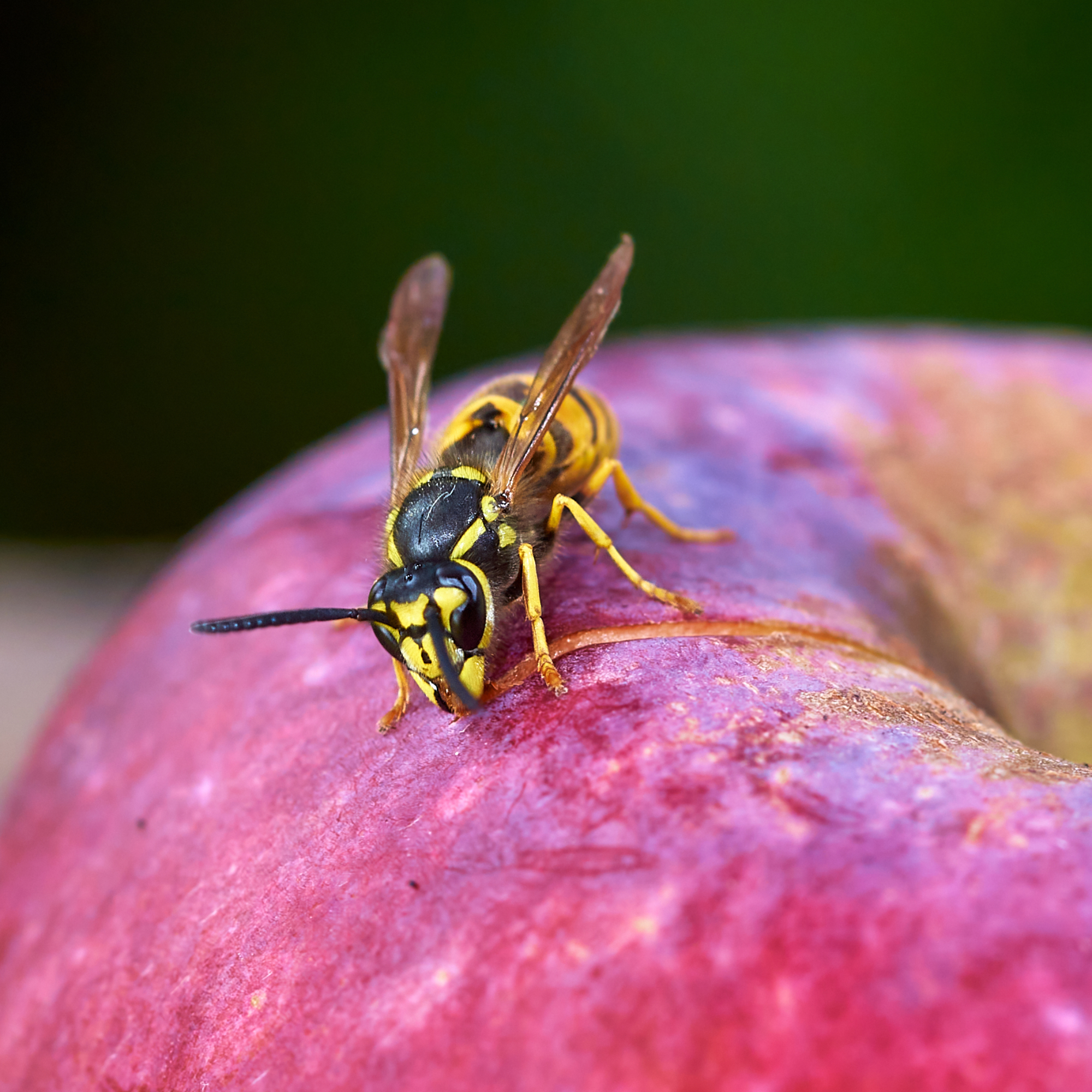
Credit: www.gardeningknowhow.com
Natural Control Methods
Tent caterpillars can damage tall trees by eating their leaves. Using natural control methods helps keep them away safely.
These methods protect trees without harmful chemicals. They support the environment and long-term tree health.
Encouraging Beneficial Predators
Many animals eat tent caterpillars. Birds, wasps, and spiders help control their numbers naturally.
- Invite birds by placing birdhouses near trees.
- Avoid using insecticides that kill helpful insects.
- Plant flowers that attract parasitic wasps and predatory bugs.
- Keep the garden clean to support spiders and other predators.
Applying Biological Pesticides
Biological pesticides use natural agents to fight tent caterpillars. These are safe for trees and other wildlife.
Bacillus thuringiensis (Bt) is a common biological pesticide. It kills caterpillars but does not harm people or pets.
- Spray Bt on tree leaves early in the caterpillar stage.
- Follow package instructions carefully for best results.
- Repeat application if caterpillars return.
Promoting Tree Health Naturally
Healthy trees resist pests better. Good care helps trees recover from caterpillar damage.
| Care Practice | Benefit |
| Water deeply during dry periods | Reduces stress and strengthens roots |
| Mulch around tree base | Keeps soil moist and cool |
| Prune dead or weak branches | Improves air flow and growth |
| Use natural fertilizers | Supports strong leaf and branch growth |
Chemical Treatment Options
Tent caterpillars can harm tall trees by eating their leaves. Using chemicals is one way to control them. This guide explains safe and effective chemical treatments.
Chemical treatment helps reduce caterpillar numbers quickly. It works best when done with care and at the right time.
Selecting Appropriate Insecticides
Choose insecticides that target tent caterpillars but are safe for trees. Look for products labeled for caterpillar control on trees. Common options include Bacillus thuringiensis (Bt) and spinosad.
Avoid broad-spectrum insecticides that harm beneficial insects. Read the label to check if the product suits tall trees and your area.
Safe Application Practices
Wear gloves and protective clothing when applying chemicals. Use a sprayer that reaches high branches without climbing. Spray on a calm day to avoid drift.
- Follow the insecticide label instructions carefully
- Do not spray near water sources
- Avoid spraying during windy or rainy weather
- Keep children and pets away during application
Timing For Maximum Effect
Apply insecticides early when caterpillars are small. Young caterpillars are easier to kill with chemicals. Treat before tents fully form for better results.
Check your trees regularly in spring. Repeat treatment if needed, following label instructions for safe intervals.

Credit: www.canr.msu.edu
Preventive Strategies
Tent caterpillars can harm tall trees by eating leaves. Stopping them early helps keep trees healthy.
Using preventive strategies protects trees before caterpillars cause damage. These steps help control their spread.
Regular Tree Inspections
Check your trees often for signs of tent caterpillars. Early spotting helps stop big infestations.
Look for small silk tents in branches and chewed leaves. Inspect during spring when caterpillars hatch.
- Examine branches for webbing or egg masses
- Watch for leaf damage or missing leaves
- Use binoculars for tall tree inspection
- Note any unusual tree stress or thinning
Maintaining Tree Vigor
Strong trees resist pests better. Keep trees healthy with good care and watering.
Feed trees with proper nutrients and prune dead branches. Healthy trees recover faster from caterpillar damage.
- Water trees deeply during dry periods
- Apply mulch to keep roots cool and moist
- Prune to improve air flow and sunlight
- Use balanced fertilizer in early spring
Seasonal Care Tips
Follow seasonal care to reduce tent caterpillar problems. Timing helps control their life cycle.
Remove tents in late winter before caterpillars hatch. Keep trees healthy through summer and fall.
- Prune out egg masses in late winter
- Clear fallen leaves and debris in fall
- Monitor tree growth in spring and summer
- Apply organic treatments if needed early spring
When To Seek Professional Help
Tent caterpillars can harm tall trees if not controlled early. Sometimes, the infestation becomes too large to handle alone.
Knowing when to call a professional helps save your trees and stops the pests quickly. Experts have the right tools and knowledge for tough cases.
Signs Of Severe Infestation
Check your trees for heavy webbing on branches. Large groups of caterpillars eat many leaves fast.
Look for branches that appear bare or have dead leaves. This shows the caterpillars have damaged the tree a lot.
- Thick, large tents covering many branches
- Lots of caterpillars crawling on the tree
- Leaves missing or brown and dry
- Tree looks weak or unhealthy
Benefits Of Expert Intervention
Professionals remove caterpillars safely without hurting the tree. They use special sprays and tools made for tall trees.
Experts also know how to prevent future infestations. They can spot early signs and give advice on care.
- Safe and effective removal of caterpillars
- Access to equipment for tall trees
- Advice on protecting trees later
- Faster control of large infestations
Choosing A Tree Care Specialist
Pick a specialist with experience in pest control and tree health. Check if they are licensed and insured.
Ask about their methods and if they use safe products. Look for good reviews or ask for references.
- Experience with tent caterpillar removal
- Proper licenses and insurance
- Use of safe pest control products
- Positive customer feedback or references
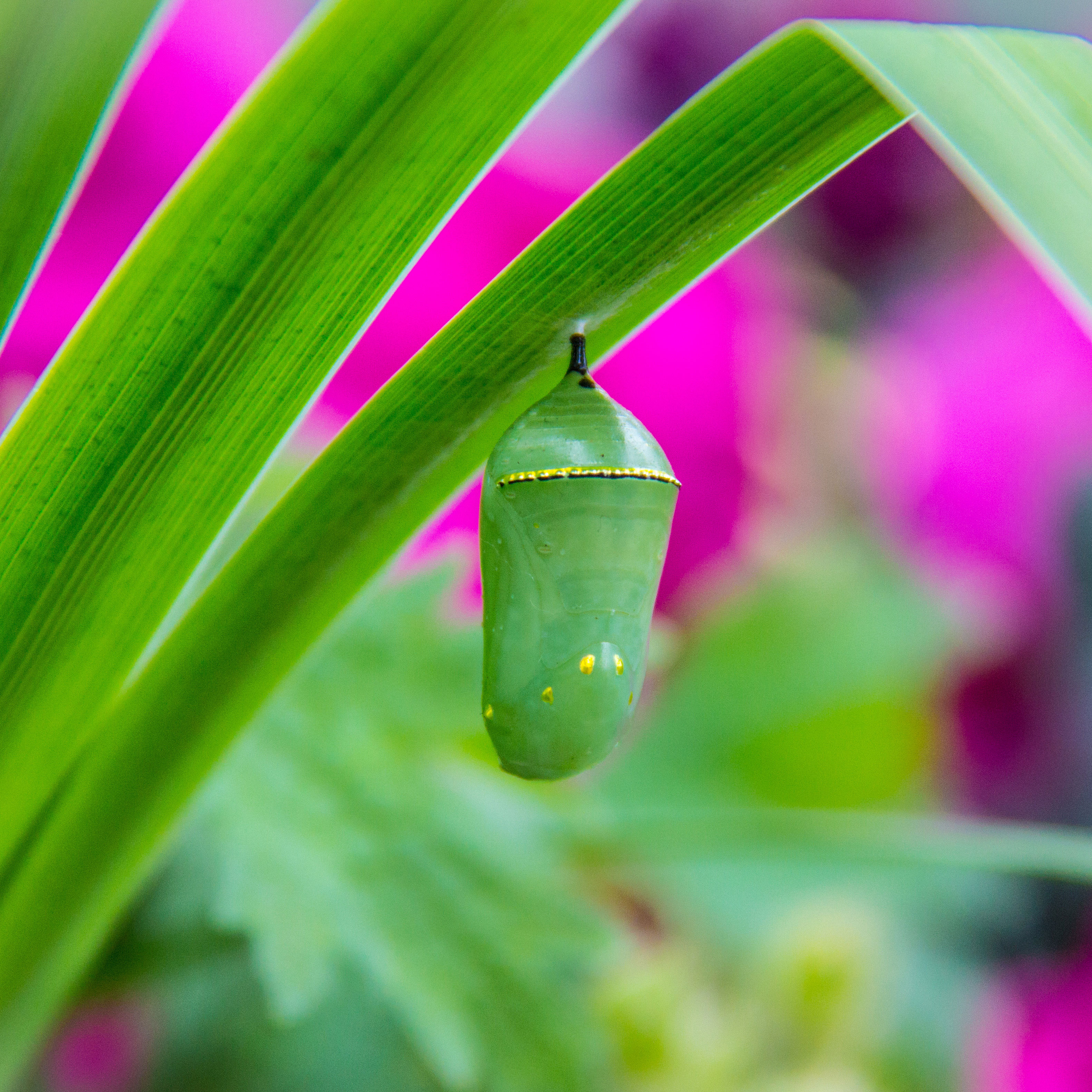
Credit: www.gardeningknowhow.com
Frequently Asked Questions
What Are Tent Caterpillars?
Tent caterpillars are tree-dwelling insects that form silk tents in branches. They are defoliators, meaning they consume tree leaves. This can lead to stress in trees, especially when infestations are large. They are most common in spring and early summer.
Managing them is essential to protect tree health.
How Can I Identify Tent Caterpillars?
Tent caterpillars are easily recognized by their silk webs in tree branches. The caterpillars are typically black with white stripes and blue spots. They are most visible in the morning and late afternoon. The presence of defoliated branches can also indicate a tent caterpillar infestation.
Are Tent Caterpillars Harmful To Trees?
Yes, tent caterpillars can harm trees by defoliating them. This weakens the tree, making it more susceptible to disease and other pests. While healthy trees can tolerate some defoliation, repeated infestations can lead to long-term damage. Managing caterpillar populations is crucial to maintaining tree health.
What Are Natural Remedies For Tent Caterpillars?
Natural remedies include introducing predators like birds and beneficial insects. Handpicking caterpillars and destroying their tents can also be effective. Applying neem oil or insecticidal soap can deter them. It’s important to act early in the infestation cycle for best results.
Regular monitoring helps in early detection and control.
Conclusion
Controlling tent caterpillars in tall trees takes patience and care. Start early before they spread too much. Use safe methods like handpicking or natural sprays. Regular checks help catch new nests quickly. Protecting trees keeps them healthy and strong. Small steps make a big difference over time.
Stay consistent and watch your trees thrive. Keep your yard free from these pests for good. Simple actions help you win this battle.