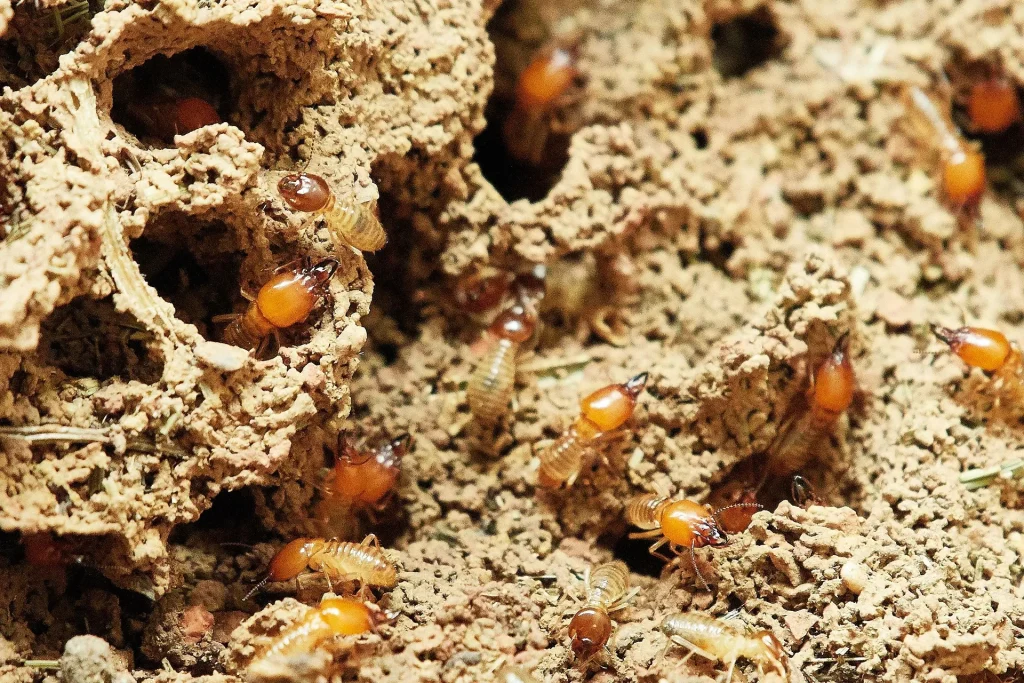
Termites can silently destroy your home, eating away at wood and causing costly damage. You might think that tenting your house is the only way to get rid of them, but what if there was a safer, simpler option?
If you want to protect your home without the hassle and expense of tenting, keep reading. This guide will show you effective ways to eliminate termites on your own, saving you time, money, and stress. Don’t let termites take control—take action now and keep your home strong.
Signs Of Termite Infestation
Termites can cause serious damage to your home. It’s important to know the signs of infestation early.
Spotting these signs can help you take action quickly. Learn how to identify them below.
Identifying Termite Damage
Termite damage can be hidden in walls or floors. Look for these indicators.
- Hollow-sounding wood when tapped
- Cracked or bubbling paint
- Wood that appears darkened or blistered
- Walls that sound hollow
Common Termite Entry Points
Termites often enter through small cracks and gaps. Knowing these entry points can help in prevention.
| Entry Point | Description |
| Foundation Cracks | Small gaps in concrete or brick foundations |
| Attic Vents | Openings for ventilation that may not be sealed |
| Gaps in Windows | Spaces around poorly sealed windows |
| Basement Walls | Cracks or holes in basement walls |
Detecting Swarmers And Mud Tubes
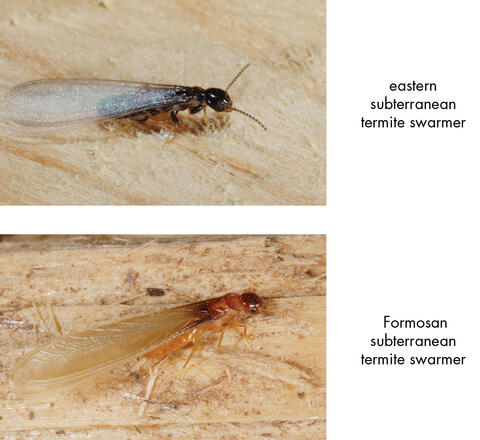
Swarmers are winged termites. They indicate a nearby colony. Mud tubes are another sign of activity.
Credit: extension.msstate.edu
Natural Termite Treatments
Termites can cause serious damage to wood in your home. You can fight them without using harmful chemicals or tenting. Natural treatments are safe and effective.
These treatments target termites directly and help protect your home naturally. Learn about using orange oil, boric acid, and nematodes to control termites.
Using Orange Oil
Orange oil comes from orange peels and contains a chemical called d-limonene. This oil kills termites on contact by breaking down their outer shell.
You can apply orange oil directly into termite holes or wood damage areas. It works best for small, localized infestations.
- Drill small holes where termites are active.
- Inject orange oil into the holes using a syringe.
- Repeat treatment every few days until termites stop appearing.
- Avoid overuse to protect beneficial insects.
Applying Boric Acid
Boric acid is a natural mineral powder that kills termites by damaging their stomach and nervous system. It is safe for humans and pets when used carefully.
You can apply boric acid as a powder or mix it with water to spray on infested wood. It stops termites from eating and spreading.
- Sprinkle boric acid powder on termite nests or tunnels.
- Use a spray bottle for liquid boric acid on wood surfaces.
- Wear gloves to avoid skin contact.
- Apply regularly for best results.
Nematodes For Termite Control
Nematodes are tiny, natural worms that eat termites. They enter termite bodies and kill them from inside. These worms live in soil and do not harm plants or people.
You can buy nematodes in liquid form and spray them where termites live. They search out termites and reduce their numbers naturally.
- Mix nematodes with water as directed on the package.
- Spray the mixture on termite-infested soil or wood.
- Keep the area moist to help nematodes survive.
- Repeat every few weeks for long-term control.
Chemical Solutions Without Tenting
Termites cause serious damage to homes. Tenting is a common way to treat them. You can also use chemical solutions that do not need tenting. These options are safer and less disruptive.
This guide covers three chemical treatments to get rid of termites without tenting. Learn about liquid termiticides, termite baits and traps, and foam treatments.
Liquid Termiticides
Liquid termiticides create a barrier in the soil around your home. This stops termites from entering or kills them if they cross it. The treatment lasts for years if done right.
Licensed professionals usually apply these chemicals by drilling small holes around the foundation. The liquid is then injected deep into the soil.
Termite Baits And Traps
Termite baits attract termites to a poisoned food source. The termites carry the poison back to their colony. Over time, this kills the entire colony.
- Place bait stations around your home’s perimeter.
- Check the stations regularly for termite activity.
- Replace bait as needed to keep termites feeding.
- Be patient, as this method takes weeks to months.
Foam Treatments
Foam termiticides reach places liquid treatments cannot. They expand and fill cracks, wood voids, and wall cavities. This makes foam good for treating active termite nests inside structures.
| Advantages | Details |
| Penetration | Fills hard-to-reach spaces easily |
| Effectiveness | Kills termites in hidden nests |
| Safety | Less chemical used than liquid treatments |
| Application | Requires professional handling |

Credit: www.angi.com
Diy Prevention Techniques
Termites can cause serious damage to your home. You can stop them without using tenting. Simple prevention steps help keep termites away.
By making small changes around your house, you reduce the chance of termite problems. Focus on controlling moisture, sealing entry points, and improving airflow.
Reducing Moisture Around Home
Termites love damp places. Fix leaks and avoid water buildup near your home. Keep gutters clean to prevent water from pooling.
Use gravel or concrete around your foundation. This stops soil from staying wet and attracting termites.
- Repair leaking pipes and faucets quickly
- Direct downspouts away from your foundation
- Keep soil and mulch at least 6 inches from wood parts
Sealing Cracks And Holes
Termites enter homes through small cracks and gaps. Check your walls, doors, and windows for openings. Seal all holes with caulk or foam.
Make sure vents and pipes have proper covers. This blocks termite access points and protects your home.
- Inspect foundation walls for cracks
- Use weatherproof sealants on gaps
- Cover vents with fine mesh screens
Maintaining Proper Ventilation
Good airflow reduces moisture and keeps areas dry. Check crawl spaces and attics for proper ventilation. Use fans or vents if needed.
Clear away debris near vents and avoid blocking air paths. Dry spaces are less attractive to termites.
- Install vent covers that allow air but keep pests out
- Keep vents clear of leaves and dirt
- Use dehumidifiers in damp areas
Tools And Safety Tips
Getting rid of termites without tenting requires the right tools and careful safety measures. Using proper equipment helps you treat the problem effectively.
Safety is very important during termite treatment. Wearing protective gear and following safe practices protects your health and home.
Essential Equipment For Treatment
You need specific tools to apply termite treatments properly. These tools help reach termite nests and apply chemicals safely.
- Termiticide sprayer or injection tool
- Protective gloves and goggles
- Soil injector for ground treatments
- Flashlight to inspect dark areas
- Measuring cup for chemicals
- Long-handled brush or applicator
Protective Gear Recommendations
Wear protective gear to avoid contact with harmful chemicals. This gear keeps your skin, eyes, and lungs safe during treatment.
| Protective Item | Purpose |
| Gloves | Protect hands from chemicals |
| Goggles | Shield eyes from splashes |
| Mask or Respirator | Prevent inhaling fumes |
| Long-sleeve Clothing | Cover skin completely |
| Boots | Protect feet and ankles |
Safe Application Practices
Follow safe steps when applying termite treatments. Proper use lowers risks and improves results.
- Read all chemical instructions carefully before use.
- Apply treatments in well-ventilated areas.
- Keep children and pets away during and after treatment.
- Wear full protective gear at all times.
- Use correct amounts of chemicals to avoid overdose.
- Dispose of leftover chemicals safely according to guidelines.
When To Call A Professional
Termites can cause serious damage to your home if not controlled. You might try some DIY methods first. Sometimes, the problem is too big for home treatments.
Knowing when to call a professional can save your house and money. Experts have tools and knowledge to handle tough termite problems.
Signs Of Severe Infestation
Look for many signs that show termites have spread a lot in your home. These signs mean you need expert help right away.
- Wood that sounds hollow when tapped
- Visible mud tubes on walls or foundations
- Swarmers (winged termites) inside the house
- Cracked or bubbling paint on wood surfaces
- Damaged doors or windows that stick or won’t close
Limitations Of Diy Methods
DIY termite treatments can work for small problems. They often use sprays, baits, or powders found in stores.
These methods may not reach all termites or stop the colony. Termites live deep inside wood or underground, which is hard to treat alone.
- DIY products may not kill all termites
- Hidden colonies can keep growing
- Incorrect use can waste time and money
- Safety risks with chemicals if not used properly
Choosing A Pest Control Expert
Find a termite expert who knows local termite types and conditions. A good professional will inspect your home carefully.
They should explain their treatment plan and offer a warranty. Check reviews or ask friends for trusted companies.
- Look for licensed and insured pest control companies
- Ask about their experience with termite control
- Request a detailed inspection report
- Compare prices and treatment options
- Check for customer feedback and satisfaction

Credit: www.angi.com
Frequently Asked Questions
How Can I Get Rid Of Termites Without Tenting?
You can use liquid termite treatments, termite baits, or natural remedies. These methods target termites directly without the need for tenting your home.
Are Termite Baits Effective Alternatives To Tenting?
Yes, termite baits are effective for controlling termites. They attract and poison the colony gradually, reducing termite activity without harmful chemicals.
What Natural Methods Kill Termites Without Tenting?
Natural methods include orange oil, neem oil, and beneficial nematodes. These options are eco-friendly and can eliminate termites safely without tenting.
How Long Does Termite Treatment Without Tenting Take?
Treatment duration varies but generally takes 1 to 4 weeks. Regular monitoring ensures termites are fully eradicated without the need for tenting.
Conclusion
Termites can cause serious damage if left untreated. Using safe, effective methods helps protect your home. Regular checks catch problems early and save money. Treating termites without tenting is possible with patience. Combining natural and chemical solutions works best. Keep your home dry and clean to prevent infestations.
Act quickly to stop termites from spreading further. Your home deserves careful, ongoing care. Simple steps can keep termites away for good.