Have you ever noticed a stubborn smell lingering on your wooden cutting board, no matter how much you wash it? That unpleasant odor can make your cooking experience less enjoyable and even affect the taste of your food.
But don’t worry—getting rid of that smell is easier than you think. You’ll discover simple, effective ways to refresh your wooden cutting board and keep it smelling clean. Keep reading, and say goodbye to those unwanted odors for good.
Credit: www.thekitchn.com
Causes Of Odors On Wooden Boards
Wooden cutting boards can hold smells even after washing. These odors come from many sources. Knowing these causes helps keep your board fresh.
Wood is porous. It can absorb liquids and tiny food particles. These trapped bits create bad smells over time.
Food Residue Stuck In Wood
Small pieces of food can hide in the wood grain. Strong-smelling foods like garlic, onion, or fish cause lasting odors. Cleaning may not remove all residue.
Moisture Trapped Inside
Wood absorbs water during washing or cutting wet foods. If the board does not dry well, moisture stays inside. This wetness helps bacteria and mold grow, causing smells.
Bacterial Growth
Bacteria live on wooden boards, especially in cracks and cuts. They break down food leftovers and create odors. Warm, damp conditions speed up this process.
- Cut marks trap food particles
- Moisture supports bacteria growth
- Improper drying increases odor risk
Mold And Mildew Development
When wooden boards stay damp, mold or mildew may form. These fungi have strong, unpleasant smells. Mold can also damage the wood over time.
| Cause | Description | Effect |
| Food Residue | Small food bits stuck in wood grain | Strong odors from pungent foods |
| Trapped Moisture | Water absorbed and not dried out | Promotes bacteria and mold growth |
| Bacteria | Microorganisms breaking down food | Produces bad smells |
| Mold | Fungal growth on damp wood | Musty odor and wood damage |
Quick Cleaning Methods
Wooden cutting boards can absorb smells from foods. Regular cleaning helps keep them fresh. Using natural ingredients is safe and effective.
Here are some quick ways to remove odors using items you might already have at home. These methods are simple and require minimal effort.
Using Lemon And Salt
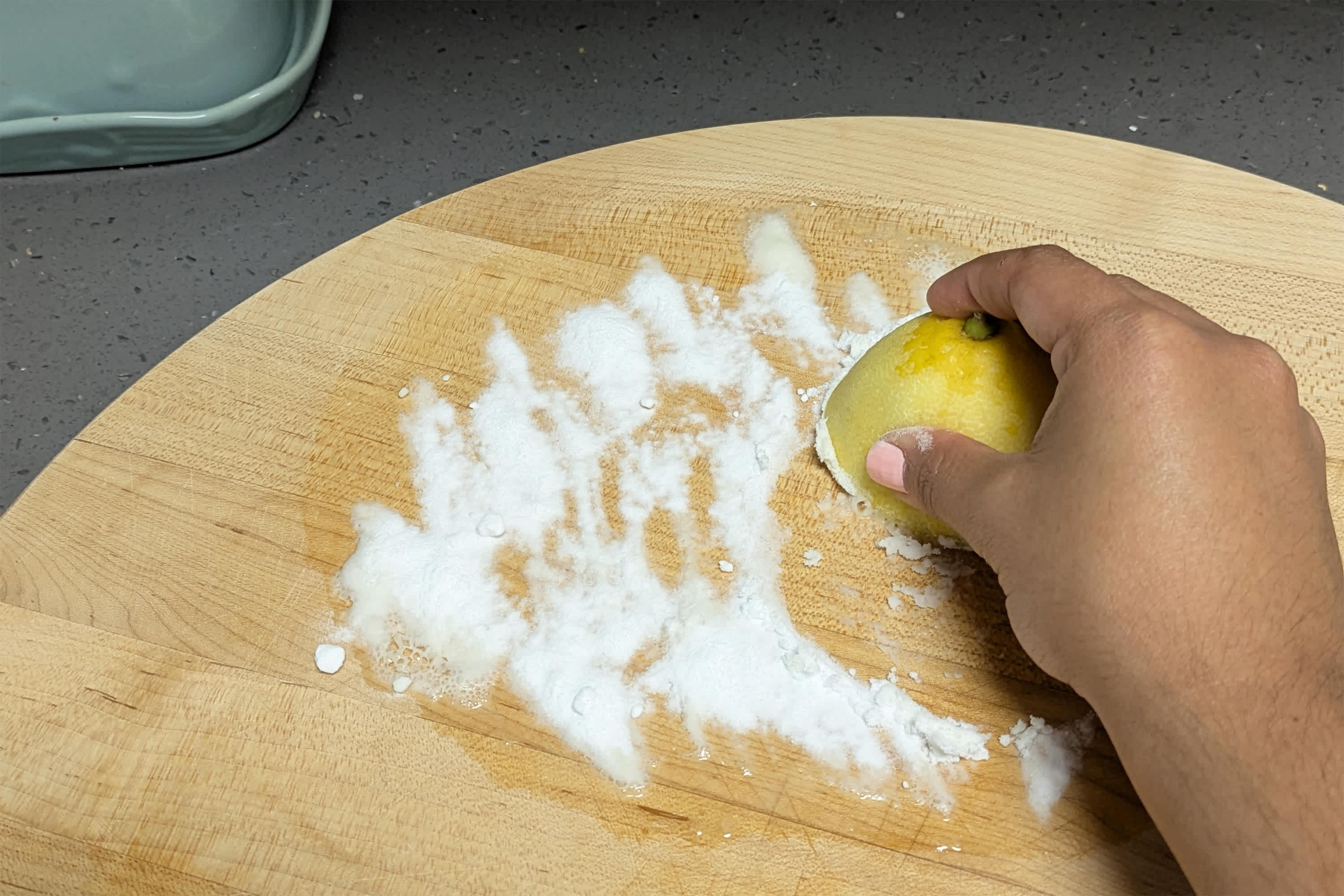
Cut a lemon in half and sprinkle salt on the board. Rub the lemon over the board with the cut side down. The salt helps scrub away residue.
Rinse the board with warm water. Let it dry in a standing position. This helps prevent moisture from damaging the wood.
Baking Soda Paste
Mix baking soda with water to form a paste. Apply the paste to the board and scrub gently. Baking soda is a natural deodorizer.
Rinse the board thoroughly with warm water. Let it air dry. This method is great for tough smells.
Vinegar Rinse
Pour white vinegar over the cutting board. Vinegar is a natural cleaner and can remove odors effectively. Let it sit for a few minutes.
Rinse with warm water and dry the board. Vinegar helps kill bacteria and keeps your board smelling fresh.
Deep Cleaning Techniques
Wooden cutting boards can hold strong smells even after washing. Deep cleaning helps remove these odors and keeps the board fresh.
This guide shows two effective ways to clean your wooden cutting board deeply and get rid of bad smells.
Hydrogen Peroxide Treatment
Hydrogen peroxide kills odor-causing bacteria and cleans stains from wood. It is safe and easy to use on cutting boards.
- Pour 3% hydrogen peroxide over the board’s surface.
- Spread it evenly using a clean cloth or sponge.
- Let it sit for 5 to 10 minutes to work on bacteria and smells.
- Rinse the board with warm water and dry it well with a towel.
- Repeat if the smell remains strong.
Activated Charcoal Method
Activated charcoal absorbs odors and moisture from wood. It is natural and safe for deep cleaning.
| Step | Action |
|---|---|
| 1 | Place a few pieces of activated charcoal in a breathable cloth bag. |
| 2 | Put the bag on the wooden cutting board surface. |
| 3 | Leave it for 24 hours to absorb smells and dampness. |
| 4 | Remove the charcoal bag and air out the board before use. |

Credit: www.souschef.co.uk
Preventing Future Smells
Keeping your wooden cutting board fresh is important. Smells can build up if you do not care for it properly.
Use simple habits to stop odors before they start. This will keep your board clean and safe for food.
Proper Drying Tips
Dry your cutting board completely after washing. Water left on the board can cause smells and cracks.
- Use a clean towel to wipe off water right after washing.
- Stand the board upright to let air flow on all sides.
- Do not leave the board flat on the counter while wet.
- Avoid putting the board away in a closed space until fully dry.
Regular Oil Conditioning
Oiling your board protects the wood and stops odors from soaking in. It also prevents the board from drying out.
| Type of Oil | How Often to Apply |
| Food-grade mineral oil | Once a month |
| Beeswax-based conditioner | Every 2-3 months |
| Coconut oil (refined) | Once a month |
When To Replace Your Board
Wooden cutting boards can last a long time with proper care. Still, some signs show it is time to get a new board. Knowing when to replace your board helps keep your kitchen safe and clean.
Old or damaged boards can hold bacteria and odors that are hard to remove. This guide helps you spot when your wooden cutting board needs replacing.
Deep Cracks And Cuts
Look closely at your board for deep cracks or cuts. These can trap food and germs inside. When cracks are deep, they are hard to clean fully. This is a good sign to replace the board.
Persistent Odors
Sometimes, smell stays in the wood even after cleaning. If your board keeps smelling bad, it may be time to buy a new one. Odors mean bacteria can hide in the wood.
Warping And Splitting
Warped or split boards do not sit flat and are unsafe for cutting. Water damage or poor drying can cause this. Replace your board if it no longer lies flat or has splits.
Signs Of Mold Or Mildew
Mold or mildew growth on your board is a serious problem. Even if you clean it, mold can hide deep in the wood. Replace the board if you see any mold spots.
Wood Type And Age Table
| Wood Type | Average Lifespan | Replacement Signs |
|---|---|---|
| Maple | 5-10 years | Deep cracks, warping |
| Walnut | 7-12 years | Persistent odors, splitting |
| Bamboo | 3-7 years | Mold, deep cuts |
| Cherry | 5-8 years | Warping, mold spots |

Credit: ca.style.yahoo.com
Frequently Asked Questions
How To Remove Odors From A Wooden Cutting Board?
To remove odors, sprinkle baking soda on the board. Rub with lemon juice and let sit for 10 minutes. Rinse with warm water and dry thoroughly. This method neutralizes smells and cleans naturally without harsh chemicals.
Can Vinegar Eliminate Smells From Wooden Cutting Boards?
Yes, white vinegar is effective. Wipe the board with vinegar, let it sit for 5 minutes, then rinse. Vinegar kills bacteria and neutralizes odors, keeping your cutting board fresh and safe to use.
Is Lemon Juice Safe For Deodorizing Wooden Boards?
Absolutely. Lemon juice naturally disinfects and deodorizes. Rub half a lemon over the board, let it sit for 10 minutes, then rinse. It removes odors and adds a fresh scent without damaging the wood.
How Often Should I Deodorize My Wooden Cutting Board?
Deodorize your board after cutting strong-smelling foods like garlic or fish. Regular cleaning with soap and water is enough otherwise. Treating odors promptly keeps the board hygienic and odor-free.
Conclusion
Getting rid of smells from wooden cutting boards is simple. Use common household items like lemon, salt, or baking soda. Clean the board well after every use to avoid odors. Dry the board completely to stop bacteria growth. Regular care keeps your cutting board fresh and safe.
Now, you can enjoy cooking without worrying about bad smells. Try these easy steps and see the difference yourself!