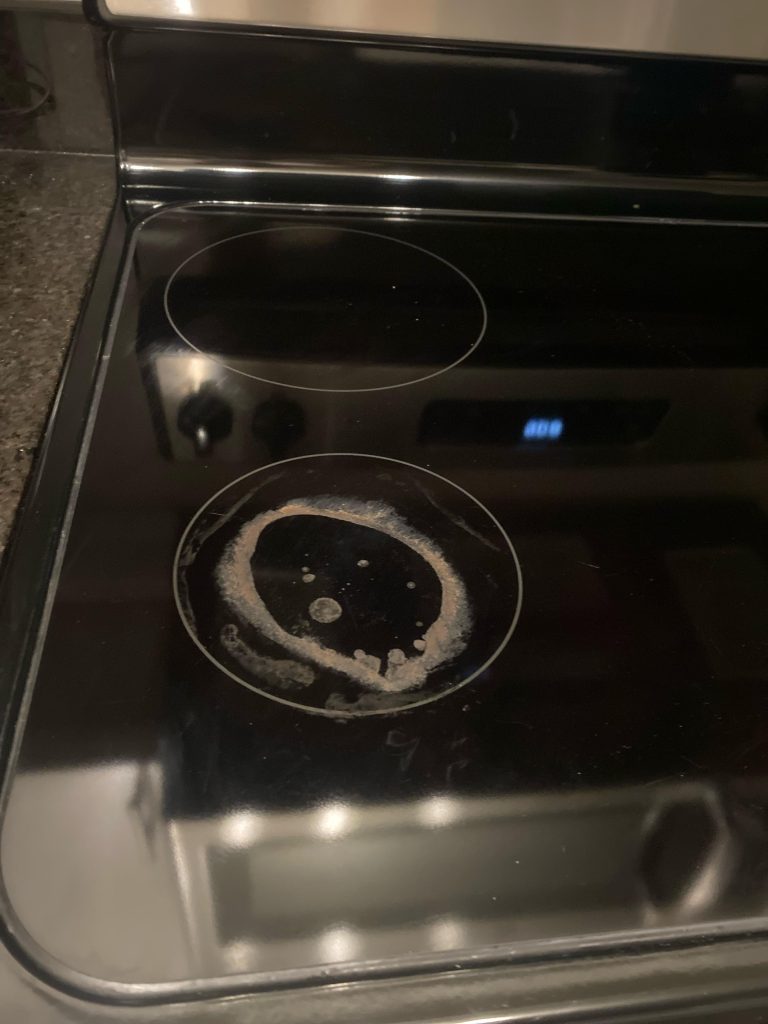
Are stubborn stains on your glass cooktop driving you crazy? You’re not alone.
Many of us love the sleek look of a glass cooktop, but keeping it spotless can be a real challenge. Those unsightly marks can ruin the look of your kitchen and make you feel frustrated every time you cook. But don’t worry – you can restore your cooktop’s shine with a few simple tricks.
Imagine walking into your kitchen to see a gleaming, spotless cooktop, making your entire space feel fresh and inviting. By learning how to tackle those pesky stains effectively, you’ll not only improve the appearance of your kitchen but also enhance your cooking experience. Ready to discover the secrets to a sparkling glass cooktop? Let’s dive in and make your cleaning routine easier and more rewarding.
Common Stains On Glass Cooktops
Glass cooktops are elegant and easy to clean, but they attract various stains that can dull their shine. Understanding the types of stains you might face helps you tackle them effectively. Recognizing the stain type is the first step toward restoring your cooktop’s pristine look.
Burnt-on Food Residue
Burnt-on food residue is one of the most common and stubborn stains on glass cooktops. It happens when food spills and overheats, hardening into a crust that’s tough to remove. Have you ever tried scraping it off only to worry about scratching the surface?
Using a razor scraper carefully can lift most of the residue. Always ensure the cooktop is cool before attempting this to avoid burns and cracks. A gentle cleaner can then finish the job, leaving your cooktop spotless.
Water Spots And Mineral Deposits
Water spots and mineral deposits form when water evaporates and leaves behind minerals. This is especially common if you use hard water for cleaning. These spots may look harmless but can build up and cloud your cooktop’s surface over time.
Vinegar or a specialized glass cleaner breaks down these minerals quickly. Wiping with a soft cloth prevents further scratches. Have you noticed these spots after cleaning? It’s a sign to switch to distilled water or dry the surface promptly.
Grease And Oil Stains
Cooking often splatters grease and oil onto your glass cooktop, creating shiny, sticky stains. These stains attract dust and dirt, making your cooktop look messy even after cleaning. Oil stains can be slippery, so don’t ignore them.
Warm soapy water and a microfiber cloth usually do the trick for fresh stains. For older stains, a degreaser or baking soda paste helps lift the grease without scratching. How often do you clean your cooktop after cooking greasy meals?
Scratches And Etching
Scratches and etching are not stains but damage that affects your cooktop’s appearance. Scratches come from abrasive cleaning tools or dragging heavy pots. Etching results from harsh chemicals reacting with the glass surface, leaving dull marks.
You can minimize scratches with a polishing compound designed for glass cooktops. Avoid abrasive pads and harsh cleaners to prevent etching. Have you checked if your cleaning tools are safe for glass surfaces?

Credit: www.reddit.com
Essential Cleaning Tools
Cleaning a glass cooktop needs the right tools for the best results. Using proper tools helps remove stains without scratching the surface. Picking safe and effective items keeps your cooktop shiny and new.
Each tool plays a special role in cleaning. Some soften tough spots, others scrape off burnt food, and some polish the glass. Choosing the right tools makes the job easier and faster.
Soft Scrubbers And Sponges
Soft scrubbers and sponges clean without scratching the glass. They remove light stains and spills gently. Use non-abrasive scrubbers to avoid damage. Sponges with a soft side and a scrub side work well.
Razor Scraper Use
A razor scraper clears burnt food and stubborn stains. Hold it at a 45-degree angle to avoid scratches. Use gentle pressure and scrape carefully. Keep the blade clean and sharp for best results.
Microfiber Cloths
Microfiber cloths polish and dry the cooktop. They trap dust and grease easily. Use them to buff the surface after cleaning. Microfiber cloths leave no streaks or lint behind.
Specialized Cooktop Cleaners
Specialized cooktop cleaners dissolve grease and stains effectively. They are made for glass surfaces and safe to use. Apply a small amount and wipe with a soft cloth. These cleaners protect the cooktop and restore shine.
Quick Cleaning Techniques
Keeping your glass cooktop spotless doesn’t have to be a chore. Quick cleaning techniques can save you time and prevent stubborn stains from setting in. Let’s dive into some practical ways to maintain that shiny surface every day.
Daily Wiping Tips
Wiping your cooktop daily is the easiest way to avoid tough stains. Use a soft, damp cloth or a microfiber towel to remove spills and crumbs right after cooking. Avoid abrasive scrubbers that can scratch the glass.
Try adding a drop of mild dish soap to warm water for better grease removal. This simple habit prevents buildup and keeps your cooktop looking new. Have you noticed how a quick wipe often stops stains before they start?
Spot Cleaning For Fresh Stains
Fresh stains respond best to immediate attention. Gently scrub spots with a non-abrasive sponge soaked in warm, soapy water. For sticky residues, let the soapy water sit for a minute before wiping.
If you find burnt-on food, use a plastic scraper designed for glass cooktops to lift it off. Be careful not to apply too much pressure. What’s your go-to trick when a quick wipe doesn’t cut it?
Using Vinegar And Baking Soda
Vinegar and baking soda make a powerful cleaning duo for tougher stains. Spray white vinegar directly onto the cooktop and let it sit for a few minutes. The vinegar breaks down grease and grime effectively.
Sprinkle baking soda over the vinegar and watch it fizz—this reaction helps lift stubborn marks. After a short wait, wipe the surface clean with a damp cloth. This natural solution is gentle yet surprisingly effective, and you probably already have these ingredients at home.

Credit: www.reddit.com
Removing Tough Stains
Removing tough stains from a glass cooktop can be tricky. These stains often come from burnt food, sticky spills, or grease buildup. Each type needs a special approach to restore the cooktop’s shine and cleanliness. Using the right tools and techniques helps avoid scratches and damage.
Dealing With Burnt Residue
Burnt residue sticks hard to the glass surface. Start by letting the cooktop cool completely. Use a plastic scraper gently to lift off the burnt bits. Avoid metal tools that can scratch the glass. Next, apply a special cooktop cleaner or a paste made from baking soda and water. Let it sit for 10 minutes. Then, wipe with a soft cloth in circular motions. Repeat if needed until the residue fades.
Handling Sticky Spills
Sticky spills often come from sugary or syrupy foods. Soak a clean cloth in warm, soapy water and place it over the spill for 5 to 10 minutes. This softens the sticky mess. Gently scrub the area with a non-abrasive sponge. Rinse with clean water and dry with a microfiber cloth. This removes the stickiness without harming the glass.
Treating Stubborn Grease
Grease can build up over time and leave a film on the cooktop. Use a degreaser made for kitchen surfaces or mix equal parts vinegar and water in a spray bottle. Spray the solution on the greasy areas. Let it sit for a few minutes. Wipe away with a soft cloth or paper towel. For heavy grease, repeat the process or use a baking soda scrub. Always finish by wiping the surface dry to avoid streaks.
Preventive Care Tips
Keeping your glass cooktop spotless and free from stains starts well before any cleaning session. Preventive care is key to avoiding stubborn marks that can ruin the sleek look of your appliance. By adopting simple habits and protection methods, you can save yourself time and effort while extending the life of your cooktop.
Avoiding Scratches
Scratches on a glass cooktop not only look bad but can trap dirt and stains, making cleaning tougher. Always use cookware with smooth, flat bottoms. Avoid dragging pots or pans across the surface; instead, lift them when moving.
Think about the last time you noticed a scratch. Could it have been prevented by using softer cleaning tools? Swap harsh scrubbing pads for soft cloths or sponges designed for glass surfaces.
Regular Maintenance Routine
Waiting until spills harden makes stain removal a nightmare. Wipe down your cooktop after each use using a damp microfiber cloth and a gentle cleaner. This habit prevents buildup and keeps the surface shining.
Set a schedule for deeper cleaning—perhaps once a week—to tackle any tougher spots before they become permanent. Have you noticed how consistent care reduces your cleaning time dramatically?
Using Protective Cooktop Covers
Protective covers act as a barrier between your cooktop and potential messes like boiling over or utensil drips. They’re especially useful if you often cook meals that splatter or bubble over.
Choose covers made from heat-resistant materials that are easy to clean and fit well. These small investments can save you from stubborn stains and scratches, keeping your cooktop looking new longer.

Credit: www.reddit.com
When To Seek Professional Help
Sometimes stains on a glass cooktop cannot be cleaned with regular home methods. These situations need expert attention to avoid further damage. Knowing when to ask for professional help can save time and costs. It also ensures the cooktop remains safe to use.
Severe Damage Cases
Deep scratches or cracks on the surface are signs of severe damage. Stains that have burned into the glass and won’t come off with cleaning need expert care. Warped or melted areas can affect cooking and safety. Professionals have tools to assess and repair these issues properly. Trying to fix severe damage yourself may worsen the problem.
Glass Replacement Options
Sometimes cleaning is not enough, and the glass must be replaced. Professionals can offer replacement parts that fit your cooktop model. They ensure proper installation to keep the surface even and safe. Replacement can restore the cooktop’s look and function. It is often more cost-effective than buying a new appliance.
Frequently Asked Questions
How Do I Remove Tough Stains From A Glass Cooktop?
Use a scraper gently to lift burnt residue. Apply a specialized cooktop cleaner with a soft cloth. Buff in circular motions until stains vanish. Rinse with a damp cloth and dry thoroughly to avoid streaks.
What Household Items Clean Glass Cooktop Stains Effectively?
Baking soda and vinegar work well on stains. Sprinkle baking soda on the cooktop, spray vinegar, and let it fizz. Wipe gently with a soft cloth, then rinse and dry for a spotless finish.
Can I Use Abrasive Cleaners On A Glass Cooktop?
No, avoid abrasive cleaners as they scratch the surface. Use non-abrasive, cooktop-specific cleaners or mild household solutions. Always clean with soft cloths or sponges to protect the glass from damage.
How Often Should I Clean My Glass Cooktop?
Clean the cooktop after every use to prevent stains. Wipe spills immediately once cooled. Regular cleaning maintains shine and avoids buildup, making stain removal easier over time.
Conclusion
Cleaning stains off your glass cooktop is simple with the right steps. Use gentle cleaners and soft cloths to protect the surface. Regular care keeps your cooktop looking clear and shiny. Avoid harsh tools to prevent scratches. A clean cooktop makes cooking more enjoyable.
Try these tips and see the difference yourself. Keep your kitchen neat and your cooktop spotless. Small efforts bring big results. Your glass cooktop deserves this care every day.