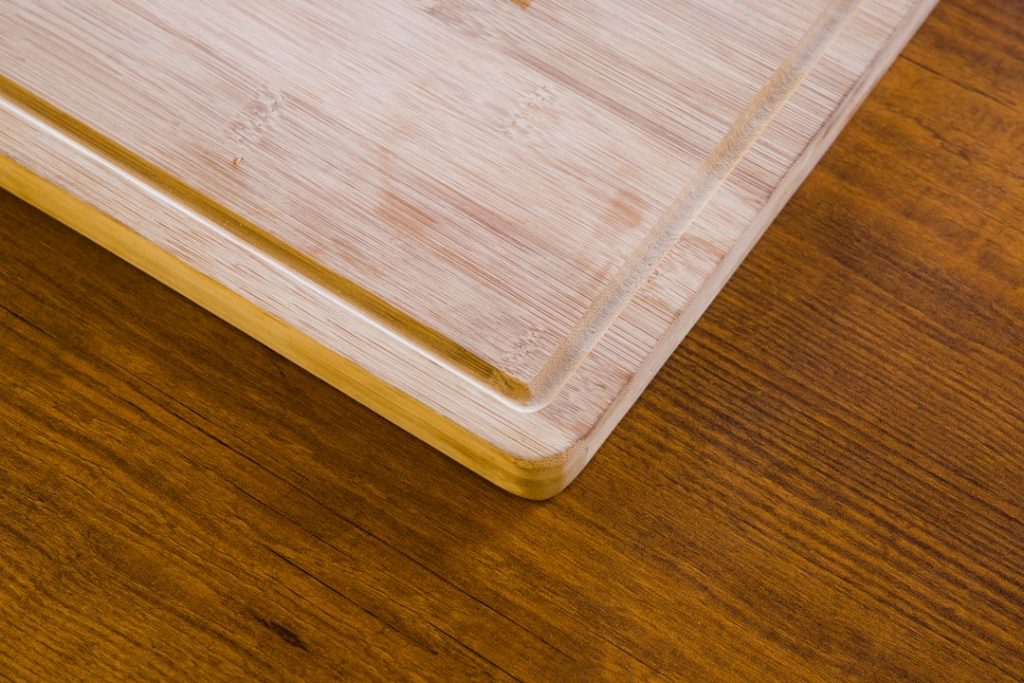
Do you have stubborn stains on your plastic cutting boards that just won’t go away? You’re not alone.
Over time, cutting boards can absorb colors and odors from fruits, vegetables, and meats, making them look old and worn out. But don’t worry—getting those stains off is easier than you think. You’ll discover simple, effective ways to restore your cutting boards to their clean, fresh state.
Keep reading, and you’ll learn tricks that save you time, money, and the hassle of buying new boards. Your kitchen—and your wallet—will thank you!
Credit: en.brilio.net
Common Stains On Plastic Boards
Plastic cutting boards often get stained from different foods. These stains can make boards look old and dirty.
Knowing what causes stains helps in cleaning them better. It also helps you avoid stains in the future.
Types Of Food Stains
Several types of food can leave marks on plastic boards. Some are harder to remove than others.
- Tomato sauce: Leaves red stains that soak into the plastic.
- Beets: Their deep color can stain quickly.
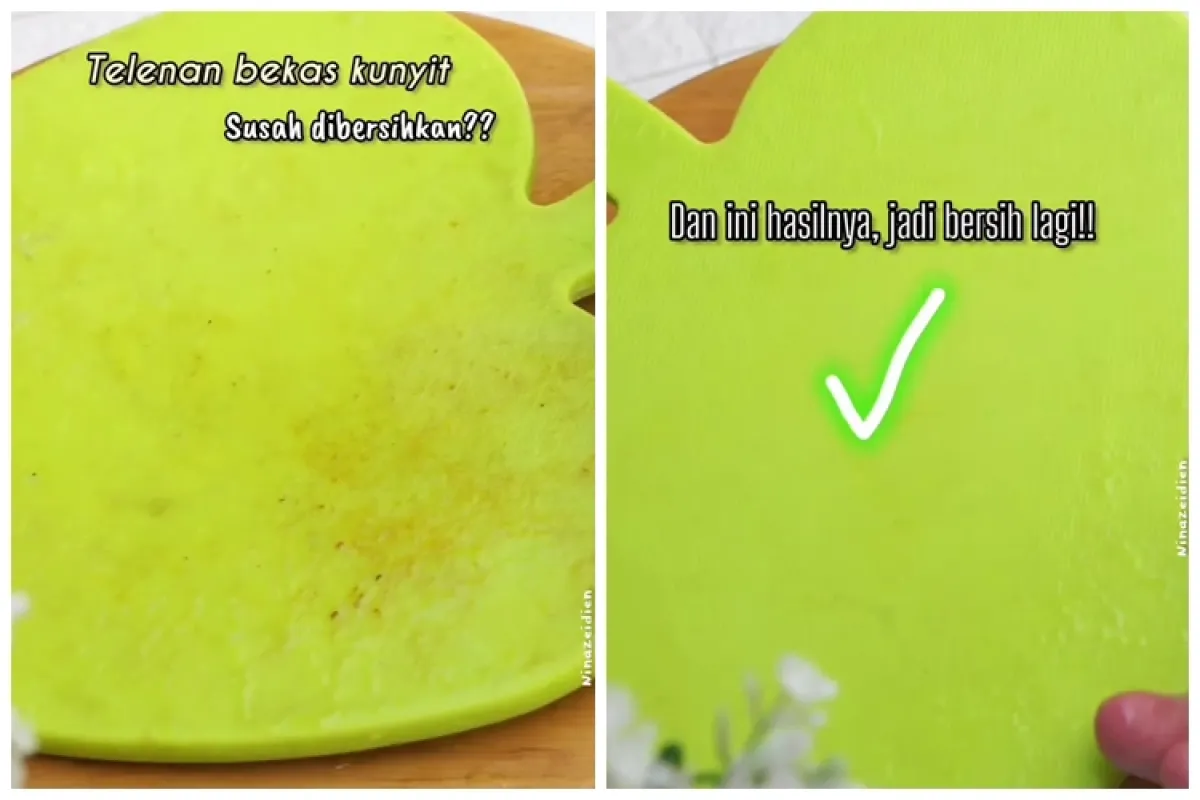
- Turmeric: A yellow spice that leaves bright stains.
- Carrots: Orange juice can cause discoloration.
- Berries: Blueberries and blackberries can leave dark spots.
- Spinach and other greens: Can leave greenish marks.
- Wine and juice: Dark liquids stain easily.
Causes Of Staining
Stains happen because some foods have strong colors or acids. These can soak into the plastic surface.
Plastic boards have tiny pores. These pores absorb oils and colors from food. Over time, stains build up.
- Plastic type: Some plastics absorb more than others.
- Heat: Warm foods help stains set deeper.
- Time: Longer contact means stronger stains.
- Cleaning: Not washing soon allows stains to stick.
Daily Cleaning Tips
Plastic cutting boards can get stained easily. Cleaning them daily helps keep stains away. It also keeps your kitchen safe and fresh.
Simple cleaning habits stop stains and prevent germs from spreading. Use easy steps to keep your cutting board clean every day.
Using Soap And Water
Wash your plastic cutting board with warm water and dish soap after each use. Use a sponge or brush to scrub the surface well.
Rinse the board thoroughly to remove all soap and food bits. Dry it fully before storing to stop bacteria growth and stains.
- Use hot water and a few drops of dish soap
- Scrub all sides and edges carefully
- Rinse with clean water until no soap remains
- Air dry or use a clean towel to dry
Avoiding Cross-contamination
Use separate cutting boards for meat, vegetables, and fruits. This stops germs from spreading between foods.
Clean boards right after use, especially after cutting raw meat. This reduces the risk of food poisoning and stains from raw juices.
- Label or color-code boards for different foods
- Wash boards thoroughly after cutting raw meat
- Do not share boards between raw and ready-to-eat foods
- Replace old boards with deep cuts or stains
Natural Stain Removal Methods
Plastic cutting boards often get stains from foods like beets or turmeric. You can clean these stains using natural ingredients. These options are safe and easy to find at home.
Using natural stain removers helps keep your cutting board fresh without harsh chemicals. Try these simple methods to remove stains effectively.
Baking Soda Paste
Baking soda is a gentle abrasive that lifts stains from plastic. Make a thick paste by mixing baking soda with water. Apply the paste to the stained area and let it sit.
After about 15 minutes, scrub the paste gently with a sponge or brush. Rinse the board with warm water and dry it. Repeat if stains remain.
- Mix 3 parts baking soda with 1 part water
- Spread paste on stains
- Wait 15 minutes before scrubbing
- Rinse and dry cutting board
Lemon And Salt Scrub
Lemon juice has natural bleaching power, and salt works as a scrub. Cut a lemon in half and sprinkle coarse salt on the cut side. Use the lemon to scrub the stained spots on the board.
The acid from the lemon helps break down stains. Salt scrubs away the color. Let the mixture sit for a few minutes before rinsing with warm water.
- Cut a lemon in half
- Sprinkle coarse salt on lemon
- Scrub stains with lemon and salt
- Wait 5 minutes, then rinse
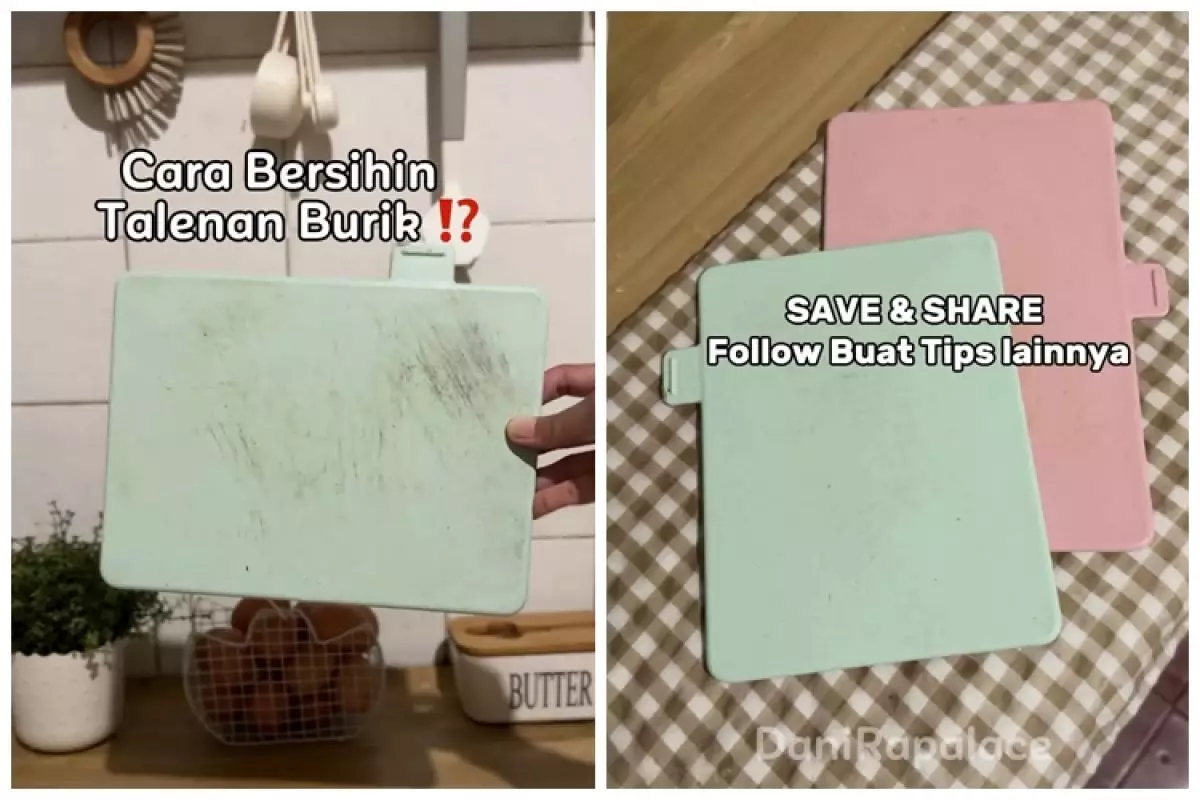
Vinegar Soak
White vinegar helps remove stains and odors from plastic boards. Fill your sink or a large bowl with enough vinegar to cover the cutting board. Soak the board in vinegar for 10 to 15 minutes.
After soaking, scrub the board with a sponge to lift stains. Rinse with warm water and dry. Repeat if needed for tough stains.
- Use white vinegar without dilution
- Soak cutting board for 10-15 minutes
- Scrub stains with a sponge
- Rinse and dry the board
Credit: en.brilio.net
Commercial Cleaning Products
Plastic cutting boards often get stains from foods like beets, tomatoes, and spices. Commercial cleaning products can help remove these stains quickly.
These products are designed to clean tough stains safely and effectively. Using them properly keeps your cutting board clean and ready for use.
Choosing The Right Cleaner
Pick a cleaner made for plastic surfaces. Avoid harsh chemicals that can damage the board.
Look for cleaners labeled as safe for kitchen use. Products with bleach or oxygen-based formulas work well on stains.
- Oxygen bleach cleaners remove stains without strong odors
- Non-abrasive cleaners protect the plastic surface
- Food-safe disinfectants kill germs and clean
- Avoid cleaners with harsh acids or solvents
Safe Usage Guidelines
Always read the product label before use. Follow the instructions carefully to avoid damage.
Wear gloves to protect your hands. Use the cleaner in a well-ventilated area.
- Apply cleaner with a soft sponge or cloth
- Let the product sit for the recommended time
- Rinse the board thoroughly with water
- Dry the board completely before storing
- Never mix different cleaning products together
Deep Cleaning Techniques
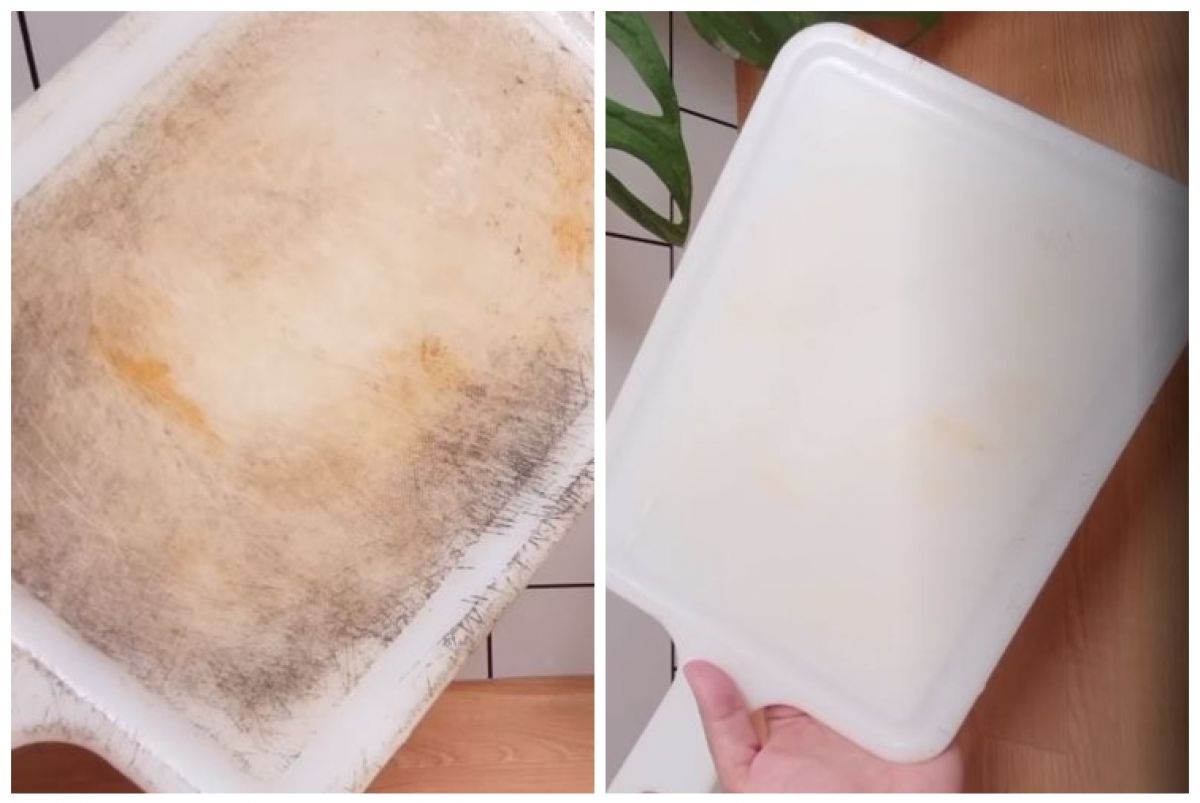
Plastic cutting boards can get stained from foods like tomatoes and beets. Regular washing may not remove tough stains. Deep cleaning can help restore your cutting board’s look.
Using safe cleaning solutions can remove stains and kill germs. Always clean cutting boards carefully to keep them safe for food use.
Bleach Solution Method
Bleach is a strong cleaner that can remove deep stains and kill bacteria. Use a diluted bleach solution to clean plastic boards safely.
Mix one tablespoon of bleach with one gallon of water. Soak the cutting board in this solution for a few minutes. Then rinse well with water.
- Wear gloves to protect your skin.
- Do not use bleach on wooden boards.
- Air dry the board fully before next use.
Hydrogen Peroxide Treatment
Hydrogen peroxide is a mild bleach alternative that works well on stains. It also kills bacteria and is safe for kitchen use.
Pour 3% hydrogen peroxide directly on the stain. Let it sit for 10 to 15 minutes. Then scrub with a brush and rinse with water.
- Use fresh hydrogen peroxide for best results.
- Do not mix with other cleaners.
- Store cutting board dry after cleaning.
Credit: en.brilio.net
Preventing Stains On Plastic Boards
Plastic cutting boards can get stains from foods like tomatoes and beets. Preventing these stains keeps your boards clean and safe.
Good habits help avoid stains and keep your cutting boards looking new for longer.
Proper Storage
Store plastic cutting boards in a dry place to prevent moisture buildup. Moisture can cause stains and damage the board.
Keep boards separated or upright to avoid contact with other kitchen items. This stops stains from spreading and keeps boards clean.
- Dry boards completely before storing
- Store boards upright to air out
- Keep boards away from colored items like knives or containers
- Use a clean, dry shelf or rack for storage
Regular Maintenance
Clean your cutting boards after every use to stop stains from setting. Use warm water and mild soap for best results.
Occasionally, scrub boards with baking soda or vinegar. This helps remove early stains and keeps boards fresh.
- Wash boards immediately after use
- Use soft scrubbers to avoid scratches
- Apply baking soda paste for tough stains
- Rinse well and dry thoroughly before storing
When To Replace Your Cutting Board
Plastic cutting boards often get stains from food and liquids. Cleaning can remove many stains, but boards wear out over time. Knowing when to replace your cutting board helps keep your kitchen safe and clean.
Replace your cutting board if it shows damage or if cleaning no longer makes it safe to use. This guide explains what to look for before deciding to get a new board.
Signs Of Wear And Tear
Cutting boards can get deep cuts and scratches after much use. These marks trap bacteria and make cleaning hard. Look closely for signs that your board is too worn.
- Deep grooves or cracks on the surface
- Warped or bent board shape
- Surface fading or discoloration
- Pieces of plastic chipping off
If you see these signs, your cutting board may no longer be safe. Replace it to avoid food contamination.
Health Considerations
Old cutting boards can hide germs even after cleaning. Bacteria grow in scratches and cracks, risking foodborne illness. Using a worn board can be unsafe for your health.
- Bacteria can hide in grooves and cuts
- Stains may mean lingering germs
- Cross-contamination is more likely
- Cleaning chemicals might not reach all areas
Replace cutting boards regularly to keep your food safe. New boards are easier to clean and less likely to spread germs.
Frequently Asked Questions
How Do You Clean Plastic Cutting Boards Naturally?
To clean plastic cutting boards naturally, use a mixture of baking soda and vinegar. Sprinkle baking soda on the board, then spray vinegar. Scrub gently with a brush. Rinse thoroughly with warm water. This method helps to remove stains and odors effectively, leaving the board fresh and clean.
Can Vinegar Remove Stains From Plastic Boards?
Yes, vinegar can effectively remove stains from plastic cutting boards. Its acidic nature helps to break down stains and disinfect the surface. Simply spray or pour vinegar onto the board, let it sit for a few minutes, then scrub and rinse.
This method is both eco-friendly and efficient.
Is Baking Soda Safe For Cutting Boards?
Baking soda is safe and effective for cleaning cutting boards. It acts as a mild abrasive to remove stains and neutralize odors. Simply sprinkle baking soda on the board, scrub with a damp sponge, and rinse. This natural cleaning agent leaves your cutting board fresh and stain-free.
How Often Should I Clean My Plastic Board?
It’s best to clean your plastic cutting board after each use. Regular cleaning prevents bacteria build-up and stains. For a deeper clean, use natural methods like baking soda or vinegar weekly. This ensures your cutting board remains hygienic and in good condition, prolonging its lifespan.
Conclusion
Stains on plastic cutting boards can be tough to remove. Use gentle scrubbing and natural cleaners like baking soda or lemon. Avoid harsh chemicals that may damage your board. Regular cleaning keeps your cutting board fresh and safe. Clean boards help prevent bacteria and keep food tasty.
Follow these simple tips to keep your kitchen tools looking good. A clean cutting board makes cooking easier and more enjoyable. Keep your kitchen neat with easy stain removal methods. Simple care goes a long way in kitchen maintenance.