Your cutting board is one of the hardest-working tools in your kitchen. But over time, it can get stained by colorful foods like beets, berries, or spices.
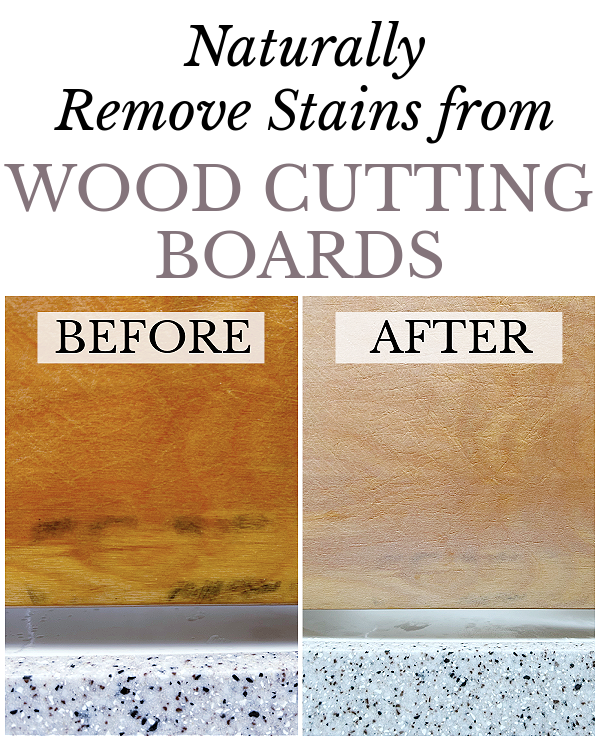
These stubborn marks not only look unpleasant but can also make your board feel less clean. If you’ve been struggling to get those stains out, you’re not alone. The good news? You don’t have to replace your cutting board or spend hours scrubbing.
You’ll discover simple, effective methods to restore your board’s fresh look fast. Keep reading to learn how to make your cutting board stain-free again—your kitchen will thank you!
Credit: www.thekitchn.com
Common Causes Of Cutting Board Stains
Cutting boards often get stains from everyday kitchen use. These stains can make the board look old and dirty.
Knowing what causes these stains helps in cleaning them properly. Some foods and materials leave marks more easily than others.
Types Of Stains
There are several types of stains that appear on cutting boards. Each type comes from different food or substance.
- Food stains:These come from fruits, vegetables, and spices.
- Oil stains:Oils from meat or cooking can leave dark spots.
- Water stains:Water left on the board can cause discoloration.
- Knife marks:Deep cuts can trap food and cause stains.
Knowing these helps you choose the right cleaning method for your cutting board.
Materials That Stain Boards
Certain foods and materials stain cutting boards more than others. Some natural colors are hard to remove.
- Beets:Their red juice can leave strong stains.
- Tomatoes:Acid and color cause marks.
- Carrots:Orange pigment can soak in.
- Turmeric:A bright yellow spice that stains easily.
- Red wine:Dark color that penetrates wood.
- Raw meat juices:Can leave oily stains and bacteria.
Plastic boards can also stain, especially from dark sauces and spices.
Basic Cleaning Techniques
Cutting boards often get stains from fruits, vegetables, and meats. Cleaning stains is important to keep your board safe and fresh.
Simple cleaning methods can remove most stains without harsh chemicals. These techniques use common household items.
Soap And Water Wash
Start by washing your cutting board with warm water and dish soap. This removes surface dirt and many stains.
Use a scrub brush or sponge to clean the board well. Rinse thoroughly to remove soap residue.
- Use warm water to open the board’s pores
- Apply dish soap and scrub all sides
- Rinse well to avoid soap taste
- Dry the board with a clean towel
Using Baking Soda Paste
Baking soda is a gentle cleaner that lifts stains and odors from cutting boards. Make a paste with water for better cleaning.
Apply the baking soda paste to the stained areas. Let it sit for 10 to 15 minutes before scrubbing.
- Mix baking soda with a little water to form paste
- Spread paste over stains on the board
- Let it rest for 10-15 minutes
- Scrub with a sponge or brush
- Rinse board with warm water and dry
Natural Stain Removers
Cutting boards can get stains from fruits, vegetables, and other foods. Using natural stain removers is safe and effective. They help clean without harsh chemicals.
Two common natural cleaners are lemon with salt and white vinegar. Both remove stains and freshen your cutting board.
Lemon And Salt Scrub
Lemon and salt work well to scrub out stains. The lemon’s acid breaks down stains. Salt acts as a gentle scrub to remove dirt.
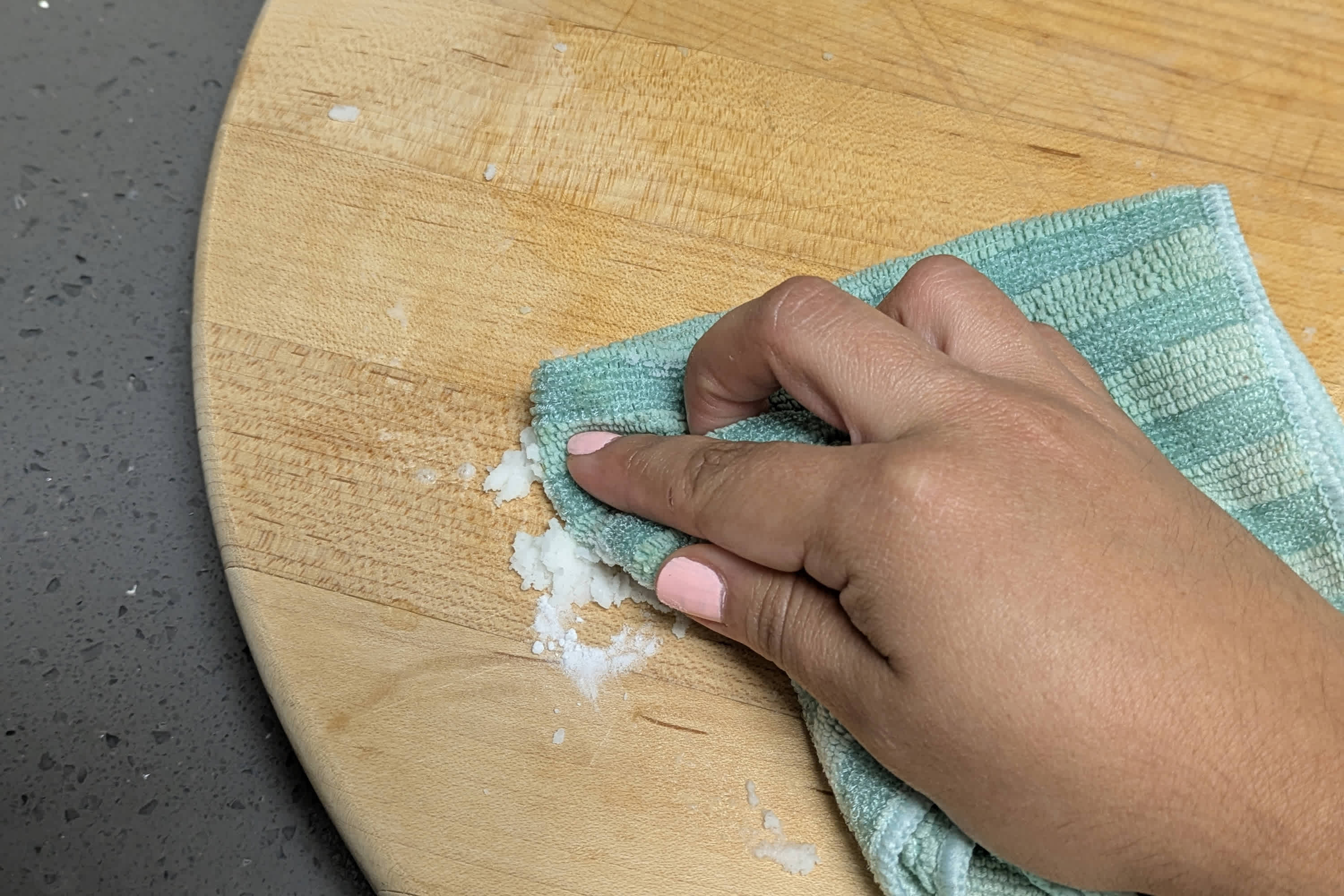
Cut a lemon in half and sprinkle coarse salt on the cutting board. Use the lemon half to scrub the stained areas. Let it sit for a few minutes before rinsing with warm water.
- Use fresh lemon juice for best results
- Coarse salt provides natural scrubbing power
- Rinse well to remove lemon and salt residue
White Vinegar Soak
White vinegar is a natural cleaner that kills bacteria and lifts stains. It is safe to use on wood and plastic cutting boards.
Pour white vinegar over the stained areas or soak the cutting board in vinegar for 5 to 10 minutes. Then scrub lightly with a brush and rinse with water.
- Use plain white vinegar, not flavored types
- Soaking helps loosen tough stains
- Always rinse well after soaking
Deep Cleaning Methods
Stains on cutting boards can be tough to remove. Deep cleaning helps keep your board safe and fresh. Two effective ways are hydrogen peroxide treatment and sanding the surface.
These methods work well for wooden and plastic boards. They remove deep stains and kill bacteria for a clean cutting surface.
Hydrogen Peroxide Treatment
Hydrogen peroxide is a safe cleaner for cutting boards. It breaks down stains and disinfects the surface without harsh chemicals.
- Pour 3% hydrogen peroxide over the stained area.
- Spread it with a clean cloth or sponge.
- Let it sit for 10 minutes to work on stains.
- Rinse the board with warm water thoroughly.
- Dry the board completely before use or storage.
Sanding The Surface
Sanding removes the top layer of the board. This gets rid of deep stains and smooths out cuts and grooves.
| Sandpaper Grit | Use |
| 80-120 | Remove deep stains and rough spots |
| 150-220 | Smooth the surface after heavy sanding |
| 320+ | Final polish for a smooth finish |
After sanding, clean dust off and apply mineral oil. This protects the wood and keeps the board in good shape.
Preventing Future Stains
Cutting boards can easily get stained by fruits, vegetables, and meats. Stains can make your board look old and dirty.
Preventing stains is better than removing them later. Simple habits keep your board clean and fresh.
Regular Maintenance Tips
Clean your cutting board right after use. Use warm, soapy water and a scrub brush to remove food particles.
Dry the board well to stop bacteria and stains. Avoid soaking the board in water for a long time.
- Wash immediately after cutting colorful foods like beets or berries
- Use lemon juice or vinegar to remove mild stains and odors
- Apply mineral oil to wooden boards monthly to protect the surface
- Store boards in a dry place to prevent mold and stains
Choosing The Right Cutting Board
Pick a cutting board that fits your cooking habits. Some materials resist stains better than others.
Wooden boards look nice but can stain easily. Plastic boards are easier to clean but may scratch over time.
- Hardwood boards like maple resist stains well
- Plastic boards are dishwasher safe and stain resistant
- Bamboo boards are eco-friendly and less porous
- Avoid soft wood boards that absorb liquids quickly
Credit: www.thekitchn.com
Credit: www.lemonslavenderandlaundry.com
Frequently Asked Questions
How Can I Remove Stains From Wooden Cutting Boards?
Use a mixture of lemon juice and salt to scrub the stain. Let it sit for 5 minutes, then rinse with warm water and dry thoroughly. This natural method brightens and disinfects the wood without damage.
What Household Items Remove Cutting Board Stains Effectively?
Common items like baking soda, white vinegar, and hydrogen peroxide work well. Apply them to the stain, let sit, then scrub gently. These ingredients are safe and help lift stubborn stains without harsh chemicals.
Can Bleach Be Used To Clean Cutting Boards?
Yes, but sparingly. Dilute bleach with water (1 tablespoon per gallon). Soak the board for a few minutes, then rinse thoroughly. Avoid frequent bleach use to prevent wood damage and maintain safety.
How Often Should I Clean My Cutting Board To Avoid Stains?
Clean your cutting board after each use. Use hot, soapy water and dry immediately. Regular cleaning prevents stains, odors, and bacterial buildup, keeping your board safe and fresh.
Conclusion
Cleaning stains from a cutting board is easier than you think. Use common household items like lemon, baking soda, or vinegar. Scrub gently to avoid damage and rinse well. Dry the board after cleaning to keep it fresh. Regular care helps your board last longer.
Simple steps keep your kitchen safe and clean. Try these tips and enjoy a stain-free cutting board every day.