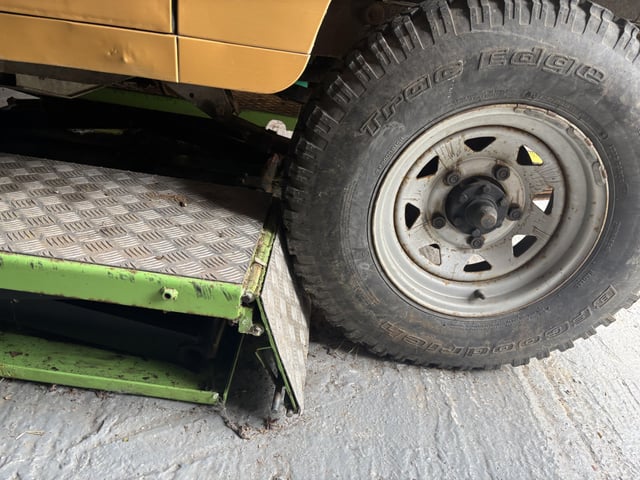
Have you ever faced the frustrating task of getting a tire off your car and didn’t know where to start? Whether you’re dealing with a flat or just need to swap tires, removing a tire can seem tricky if you haven’t done it before.
But don’t worry—you can do it yourself with the right steps and tools. In this guide, you’ll discover simple, clear instructions that make the process easy and safe. By the end, you’ll feel confident handling your car tires like a pro.
Ready to learn how to get that tire off your car quickly and without stress? Let’s dive in.
Tools Needed
Removing a tire from a car requires certain tools. Using the right equipment makes the job safe and easier.
This guide covers the essential tools and some optional accessories you might find helpful.
Essential Equipment
You need a few basic tools to remove a tire properly. These tools help you lift the car and loosen the tire bolts.
- Car jack:Lifts the car safely off the ground.
- Lug wrench:Helps to loosen and tighten lug nuts.
- Wheel chocks:Prevent the car from rolling while lifted.
- Gloves:Protect your hands during the work.
- Flashlight:Useful if you work in low light.
Optional Accessories
These extra tools can make the tire removal process easier or safer, but they are not always required.
| Accessory | Purpose |
| Breaker bar | Provides extra leverage to loosen tight lug nuts |
| Tire iron | Helps pry the tire from the rim if stuck |
| Torque wrench | Ensures lug nuts are tightened to correct specs |
| Protective mat | Keeps tools and hands clean when working on ground |
Preparing The Car
Before removing a tire, you must prepare the car properly. This ensures safety and makes the process easier.
Follow these simple steps to get ready for taking a tire off your car.
Park On A Flat Surface
Always park your car on a flat and even surface. This prevents the car from rolling away while you work.
A flat surface also ensures stability, making it safer to use a jack. Look for a driveway or parking lot that is level.
Engage Parking Brake
Engage the parking brake to keep the car from moving. This is a crucial safety step when changing a tire.
The parking brake holds the car in place, reducing the risk of accidents. Make sure it is fully engaged before starting.
Loosen Lug Nuts Slightly
Use a wrench to slightly loosen the lug nuts before lifting the car. This makes removing them easier later on.
You only need to turn each lug nut a little. Do not remove them completely until the car is lifted.
- Use the correct size wrench
- Turn each lug nut counterclockwise
- Loosen all nuts on the wheel
Lifting The Vehicle
To remove a tire safely, you must lift the car first. This helps you take the tire off without damage.
Using the right tools and steps keeps you safe during this process.
Locate Jack Points
Jack points are strong spots under your car. Use these spots to place the jack securely.
Check your car manual if you are not sure where these points are.
- Usually near the wheels under the car’s frame
- Look for small notches or reinforced metal areas
- Avoid placing the jack on plastic or weak parts
Use The Car Jack Safely
Place the jack under the correct jack point. Make sure it is stable before lifting.
Lift the car slowly and stop when the tire is off the ground.
- Use wheel chocks on opposite tires to prevent rolling
- Keep your hands and body clear of the car while lifting
- Do not go under the car while it is only supported by the jack
- Lower the car gently after you finish working

Credit: www.youtube.com
Removing The Tire
Removing a tire from your car is a simple task if done carefully. You need to loosen the lug nuts and take off the tire safely. This guide will help you through the process.
Make sure your car is on a flat surface and the parking brake is on before you start. Use proper tools to avoid damage or injury.
Fully Unscrew Lug Nuts
Lug nuts hold the tire to the wheel hub. You must remove them completely to take the tire off. Use a lug wrench or a tire iron for this.
- Place the wrench on a lug nut.
- Turn it counterclockwise to loosen.
- Repeat for all lug nuts.
- Remove each lug nut by hand once loose.
Taking Off The Tire
After removing all lug nuts, you can take the tire off. Hold the tire firmly and pull it straight out from the wheel hub. Tires may be heavy, so use both hands.
| Tip | Reason |
| Wear gloves | Protect your hands from dirt and sharp edges |
| Place tire flat on ground | Prevent it from rolling away |
| Check for stuck tires | Tap gently with a rubber mallet if needed |
Tips For Stubborn Tires
Sometimes tires get stuck on the car and are hard to remove. This can happen if the tire has been on the car for a long time or if dirt and rust build up. Using the right tools and techniques can make removing the tire easier and safer.
Here are some tips to help you get a stubborn tire off your car without causing damage.
Using Penetrating Oil
Penetrating oil helps loosen rust and dirt that keep the tire stuck. Spray it around the wheel hub and where the tire meets the car. Let it sit for 10 to 15 minutes to work well.
This oil reduces the grip of rust and makes the tire easier to remove. You may need to apply it more than once for very stuck tires.
- Use a spray or liquid penetrating oil
- Spray evenly around the stuck parts
- Wait 10-15 minutes for oil to soak in
- Repeat if the tire stays stuck
Applying Gentle Force
After using oil, try to gently move the tire. Avoid sudden or hard hits that can damage parts. Use your hands or a rubber mallet to tap around the tire edge softly.
Rock the tire back and forth to break it free. This gentle force helps loosen the tire without hurting the car or wheel.
- Use hands to pull and push the tire gently
- Tap with a rubber mallet around the tire edge
- Rock the tire side to side slowly
- Do not use metal tools that can cause damage

Credit: www.youtube.com
After Removing The Tire
Once you remove the tire from your car, there are important steps to follow. These steps help keep the wheel safe and your tire in good condition.
Proper care after tire removal can save you time and money on future repairs or replacements.
Inspecting The Wheel
Check the wheel carefully after taking off the tire. Look for any damage or dirt that could cause problems later.
- Remove any dirt or brake dust using a soft brush
- Look for cracks, dents, or bends on the rim
- Check the valve stem for leaks or damage
- Inspect the lug nut holes for wear or damage
If you find damage, fix it before putting the tire back on. Clean wheels help tires fit well and last longer.
Storing The Tire Properly
Store the tire in a cool, dry place away from sunlight. Proper storage keeps the tire rubber from cracking or fading.
| Storage Tip | Reason |
| Keep tire upright | Prevents flat spots and shape loss |
| Avoid stacking heavy items on tires | Stops tire from deforming |
| Store in plastic bags | Protects from dust and moisture |
| Away from heat sources | Prevents rubber from drying out |

Credit: www.youtube.com
Frequently Asked Questions
How Do I Safely Remove A Tire From My Car?
To safely remove a tire, first secure your car with the parking brake. Loosen lug nuts, lift the car using a jack, fully unscrew the lug nuts, and carefully pull the tire off. Always follow your vehicle’s manual instructions for safety.
What Tools Are Needed To Take A Tire Off A Car?
You need a lug wrench, car jack, and wheel chocks. The lug wrench loosens nuts, the jack lifts the car, and wheel chocks prevent rolling. These basic tools ensure a smooth, safe tire removal process.
Can I Remove A Tire Without A Car Jack?
Removing a tire without a jack is unsafe and not recommended. The jack lifts the car to relieve tire pressure from the ground. Without it, you risk injury and damage to the vehicle.
How Tight Should Lug Nuts Be After Tire Removal?
Lug nuts should be tightened in a crisscross pattern. Use a torque wrench to reach your car’s specified torque, usually between 80-100 ft-lbs. Proper tightness ensures safety and prevents wheel damage.
Conclusion
Removing a tire from a car is easier than you think. Use the right tools and follow safety steps. Loosen the lug nuts before lifting the car. Always work on a flat, stable surface. Take your time and stay calm.
Practice makes this task less scary. Now you can change a tire with confidence. Keep these tips handy for future needs. Safe driving starts with basic car skills.