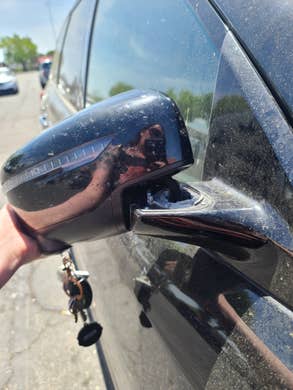
Your car’s side mirror just popped off, and now you’re wondering how to fix it quickly and safely. You want a solution that holds strong and doesn’t cost a fortune.
Luckily, gluing your side mirror back on is easier than you might think. In this guide, you’ll discover simple steps and tips to get your mirror back in place, so you can drive with confidence again. Keep reading to learn exactly what you need to do—no hassle, no confusion.

Credit: www.oreillyauto.com
Tools And Materials Needed
Gluing a side mirror back on your car needs the right tools. Using proper materials helps the mirror stay in place.
This guide shows the main tools and materials you will need. Prepare them before you start fixing the mirror.
Types Of Adhesives
Choosing the right adhesive is key for a strong bond. Different glues work better for different mirror types and surfaces.
Common adhesives include epoxy, super glue, and automotive adhesive tapes. Each has its own strengths and uses.
- Epoxy:Two-part glue that forms a tough bond.
- Super Glue (Cyanoacrylate):Fast-drying glue for small repairs.
- Automotive Adhesive Tape:Strong double-sided tape made for car parts.
- Silicone Adhesive:Flexible and water-resistant bond.
Cleaning Supplies
Clean surfaces ensure the glue sticks well. Dirt, grease, or old glue can stop the adhesive from working.
Use rubbing alcohol, glass cleaner, and clean cloths to prepare the mirror and car surface.
- Rubbing alcohol or acetone to remove grease
- Glass cleaner for clear surfaces
- Lint-free cloths or paper towels
- Plastic scraper to remove old glue
Safety Gear
Wear safety gear to protect your eyes and skin. Some adhesives and cleaners can cause irritation or damage.
Use gloves, goggles, and work in a well-ventilated area to stay safe during the repair.
- Protective gloves to avoid skin contact
- Safety goggles to protect eyes
- Mask or respirator for strong fumes
- Work in an open or well-ventilated space
Preparing The Side Mirror
Getting your car’s side mirror ready for reattachment is important. Proper preparation ensures a strong bond and prevents future mishaps.
Follow these steps to prepare your side mirror for gluing back onto your car effectively and safely.
Removing Old Adhesive
Old adhesive can prevent new glue from sticking properly. It’s important to remove it completely.
- Use a plastic scraper to peel off the old adhesive.
- Apply adhesive remover to dissolve stubborn spots.
- Wipe the area with a clean cloth to remove residue.
Cleaning The Surface
Cleaning the surface ensures the glue will stick properly. Dirt and dust can weaken the bond.
- Microfiber cloth
- Mild detergent
- Water
Wash the mirror and its mount with mild detergent and water. Dry it thoroughly using a microfiber cloth.
Checking For Damage
Before reattaching the mirror, check it for cracks or other damage. A damaged mirror might not stay attached.
| Part | Check For |
| Mirror Glass | Cracks |
| Mirror Housing | Scratches |
| Mounting Bracket | Bends |
If any part is damaged, consider replacing it before proceeding. This ensures the mirror will stay secure.
Choosing The Right Glue
Fixing a side mirror requires strong glue that lasts. Picking the right glue helps the mirror stay on the car. Not all glues work well for this job.
We will look at different glue types and what suits your car mirror best. This guide covers glue strength, weather resistance, and curing time.
Epoxy Vs. Super Glue
Epoxy and super glue are popular choices to fix side mirrors. Epoxy comes in two parts that you mix before use. It creates a very strong and durable bond.
Super glue is a fast-drying adhesive. It works well on small cracks or light repairs. It is easier to use but may not hold as long as epoxy on heavy parts.
Weather-resistant Options
- Epoxy glue is usually water-resistant and handles heat well.
- Some super glues are made to resist rain and cold, but not all.
- Check product labels for weatherproof or waterproof marks.
- Choose glue that can handle the outdoor conditions your car faces.
- UV resistance is good to prevent glue from breaking down in sunlight.
Curing Times
| Glue Type | Typical Curing Time | Notes |
| Epoxy | 5 to 30 minutes (initial), 24 hours (full cure) | Stronger bond but needs time to set |
| Super Glue | 10 to 60 seconds | Quick hold but less gap filling |

Credit: www.reddit.com
Step-by-step Gluing Process
Fixing a side mirror on your car requires care and the right glue. Follow clear steps to ensure a strong hold.
This guide explains how to apply adhesive, align the mirror, and secure it properly.
Applying Adhesive
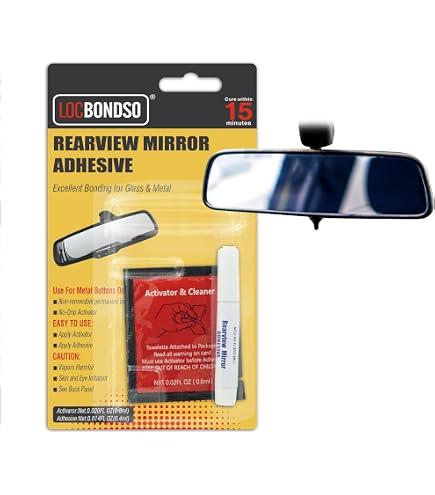
Clean both the mirror and the car surface before gluing. Use a strong adhesive made for glass and metal.
- Remove dirt and grease with rubbing alcohol.
- Dry the surfaces completely.
- Apply a thin, even layer of adhesive to the mirror base.
- Avoid using too much glue to prevent mess.
Aligning The Mirror
Place the mirror carefully on the car. Make sure it is in the right position before the glue sets.
| Check | Details |
| Angle | Mirror should face rear clearly |
| Height | Match the other side mirror level |
| Distance | Close enough for good view |
Securing And Clamping
Hold the mirror in place until the glue dries. Clamping helps keep it steady and secure.
Use these tips for clamping:
- Use soft clamps to avoid damage.
- Check that clamps do not shift the mirror.
- Leave clamps for the time suggested by the glue manufacturer.
Aftercare Tips
Gluing a side mirror back on your car is only the first step. Proper care helps the glue set well. This ensures the mirror stays fixed and safe.
Follow these aftercare tips to keep your side mirror secure and avoid damage.
Drying Time
Let the glue dry fully before using the mirror. This can take several hours. Avoid touching or moving the mirror during this time to keep it in place.
- Keep the car in a dry and warm place while drying.
- Do not expose the glued area to water or moisture.
- Wait at least 24 hours before driving at high speeds.
Avoiding Stress On The Mirror
Stress can break the glue bond and loosen the mirror. Avoid putting pressure on the mirror for a few days. Do not lean on it or slam car doors hard near it.
- Park away from tight spaces to avoid bumps.
- Be gentle when adjusting or cleaning the mirror.
- Do not hang heavy objects from the mirror.
Regular Inspection
Check the mirror often to ensure it is still secure. Look for cracks in the glue or any loose parts. Early detection prevents bigger problems.
| Inspection Item | What to Check |
| Glue Line | Look for cracks or gaps |
| Mirror Movement | Check if it wobbles or moves easily |
| Visible Damage | Look for chips or scratches on the mirror or base |
| Attachment Points | Ensure all screws or clips are tight |
Common Mistakes To Avoid
Gluing a side mirror back on a car seems easy but many make simple mistakes. These errors can cause the mirror to fall off again or damage the car.
Knowing what to avoid helps you get better results and save time and money.
Using The Wrong Glue
Not all glues work well on car mirrors. Using the wrong glue can make the bond weak or damage the mirror or paint.
Choose a glue made for automotive parts or glass and plastic bonding. Avoid regular household glues or super glue that are not designed for this use.
- Look for automotive adhesive or epoxy
- Avoid general-purpose glue
- Check the glue’s drying time and strength
Skipping Surface Preparation
Cleaning and preparing the surfaces before gluing is very important. Dirt, grease, or old glue can stop the new glue from sticking well.
Use rubbing alcohol or a cleaner to remove all dirt and oils. Lightly roughen smooth surfaces with sandpaper for better grip.
- Clean both the mirror and car surface
- Remove old glue completely
- Dry the surfaces before applying glue
Rushing The Curing Process
Glue needs time to dry and cure properly. Moving or touching the mirror too soon weakens the bond and can cause it to fall off.
Follow the glue manufacturer’s instructions for curing time. Wait at least the recommended time before driving or adjusting the mirror.
- Check drying and curing times on the glue label
- Do not disturb the mirror while glue sets
- Allow full curing for the strongest bond
When To Seek Professional Help
Gluing a side mirror back on a car can be done at home if the damage is minor. Some situations need a professional to fix the mirror safely and correctly.
Knowing when to get help can save time and avoid more damage. Below are key cases to consider.
Severe Damage
If the side mirror is cracked, broken, or has missing parts, gluing it yourself may not work well. Severe damage can make the mirror unsafe or unstable.
Professionals have tools and parts to replace or fix the mirror properly. They ensure the mirror fits securely on your car.
Electrical Components
Many side mirrors have electrical parts like heating, lights, or motor controls. Gluing the mirror without handling these parts can cause electrical problems.
A professional can disconnect and reconnect these parts safely. They test the mirror’s functions after fixing it.
Warranty Considerations
Some cars have warranties that cover side mirror repairs. Doing the repair yourself might void the warranty.
Check your car’s warranty terms. If it covers mirror repair, a professional repair shop is the best choice.
Credit: www.amazon.com
Frequently Asked Questions
How Do I Prepare The Car Mirror Surface For Gluing?
Clean the mirror and car surface thoroughly. Remove dirt, dust, and grease using rubbing alcohol. Dry completely before applying glue for better adhesion.
What Type Of Glue Is Best For Side Mirror Repair?
Use automotive-grade epoxy or strong adhesive specifically designed for car mirrors. These glues withstand weather and vibrations, ensuring a durable bond.
How Long Does It Take For The Glue To Set?
Most automotive adhesives set within 30 minutes to an hour. Full curing may take 24 hours for maximum strength. Avoid driving during this time.
Can I Glue The Mirror Back Without Removing It?
Yes, if the mirror is intact and clean, you can glue it directly. Ensure surfaces align perfectly and hold firmly until the glue sets.
Conclusion
Gluing a side mirror back on your car saves time and money. Use the right glue and clean surfaces well. Press the mirror firmly and hold it in place. Let the glue dry fully before driving. Small steps make a big difference.
Now, your mirror should stay secure and look good. Keep these tips handy for any future fixes. Simple repairs can keep your car safe and neat.