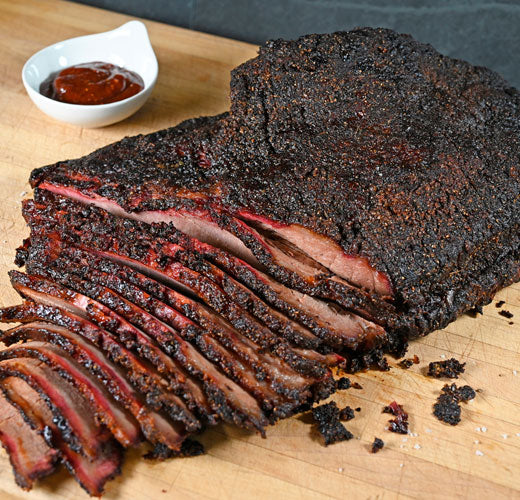
If you’ve ever wanted to master the art of grilling a brisket on charcoal, you’re in the right place. Grilling brisket over charcoal isn’t just about cooking meat—it’s about creating rich, smoky flavors that you can’t get any other way.
You might think it’s complicated, but with the right steps, you’ll be serving tender, juicy brisket that impresses everyone. Stick with me, and I’ll guide you through the process, making it simple and fun. Ready to fire up your grill and become the BBQ hero your friends and family will rave about?
Let’s get started!
Choosing The Right Brisket
Grilling a brisket on charcoal needs the right meat. Picking the best brisket makes your cook tasty and juicy.
Brisket comes in different cuts and types. Knowing what to choose helps you grill it well.
Selecting The Cut
A whole brisket has two parts: the flat and the point. Each part cooks differently on the grill.
The flat is lean and slices nicely. The point has more fat and flavor. Pick based on your taste and cooking style.
- Flat cut: lean, good for slicing
- Point cut: fatty, richer flavor
- Whole brisket: combines both cuts
Grass-fed Vs. Grain-fed
Grass-fed brisket comes from cows that eat grass. Grain-fed brisket comes from cows fed grains. Each has different taste and texture.
Grass-fed meat is leaner and can taste stronger. Grain-fed meat has more fat and is softer. Choose based on your flavor preference and cooking time.
- Grass-fed: lean, firmer texture, earthy flavor
- Grain-fed: fattier, tender, milder flavor

Credit: www.youtube.com
Essential Tools And Equipment
Grilling a brisket on charcoal needs the right tools. These tools help you cook the meat evenly and safely.
Using good equipment makes the cooking process easier and the results tastier.
Grill And Charcoal
Choose a charcoal grill that can hold a big piece of brisket. It should allow good airflow for even heat.
Use natural lump charcoal or briquettes for steady heat. Avoid lighter fluid to keep clean smoke flavor.
- Large charcoal grill with lid
- Natural lump charcoal or briquettes
- Charcoal chimney starter
- Heat-resistant gloves
Thermometers
Thermometers help check the brisket’s temperature inside and outside. This stops undercooking or overcooking.
Use a digital meat thermometer for fast, accurate readings. A grill thermometer shows the grill’s heat.
- Instant-read digital meat thermometer
- Probe thermometer with wireless option
- Built-in grill thermometer
Other Accessories
Extra tools help you handle the brisket safely and keep the grill clean. They also improve cooking control.
Use a drip pan to catch fat and avoid flare-ups. Tongs and a spatula help turn the meat without piercing it.
- Long-handled tongs and spatula
- Drip pan for fat collection
- Aluminum foil or butcher paper
- Fireproof gloves
- Charcoal rake or poker
Prepping The Brisket
Grilling a brisket on charcoal takes time and care. Preparing the meat well helps you get the best flavor and texture.
Before lighting the grill, focus on trimming and seasoning the brisket. These steps make a big difference in your final dish.
Trimming The Fat
Brisket has a thick layer of fat called the fat cap. Trimming this fat helps the meat cook evenly and absorb smoke better.
Leave about a quarter inch of fat on the brisket. This keeps the meat moist while grilling without being greasy.
- Use a sharp knife for clean cuts
- Remove large hard pieces of fat only
- Keep some fat for flavor and moisture
- Trim silver skin or tough membranes if present
Seasoning Techniques
Seasoning adds flavor and forms a crust on the brisket. Use simple spices to highlight the meat’s natural taste.
Apply the seasoning evenly on all sides. Let the brisket rest with the rub for at least an hour before grilling.
- Use coarse salt and black pepper as a base
- Add garlic powder or onion powder for extra flavor
- Consider a little paprika for color and mild taste
- Rub the spices gently into the meat surface
- Wrap and chill overnight for deeper flavor (optional)

Credit: www.reddit.com
Setting Up The Charcoal Grill
Grilling a brisket on charcoal needs good preparation. Setting up the grill right helps cook the meat evenly.
This guide covers how to arrange the charcoal and control the grill temperature for best results.
Arranging The Charcoal
Arrange the charcoal to create direct and indirect heat zones. This helps cook the brisket slowly without burning.
- Place most charcoal on one side for high heat.
- Leave the other side empty for indirect cooking.
- Use a charcoal chimney starter to light the coals evenly.
- Spread the hot coals with tongs once lit.
- Keep a water pan on the empty side to add moisture.
Temperature Control
Keep the grill temperature steady between 225°F and 275°F. Use vents to control airflow and heat.
| Action | Effect on Temperature |
|---|---|
| Open vents fully | Increase heat by allowing more oxygen |
| Close vents partially | Lower heat by reducing oxygen flow |
| Close vents fully | Put out coals by stopping oxygen |
Smoking And Cooking Methods
Grilling a brisket on charcoal takes time and care. The right smoking and cooking methods make it tender and tasty.
Using charcoal adds a smoky flavor that enhances the meat. Controlling heat and smoke helps cook the brisket evenly.
Low And Slow Technique
Cook the brisket at low heat for a long time. This breaks down tough fibers and makes the meat soft.
Keep the charcoal temperature around 225°F to 250°F. Maintain this heat for several hours until the brisket is tender.
- Set up the grill for indirect cooking
- Use a water pan to keep the meat moist
- Check temperature often with a grill thermometer
- Aim for an internal brisket temperature of 195°F to 205°F
Using Wood Chips
Wood chips add extra smoke flavor to the brisket. Soak chips in water for 30 minutes before use.
Place wet wood chips on hot charcoal. They will smolder and produce smoke without burning quickly.
- Hickory gives a strong, smoky taste
- Apple wood adds a mild, sweet flavor
- Mesquite provides an intense, earthy smoke
- Use small amounts to avoid bitter taste
Monitoring And Adjusting
Grilling a brisket on charcoal needs careful watching. Checking temperature and airflow helps keep heat steady.
These steps keep your brisket juicy and tender while cooking for several hours.
Checking Internal Temperature
Use a meat thermometer to check the brisket’s inside heat. Insert it into the thickest part. The brisket is done when it reaches 195°F to 205°F.
- Check temperature every hour after the first two hours.
- Keep the thermometer probe in the meat during cooking for constant reading.
- Remove brisket when temperature is steady in the desired range.
- Let the meat rest before slicing.
Adjusting Airflow
Airflow controls the charcoal’s heat. Use vents to manage oxygen and keep fire steady.
| Vent Position | Effect on Fire |
|---|---|
| Fully open | High heat, faster burn |
| Half open | Medium heat, steady burn |
| Mostly closed | Low heat, slow burn |
Adjust vents slowly. Small changes can change the temperature a lot. Keep checking temperature after adjusting vents.
Resting And Slicing The Brisket
After grilling a brisket on charcoal, resting and slicing are key steps. Resting lets the juices settle. Slicing the meat right keeps it tender and tasty.
This guide covers why resting matters and how to slice the brisket properly.
Importance Of Resting
Resting lets the brisket cool slightly and the juices spread evenly. Cutting too soon makes the meat dry. Rest your brisket for at least 30 minutes.
- Wrap the brisket in foil or butcher paper
- Place it in a warm spot or cooler
- Keep it covered to hold heat and moisture
- Allow 30 to 60 minutes for resting
Proper Slicing Techniques
Cut the brisket against the grain to make the slices tender. Use a sharp knife and slice thin pieces for the best texture.
| Tip | Details |
|---|---|
| Find the grain | Look for the lines of muscle fiber running lengthwise |
| Slice against the grain | Cut perpendicular to the muscle fibers for tenderness |
| Use a sharp knife | Sharp blades make clean cuts without tearing the meat |
| Cut thin slices | Thin slices are easier to chew and taste better |
Serving Suggestions
Grilled brisket tastes best when paired with the right sides and sauces. These choices bring out the rich flavors of the meat.
Picking classic barbecue sides and sauces helps create a balanced and satisfying meal.
Classic Bbq Sides
Traditional sides add texture and flavor contrast to your smoked brisket. They also keep the meal fresh and filling.
Popular BBQ sides include creamy coleslaw, baked beans, and cornbread. These sides complement the smoky meat well.
- Creamy coleslaw for a crunchy, tangy bite
- Baked beans with a sweet and smoky taste
- Buttery cornbread to soak up juices
- Grilled corn on the cob for a smoky crunch
- Potato salad for a cool, creamy side
Pairing With Sauces
Sauces bring extra flavor and moisture to grilled brisket. Choose sauces that match your taste preferences.
Try a mix of tangy, spicy, and sweet sauces to offer variety with your brisket.
- Classic Texas-style BBQ sauce with bold spices
- Sweet and smoky molasses sauce
- Spicy mustard sauce for a tangy kick
- Vinegar-based sauce for a sharp, zesty flavor
- Garlic butter sauce to enhance the meat’s richness
Troubleshooting Common Issues
Grilling brisket on charcoal can be tricky. Many cooks face common problems that affect the meat’s texture and flavor. Knowing how to spot and fix these issues helps you get better results every time.
This guide covers two main problems: dry brisket and uneven cooking. Each section explains causes and easy fixes to improve your grilling skills.
Dry Brisket
Dry brisket happens when the meat loses too much moisture during cooking. This makes it tough and less tasty. The main causes include cooking at too high a temperature and not using enough fat or moisture.
- Keep the charcoal fire at a steady low heat, around 225°F to 250°F.
- Wrap the brisket in foil or butcher paper during the last half of cooking to lock in moisture.
- Use a water pan near the coals to add humidity inside the grill.
- Apply a fat-based rub or baste the brisket occasionally to keep it moist.
- Let the brisket rest for at least 30 minutes after cooking to reabsorb juices.
Uneven Cooking
Uneven cooking means some parts of the brisket cook faster than others. This results in some areas being dry while others are undercooked. Causes include poor charcoal arrangement and not rotating the meat.
| Cause | Effect | Solution |
|---|---|---|
| Uneven charcoal placement | Hot and cold spots on the grill | Arrange coals evenly or use a two-zone fire setup |
| Not rotating brisket | One side cooks more than the other | Turn brisket every hour during cooking |
| Thicker and thinner parts of brisket | Different cooking times in one piece | Place thicker side closer to heat |

Credit: snakeriverfarms.com
Frequently Asked Questions
How Long Does It Take To Grill Brisket On Charcoal?
Grilling brisket on charcoal typically takes 8 to 12 hours. Time varies with brisket size and grill temperature. Maintain a steady 225°F to 250°F for best results.
What Charcoal Is Best For Grilling Brisket?
Lump charcoal or natural hardwood briquettes are best for brisket. They provide consistent heat and a smoky flavor that enhances the meat.
Should I Wrap Brisket During Charcoal Grilling?
Wrapping brisket after 4 to 6 hours helps retain moisture. Use foil or butcher paper to prevent drying while continuing to cook.
How Do I Maintain Temperature When Grilling Brisket?
Control airflow with vents to stabilize temperature. Add charcoal or wood chunks as needed. Use a grill thermometer to monitor heat precisely.
Conclusion
Grilling brisket on charcoal takes patience and care. Keep the fire steady and the smoke gentle. Check the meat often and adjust the heat as needed. Let the brisket rest before slicing to keep it juicy. Your effort will pay off with tender, flavorful meat.
Enjoy the process and share the delicious results with friends. Charcoal grilling brings out a rich, smoky taste you will love. Try these steps again to improve every time. Simple, slow cooking makes all the difference.