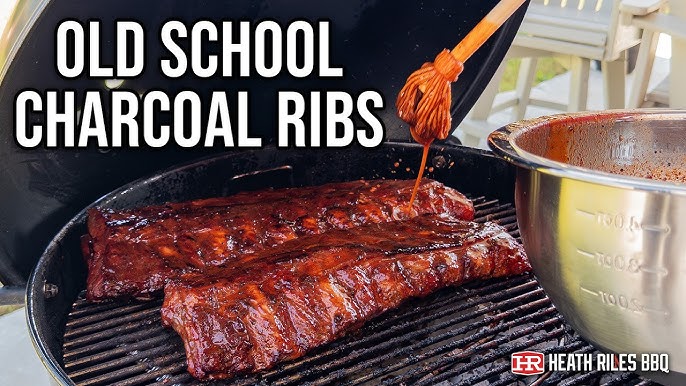
Grilling beef ribs on a charcoal grill is one of the most satisfying ways to enjoy rich, smoky flavors right in your backyard. If you’ve ever wondered how to get that perfect balance of tender meat and crispy edges, this guide is made just for you.
You don’t need fancy tools or years of experience—just a few simple steps and some insider tips to turn your ribs into a mouthwatering masterpiece. Keep reading, and you’ll learn how to master your charcoal grill and impress everyone at your next cookout.
Choosing The Right Beef Ribs
Grilling beef ribs on a charcoal grill needs the right ribs. Picking good ribs makes the cooking easier and tastier.
Knowing types, quality, and prep helps you enjoy juicy and flavorful ribs every time.
Types Of Beef Ribs
There are several types of beef ribs you can grill. Each type has different size and flavor.
Knowing these types helps you pick the best ribs for your grill.
- Back Ribs:These come from the rib section near the spine. They have less meat but good flavor.
- Short Ribs:These are larger and meatier. They come from the lower rib cage.
- Plate Ribs:These are taken from the front belly area. They are fatty and tender.
Selecting Quality Cuts
Look for ribs with good marbling. Marbling means thin fat lines inside the meat. It keeps ribs juicy.
Choose ribs that are firm and bright red. Avoid ribs that look dry or have a bad smell.
- Good marbling adds flavor and moisture
- Firm texture means fresh meat
- Bright red color shows freshness
- Avoid ribs with bad odor or slimy feel
Preparing Ribs For Grilling
Remove the thin silver skin on the back of the ribs. This helps spices soak into the meat better.
Trim excess fat if needed. Season ribs with salt, pepper, or your favorite dry rub before grilling.
- Use a knife to lift the silver skin
- Peel it off carefully
- Trim large fat pieces but keep some for flavor
- Apply seasoning evenly on all sides

Credit: cheflolaskitchen.com
Setting Up Your Charcoal Grill
Grilling beef ribs on a charcoal grill needs good preparation. Setting up the grill right helps cook ribs evenly and adds a smoky flavor.
Focus on the charcoal choice, heat zones, and airflow. These steps make your grilling easier and your ribs tastier.
Charcoal Selection Tips
Choose high-quality charcoal for steady heat and great smoke. Lump charcoal burns hotter and cleaner than briquettes.
Briquettes last longer but may have fillers. Use natural charcoal for best flavor and less ash.
- Use lump charcoal for quick, hot fire
- Use briquettes for steady, long heat
- Avoid charcoal with fillers or chemicals
- Have enough charcoal to last 2-3 hours
Creating Heat Zones
Make two heat zones on your grill: one hot for searing, one cooler for slow cooking. This helps cook ribs perfectly.
Pile charcoal on one side for direct heat. Leave the other side with few or no coals for indirect heat.
- Hot zone: stack charcoal for high heat
- Cool zone: little or no charcoal for slow cook
- Start ribs on hot side to sear
- Move ribs to cool side to cook slowly
Managing Airflow And Temperature
Control airflow to keep the grill temperature steady. Open vents let in oxygen and increase heat.
Close vents to lower temperature and slow the fire. Check the grill often to keep the heat around 225°F to 275°F.
- Open vents fully to start fire quickly
- Adjust vents to keep steady temperature
- Use a grill thermometer for accuracy
- Do not open lid too often to keep heat
Seasoning And Marinades
Seasoning and marinades add flavor to beef ribs on a charcoal grill. They help the meat taste delicious and juicy.
Choosing the right dry rub or marinade can change the grilling experience. This guide covers simple ways to season beef ribs well.
Dry Rub Recipes
Dry rubs are mixtures of spices and herbs. They stick to the ribs and give a tasty crust when grilled.
- Basic Dry Rub: salt, black pepper, garlic powder, and paprika.
- Spicy Dry Rub: chili powder, cayenne pepper, cumin, and brown sugar.
- Herb Dry Rub: rosemary, thyme, salt, and ground mustard.
Mix the spices well before applying to the ribs. Use enough to cover the meat evenly.
Marinade Options
Marinades soak into the meat and make it tender. They also add layers of flavor that dry rubs can’t.
- Classic Marinade: soy sauce, olive oil, garlic, and lemon juice.
- Sweet Marinade: honey, apple cider vinegar, mustard, and black pepper.
- Smoky Marinade: Worcestershire sauce, smoked paprika, onion powder, and brown sugar.
Let the ribs sit in the marinade for at least 2 hours. For best results, marinate overnight in the fridge.
Applying Seasonings Properly
Pat the ribs dry before adding seasoning. This helps the spices stick better to the meat.
Use your hands to rub the dry mix evenly over all sides. For marinades, pour and coat the ribs well.
- Remove excess moisture with paper towels.
- Apply seasoning or marinade evenly over the entire surface.
- Press dry rubs gently to stick to the meat.
- For marinades, use a sealable bag or covered dish to soak ribs.
- Let the ribs rest before grilling to absorb flavors.

Credit: www.ice.edu
Grilling Techniques For Tender Ribs
Grilling beef ribs on a charcoal grill can give them a smoky and rich flavor. Using the right techniques helps make ribs tender and juicy.
Patience and control of heat are key to cooking ribs that fall off the bone. Here are some grilling tips to get perfect beef ribs.
Low And Slow Cooking Method
Cooking ribs low and slow means using low heat for a long time. This breaks down the tough meat fibers and fat.
Keeping the temperature around 225°F to 250°F helps the ribs cook evenly. It also keeps them juicy and tender.
Using Indirect Heat
Indirect heat means placing the ribs away from the hot coals. This avoids burning the outside while the inside cooks.
Set up your charcoal grill with coals on one side. Place the ribs on the other side with the lid closed.
- Keep coals on one side only
- Place ribs on the cooler side
- Close the lid to trap heat and smoke
Turning And Basting Tips
Turn the ribs every 30 to 45 minutes. This helps cook them evenly and prevents burning.
Baste the ribs with sauce or marinade while grilling. This keeps the meat moist and adds flavor.
- Use tongs to turn ribs gently
- Baste with sauce every time you turn
- Watch for flare-ups and move ribs if needed
Checking For Doneness
Grilling beef ribs on a charcoal grill takes time and care. Checking for doneness is key to juicy ribs.
You want to cook ribs until they are tender but not dry. Use simple ways to check if ribs are done.
Internal Temperature Guide
Use a meat thermometer to check the ribs’ internal temperature. It tells you if the ribs are safe and tender.
- 145°F (63°C): Ribs are safe to eat but still tough
- 190°F to 203°F (88°C to 95°C): Ribs are tender and juicy
- Above 203°F (95°C): Ribs may become too soft and dry
Visual And Texture Cues
Look for color and texture signs to tell if ribs are done. These clues help if you don’t have a thermometer.
Ribs should have a deep brown color with some char marks. The meat should pull back from the bones.
- The surface is firm but not hard
- Meat feels soft when pressed gently
- Bones may wiggle slightly when moved
Resting The Ribs
Let the ribs rest after grilling. This helps juices spread inside the meat for better flavor.
Rest ribs covered loosely with foil for 10 to 15 minutes before cutting or serving.

Credit: www.heathrilesbbq.com
Serving Suggestions
Grilled beef ribs are rich and full of flavor. Serving them right makes your meal even better.
Here are ideas for sauces, side dishes, and presentation tips to enjoy your beef ribs.
Sauce Pairings
Choose sauces that add flavor without overpowering the beef ribs. Tangy and smoky sauces work well.
- Classic barbecue sauce for a sweet and smoky taste
- Chimichurri for a fresh, herby flavor
- Spicy mustard sauce to add a bit of heat
- Garlic butter sauce for rich and smooth taste
Side Dishes Ideas
Pick sides that balance the richness of beef ribs. Fresh and simple sides work best.
- Grilled corn on the cob with butter
- Coleslaw for a crunchy, tangy bite
- Baked beans for a sweet and smoky side
- Roasted potatoes with herbs
- Fresh green salad with vinaigrette
Presentation Tips
Good presentation makes your meal more inviting. Keep it simple and neat.
Arrange ribs on a large platter with sides around them. Garnish with fresh herbs for color.
- Slice ribs between the bones for easy serving
- Add lemon or lime wedges for a fresh touch
- Use wooden boards or rustic plates for a casual look
- Serve sauces in small bowls on the side
Troubleshooting Common Issues
Grilling beef ribs on a charcoal grill is rewarding but can bring challenges. This guide helps fix common problems you may face. Learn how to avoid dryness, manage flare-ups, and fix undercooked ribs.
Following these tips improves your grilling experience and results in juicy, flavorful ribs every time.
Avoiding Dryness
Dry ribs happen when meat loses too much moisture during cooking. Controlling heat and cooking time is key to prevent dryness.
- Use indirect heat to cook ribs slowly.
- Keep the grill lid closed to retain moisture.
- Brush ribs with a marinade or sauce during cooking.
- Wrap ribs in foil for part of the cooking time to lock in juices.
- Let ribs rest before cutting to keep juices inside.
Managing Flare-ups
Flare-ups cause uneven cooking and can burn your ribs. They happen when fat drips on hot coals. Keep these tips in mind to control flare-ups.
| Cause | Solution |
| Fat dripping on coals | Trim excess fat before grilling |
| Too much charcoal heat | Use fewer coals or move ribs to cooler side |
| Grease buildup in grill | Clean grill grates before cooking |
| Sudden flare-up | Move ribs away from flames quickly |
Fixing Undercooked Ribs
Undercooked ribs can be tough and unsafe to eat. Use these steps to finish cooking ribs properly.
- Check internal temperature with a meat thermometer; it should read at least 190°F (88°C) for tender ribs.
- Move ribs to indirect heat to cook slowly without burning.
- Wrap ribs in foil with a splash of water or broth to keep them moist.
- Cook for an extra 30 minutes to 1 hour, checking temperature often.
- Let ribs rest after cooking for 10 minutes before serving.
Frequently Asked Questions
What Is The Best Charcoal For Grilling Beef Ribs?
Lump charcoal is ideal for grilling beef ribs. It burns hotter and cleaner than briquettes. It enhances the smoky flavor and provides consistent heat. Always ensure your charcoal is fully lit and ashed over before placing ribs on the grill.
This ensures even cooking and a delicious taste.
How Long To Grill Beef Ribs On Charcoal?
Grilling beef ribs usually takes about 1. 5 to 2 hours. Cook them over indirect heat for best results. Maintain a grill temperature between 250°F and 275°F. Use a meat thermometer to ensure internal temperature reaches around 190°F for tender ribs.
This slow cooking ensures juicy, flavorful results.
Do I Need To Marinate Beef Ribs Before Grilling?
Marinating beef ribs is optional but recommended. A marinade adds flavor and can tenderize the meat. Let the ribs marinate for at least 2 to 4 hours. For deeper flavor, marinate overnight in the fridge. Always use a marinade with acid or enzymes for the best results.
What Spices Are Best For Beef Ribs?
Common spices for beef ribs include garlic powder, onion powder, paprika, and black pepper. Add cayenne for a spicy kick. A good rub enhances the meat’s natural flavors. Apply spices generously before grilling. Let the ribs sit with the rub for at least 30 minutes before cooking.
Conclusion
Grilling beef ribs on a charcoal grill is simple and fun. Control the heat, use good charcoal, and be patient. Keep the ribs moist by basting them often. Watch the grill and turn the ribs carefully. The smell and taste are worth the wait.
Enjoy juicy, tender ribs with friends or family. Try different spices to find your favorite flavor. Practice makes perfect, so keep grilling often. Great meals start with good techniques and care. Now, you are ready to cook delicious beef ribs outside.