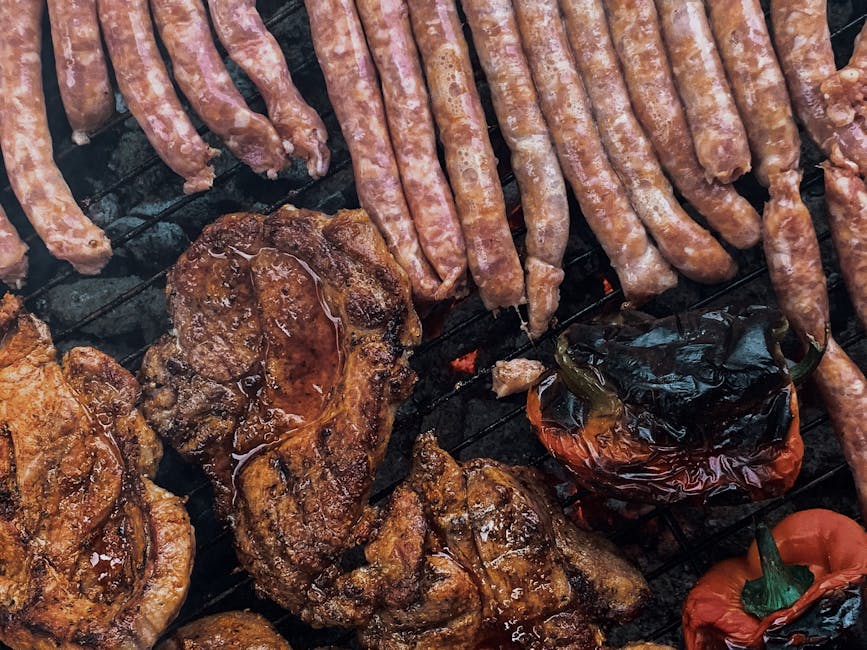
Grilling with charcoal brings a unique flavor and smoky charm to your meals that no other method can match. If you’ve ever wanted to master the art of charcoal grilling, you’re in the right place.
Imagine serving juicy, perfectly cooked food that impresses your friends and family every time. This guide will show you simple steps to light your charcoal, control the heat, and grill like a pro. Ready to unlock the secrets of charcoal grilling and make your next cookout unforgettable?
Let’s get started!
Choosing The Right Charcoal
Grilling with charcoal gives food a rich, smoky flavor. Choosing the right charcoal can affect how your grill heats and tastes.
There are different types of charcoal to pick from. Knowing their qualities helps you cook better meals outdoors.
Lump Charcoal Vs Briquettes
Lump charcoal is made by burning wood in low oxygen. It lights fast and burns hotter than briquettes. Briquettes are made from compressed sawdust and other materials. They burn longer and more evenly but produce more ash.
- Lump charcoal lights quickly and reaches high heat.
- Briquettes burn slower and keep steady heat for longer.
- Lump charcoal creates less ash than briquettes.
- Briquettes often contain binders to hold shape.
Natural Vs Chemical Additives
Some charcoal products include additives to help start fires or improve burning. Natural charcoal contains no chemicals and burns clean. Charcoal with chemical additives may light easier but can affect flavor and produce more smoke.
| Charcoal Type | Additives | Flavor Impact | Smoke Level |
|---|---|---|---|
| Natural Lump | None | Pure wood flavor | Low |
| Natural Briquettes | Natural binders | Mildly neutral | Low |
| Chemical Briquettes | Fire starters, fillers | Possible off-flavors | Higher |
Size And Shape Considerations
Charcoal pieces come in different sizes and shapes. Larger pieces burn longer but take more time to light. Smaller pieces light fast but burn out quicker. Shape affects air flow and heat control in your grill.
- Large pieces hold heat for a long time.
- Small pieces are good for quick cooking.
- Irregular shapes improve airflow.
- Uniform shapes give steady heat.

Credit: lifehacker.com
Preparing Your Grill
Grilling with charcoal adds a unique flavor to your food. Preparing your grill properly is key to a successful barbecue.
Follow these steps to ensure your grill is ready for cooking. A well-prepared grill makes grilling easier and more enjoyable.
Cleaning And Maintenance Tips
Keeping your grill clean ensures better tasting food and a longer lifespan for your equipment.
- Scrub the grates with a wire brush after each use.
- Empty ash from the grill regularly to prevent buildup.
- Check for rust and repaint any affected areas.
Setting Up The Charcoal
Proper charcoal setup is essential for even cooking. Choose good quality charcoal for the best results.
Here’s a simple method to set up your charcoal:
| Step | Action |
| 1 | Place charcoal in a chimney starter. |
| 2 | Light the newspaper at the bottom. |
| 3 | Wait until charcoal is ashed over. |
| 4 | Spread charcoal evenly in the grill. |
Creating Heat Zones
Heat zones allow you to control cooking temperature. They are crucial for grilling different types of food.
- Stack more charcoal on one side for high heat.
- Leave the other side with fewer coals for low heat.
- Use the high heat zone for searing.
- Move food to low heat to finish cooking.
Lighting Charcoal Efficiently
Lighting charcoal the right way helps you cook better. It saves time and keeps the fire steady.
Using proper tools and techniques makes your grilling easier and safer. Learn simple ways to light charcoal fast.
Using Chimney Starters
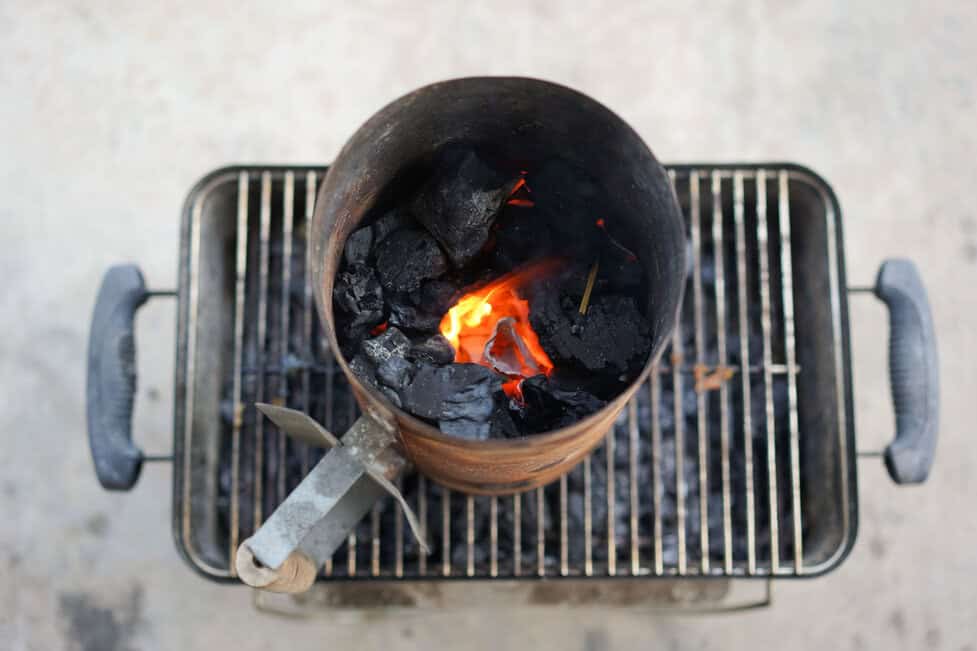
A chimney starter is a metal tube that helps light charcoal evenly. It uses air flow to start the coals quickly.
Fill the chimney with charcoal and place some paper or fire starters under it. Light the paper to start the coals.
- Place chimney on grill grate or heat-safe surface
- Light paper or fire starter underneath
- Wait 10-15 minutes for coals to turn gray and ash-covered
- Pour coals carefully into the grill
Avoiding Lighter Fluid
Lighter fluid can change the taste of your food. It also creates harmful fumes and flare-ups.
Use natural ways to start charcoal. Paper, fire starters, or a chimney starter work well without chemicals.
- Use crumpled newspaper under the chimney starter
- Try natural fire starter cubes or sawdust starters
- Never pour lighter fluid on hot coals
- Keep lighter fluid away from food and grill
Timing For Perfect Coals
Wait for the right moment before cooking. Hot charcoal should have a layer of white ash on the surface.
Coals that are too hot or not hot enough can burn or undercook food. Watch the color and heat carefully.
- Lighting time: 10-15 minutes with a chimney starter
- Coals ready when gray-white ash covers them
- Spread coals evenly for steady heat
- Adjust air vents to control fire temperature
Credit: www.hungryhuy.com
Mastering Temperature Control
Grilling with charcoal is an art that needs careful temperature control. Good heat management cooks food evenly and keeps it juicy.
Learn how to control your charcoal grill by adjusting vents, watching heat, and handling flare-ups.
Adjusting Air Vents
Air vents control how much oxygen reaches the charcoal. More oxygen means hotter fire. Less oxygen cools it down.
- Open the bottom vents to increase heat quickly.
- Close the top vents slightly to keep smoke inside.
- Close both vents to lower the temperature or to put the fire out.
- Adjust vents slowly and wait a few minutes to see changes.
Monitoring Heat Levels
Knowing the grill’s temperature helps you cook food perfectly. Use these ways to check heat.
| Method | How to Do It | Temperature Range |
| Hand Test | Hold hand 5 inches above coals | 1-2 seconds = High (450°F+) |
| Thermometer | Place grill thermometer on grate | Varies by grill type |
| Visual Cues | Look at charcoal glow and ash | Glowing red = Hot; Gray ash = Medium |
Managing Flare-ups
Flare-ups happen when fat drips on hot coals. They cause flames that burn food.
Tips to control flare-ups:
- Move food away from flames quickly.
- Keep a spray bottle of water nearby to douse small flames.
- Trim excess fat from meat before grilling.
- Use a two-zone fire to cook food indirectly if flare-ups get too big.
Grilling Techniques For Different Foods
Grilling with charcoal adds a smoky flavor to food. Different foods need different cooking styles. Using the right technique helps cook food evenly and taste great.
This guide covers key ways to grill using charcoal. Learn how to use heat wisely for meats, vegetables, and fruits.
Direct Vs Indirect Grilling
Direct grilling means placing food right over the hot coals. This cooks food fast and gives a nice char.
Indirect grilling places food away from the heat. It cooks food slowly and helps avoid burning.
- Use direct grilling for thin or small pieces like burgers and steaks.
- Use indirect grilling for large or tough cuts like whole chicken or ribs.
- Combine both by starting with direct heat, then moving to indirect to finish cooking.
Cooking Meats To Perfection
Meats need the right time and temperature to be juicy and safe. Charcoal grilling adds flavor but watch the heat.
Use a meat thermometer to check doneness. Let meat rest after grilling to keep juices inside.
- Steaks and burgers cook well over direct heat.
- Chicken and pork benefit from indirect heat for even cooking.
- Thin cuts need short grilling times; thick cuts need slower cooking.
- Rest meat 5-10 minutes before slicing.
Grilling Vegetables And Fruits
Vegetables and fruits grill quickly and gain a sweet, smoky taste. Cut them evenly for uniform cooking.
Brush with oil to prevent sticking. Use direct heat for quick grilling, or indirect for softer results.
- Firm vegetables like peppers and zucchini do well with direct heat.
- Delicate fruits like peaches need indirect heat to avoid burning.
- Use skewers or grill baskets for small pieces.
- Turn vegetables and fruits often for even cooking.
Adding Flavor With Wood And Spices
Grilling with charcoal gives food a smoky taste. You can add more flavor using wood and spices. Wood chips add a rich aroma and spices bring out the meat’s natural taste.
Choosing the right wood and spices helps you make delicious meals. Learn simple tips to use wood chips and spice rubs for your grill.
Choosing Wood Chips
Different wood chips create different flavors. Mild woods like apple and cherry add a sweet taste. Strong woods like hickory and mesquite give a bold, smoky flavor. Avoid softwoods like pine; they make food bitter.
- Apple: sweet and mild
- Cherry: fruity and mild
- Hickory: strong and smoky
- Mesquite: bold and earthy
- Oak: medium smoky flavor
Soaking And Using Wood
Soak wood chips in water for 30 minutes before grilling. This slows burning and makes more smoke. Drain chips and place them on hot charcoal or in a smoker box.
| Method | Purpose |
| Soaking wood chips | Slows burning, creates more smoke |
| Using dry chips | Burns faster, less smoke |
| Smoker box | Controls wood chip burn |
| Direct on charcoal | Simple, quick smoke flavor |
Spice Rubs And Marinades
Spice rubs add flavor and texture to grilled food. Marinades soak into meat, keeping it juicy. Use spices like paprika, garlic, and black pepper for rubs. Vinegar, oil, and herbs work well in marinades.
- Dry rub: mix spices and salt, rub on meat
- Marinade: liquid mix, soak meat for hours
- Common spices: paprika, cumin, garlic powder
- Good marinade bases: oil, vinegar, soy sauce
- Marinate in fridge for best results
Finishing Touches And Serving
Grilling with charcoal is fun and tasty. After cooking, some steps help keep the flavor and make serving easier.
Learn how to rest your food, present it well, and clean your grill for the next time.
Resting Grilled Food
Resting lets juices spread inside the meat. This makes it juicy and soft when you cut it.
- Remove meat from the grill.
- Place it on a clean plate or cutting board.
- Cover loosely with foil to keep warm.
- Wait 5 to 10 minutes before cutting.
Presentation Tips
How you serve grilled food makes it look more tasty. Use simple ways to make your meal inviting.
| Tip | Why It Works |
| Use colorful plates | Makes food look fresh and bright |
| Add fresh herbs | Gives a nice smell and color |
| Arrange food neatly | Shows care and makes serving easy |
| Serve sauces on the side | Lets people choose their flavor |
Cleaning After Cooking
Cleaning your charcoal grill keeps it safe and ready for next use. Do it soon after cooking.
- Let the grill cool down but stay warm.
- Use a stiff brush to scrape off food bits.
- Empty ashes after they are cold.
- Wipe outside with a damp cloth.
- Cover grill to protect from rain and dust.

Credit: www.ice.edu
Frequently Asked Questions
How Do I Start A Charcoal Grill Safely?
To start a charcoal grill safely, use a chimney starter to light the coals. Avoid lighter fluid for cleaner flavor. Ensure proper ventilation and wait until coals are covered with white ash before grilling.
What Is The Best Charcoal For Grilling?
Lump charcoal is best for grilling because it burns hotter and cleaner. It provides natural smoky flavor. Avoid briquettes with fillers for a purer taste and better heat control.
How Long Does Charcoal Take To Heat Up?
Charcoal typically takes 15-20 minutes to heat up. Wait until coals are covered with white-gray ash before cooking. This ensures even, consistent heat for perfect grilling results.
How Do I Control Temperature On A Charcoal Grill?
Control temperature by adjusting air vents and charcoal placement. Open vents increase heat; closing them lowers it. Spread coals for high heat or pile them for lower heat zones.
Conclusion
Grilling with charcoal brings rich, smoky flavors to your food. Start with clean, dry charcoal for best heat. Control the fire by adjusting air vents and charcoal placement. Keep tools handy and stay safe near the grill. Practice often to improve your timing and technique.
Enjoy the process and the delicious results. Charcoal grilling creates great memories with family and friends. Give it a try and taste the difference yourself.