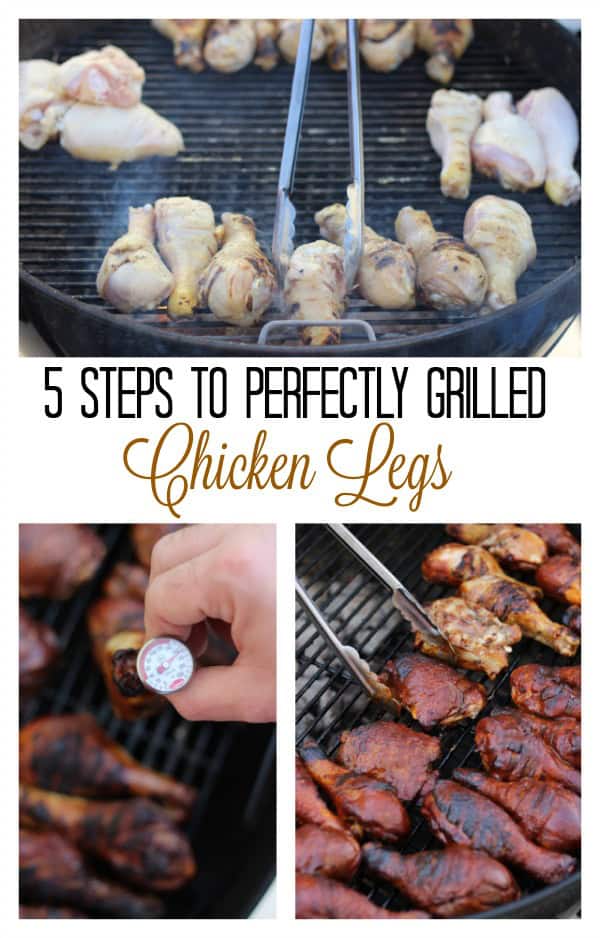
Grilling chicken legs on charcoal is one of the best ways to enjoy juicy, flavorful meat with that irresistible smoky taste. If you’ve ever struggled with dry or unevenly cooked chicken, this guide is made for you.
You’ll learn simple steps to get perfectly cooked legs every time, with crispy skin and tender meat inside. Imagine the smell of charcoal mingling with spices as your chicken sizzles over glowing coals—mouthwatering, right? Keep reading, and you’ll discover easy tips and tricks that turn your next barbecue into a tasty success you’ll want to repeat again and again.
Choosing The Right Chicken Legs
Picking the right chicken legs makes a big difference in grilling. You want the best texture and flavor for your charcoal grill. This guide helps you choose between fresh or frozen and skin-on or skinless options.
Understanding these choices helps you grill chicken legs that are juicy and tasty. Let’s look closer at each option.
Fresh Vs Frozen Options
Fresh chicken legs often taste better and cook more evenly. They have a firmer texture and a natural flavor. Frozen chicken legs are easy to store and last longer. You can keep them in your freezer for weeks before grilling.
- Fresh chicken legs have a bright color and smell clean.
- Frozen legs need to be thawed safely before cooking.
- Frozen chicken can lose some moisture but is good for meal prep.
- Fresh chicken is best used within a few days of purchase.
Skin-on Or Skinless
| Type | Benefits | Considerations |
| Skin-On | More flavor, crispy skin when grilled | Takes longer to cook, higher fat content |
| Skinless | Leaner, cooks faster | Less juicy, needs careful basting |
Skin-on chicken legs add extra flavor and stay moist on the grill. The skin crisps up nicely over charcoal. Skinless legs cook quicker but can dry out if not watched closely. Choose based on your taste and cooking style.

Credit: www.youtube.com
Preparing Chicken For Grilling
Grilling chicken legs on charcoal is a tasty way to enjoy a meal. Proper preparation helps the chicken cook evenly and taste great.
Start by cleaning and trimming the chicken, then add flavor with marinades or rubs. Brining can make the meat juicy and tender.
Cleaning And Trimming
Rinse the chicken legs under cold water to remove any dirt or residue. Pat them dry with paper towels to help the skin crisp up during grilling.
Trim off any excess fat or skin that looks loose. You can also remove small feathers or leftover bits for a cleaner look and better cooking.
Marinades And Rubs
Marinades add flavor and moisture to chicken legs. Use ingredients like oil, acid (such as lemon juice or vinegar), herbs, and spices. Let the chicken soak for at least 30 minutes.
Dry rubs are a mix of spices you rub directly on the chicken. They create a tasty crust when grilled. Common spices include paprika, garlic powder, salt, and pepper.
- Use olive oil or vegetable oil in marinades
- Try lemon juice or vinegar for acidity
- Include garlic, paprika, salt, and pepper in rubs
- Marinate for 30 minutes to several hours
- Apply rubs just before grilling
Brining For Juiciness
Brining helps chicken legs stay moist during grilling. Soak them in a saltwater solution for a few hours before cooking.
Use a simple brine with water, salt, and sugar. You can add herbs or spices for extra flavor. After brining, rinse and dry the chicken well.
- Use 1/4 cup salt per 4 cups of water
- Add 1/4 cup sugar for balance
- Optional: add peppercorns, garlic, or herbs
- Brine chicken for 2 to 4 hours in the fridge
- Rinse and pat dry before grilling
Setting Up The Charcoal Grill
Grilling chicken legs on a charcoal grill brings out a smoky flavor. Setting up the grill properly is the first step to a tasty meal.
Follow these steps to ensure your grill is ready for delicious chicken legs. A well-set grill makes cooking easy and fun.
Lighting Charcoal Properly
Start by arranging charcoal in a pyramid shape. This helps them light evenly and quickly. Use a chimney starter for best results.
Light the paper under the chimney starter. Wait until the charcoal is covered with a light gray ash. This means they are ready to use.
- Arrange charcoal in a pyramid
- Use a chimney starter
- Wait for gray ash to form
Creating Heat Zones
Divide the charcoal into two zones. One side should have more charcoal for high heat. The other side should have less for low heat.
This setup allows you to control cooking speed. Use the high heat zone to sear the chicken. Move to the low heat zone to cook through.
| Heat Zone | Charcoal Amount |
|---|---|
| High Heat | More Charcoal |
| Low Heat | Less Charcoal |
Maintaining Grill Temperature
Keep the grill temperature steady for even cooking. Use the vents to control airflow. More airflow increases the heat, less lowers it.
Check the temperature often with a grill thermometer. Aim for a consistent temperature around 350°F for chicken legs.
- Adjust vents for airflow
- Use a grill thermometer
- Maintain 350°F for cooking

Credit: cooking.nytimes.com
Grilling Techniques For Chicken Legs
Grilling chicken legs on charcoal gives a smoky and rich flavor. Using the right techniques makes the chicken juicy and tasty.
Understanding heat control, searing, and handling flare-ups helps you cook chicken legs perfectly every time.
Direct Vs Indirect Heat
Direct heat means placing chicken legs right above the charcoal. It cooks the outside fast and creates grill marks.
Indirect heat means placing the chicken beside the charcoal. It cooks the meat slowly and evenly without burning.
- Use direct heat to sear and brown the skin.
- Use indirect heat to cook the chicken through.
- Switch between heat zones to avoid burning.
Achieving Perfect Sear
Searing locks in juices and gives a crispy skin. Start cooking chicken legs on direct heat for a few minutes on each side.
Make sure the grill is hot before placing the chicken. Don’t move the legs too soon to get nice grill marks.
- Preheat charcoal until it is covered with white ash.
- Place chicken legs on direct heat for 3-4 minutes per side.
- Move chicken to indirect heat to finish cooking.
Avoiding Flare-ups
Flare-ups happen when fat drips on the coals and causes flames. They can burn the chicken and cause uneven cooking.
To avoid flare-ups, trim excess fat from the chicken legs. Keep a spray bottle of water nearby to control small flames.
- Trim fat and skin to reduce dripping.
- Use indirect heat to cook most of the chicken.
- Lower the lid to control oxygen and flames.
- Spray water on flare-ups if needed, but use sparingly.
Checking Doneness And Safety
Grilling chicken legs on charcoal is delicious but needs care to ensure safety. Checking if the meat is cooked well prevents foodborne illness.
This guide explains how to check doneness using a meat thermometer and visual cues. Follow these tips for safe, tasty chicken legs.
Using A Meat Thermometer
A meat thermometer is the most reliable way to check chicken legs. It shows the exact internal temperature.
- Insert the thermometer into the thickest part of the leg, avoiding the bone.
- Wait for the reading to stabilize.
- Chicken legs are safe to eat at 165°F (74°C) or higher.
- Clean the thermometer after each use to avoid bacteria.
Visual And Texture Cues
Without a thermometer, look for signs that show the chicken is cooked inside and safe to eat.
| Sign | What to Look For |
| Juices | Clear, not pink or red when pierced |
| Meat Color | White or light brown, no pink inside |
| Texture | Firm, not rubbery or jelly-like |
| Skin | Crispy and browned on the outside |
Resting And Serving Tips
Grilled chicken legs need time to rest after cooking. Resting keeps the meat juicy and tender. Serving them with the right sides makes the meal better.
Follow these tips to enjoy your chicken legs at their best. Resting and choosing sauces or sides can change the whole experience.
Resting Time For Juiciness
Let chicken legs rest for about 5 to 10 minutes after grilling. This helps the juices spread inside the meat evenly. Cutting too soon lets the juices run out.
Cover the chicken loosely with foil while resting. This keeps the heat inside without steaming the skin. Resting also makes the meat easier to carve.
Complementary Sauces And Sides
Choose sauces that match the smoky flavor of charcoal-grilled chicken. Tangy, spicy, or creamy sauces work well. Add fresh or grilled sides to balance the meal.
- Barbecue sauce adds a sweet and smoky taste
- Hot sauce gives a spicy kick
- Ranch or garlic sauce offers creamy flavor
- Grilled vegetables enhance the smoky profile
- Fresh salads bring a light, crisp contrast
- Coleslaw adds crunch and coolness
Troubleshooting Common Issues
Grilling chicken legs on charcoal can be tricky. Some problems may ruin your cookout. This guide helps fix common issues fast.
Check these tips to improve your grilling results and enjoy juicy, tasty chicken legs every time.
Dry Or Overcooked Chicken
Dry or overcooked chicken legs happen from too much heat or long cooking time. Avoid this to keep meat juicy and tender.
- Use medium heat, not high, to cook chicken evenly.
- Check internal temperature with a meat thermometer; 165°F is safe.
- Turn chicken often to avoid burning one side.
- Marinate or baste the legs to keep moisture inside.
Uneven Cooking
Uneven cooking causes parts of the chicken to be raw while others are burnt. This happens when heat spreads unevenly.
| Cause | Fix |
| Charcoal too close to chicken | Raise grill grate or use indirect heat |
| Chicken pieces too crowded | Space legs apart for better air flow |
| Uneven charcoal placement | Arrange coals evenly under grill |
| Not rotating chicken | Turn legs regularly during cooking |
Charcoal And Smoke Problems
Charcoal and smoke can affect flavor and cooking time. Too much smoke or weak heat can spoil your chicken.
Try these tips:
- Use natural lump charcoal for cleaner smoke.
- Avoid lighter fluid; use a chimney starter instead.
- Let coals burn until they are covered with white ash.
- Add wood chips sparingly for mild smoke flavor.
- Control airflow with vents to keep steady heat.
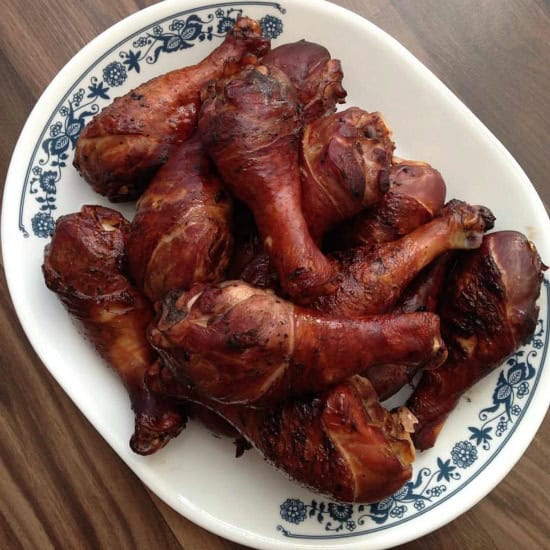
Credit: gluesticksblog.com
Frequently Asked Questions
How Long To Grill Chicken Legs On Charcoal?
Grill chicken legs for about 30-35 minutes over medium heat. Turn them every 7-8 minutes for even cooking and crisp skin.
What Temperature Is Best For Charcoal Grilling Chicken Legs?
Maintain a charcoal temperature around 350°F (175°C) for juicy, well-cooked chicken legs. Use indirect heat to avoid burning.
Should I Marinate Chicken Legs Before Grilling?
Yes, marinate chicken legs for 1-4 hours to enhance flavor and tenderness. Use a mix of oil, acid, and spices.
How Do I Know When Chicken Legs Are Fully Cooked?
Use a meat thermometer; chicken legs are done at 165°F (74°C) internal temperature. Juices should run clear, not pink.
Conclusion
Grilling chicken legs on charcoal brings a smoky, rich flavor. Keep the heat steady and turn the legs often. Use a meat thermometer to check doneness. Let the chicken rest before serving for juicy bites. Simple steps make your grill time easy and fun.
Enjoy your tasty, homemade grilled chicken anytime.