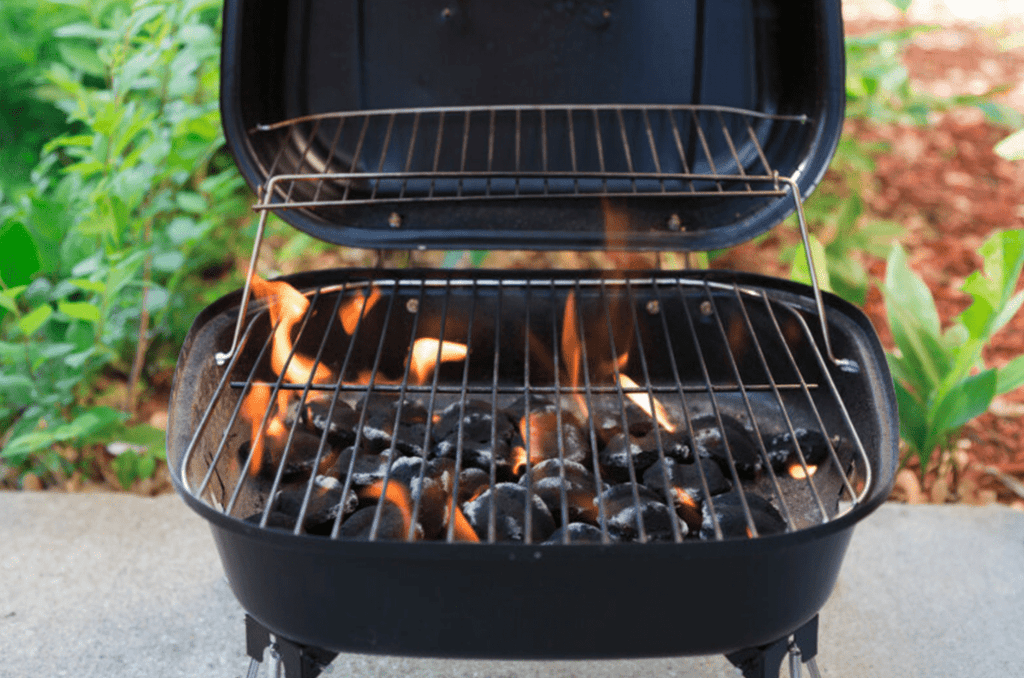
Grilling on a charcoal grill can be a game-changer for your backyard cookouts. But mastering the vents?
That’s where many people get stuck. If you want juicy, perfectly cooked meals every time, understanding how to use your grill’s vents is key. In this guide, you’ll discover simple steps to control the heat like a pro and unlock the full flavor of your food.
Ready to take your grilling skills up a notch? Keep reading—you’re about to become the grill master you’ve always wanted to be.
Choosing The Right Charcoal
Using the right charcoal helps you cook food evenly and adds flavor. Charcoal comes in different types. Each type burns differently and gives different heat levels.
Choosing good charcoal makes grilling easier. It affects how hot your grill gets and how long the fire lasts. This guide will help you pick the best charcoal for your grill.
Lump Charcoal Vs Briquettes
Lump charcoal is made by burning wood in low oxygen. It is natural and burns hotter than briquettes. Lump charcoal lights quickly and gives a smoky flavor.
Briquettes are made from compressed charcoal dust and other ingredients. They burn longer and give steady heat. Briquettes are good for slow cooking and smoking.
- Lump charcoal:Burns hot and fast
- Briquettes:Burns steady and long
- Lump charcoal:Natural wood flavor
- Briquettes:Consistent heat for hours
- Lump charcoal:Less ash produced
- Briquettes:Easier to light and control
Adding Wood Chips For Smoke
Wood chips add extra smoke flavor to your grilled food. You can use different types of wood chips for different tastes. Popular choices include hickory, apple, and mesquite.
Soak wood chips in water for 30 minutes before adding them to the charcoal. This makes them burn slower and produce more smoke. Place the chips on hot charcoal or in a smoker box.
- Soak chips to slow burning
- Add chips to hot charcoal for smoke
- Use smoker box for easy control
- Choose wood types for flavor variety
- Do not add too many chips at once

Credit: www.siuhaau.com
Setting Up Your Grill Vents
Using your charcoal grill vents correctly helps control the fire and cooking. Vents let air in and smoke out. Proper vent settings give better heat and flavor.
Learn how to use bottom and top vents for the best grilling results. Adjust vents to manage airflow and smoke release.
Bottom Vents For Airflow Control
Bottom vents bring air into the grill. More air means a hotter fire. Less air slows the fire down. Control the flame by opening or closing these vents.
- Open vents fully for high heat and quick cooking.
- Partially close vents for medium heat and steady cooking.
- Close vents mostly to lower heat and slow cooking.
- Keep vents open slightly to keep coals burning when not grilling.
Top Vents For Smoke Release
Top vents let smoke and hot air escape. Adjusting them controls smoke flavor and temperature inside the grill. Open vents release smoke faster, while closing them traps smoke for more flavor.
| Vent Position | Effect on Smoke | Effect on Heat |
| Fully Open | Smoke escapes quickly | Heat rises and leaves |
| Partially Open | Smoke stays longer | Heat stays steady |
| Mostly Closed | Smoke trapped inside | Heat builds up |
Lighting And Managing The Fire
Grilling on a charcoal grill can be fun. The key is to manage the fire well. This helps you cook tasty food.
Charcoal grilling is different from gas grilling. You need to light the charcoal and adjust the vents. This controls the heat.
Starting The Charcoal
Start by placing charcoal in a pile. Use a chimney starter for easy lighting. Fill it with charcoal and place newspaper underneath.
Light the newspaper to ignite the charcoal. Wait until the top coals are gray with ash. This means they are ready to use.
- Use enough charcoal for your cooking time
- Wear gloves to protect your hands
- Keep a bucket of water nearby for safety
Adjusting Vents For Temperature
The vents control how much air gets to the fire. More air makes the fire hotter. Less air cools it down.
Open the bottom vent to let air in. Use the top vent to let smoke out. Adjust both to keep the right temperature.
- Open vents for high heat grilling
- Close vents for low and slow cooking
- Check the temperature often
Direct Vs Indirect Cooking Zones
Grilling with a charcoal grill uses two main heat zones. These zones are called direct and indirect cooking zones. Knowing how to use them helps you cook food evenly and safely.
The vents on your charcoal grill control the air flow. This controls the heat and helps you set up these two cooking zones. Let’s learn how to create and use them.
Creating Heat Zones
To make a direct heat zone, place hot charcoal on one side of the grill. This area gets very hot and cooks food fast. The indirect zone is on the other side. It has little or no charcoal below it, so it cooks food slower with gentler heat.
- Direct zone: charcoal piled on one side.
- Indirect zone: no charcoal or fewer coals on the other side.
- Use grill vents to control airflow and heat intensity.
- Open vents increase heat, close vents lower heat.
When To Use Each Zone
Use the direct zone for foods that cook quickly or need a sear. Use the indirect zone for larger or tougher cuts that need slow cooking. Switching zones while grilling helps avoid burning or undercooking food.
| Cooking Zone | Best For | Heat Level |
| Direct | Steaks, burgers, thin cuts, vegetables | High |
| Indirect | Whole chicken, ribs, roasts, thick cuts | Medium to Low |
Mastering Temperature Control
Grilling on a charcoal grill needs good temperature control. The vents on the grill help you manage heat.
By adjusting the vents, you can cook food evenly and avoid burning it. Let’s learn how to use them well.
Reading The Grill Thermometer
The grill thermometer shows the inside temperature of your grill. It helps you know if the heat is right.
Check the thermometer before and during cooking. Different foods need different temperatures to cook well.
- Low heat is around 225°F to 275°F for slow cooking.
- Medium heat is 300°F to 350°F for most grilling.
- High heat is 400°F and above for searing.
Fine-tuning With Vents
The vents control airflow inside the grill. More air means higher heat. Less air means lower heat.
Open the bottom vent to add oxygen to the fire. Use the top vent to let smoke and heat escape.
- Open both vents fully for maximum heat.
- Close vents partially to lower the temperature.
- Close vents fully to put out the fire.
- Adjust vents slowly and watch the thermometer.

Credit: www.youtube.com
Tips For Adding Flavor
Grilling on a charcoal grill with vents lets you control heat and smoke. This control helps add great flavor to your food. Using marinades, rubs, and smoke flavors can make your grilled dishes tastier.
Here are some easy tips to boost flavor. They work well with vented charcoal grills. Follow these ideas to enjoy flavorful grilled meals every time.
Using Marinades And Rubs
Marinades soak into meat and add moisture and taste. Rubs create a spicy or sweet crust on the surface. Both improve the flavor of grilled food.
- Use acidic liquids like lemon juice or vinegar in marinades.
- Include herbs and spices such as garlic, paprika, and black pepper.
- Apply rubs evenly before grilling for a strong flavor crust.
- Let meat sit with marinade or rub for at least 30 minutes.
- Adjust vent settings to control grill temperature for even cooking.
Incorporating Smoke Flavors
Smoke adds a deep, rich flavor that charcoal grilling is known for. You can add wood chips or chunks to the charcoal to create different smoke tastes.
| Wood Type | Flavor Profile | Best For |
| Hickory | Strong, bacon-like | Pork, ribs, beef |
| Apple | Sweet, mild | Chicken, fish, vegetables |
| Mesquite | Bold, earthy | Beef, game meat |
| Cherry | Fruity, sweet | Pork, poultry |
Cleaning And Maintaining Vents
Keeping your charcoal grill vents clean helps control the heat well. Vents allow air to flow inside the grill.
Dirty vents can block airflow and affect cooking. Regular cleaning keeps your grill working right.
Preventing Rust And Build-up
Rust and grease can build up on vents if not cleaned. This can make vents hard to open or close.
Clean vents after each use to stop rust and dirt. Use a wire brush to remove ash and food bits.
- Brush vents with a wire brush to remove debris
- Wipe vents with a damp cloth to clear grease
- Dry vents fully to prevent rust
- Apply light oil to metal vents for protection
Ensuring Smooth Operation
Vents should open and close easily for good air flow control. Sticky vents make grilling hard.
Check vents often and clean any stuck ash or grease. Lubricate moving parts lightly to keep them smooth.
- Clear vents of ash and soot after grilling
- Use cooking oil or spray to lubricate hinges
- Test vents before lighting the grill
- Replace damaged vents to keep airflow steady

Credit: www.thetakeout.com
Frequently Asked Questions
How Do Vents Control Temperature On A Charcoal Grill?
Vents regulate airflow, increasing or decreasing oxygen to the coals. Open vents raise temperature by feeding oxygen. Closing vents lowers heat by reducing oxygen flow. Proper vent adjustment ensures consistent grilling temperatures and better cooking results.
When Should I Open Or Close Charcoal Grill Vents?
Open vents fully when lighting charcoal to boost airflow and ignite coals. Partially close vents once coals are hot to maintain steady heat. Adjust vents throughout cooking to control temperature and avoid flare-ups.
Can Vent Settings Affect Cooking Time On Charcoal Grills?
Yes, vents directly impact charcoal temperature. Open vents increase heat and speed cooking. Closed vents lower heat and slow cooking. Adjusting vents helps control cooking time and achieve desired food doneness.
Why Is Vent Placement Important On A Charcoal Grill?
Bottom vents supply oxygen to fuel the fire, while top vents allow smoke and heat to escape. Proper vent placement ensures airflow balance, preventing flare-ups and maintaining stable temperature for even grilling.
Conclusion
Grilling with vents helps control heat and smoke easily. Open vents more for hotter flames and close them to cool down. Watch the fire and adjust vents to keep steady heat. This simple skill makes your food taste better every time.
Practice often and enjoy the rich flavors of charcoal grilling. Soon, you will grill with confidence and have great meals outdoors. Keep these tips in mind and have fun cooking on your charcoal grill.