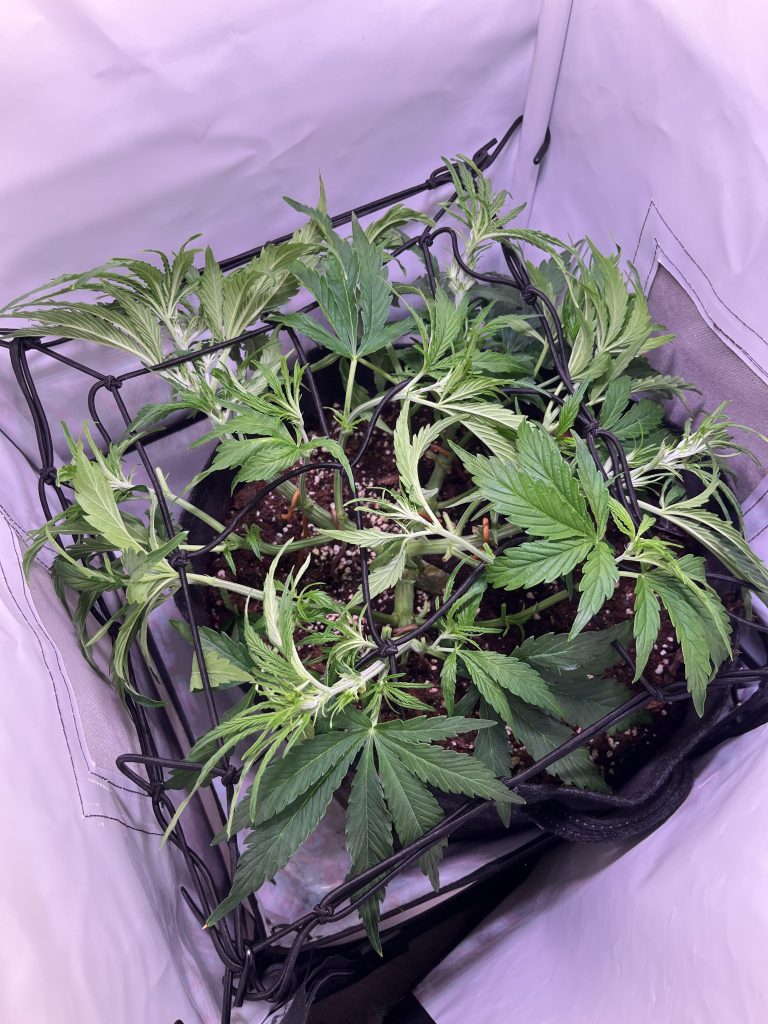
Are you ready to take control of your gardening and grow autoflowers right at home? Growing autoflowers in a grow tent is one of the smartest ways to get strong, healthy plants without needing a lot of space or experience.
Imagine harvesting fresh buds in just a few weeks, all from the comfort of your own room. In this guide, you’ll discover simple, step-by-step tips that will help you set up your grow tent, care for your plants, and maximize your yield.
Keep reading to unlock the secrets that will make your autoflower grow successful and stress-free. Your perfect grow starts here.
Choosing The Right Autoflower Strain
Growing autoflower plants in a grow tent is easier with the right strain. Each strain has unique features. Picking the best one helps you get good results.
This guide looks at popular autoflower varieties, what to consider in strains, and where to buy quality seeds.
Popular Autoflower Varieties
Many autoflower strains suit grow tents. Some are good for beginners, others for experienced growers. Here are some popular types:
- White Widow: Easy to grow, strong effects, good yield.
- Northern Lights: Fast flowering, good for small spaces.
- Blueberry: Sweet aroma, relaxing effects, medium size.
- Gorilla Glue: High potency, sticky resin, needs space.
- Amnesia Haze: Uplifting effects, longer flowering time.
Strain Characteristics To Consider
| Characteristic | What to Check |
| Flowering Time | Choose short cycles for quick harvests |
| Plant Size | Pick strains that fit your tent space |
| Yield | Look for strains with good production |
| Effect | Decide between relaxing or energizing effects |
| Resistance | Check for strain resistance to pests and mold |
Knowing these traits helps you match the strain to your grow tent and needs.
Where To Buy Quality Seeds
Buy seeds from trusted sources to get healthy plants. Quality seeds give better germination and stronger plants.
- Official seed banks with good reviews
- Local stores specializing in cannabis seeds
- Online shops with secure payment and delivery
- Grower forums and communities for recommendations
Setting Up Your Grow Tent
Setting up a grow tent for autoflowering plants is crucial for healthy growth. It provides a controlled environment that enhances the plant’s development.
In this guide, you will learn about selecting the right tent, ensuring proper airflow, and creating an optimal light environment.
Selecting The Tent Size
The size of the grow tent depends on the number of plants you want to grow. A small tent can accommodate a few plants, while larger tents can hold more.
- Consider the space available in your home.
- Ensure the tent can fit in your designated area.
- Leave room for ventilation equipment.
Ventilation And Airflow
Proper ventilation keeps the air fresh and controls humidity levels. This is crucial for avoiding mold and ensuring strong plant growth.
- Install an exhaust fan to remove stale air.
- Use an oscillating fan to improve air circulation.
- Ensure there are air intake vents for fresh air.
Lightproofing And Reflective Surfaces
Lightproofing prevents unwanted light from entering or escaping the tent. Reflective surfaces maximize light exposure for your plants.
| Material | Reflectivity |
| Mylar | 90-95% |
| White Paint | 85-90% |
| Foil | 70-75% |
Lighting For Autoflowers
Lighting is very important for growing autoflower plants in a grow tent. Good light helps plants grow strong and healthy. Choosing the right light and setting it up correctly makes a big difference.
In this guide, we focus on the best types of grow lights, the right light schedules and intensity, and how to position lights for the best growth.
Best Types Of Grow Lights
Autoflowers do well under different kinds of grow lights. Each light type has strengths and weaknesses. You should pick a light that fits your grow tent size and budget.
- LED Lights:Use less power and produce less heat. They last long and give full spectrum light.
- HID Lights (High-Intensity Discharge):Provide strong light intensity but use more electricity and create heat.
- CFL Lights (Compact Fluorescent Lights):Good for small grow tents and seedlings. They are less powerful but cheaper.
Light Schedules And Intensity
Autoflowers need a steady light schedule to grow properly. They do not rely on light changes to flower, but constant light helps them thrive.
| Light Hours | Effect |
| 18 hours on / 6 hours off | Most common schedule for good growth and flowering |
| 20 hours on / 4 hours off | Can increase yield but may stress the plant if not monitored |
| 24 hours on | Maximum growth speed but can cause stress in some plants |
Light intensity should be strong but not too close to burn the plants. Adjust the height based on light type and plant size.
Positioning Lights For Optimal Growth
Correct light placement helps plants get even light and grow straight. Keep lights above plants and move them as plants grow.
- Keep LED lights 12 to 24 inches above plants.
- Place HID lights 18 to 24 inches above to avoid burning.
- Use adjustable hangers to change light height easily.
- Rotate plants if needed for even light exposure.
Soil And Nutrients
Growing autoflowers in a grow tent needs good soil and nutrients. Soil gives plants a place to grow strong roots. Nutrients help plants stay healthy and produce buds.
Choosing the right soil mix and feeding schedule is key. This guide covers soil mix choices, essential nutrients, and feeding tips.
Choosing The Right Soil Mix
Autoflowers grow best in light, well-draining soil. The soil should hold moisture but not stay soggy. A mix with organic matter helps provide nutrients over time.
- Use soil with peat moss or coco coir for moisture retention.
- Add perlite or vermiculite for air and drainage.
- Mix compost or worm castings to add nutrients naturally.
- Avoid heavy clay soils that hold too much water.
- Look for soil with a pH between 6.0 and 7.0 for best nutrient uptake.
Essential Nutrients For Autoflowers
Autoflowers need nutrients in three main groups: macronutrients, secondary nutrients, and micronutrients. These help plants grow leaves, stems, and flowers.
| Nutrient | Role | Sources |
| Nitrogen (N) | Builds leaves and stems | Blood meal, fish emulsion |
| Phosphorus (P) | Supports root and flower growth | Bone meal, rock phosphate |
| Potassium (K) | Strengthens plant and improves buds | Wood ash, kelp meal |
| Calcium (Ca) | Strengthens cell walls | Gypsum, lime |
| Magnesium (Mg) | Helps photosynthesis | Epsom salt |
| Iron (Fe) | Supports chlorophyll production | Iron chelate |
Feeding Schedule And Tips
Autoflowers grow fast and need careful feeding. Overfeeding can harm plants. Feed lightly and adjust based on plant health.
- Start with low nutrient doses in the first two weeks.
- Increase feeding during the vegetative stage.
- Reduce nutrients when flowers start to form.
- Flush plants with plain water in the last week before harvest.
- Watch leaves for signs of nutrient burn or deficiency.
Watering Techniques
Growing autoflowers in a grow tent needs the right watering. Water helps plants stay healthy and grow fast.
Using good watering methods stops problems like root rot and slow growth.
How Often To Water
Water autoflowers when the top inch of soil feels dry. Check soil daily by touching it.
Young plants need less water. Older plants need more as they grow bigger.
- Water small plants every 2-3 days
- Water bigger plants every 1-2 days
- Adjust based on temperature and humidity
Avoiding Overwatering
Overwatering can hurt autoflowers by causing root rot and low oxygen. Roots need air to grow well.
Use pots with good drainage holes. Let extra water drain out to keep roots healthy.
- Water only when soil feels dry on top
- Use pots with holes for drainage
- Do not let water sit at the pot bottom
Using Ph Balanced Water
Autoflowers need water with a pH between 6.0 and 7.0. This helps plants absorb nutrients well.
Test water pH before watering. Use pH up or down solutions to fix the water if needed.
- Test water pH with a kit or meter
- Keep pH between 6.0 and 7.0
- Adjust water pH before each watering
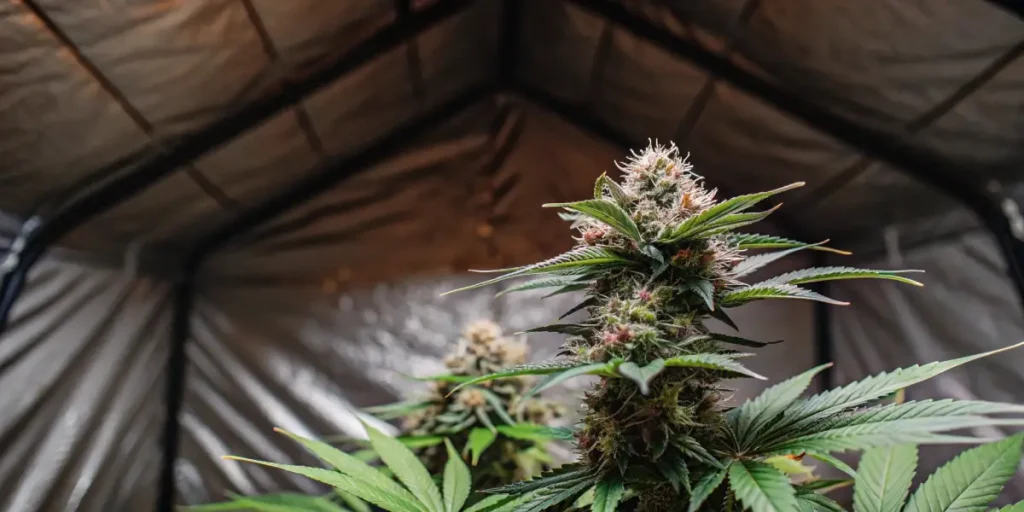
Credit: blimburnseeds.com
Temperature And Humidity Control
Growing autoflower plants in a grow tent needs careful control of temperature and humidity. These factors affect plant health and growth speed.
Keeping the right climate inside the tent helps plants grow strong and produce better yields.
Ideal Temperature Ranges
Autoflowers grow best with temperatures between 68°F and 78°F (20°C to 25°C). At night, temperatures can drop slightly but should stay above 60°F (15°C).
Too hot or too cold temperatures can slow growth or harm plants. Watch your thermometer daily to keep the right range.
Managing Humidity Levels
Young autoflower plants like higher humidity of 60% to 70%. As plants grow, lower humidity to 40% to 50% to prevent mold.
Keep humidity stable. Too much moisture can cause problems like mildew, while too little can dry plants out.
- Seedling stage: 65% to 70% humidity
- Vegetative stage: 50% to 60% humidity
- Flowering stage: 40% to 50% humidity
Tools For Climate Control
Use tools to keep temperature and humidity steady in your grow tent. A good setup helps plants thrive.
- Thermometer and hygrometer to measure temperature and humidity
- Fan for air circulation to avoid hot spots
- Heater or air conditioner to control temperature
- Humidifier or dehumidifier to adjust moisture levels
Training And Pruning Autoflowers
Growing autoflowers in a grow tent needs good care. Training and pruning help plants grow healthy and strong.
These techniques improve light access and air flow. This leads to better yields and stronger buds.
Low Stress Training Methods
Low stress training (LST) bends plants gently. It changes plant shape without cutting or breaking.
Use soft ties or strings to bend branches outward. This spreads the plant wide and helps light reach all parts.
- Bend main stem horizontally
- Tie down side branches
- Adjust ties as the plant grows
- Do not pull too hard to avoid damage
When And How To Prune
Pruning removes small or weak leaves and branches. Do this early to let the plant focus on strong growth.
Start pruning after the second week of growth. Use clean scissors to cut underdeveloped parts carefully.
- Remove leaves blocking light to lower buds
- Cut small branches that won’t get light
- Avoid heavy pruning to prevent stress
- Prune only healthy parts to avoid infections
Maximizing Yield And Light Penetration
Training and pruning help spread light evenly. This lets all buds grow bigger and stronger.
Keep plants low and wide in the tent. This improves air flow and reduces risk of mold or pests.
- Use LST to shape plants for better light
- Prune leaves blocking light to buds
- Keep grow tent clean and ventilated
- Monitor plant health often
Pest And Disease Prevention
Growing autoflowers in a grow tent needs careful pest and disease control. Healthy plants grow faster and yield more.
Preventing problems early is better than fixing damage later. Learn how to keep pests and diseases away from your grow tent.
Common Issues In Grow Tents
Pests and diseases are common in grow tents. Spider mites, aphids, and powdery mildew often attack plants.
- Spider mites cause yellow spots on leaves.
- Aphids suck sap and weaken plants.
- Powdery mildew creates white powder on leaves.
- Root rot happens if soil stays too wet.
Natural Pest Control Options
Use natural methods to fight pests without chemicals. These keep your plants safe and healthy.
- Introduce ladybugs to eat aphids and mites.
- Spray neem oil to stop insect growth.
- Use insecticidal soap to kill soft-bodied pests.
- Keep plants strong with good nutrition.
- Use sticky traps to catch flying insects.
Maintaining Cleanliness
Cleanliness helps stop pests and diseases from growing. Always keep your grow tent tidy.
| Cleaning Task | Frequency |
| Wipe down tent walls | Weekly |
| Remove dead leaves | Every 2 days |
| Disinfect tools | After each use |
| Change air filters | Monthly |
| Check for pests | Daily |
Harvesting And Drying
Growing autoflowers in a grow tent leads to a quick harvest. Knowing when and how to harvest is key. Proper drying preserves flavor and potency.
This guide helps you spot readiness, harvest carefully, and dry your buds for best quality.
Signs Your Plants Are Ready
Look closely at your plants before harvesting. The right signs tell you when to pick.
- Trichomes turn milky white or amber under a magnifier.
- Pistils change color from white to reddish or brown.
- Leaves near buds may yellow and die off.
- Bud size and density reach their peak.
Proper Harvesting Techniques
Use clean tools and gentle handling to avoid damage. Harvest at the right time of day.
- Turn off lights 12 hours before harvest to boost resin.
- Cut branches carefully with sharp scissors or pruners.
- Remove large fan leaves but keep sugar leaves intact.
- Handle buds gently to keep trichomes from breaking.
- Place cut branches in a dark, cool spot for drying.
Drying And Curing For Quality
Drying and curing increase flavor and smoothness. It needs patience and a good environment.
| Drying Phase | Conditions | Duration |
|---|---|---|
| Initial Drying | Dark room, 60-70°F, 50% humidity | 7-10 days |
| Touch Test | Buds feel dry outside but slightly soft inside | Check daily |
| Curing | Glass jars opened daily for air exchange | 2-4 weeks minimum |
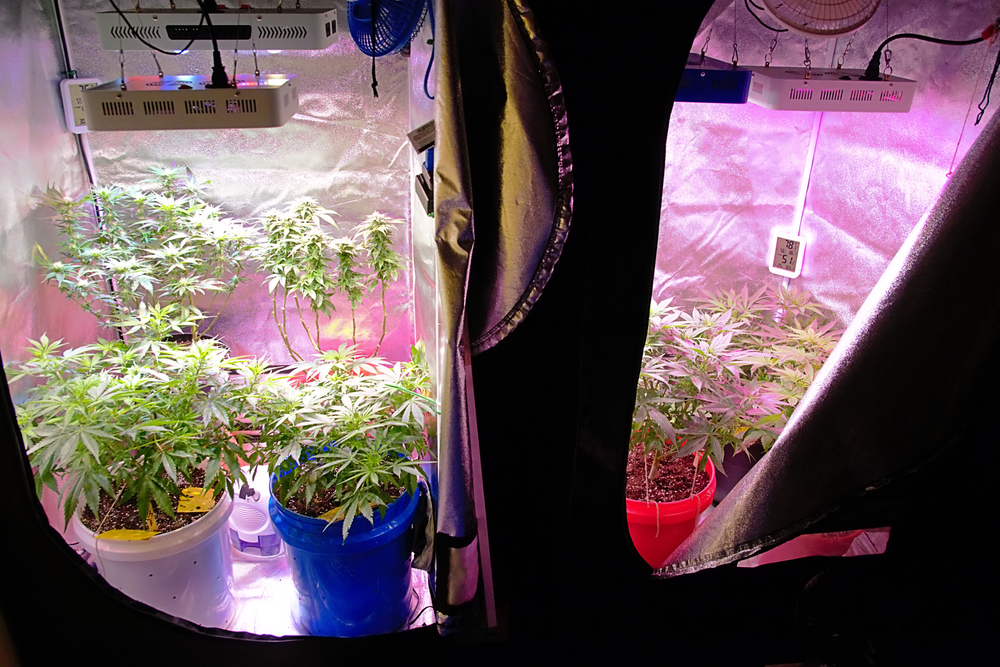
Credit: howtogrowmarijuana.com
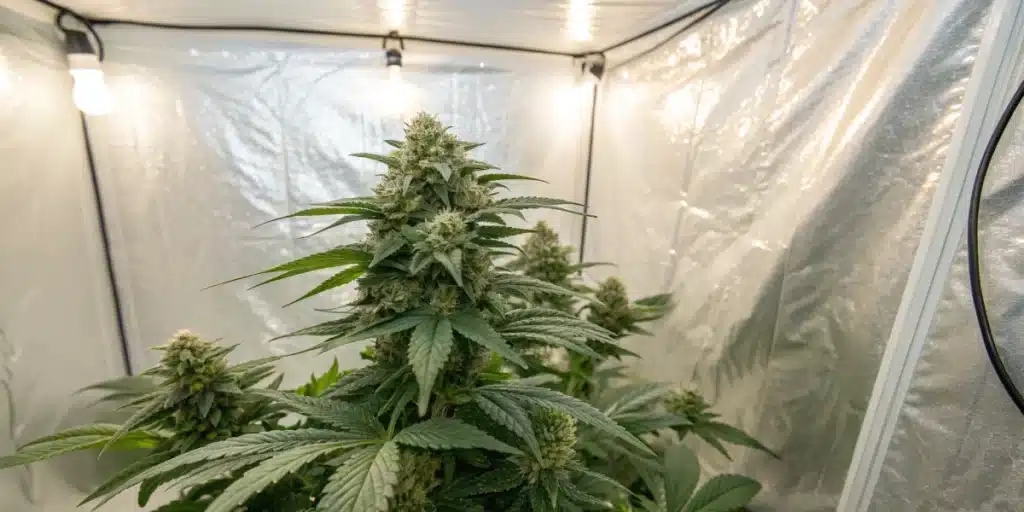
Credit: blimburnseeds.com
Frequently Asked Questions
What Is The Best Light Cycle For Autoflowers In A Grow Tent?
Autoflowers thrive under 18-24 hours of light daily. This light cycle boosts growth and maximizes yield in grow tents. Consistent lighting helps plants flower efficiently without stress or delay.
How Do I Control Temperature In A Grow Tent?
Maintain temperatures between 70-85°F (21-29°C) for healthy autoflowers. Use fans and ventilation to avoid heat buildup. Proper temperature control prevents stress and supports optimal growth and flowering.
Can I Use Soil Or Hydroponics For Autoflowers?
Both soil and hydroponics work well for autoflowers in grow tents. Soil offers natural nutrients and easy setup. Hydroponics provides faster growth and precise nutrient control. Choose based on your experience and equipment.
How Often Should I Water Autoflowers In A Grow Tent?
Water autoflowers when the top inch of soil feels dry. Overwatering causes root problems and slows growth. Typically, watering every 2-3 days suits most grow tents, but adjust based on humidity and temperature.
Conclusion
Growing autoflowers in a grow tent is simple and rewarding. Keep the environment clean and the light schedule steady. Water your plants carefully and watch for signs of stress. Good air circulation helps plants stay healthy. Use quality soil and nutrients for best results.
Patience and attention bring a strong, healthy harvest. Small steps lead to great growth. Try these tips and enjoy your autoflower journey.