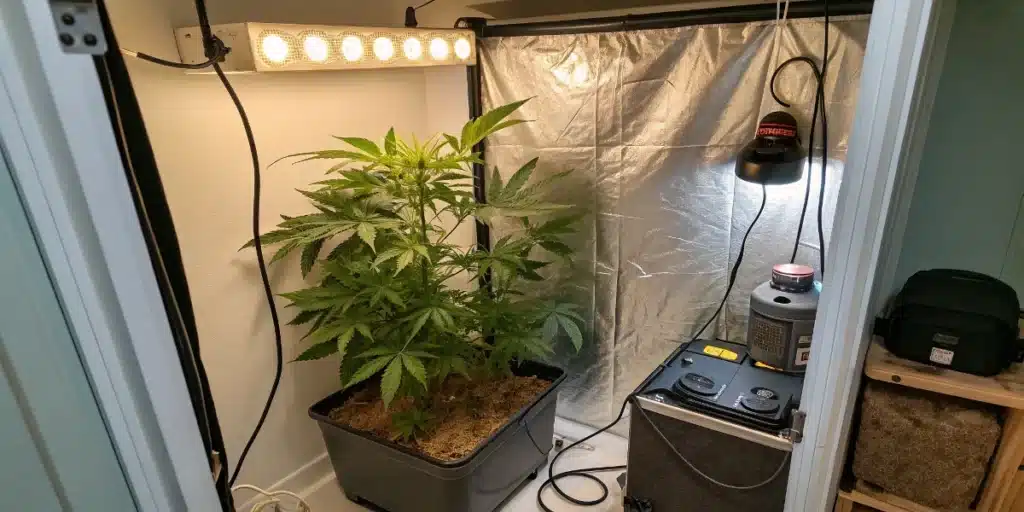
Are you ready to take control of your marijuana growing experience? Growing marijuana in a grow tent is one of the smartest ways to get healthy, high-quality buds right at home.
But where do you start? How do you create the perfect environment that helps your plants thrive? In this guide, you’ll discover simple, step-by-step tips to set up your grow tent and watch your plants flourish. Whether you’re a beginner or looking to improve your skills, this article will give you the confidence and knowledge you need to succeed.
Keep reading, and soon you’ll be growing like a pro.

Credit: blimburnseeds.com
Choosing The Right Grow Tent
Growing marijuana in a grow tent helps control the environment. Picking the right tent is important for a healthy plant.
Consider the size, material, and ventilation to make sure your plants get what they need.
Size And Space Considerations
Choose a grow tent size based on how many plants you want. Bigger tents give plants more room to grow.
Think about where you will put the tent. Make sure there is enough space for lights and fans too.
- Small tents fit 1-2 plants
- Medium tents fit 3-6 plants
- Large tents fit more than 6 plants
- Leave space for equipment and airflow
Material And Durability
Look for grow tents made with strong, tear-resistant fabric. This keeps light inside and bugs out.
The frame should be sturdy and made of metal. This holds the tent steady and supports heavy equipment.
- Thick, reflective interior fabric boosts light
- Waterproof and fire-resistant materials add safety
- Metal poles offer stable support
- Good zippers help seal the tent
Ventilation Features
Proper ventilation helps control temperature and humidity. It keeps the air fresh for your plants.
Choose tents with multiple vents and openings. This lets you add fans and filters easily.
- Vents with adjustable covers control airflow
- Openings for exhaust fans remove hot air
- Intake vents bring in fresh air
- Ports for electrical cords keep the tent sealed
Essential Equipment For Setup
Setting up a grow tent for marijuana requires the right gear. Each piece of equipment plays a vital role in plant health.
With proper tools, you can control the environment inside the tent for optimal growth. This guide covers key equipment you need.
Lighting Options And Placement
Lights are crucial for plant growth. They mimic the sun and help plants photosynthesize.
- LED lights are energy-efficient and emit less heat.
- High-Intensity Discharge (HID) lights offer strong light but generate more heat.
- Fluorescent lights are budget-friendly and good for small spaces.
Place lights at the right distance to prevent burning the plants. Adjust height as plants grow taller.
Ventilation And Airflow Systems
Proper airflow keeps plants healthy and prevents mold. It also removes heat produced by lights.
| Equipment | Purpose |
| Inline fan | Circulates air |
| Carbon filter | Removes odors |
| Oscillating fan | Even air distribution |
Ensure fresh air enters and stale air exits the tent. This maintains a balanced environment.
Temperature And Humidity Controls
Maintaining the right temperature and humidity is crucial. This ensures plants thrive and produce quality buds.
Invest in heaters or coolers if needed to keep temperatures stable. Ideal temps are between 70-85°F (21-29°C).
Selecting Quality Seeds Or Clones
Growing marijuana in a grow tent starts with choosing good seeds or clones. The right choice helps your plants grow healthy and strong.
Seeds or clones affect the plant’s size, yield, and how easy it is to care for them. Pick options that suit your space and skill level.
Popular Marijuana Strains
Different marijuana strains have unique effects and growing needs. Some strains are easy to grow, while others need more care.
Choose strains that fit your goals, whether for relaxation, energy, or pain relief. Indica strains are good for calm, and sativa strains boost energy.
- Indica: Short plants, relaxing effects
- Sativa: Tall plants, uplifting effects
- Hybrid: Mix of indica and sativa traits
Feminized Vs. Regular Seeds
Feminized seeds grow only female plants, which produce buds. Regular seeds can grow male or female plants.
Most growers pick feminized seeds to avoid males. Male plants do not produce buds and can pollinate females, reducing yield.
- Feminized seeds: Only female plants, better for buds
- Regular seeds: Mix of male and female, useful for breeding
Cloning Basics
Cloning means taking a cutting from a healthy female plant to grow a new plant. This keeps the same traits as the mother plant.
Clones save time and ensure quality. They need a clean cutting, good light, and high humidity to grow roots.
- Choose a healthy mother plant
- Cut a 4-6 inch branch below a node
- Place cutting in water or rooting medium
- Keep cutting moist and warm until roots grow

Credit: blimburnseeds.com
Soil And Nutrient Choices
Growing marijuana in a grow tent needs good soil and the right nutrients. These help plants grow healthy and strong.
Choosing the right soil and nutrients can improve your harvest. This guide covers the best soil types and nutrient needs.
Best Soil Types For Cannabis
Cannabis plants grow best in soil that drains well and holds moisture. The soil must also have enough air for roots.
Good soil types include loamy and sandy soils. They offer balance between water retention and drainage.
- Loamy soil:Rich in nutrients and easy to work with.
- Sandy soil:Drains quickly, good for plants that like dry roots.
- Peat moss mix:Holds water well and is slightly acidic, which cannabis likes.
- Compost-enriched soil:Adds natural nutrients and improves soil structure.
Nutrient Requirements By Growth Stage
Cannabis plants need different nutrients at each growth stage. Giving the right nutrients helps plants grow strong and produce buds.
During the seedling and vegetative stages, plants need more nitrogen. During flowering, they need more phosphorus and potassium.
| Growth Stage | Key Nutrients | Purpose |
|---|---|---|
| Seedling | Low nutrients | Help roots grow without burning young plants |
| Vegetative | Nitrogen (N), Phosphorus (P), Potassium (K) | Support leaf and stem growth |
| Flowering | Phosphorus (P), Potassium (K) | Boost bud development and resin production |
Organic Vs. Synthetic Nutrients
Organic nutrients come from natural sources like compost and manure. Synthetic nutrients are made in labs and give precise amounts.
Organic nutrients improve soil health over time. Synthetic nutrients act fast but can build up salts in soil if overused.
- Organic:Slow release, safer for environment, supports microbes.
- Synthetic:Fast absorption, easy to control doses, risk of nutrient burn.
Planting And Germination Techniques
Growing marijuana in a grow tent starts with good planting and germination. Healthy seeds and seedlings lead to strong plants. This guide covers basic ways to germinate seeds and care for seedlings early on.
Using the right steps helps your plants grow well in a controlled tent environment. Pay close attention to water, light, and soil during these first stages.
Seed Germination Methods
Germination is when a seed starts to grow. Good germination means strong roots and shoots. You can try several simple ways to germinate marijuana seeds.
Keep seeds warm, moist, and dark for best results. Avoid soaking seeds too long to prevent rot.
- Place seeds between damp paper towels. Keep towels warm and moist.
- Plant seeds directly in small pots with light soil.
- Use water to soak seeds for 12-24 hours before planting.
- Keep seeds in a seedling heat mat if possible.
Transplanting Seedlings
After seeds sprout and grow small leaves, they need to move to bigger pots. This is transplanting. It helps roots grow more space.
Handle seedlings gently. Use clean tools and avoid damaging roots. Transplant when seedlings have 2-3 sets of leaves.
- Prepare pots with good quality soil.
- Make a hole in soil for the seedling.
- Lift seedling carefully by the leaves or soil.
- Place seedling in hole and cover roots with soil.
- Water lightly after transplanting.
Early Care Tips
Young plants need careful care to grow healthy. Give them the right light, water, and temperature. Avoid overwatering or too much heat.
Check plants daily. Remove any dead leaves. Use gentle airflow to keep the air fresh inside the tent.
- Keep soil moist but not soaked.
- Use soft light for seedlings, like CFL or LED.
- Keep temperature between 70-75°F (21-24°C).
- Provide fresh air with a small fan.
- Watch for signs of stress or pests.
Lighting Schedules And Growth Stages
Lighting is essential for growing marijuana in a grow tent. Different growth stages need specific light schedules. Proper lighting helps plants develop strong roots and buds.
This guide explains lighting needs during the vegetative and flowering stages. It also covers how to adjust light intensity for the best results.
Vegetative Stage Lighting
During the vegetative stage, marijuana plants need lots of light to grow leaves and stems. They usually require 18 hours of light and 6 hours of darkness each day. This schedule mimics summer sunlight.
- Use fluorescent or LED grow lights with high blue light
- Keep lights 12 to 24 inches above the plants
- Keep the light schedule consistent every day
- Ensure proper ventilation to avoid heat stress
Flowering Stage Lighting
In the flowering stage, plants develop buds and need less light. The light schedule should change to 12 hours of light and 12 hours of darkness. This change triggers flowering.
| Growth Stage | Light Hours | Dark Hours |
| Vegetative | 18 | 6 |
| Flowering | 12 | 12 |
Adjusting Light Intensity
Light intensity affects plant health and growth speed. Too much light can burn leaves. Too little light slows growth. Adjust light height and power to find the right balance.
- Raise lights if leaves show signs of burning
- Lower lights if plants stretch or grow weak
- Use a light meter to measure intensity in lumens
- Change bulbs or settings as plants grow bigger
Watering And Feeding Schedule
Growing marijuana in a grow tent needs a good watering and feeding plan. Plants need the right amount of water and nutrients to grow strong.
This guide helps you keep your plants healthy with proper watering and feeding tips. Follow the schedule to avoid common problems.
Proper Watering Techniques
Water your plants only when the top inch of soil feels dry. Use room temperature water to avoid shocking the roots.
Water slowly so the soil absorbs moisture evenly. Avoid letting water pool at the bottom of pots.
- Check soil moisture with your finger
- Use a watering can with a spout
- Water until you see it drain from the pot
- Use filtered or pH balanced water if possible
Nutrient Feeding Plans
Feed your plants with nutrients designed for marijuana during different growth stages. Use less nutrients in the seedling stage.
Increase nutrients gradually during vegetative and flowering stages. Follow the nutrient product instructions carefully.
| Growth Stage | Nutrient Type | Feeding Frequency |
|---|---|---|
| Seedling | Light nutrients or none | Once every 7-10 days |
| Vegetative | High nitrogen formula | Every 3-4 days |
| Flowering | Low nitrogen, high phosphorus | Every 3-4 days |
Avoiding Overwatering And Nutrient Burn
Do not water your plants too often. Overwatering can block oxygen to the roots and cause root rot.
Too many nutrients cause nutrient burn. Leaves may turn yellow or brown at the edges.
- Water only when soil is dry
- Use nutrient mix at half strength at first
- Flush soil with water if nutrients build up
- Watch leaves for signs of stress
Managing Temperature And Humidity
Growing marijuana in a grow tent needs good control of temperature and humidity. These two factors help plants stay healthy and grow well.
Too much heat or moisture can harm your plants. Keeping the right levels makes sure your plants get what they need.
Ideal Ranges For Growth Stages
Different growth stages need different temperature and humidity levels. Adjust these as your plants grow.
- Seedling Stage: 20-25°C (68-77°F) and 65-70% humidity
- Vegetative Stage: 22-28°C (72-82°F) and 40-70% humidity
- Flowering Stage: 20-26°C (68-79°F) and 40-50% humidity
- Late Flowering: 18-24°C (64-75°F) and 40-45% humidity
Using Humidifiers And Dehumidifiers
Humidifiers add moisture to the air when it is too dry. This helps keep humidity in the right range for your plants.
Dehumidifiers remove extra moisture when humidity is too high. This stops mold and other problems in the grow tent.
- Use humidifiers during seedling and early growth stages
- Turn on dehumidifiers during flowering to keep humidity low
- Monitor humidity daily with a hygrometer
Temperature Control Devices
Temperature control devices help keep your grow tent stable. Fans, heaters, and air conditioners are common tools.
Fans move air and prevent hot spots. Heaters warm the tent if it gets too cold. Air conditioners cool the space in hot weather.
- Use oscillating fans to circulate air evenly
- Set heaters with thermostats to avoid overheating
- Choose air conditioners suitable for the tent size
Pest And Disease Prevention
Growing marijuana in a grow tent creates a controlled space. This helps keep pests and diseases away. It is important to watch for problems early.
Using good prevention steps keeps plants healthy. Cleanliness and monitoring are key to success.
Common Grow Tent Pests
Several pests can harm marijuana plants in tents. These pests feed on leaves or stems. They weaken the plants and reduce growth.
- Aphids: Small insects that suck plant sap.
- Spider Mites: Tiny bugs that cause yellow spots.
- Whiteflies: Small flying insects that damage leaves.
- Fungus Gnats: Flies that harm roots in wet soil.
- Thrips: Tiny insects that scrape plant surfaces.
Natural Pest Control Methods
Use safe ways to control pests without chemicals. Natural methods protect plants and the environment. These methods work well in grow tents.
Regular cleaning and good airflow help stop pests. Introducing helpful insects can also control bad bugs.
- Neem oil spray to kill soft-bodied insects
- Insecticidal soap for gentle pest removal
- Ladybugs or predatory mites to eat pests
- Sticky traps to catch flying insects
- Keep grow tent clean and remove dead leaves
Preventing Mold And Mildew
Mold and mildew grow in damp, warm places. They damage marijuana plants and lower yield. Controlling humidity and airflow stops them.
Check plants often for white powder or fuzzy spots. Remove affected leaves and keep the tent dry.
- Use a dehumidifier to keep humidity below 60%
- Ventilate the tent with fans for fresh air
- Avoid overwatering plants to reduce moisture
- Space plants to allow air circulation
- Clean tent walls and floor regularly

Credit: www.reddit.com
Training And Pruning Plants
Training and pruning help your marijuana plants grow strong and healthy. They improve light exposure and air flow inside your grow tent. Proper care supports bigger yields and better plant shape.
Learn simple methods to guide your plants and remove unwanted growth. These techniques keep your garden organized and productive.
Low Stress Training (lst)
Low Stress Training gently bends and ties down branches. This spreads the plant out and lets light reach lower buds. It does not cause big wounds or shock your plants.
- Use soft plant ties or garden wire
- Bend branches slowly to avoid breaking
- Secure branches to the sides of the grow tent
- Adjust ties as branches grow
- Train plants during early vegetative stage
Topping And Fimming Techniques
Topping means cutting the top of the main stem. Fimming cuts part of the new growth tip. Both methods make the plant grow more main stems. This creates a bushier shape and more bud sites.
| Technique | Cut Location | Result |
| Topping | Top of main stem | Two main branches grow |
| Fimming | Top new growth tip | Multiple new branches grow |
Use clean scissors and cut carefully. Perform topping or fimming during early growth. Give plants time to recover before flowering.
Removing Dead Or Excess Growth
Remove dead leaves and extra small branches. This keeps your plant healthy and improves air flow. It also helps light reach all parts of the plant.
- Look for yellow, brown, or dry leaves
- Cut away leaves that block light to buds
- Trim small branches that do not get light
- Use clean scissors to avoid infection
- Check plants regularly for dead growth
Harvesting And Curing
Growing marijuana in a tent requires attention to detail. Harvesting and curing are key steps in the process. They affect the final quality of your marijuana.
Understanding when to harvest and how to cure is crucial. Let’s explore the signs and methods involved.
Signs Of Harvest Readiness
Knowing when to harvest is important. Look for these signs to know your plants are ready.
- The pistils change from white to brown.
- Trichomes appear cloudy under magnification.
- Leaves start to yellow slightly.
Proper Harvesting Methods
Harvesting correctly ensures the best quality. Use sharp scissors or shears to cut the branches.
Trim excess leaves carefully to expose the buds. Handle the plants gently to avoid damage.
Drying And Curing Tips
Drying and curing improve taste and potency. Hang branches upside down in a dark, ventilated space.
Keep the temperature around 70°F and humidity at 50%. After drying, cure in glass jars for two weeks or more.
- Check jars daily for mold.
- Open jars for a few minutes to release moisture.
- Store jars in a cool, dark place.
Troubleshooting Common Issues
Growing marijuana in a grow tent can be rewarding but comes with challenges. Troubleshooting problems early helps keep plants healthy and productive.
Understanding common issues like nutrient deficiencies, light burn, and growth problems is key. This guide explains how to identify and fix these problems.
Nutrient Deficiencies
Nutrient deficiencies cause yellowing leaves, slow growth, and poor bud development. Each deficiency shows unique symptoms.
| Deficiency | Symptoms | Solution |
| Nitrogen | Yellow lower leaves, slow growth | Add nitrogen-rich fertilizer |
| Phosphorus | Dark, purple leaves, weak stems | Use phosphorus supplements |
| Potassium | Leaf edges turn brown and curl | Apply potassium fertilizer |
| Calcium | New leaves twist or have spots | Add calcium to soil or water |
| Magnesium | Yellowing between leaf veins | Feed magnesium sulfate (Epsom salt) |
Light Burn And Heat Stress
Light burn happens when plants are too close to grow lights. Heat stress occurs if the tent is too hot.
- Watch for bleached or burnt leaf tips
- Keep lights at the right distance from plants
- Use fans to improve airflow
- Maintain temperature between 70°F and 85°F (21°C-29°C)
- Lower humidity if it gets too high
Growth Problems And Solutions
Plants may grow unevenly or show signs of stress. Check these common problems and how to fix them.
| Problem | Cause | Solution |
|---|---|---|
| Slow Growth | Poor soil, bad pH, or low nutrients | Test soil, adjust pH, feed plants |
| Wilting | Overwatering or underwatering | Water correctly and improve drainage |
| Leaf Curling | Heat stress or pests | Cool the tent, check for insects |
| Stunted Buds | Light issues or nutrient lack | Adjust light and nutrients |
Frequently Asked Questions
What Size Grow Tent Is Best For Marijuana Cultivation?
A 2×2 or 4×4 feet grow tent suits small to medium marijuana grows. Larger tents support more plants but need more space and equipment.
How Do I Control Temperature Inside A Grow Tent?
Use exhaust fans, intake vents, and air conditioners to maintain 70-85°F. Proper ventilation prevents heat stress and promotes healthy growth.
What Lighting Is Ideal For Marijuana In Grow Tents?
LED or HID grow lights provide the best spectrum and intensity. Adjust light height and duration to support different growth stages.
How Often Should I Water Marijuana Plants In A Grow Tent?
Water when the top inch of soil feels dry. Overwatering causes root problems; underwatering slows growth, so balance is key.
Conclusion
Growing marijuana in a grow tent takes patience and care. Choose the right seeds and keep the tent clean. Control light, temperature, and humidity well. Water plants just enough; avoid overwatering. Watch for pests and remove them quickly. Regularly check your plants for health.
Small steps lead to better buds. Keep learning and enjoy the process. Soon, you will see your plants grow strong. Growing at home can be simple and rewarding. Stay consistent, and your efforts will pay off.