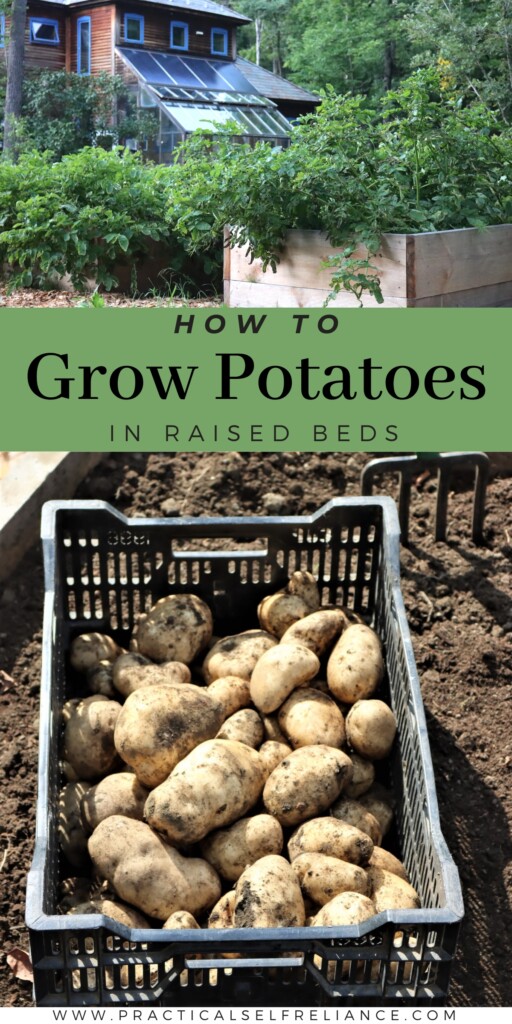
If you want to enjoy fresh, tasty potatoes right from your own garden, growing them in a raised garden bed is one of the best ways to do it. You might think potatoes need a lot of space or special care, but with the right steps, you can easily grow a healthy crop—even if you’re new to gardening.
This guide will show you exactly how to prepare your raised bed, plant your potatoes, and care for them so you get the biggest, most delicious harvest possible. Keep reading, and you’ll discover simple tips that make growing potatoes fun and rewarding.
Your garden—and your dinner plate—will thank you!
Choosing The Right Spot
Growing potatoes in a raised garden bed starts with picking the right spot. The place you choose affects how well your potatoes grow.
Good location helps potatoes get enough light and nutrients. It also keeps them safe from pests and diseases.
Sunlight Requirements
Potatoes need full sunlight to grow strong. Pick a spot that gets at least six hours of direct sun each day.
Too little sun makes potatoes weak and small. Too much shade can cause diseases and poor growth.
- Choose a sunny area without tall trees or buildings blocking light
- Check sunlight patterns during different times of the day
- Make sure the spot stays bright in spring and summer
Soil Preparation
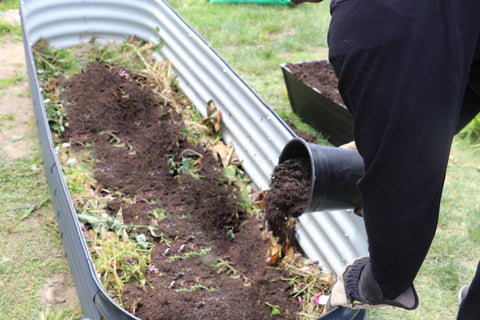
Good soil is key for healthy potatoes. Use loose, well-drained soil in your raised bed.
Mix compost or organic matter to improve soil nutrients and texture. Avoid heavy clay or sandy soils alone.
- Test soil pH; potatoes prefer slightly acidic soil (pH 5.0 to 6.0)
- Add compost to increase nutrients and moisture retention
- Ensure soil drains well to stop water from pooling
Credit: www.ollegardens.com
Selecting Potato Varieties
Choosing the right potato variety is key for raised garden beds. Different types grow better in certain conditions.
Focus on how fast they grow and their resistance to disease. This helps you get a good harvest.
Early Vs. Late Varieties
Early varieties mature quickly. They are ready to harvest in about 60 to 90 days. Late varieties take longer, usually 90 to 120 days.
- Early varieties are good for short growing seasons.
- Late varieties produce larger yields.
- Early types have thinner skin and more moisture.
- Late types store better for winter use.
Disease-resistant Options
Picking disease-resistant potatoes helps reduce problems in your garden. These varieties fight off blight and scab better.
| Variety | Disease Resistance | Notes |
| Russet Norkotah | Moderate | Good for baking and frying |
| Red LaSoda | High | Resistant to scab and blight |
| Yukon Gold | Moderate | Good all-purpose potato |
| Kennebec | High | Strong resistance to common diseases |
Preparing The Raised Bed
Growing potatoes in a raised bed helps improve soil quality and drainage. Preparing the bed well sets your potatoes up for a good harvest.
Start by choosing the right soil and making sure the bed drains well. This helps potatoes grow strong and healthy.
Filling And Soil Mix
Fill your raised bed with loose, fertile soil. A good mix helps potatoes develop tubers below the ground.
Use a mix of compost, garden soil, and coarse sand or perlite. This blend keeps the soil light and full of nutrients.
- One-third compost for nutrients
- One-third garden soil for structure
- One-third coarse sand or perlite for air and water flow
Drainage Considerations
Potatoes do not like wet feet. Good drainage prevents water from pooling around the roots.
Make sure your raised bed has holes or gaps under it. This allows extra water to escape easily.
- Use raised beds at least 12 inches tall
- Check that bottom allows water to drain
- Add a layer of gravel or coarse material at the bottom if needed
- Test drainage by watering and watching for pooling
Planting Potatoes
Growing potatoes in a raised garden bed is simple and fun. Start with healthy seed potatoes and prepare them well.
Pay attention to spacing and depth to ensure a good harvest. Let’s dive into the details of planting potatoes.
Seed Potato Preparation
Choose firm and healthy seed potatoes for planting. Avoid any that are soft or have mold.
Cut large seed potatoes into smaller pieces. Ensure each piece has at least one eye or sprout.
- Let the cut pieces dry for a day
- Place them in a cool, dark place
- Ensure they are ready before planting
Spacing And Depth
Proper spacing helps potatoes grow well. Plant them 12 inches apart in rows.
Dig holes that are 4 inches deep. Cover the potatoes with soil gently.
- Ensure each row is 24 inches apart
- Water the soil lightly after planting
- Watch for growth in a few weeks
Caring For Potato Plants
Growing potatoes in a raised garden bed is simple with proper care. Potato plants need water, food, and protection to grow well.
Taking care of your potatoes helps produce healthy, tasty tubers. Learn how to water, fertilize, and manage pests.
Watering Tips
Potatoes need steady moisture to grow strong. Water them deeply to keep the soil damp but not soggy.
Water in the morning to reduce disease risk. Avoid wetting the leaves to prevent rot.
- Water 1 to 2 inches per week
- Check soil moisture regularly
- Use drip irrigation or soaker hoses
- Reduce watering as plants mature
Fertilizing Schedule
Potatoes need nutrients to grow big tubers. Use a balanced fertilizer with nitrogen, phosphorus, and potassium.
Apply fertilizer before planting and again when plants start to flower. Avoid too much nitrogen to prevent leafy growth.
- Mix fertilizer into soil before planting
- Feed plants at flowering stage
- Use organic compost for extra nutrients
- Follow package instructions for amounts
Pest And Disease Control
Pests like potato beetles can harm plants. Check leaves often and remove bugs by hand.
Diseases like blight cause leaves to wilt. Keep plants spaced for good air flow and remove infected leaves.
- Inspect plants weekly for pests
- Use insecticidal soap if needed
- Remove and destroy diseased leaves
- Rotate crops each year to reduce disease
Credit: practicalselfreliance.com
Hilling Potatoes
Hilling is a key step in growing potatoes in raised garden beds. It involves piling soil around the potato plants as they grow.
This process helps protect the tubers, keeps them covered, and supports healthy growth.
When To Hill
Start hilling when potato plants are about 6 to 8 inches tall. This is usually a few weeks after planting.
Check your plants regularly and hill again when they grow another 6 inches. Repeat this until flowering begins.
How To Hill Properly
Use loose soil or compost to build small mounds around the base of each plant. Cover the stems but avoid burying the leaves.
Keep the soil mounded to protect tubers from sunlight and pests. Make sure the soil stays moist but not waterlogged.
- Gently pull soil from the sides of the bed
- Pile soil 3 to 4 inches high around plants
- Leave the top leaves uncovered for air and light
- Repeat hilling every few weeks as plants grow
Harvesting Potatoes
Harvesting potatoes is an important part of growing them in a raised garden bed. Knowing when and how to harvest helps get the best yield.
Potatoes grow underground, so you need to watch for signs that show they are ready to dig up.
Signs Of Readiness
Watch the potato plant leaves. When they turn yellow and start to die, the potatoes are almost ready.
The skin of the potato tubers should be firm and not easy to rub off. This means they are mature.
- Leaves turn yellow and die back
- Potato skin becomes firm
- About 2 to 3 weeks after flowering
Harvest Techniques
Use a garden fork or shovel to carefully lift the soil around the plant. Do not damage the potatoes.
Gently pull out the plant and collect the potatoes. Leave small ones to grow more if you want.
- Loosen soil with fork or shovel
- Lift plant gently from the bed
- Gather potatoes carefully to avoid bruising
- Leave small potatoes to grow further
Storing Your Harvest
After growing potatoes in a raised garden bed, proper storage is key. Good storage keeps potatoes fresh and tasty for months.
This guide covers how to cure potatoes and the best storage conditions to follow.
Curing Potatoes
Curing helps heal small cuts on potatoes. It toughens their skin for longer storage.
Keep potatoes in a dark, warm, and humid place for about 1 to 2 weeks.
- Temperature: 50 to 60°F (10 to 15°C)
- Humidity: 85% to 95%
- Avoid direct sunlight to prevent greening
- Good air circulation to stop mold growth
Storage Conditions
After curing, store potatoes in a cool, dark, and dry place. This slows sprouting and rotting.
Ideal storage temperatures are between 38 to 45°F (3 to 7°C). Keep humidity around 90% to keep potatoes firm.
- Store in breathable containers like burlap bags or wooden crates
- Do not wash potatoes before storage; dirt protects the skin
- Check regularly and remove any soft or sprouting potatoes
- Keep away from onions and fruits that release gases

Credit: craftthyme.com
Frequently Asked Questions
How Deep Should Potato Seed Pieces Be Planted?
Plant seed potatoes 4 to 6 inches deep in loose, well-drained soil. This depth protects tubers from sunlight and encourages healthy root growth.
What Soil Type Is Best For Raised Potato Beds?
Use loose, fertile, well-draining soil rich in organic matter. Avoid heavy clay or compacted soil to prevent waterlogging and rot.
How Often Should I Water Potatoes In Raised Beds?
Water potatoes consistently, about 1 to 2 inches per week. Keep soil moist but not soggy to promote tuber development.
When Should I Start Harvesting Potatoes In Raised Beds?
Harvest new potatoes 10 to 12 weeks after planting. For mature potatoes, wait until foliage dies back, usually 15 to 20 weeks.
Conclusion
Growing potatoes in a raised garden bed is simple and rewarding. Use good soil and plant seed potatoes deep enough. Water regularly but avoid soaking the soil. Keep the bed free of weeds to help potatoes grow well. Watch for pests and remove them quickly.
Harvest your potatoes when the plants start to yellow. Enjoy fresh, homegrown potatoes from your own garden bed. Try this method for a healthy, tasty crop every season.