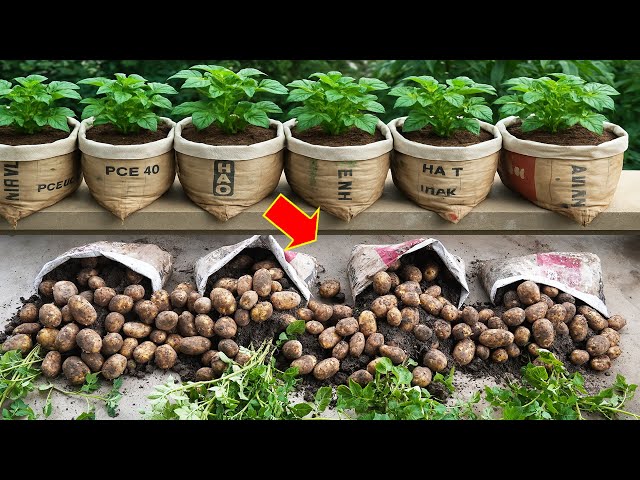
Growing your own potatoes can be incredibly rewarding, but not everyone has a big garden to dig up. What if you could harvest fresh, tasty potatoes right from your balcony or patio?
That’s where planters come in. They let you grow potatoes easily, even in small spaces. You’ll discover simple steps to get started, avoid common mistakes, and enjoy a bountiful potato harvest. Ready to turn your planter into a mini potato patch?
Let’s dive in!

Credit: medium.com
Choosing The Right Planter
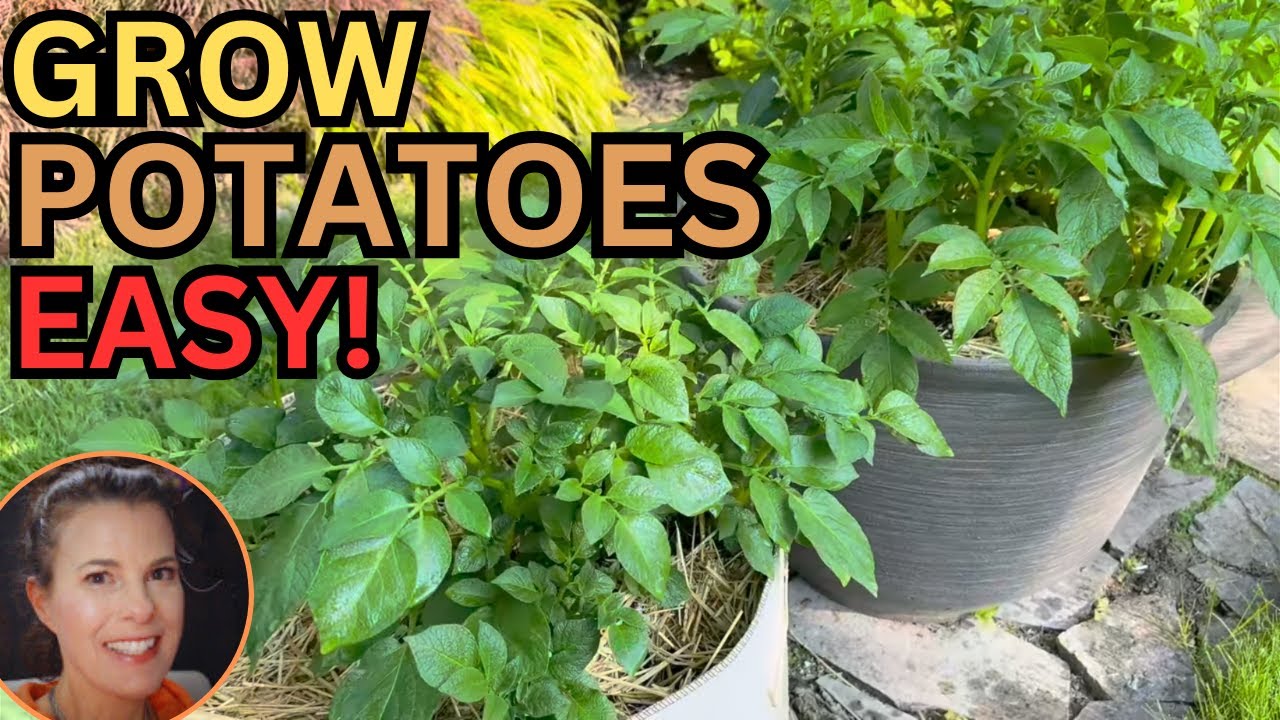
Growing potatoes in planters is a great way to save space. Picking the right planter helps your potatoes grow well.
The planter should be big enough and made of good material. It also needs proper drainage to keep roots healthy.
Size And Material Options
Your planter should be deep and wide. Potatoes need room to grow underground.
Materials like plastic, wood, or fabric work well. Each has good and bad points to think about.
- Plastic is light and holds moisture but can heat up fast in sun.
- Wood looks nice and keeps soil cool but may rot over time.
- Fabric bags drain well and let air reach roots but dry out quicker.
Drainage Importance
Drainage holes stop water from building up in the planter. Too much water can cause potato roots to rot.
Make sure your planter has several holes on the bottom. You can add small rocks or gravel to help water flow.
- Check drainage holes before planting.
- Use a saucer to catch extra water.
- Keep soil moist but not soggy.
Selecting Potato Varieties
Growing potatoes in planters is a great way to enjoy fresh produce at home. Choosing the right potato variety helps you get the best results. Some types work better in containers than others.
Knowing the difference between seed potatoes and store-bought potatoes is important. This helps you pick healthy potatoes that will grow well in your planter.
Best Types For Container Growing
Not all potato varieties suit container growing. Choose small or medium-sized potatoes. These grow well in limited space and produce good yields.
- Red Pontiac: Good for boiling and roasting, grows well in containers.
- Yukon Gold: Smooth texture and yellow flesh, adapts to planter growth.
- Fingerling: Small and finger-shaped, perfect for small spaces.
- New Potatoes: Early harvest types that mature quickly in containers.
- Charlotte: Popular salad potato that grows nicely in pots.
Seed Potatoes Vs. Store-bought
Seed potatoes are specially grown for planting. They are certified disease-free and healthy. Store-bought potatoes may carry diseases and chemicals that can harm your plants.
| Type | Advantages | Disadvantages |
| Seed Potatoes | Certified disease-free, higher yield, better growth | Cost more, need to buy from garden centers |
| Store-Bought Potatoes | Easy to get, less expensive | May carry diseases, treated to prevent sprouting |
Preparing Potatoes For Planting
Growing potatoes in planters is fun and easy. It requires some preparation before planting.
Properly preparing your seed potatoes ensures a healthy and productive harvest.
Chitting Process
Chitting helps potatoes sprout before planting. This process gives them a head start.
- Place seed potatoes in a cool, light area.
- Arrange them with eyes facing up.
- Leave them for two to three weeks.
- Wait until sprouts are about 1 inch long.
Cutting Seed Potatoes
Cutting seed potatoes increases the number of plants. Each piece should have at least one eye.
| Potato Size | Number of Cuts |
| Large | 2-3 pieces |
| Medium | 1-2 pieces |
| Small | No cutting needed |
Allow the cut pieces to dry for a day. This helps prevent rotting after planting.
Credit: www.youtube.com
Soil Mix And Fertilization
Growing potatoes in planters needs the right soil and nutrients. Good soil helps potatoes grow strong and healthy. Fertilizers add what the soil lacks.
Knowing how to mix soil and add nutrients will give you better potato harvests. Let’s look at each step closely.
Choosing The Right Soil
Potatoes need loose, well-drained soil in planters. Heavy soil keeps water and can rot the tubers. A good soil mix keeps air and water balanced.
- Use a mix of garden soil and compost for nutrients.
- Add sand or perlite to improve drainage.
- Make sure the soil is slightly acidic, with pH between 5.0 and 6.0.
- Avoid soil with too much clay or peat.
- Mix soil well before planting to avoid clumps.
Adding Nutrients
Potatoes need enough nutrients to grow big and healthy. Fertilizers provide nitrogen, phosphorus, and potassium, the main nutrients for potatoes.
| Nutrient | Role in Potato Growth | Sources |
| Nitrogen (N) | Helps leaves and stems grow | Compost, blood meal |
| Phosphorus (P) | Supports root and tuber development | Bone meal, rock phosphate |
| Potassium (K) | Improves disease resistance and tuber quality | Wood ash, kelp meal |
Apply fertilizer before planting and again when plants flower. Follow the package instructions for the right amounts.
Planting Steps In Planters
Growing potatoes in planters is a great way to save space. It allows you to control soil and water easily.
Follow simple steps to plant potatoes well in containers. This helps your plants grow healthy and strong.
Layering Soil And Tubers
Start by adding a layer of soil at the bottom of the planter. Then place seed potatoes on top of the soil.
Cover the potatoes with another soil layer. Repeat this process as the plants grow to give them room to expand.
- Put 4-6 inches of soil in the planter first
- Place seed potatoes with eyes facing up
- Cover potatoes with 3-4 inches of soil
- Add more soil as plants grow taller
Spacing And Depth
Space potatoes well to avoid crowding. Plant them deep enough to protect from sunlight.
Proper spacing helps tubers grow larger. Correct depth stops green potatoes from forming.
- Space seed potatoes 6-8 inches apart
- Plant seed potatoes 4-6 inches deep
- Add soil to cover tubers fully
Watering And Sunlight Needs
Growing potatoes in planters needs good care. Water and sunlight help them grow healthy and strong.
Knowing how much water and light your potatoes need will improve your harvest.
Irrigation Tips
Potatoes in planters need steady moisture. Keep the soil damp but not soaked to avoid rot.
Water your potatoes deeply once or twice a week. Check soil moisture to decide when to water.
- Use a watering can or gentle hose spray
- Water early in the morning or late afternoon
- Ensure water reaches the root zone
- Avoid wetting leaves to prevent disease
Optimal Light Exposure
Potatoes need plenty of sunlight to grow well. Aim for at least 6 hours of direct sun daily.
Place your planter where it gets steady sun but some afternoon shade helps in hot climates.
- Full sun means 6 to 8 hours of light
- Partial shade is okay in very hot areas
- Move planters if sunlight is blocked by trees or buildings
Maintaining Growth
Keeping potato plants healthy in planters needs regular care. You must watch their growth closely and act fast if problems arise.
Good maintenance helps your potatoes grow big and strong. It includes adding soil and protecting plants from pests and diseases.
Hilling Potatoes
Hilling means piling soil around the base of the potato plants. This supports the stems and encourages more tubers to grow underground.
- Check your plants every week.
- Add soil or compost around stems up to half the plant height.
- Be gentle to avoid damaging roots or stems.
- Stop hilling once flowers appear on the plants.
Pest And Disease Control
Pests and diseases can harm your potatoes and reduce yield. Watch for signs like spots, holes, or wilting leaves.
| Pest/Disease | Symptoms | Control Method |
|---|---|---|
| Colorado Potato Beetle | Yellow leaves with holes | Pick beetles by hand; use organic sprays |
| Blight | Dark spots on leaves and stems | Remove affected leaves; avoid wet leaves |
| Wireworms | Small tunnels in tubers | Use crop rotation; check soil before planting |
Harvesting Potatoes
Harvesting potatoes from planters is exciting and rewarding. It needs care to avoid damage.
Knowing when and how to harvest helps keep potatoes fresh and tasty. This guide shows you how.
Signs Of Readiness
Check potato plants for these signs before you dig up your potatoes. This ensures they are ready to harvest.
- The plant leaves turn yellow and start to die back.
- The flowers on the plant stop blooming or fall off.
- The soil feels dry and loose around the base of the plant.
- Small potatoes can be gently dug out early for new potatoes.
Harvest Techniques
Use the right tools and methods to get potatoes out of planters safely. Avoid bruising or cutting them.
| Tool | Purpose |
| Hand fork or small shovel | Loosen soil gently around potatoes |
| Gloves | Protect hands from dirt and cuts |
| Basket or container | Carry harvested potatoes carefully |
Follow these steps to harvest:
- Water the planter a day before harvesting to soften soil.
- Loosen soil carefully around the plant base with a fork or shovel.
- Lift the plant and soil gently to find potatoes.
- Pick up potatoes by hand, checking for damage or softness.
- Place potatoes in a container without stacking too high.
- Let potatoes dry in shade before storing to prevent rot.
Storing Your Harvest
After growing potatoes in planters, storing them correctly keeps them fresh. Proper storage helps prevent spoilage and sprouting.
Learn how to cure and store your potatoes to enjoy them longer.
Curing Process
Curing potatoes toughens their skin and heals small cuts. This step helps the potatoes last longer in storage.
- Keep potatoes in a dark place with good air circulation.
- Maintain a temperature between 50°F and 60°F (10°C to 15°C).
- Keep humidity high, around 85% to 95%, to avoid shriveling.
- Let them cure for 1 to 2 weeks before storing.
Storage Conditions
After curing, store potatoes in cool, dark, and dry places. Proper conditions prevent sprouting and rotting.
| Condition | Ideal Range | Reason |
|---|---|---|
| Temperature | 38°F to 45°F (3°C to 7°C) | Slows sprouting and decay |
| Humidity | 85% to 90% | Prevents shriveling |
| Light | Darkness | Avoids green spots and bitterness |
| Airflow | Good ventilation | Stops moisture buildup and rot |
Credit: gardenerd.com
Frequently Asked Questions
What Type Of Planter Is Best For Growing Potatoes?
Choose a deep, wide planter with drainage holes. It should hold at least 10 gallons of soil to support tuber growth and prevent waterlogging.
How Much Sunlight Do Potatoes Need In Planters?
Potatoes need full sun, at least 6 hours daily. Place your planter in a sunny spot for best tuber development.
How Often Should I Water Potatoes In Containers?
Water potatoes regularly to keep soil moist but not soggy. Typically, watering every 2-3 days works, adjusting for weather conditions.
When Should I Plant Seed Potatoes In Planters?
Plant seed potatoes in early spring, after the last frost. Ensure soil temperature is above 45°F (7°C) for healthy growth.
Conclusion
Growing potatoes in planters can be simple and fun. Choose a good container and quality soil. Plant seed potatoes with enough space to grow. Water regularly but do not overwater. Keep the planter in a sunny spot. Watch the plants grow and add soil as needed.
Harvest potatoes when plants turn yellow. Enjoy fresh, homegrown potatoes from your own planter. This method saves space and works well for small gardens. Try it yourself and enjoy the rewards of your effort.