
Are you tired of waiting around for water to boil on the stove just to enjoy a simple hard-boiled egg? Imagine saving time and effort by using a tool you already have in your kitchen—the microwave oven!
Yes, you read that right. You can achieve perfectly hard-boiled eggs without a pot or stove, and it’s quicker than you think. Curious about how to do it without making a mess or risking a kitchen mishap? Stick around, because this guide will reveal a foolproof method to get those perfect eggs every time, with minimal effort.
Your breakfast just got a whole lot easier!

Credit: keeshaskitchen.com
Preparing Eggs For Microwaving
Preparing eggs properly before microwaving is crucial to get that perfect hard-boiled texture without a mess. If you skip the preparation, you risk eggs exploding or cooking unevenly. Taking a few extra minutes to prep your eggs will save you frustration and ensure a smooth cooking experience.
Choosing The Right Eggs
Fresh eggs are great for many recipes, but for microwaving, slightly older eggs work better. Eggs that are about a week old peel more easily once cooked. If your eggs are very fresh, you might find the shells stick stubbornly, making peeling a challenge.
Also, check for any cracks or damage. Cracked eggs can burst during microwaving, creating a mess and wasting your food. Select eggs with intact shells for best results.
Pricking The Shell
Have you ever noticed a sudden explosion while microwaving an egg? This happens because steam builds up inside the shell. To prevent this, gently prick a small hole in the wider end of the egg using a safety pin or a needle.
This tiny hole lets steam escape safely, reducing the chance of the egg bursting. Be careful not to crack the shell while pricking, as this can cause leaks.
Using A Microwave-safe Container
Not every dish is suitable for microwaving eggs. Use a microwave-safe container that can hold water and eggs comfortably without tipping over. Glass or ceramic bowls are excellent choices.
Fill the container with enough water to cover the eggs completely. Adding a pinch of salt can help prevent cracking and makes peeling easier later on. Make sure the container is deep enough so the eggs stay submerged throughout cooking.

Credit: m.youtube.com
Step-by-step Microwaving Process
Hard boiling eggs in a microwave is quick and simple. The process needs careful steps to avoid cracking. Follow the right steps to get perfect eggs every time. The eggs cook evenly and peel easily when done correctly.
Adding Water And Salt
Place eggs in a microwave-safe bowl. Add enough water to cover the eggs by one inch. Sprinkle half a teaspoon of salt into the water. Salt helps prevent eggs from cracking and keeps them from exploding. Cover the bowl with a microwave-safe plate or lid.
Setting Microwave Time And Power
Set the microwave power to medium or 50%. Cook the eggs for 6 to 8 minutes. Time varies by microwave strength and egg size. Cook in short bursts if unsure, checking often. Avoid high power to reduce the risk of bursting eggs.
Resting And Cooling Eggs
Let the eggs rest in hot water for 2 to 3 minutes. This allows the heat to finish cooking the eggs gently. Remove the eggs carefully using a spoon. Place them in cold water or ice water for 5 minutes. Cooling stops the cooking and makes peeling easier.
Tips For Perfect Hard-boiled Eggs
Getting the perfect hard-boiled eggs in a microwave might seem tricky, but with the right tips, you can achieve consistent results every time. Small adjustments can make a huge difference in texture and ease of peeling. Let’s dive into some practical advice that will help you avoid common pitfalls and enjoy flawless eggs from your microwave.
Avoiding Explosions
Eggs can explode in the microwave if not handled properly. To prevent this, always pierce the yolk gently with a fork or toothpick before cooking. This step releases built-up steam inside the egg, stopping sudden bursts.
Using a microwave-safe container filled with water is another safety measure. Submerge the eggs completely; the water helps distribute heat evenly and reduces the risk of overheating. Have you ever heard a loud pop mid-cooking? That’s a sign to adjust your technique.
Peeling Made Easy
Peeling microwave-cooked eggs can be frustrating if the shell sticks. After cooking, plunge the eggs into cold water immediately. This shocks the eggs, stopping the cooking process and loosening the shell.
Try gently rolling the egg on a hard surface to crack the shell all around before peeling. You’ll find the shell comes off in larger pieces, making your life easier. Have you noticed how quickly some eggs peel compared to others? Timing and cooling play a big role.
Adjusting For Microwave Variations
Not all microwaves heat the same way, so you might need to tweak cooking times. Start with shorter bursts of time and check the eggs’ doneness to avoid overcooking. It’s better to add time gradually than to end up with rubbery eggs.
Keep in mind that wattage affects cooking speed—higher wattage means less time needed. Keeping notes on your microwave’s settings and results can save you time in the future. How well do you know your microwave’s quirks?
Common Mistakes To Avoid
Microwaving eggs to hard boil them can be a quick and convenient method, but it’s easy to slip up if you’re not careful. Avoiding common mistakes will save you from frustrating results like cracked shells, rubbery whites, or even messy explosions. Understanding what to steer clear of helps you master this technique with confidence and ease.
Skipping The Water
Never microwave eggs without adding water. Water acts as a heat buffer, preventing the eggs from overheating and exploding. I once tried heating eggs dry in the microwave, and the mess was unbelievable—shell fragments everywhere!
Make sure to fully submerge the eggs in water before microwaving. A pinch of salt or a splash of vinegar can also help reduce the risk of cracking.
Overcooking Eggs
Microwaves cook unevenly, so overcooking is a common pitfall. Overheated eggs become rubbery and develop a sulfurous smell that’s hard to ignore. Have you ever bitten into a hard-boiled egg and felt like you were chewing rubber?
Start with shorter cooking times and check the eggs frequently. It’s better to undercook slightly and microwave in small increments than to ruin them by cooking too long.
Using Inappropriate Containers
Choosing the right container is crucial. Metal containers are a no-go—they’ll spark and damage your microwave. Plastic containers not labeled microwave-safe can melt or release harmful chemicals.
Opt for microwave-safe glass or ceramic bowls. Make sure the container is large enough to hold water and eggs comfortably without crowding.
Creative Uses For Microwave Hard-boiled Eggs
Microwave hard-boiled eggs are quick and convenient. They save time and effort in the kitchen. These eggs can be used in many creative ways. They add protein and flavor to various dishes. Here are some simple ideas to enjoy microwave hard-boiled eggs beyond just eating them plain.
Quick Snacks
Microwave hard-boiled eggs make perfect snacks. Slice them and sprinkle with a pinch of salt and pepper. Or mash with a little mustard for a tasty spread. Wrap in lettuce leaves for a low-carb bite. You can also dip them in hummus or hot sauce for extra flavor. These snacks are ready in minutes and keep well in the fridge.
Salads And Sandwiches
Add microwave hard-boiled eggs to salads for extra protein. Chop and mix them into green salads or pasta salads. They pair well with fresh vegetables and light dressings. For sandwiches, slice eggs and layer with lettuce, tomato, and mayo. Egg salad sandwiches made from mashed microwave eggs are creamy and delicious. These options are quick, filling, and perfect for lunch or dinner.
Egg-based Recipes
Use microwave hard-boiled eggs in many recipes. Chop and add to deviled eggs with spices and herbs. Blend into creamy egg dips or spreads. Dice and mix into potato or tuna salad for extra texture. They also work well in breakfast bowls or grain bowls. These eggs save cooking time and offer tasty results in your favorite dishes.
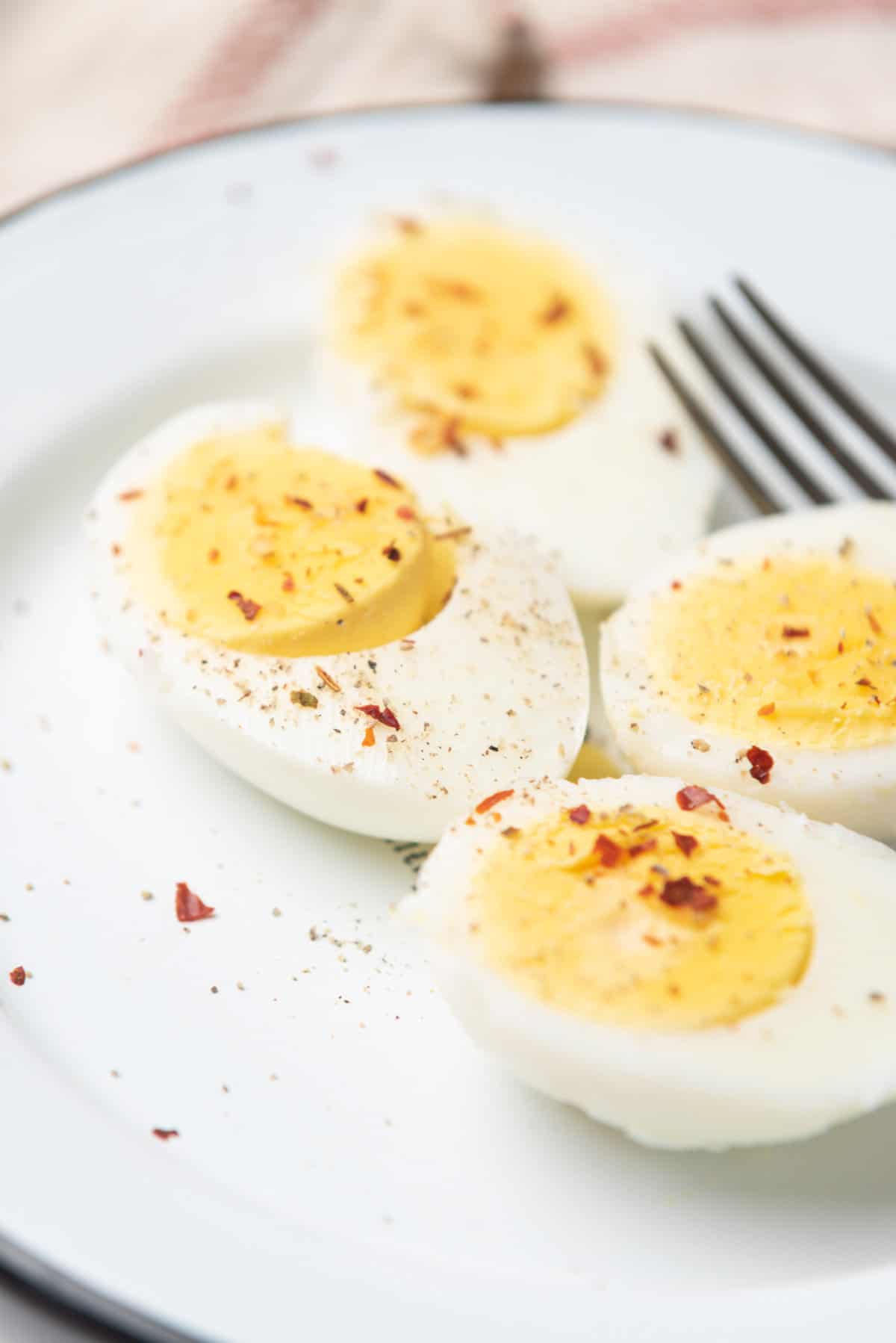
Credit: urbanfarmie.com
Frequently Asked Questions
How Long To Microwave Eggs For Hard Boiling?
Microwave eggs for 6 to 8 minutes in a microwave-safe container. Use medium power and cover with water. Adjust time based on your microwave’s wattage for perfect hardness.
Can You Hard Boil Eggs Without Cracking In Microwave?
Yes, use a microwave-safe container with water covering the eggs. Pierce the egg’s shell or use an egg boiler to prevent cracking.
Is It Safe To Hard Boil Eggs In A Microwave?
Yes, it is safe if you follow instructions carefully. Use water to prevent overheating and avoid explosions by piercing the shell or using a specialized egg cooker.
How To Avoid Egg Explosion In Microwave?
Pierce the egg shell or use a microwave egg cooker. Always cover eggs with water and cook on medium power to prevent pressure build-up.
Conclusion
Hard boiling eggs in a microwave saves time and effort. You only need water, eggs, and a microwave-safe bowl. Follow the steps carefully to avoid cracking. This method works well for quick snacks or meal prep. Remember to let eggs cool before peeling.
Try it today for fast, easy hard-boiled eggs. Simple, quick, and convenient—perfect for busy days.