
When you’re camping in chilly weather, staying warm inside your tent isn’t just about comfort—it’s about safety. You want to enjoy your time outdoors without shivering through the night or worrying about frostbite.
But how do you heat a tent effectively without risking fire or carbon monoxide poisoning? If you’ve ever struggled to keep your tent cozy, this guide is for you. Keep reading, and you’ll discover simple, safe ways to heat your tent so you can sleep soundly and wake up refreshed, no matter how cold it gets outside.
Choosing The Right Heat Source
Keeping warm inside a tent is very important for a comfortable camping trip. Choosing the right heat source helps you stay safe and cozy. Different heat sources work best for different situations and needs.
Consider factors like fuel availability, safety, and how long you need heat. This guide covers popular options for heating a tent.
Portable Heaters
Portable heaters are small devices made to warm tents. They often run on propane, but some use other fuels. They are easy to carry and provide steady heat.
- Check if the heater has safety features like automatic shut-off.
- Use heaters only in well-ventilated tents.
- Keep heaters away from flammable materials.
- Always follow the manufacturer’s instructions.
Campfires And Fire Pits
Campfires and fire pits give natural heat and light. They create a cozy atmosphere outside your tent. But they are not safe for heating inside the tent.
Only use campfires in designated areas. Keep the fire small and controlled. Always have water or sand nearby to put out the fire quickly.
Chemical Heat Packs
Chemical heat packs are small, portable, and easy to use. You activate them by shaking or bending. They provide heat for a few hours and are safe for use inside tents.
| Type | Heat Duration | Safety |
| Air-activated | 6 to 12 hours | Safe for skin contact |
| Salt and water mix | 1 to 2 hours | Needs careful handling |
| Disposable warmers | up to 8 hours | Non-toxic, safe |
Electric Heating Options
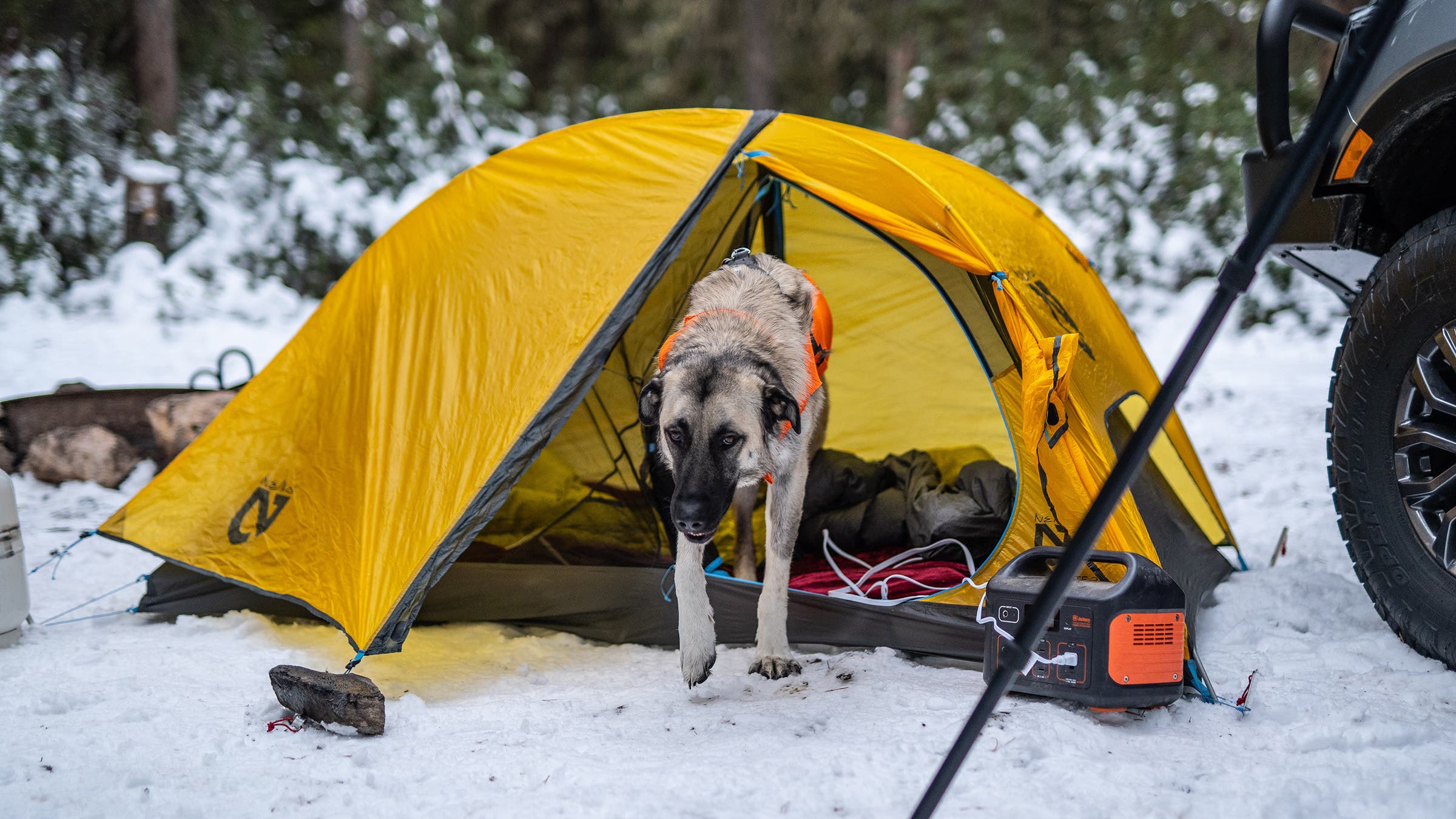
Electric heaters and heated blankets need power from batteries or generators. They provide reliable heat without fumes. These work well if you have access to electricity.
- Use only heaters rated for indoor or tent use.
- Keep cords away from water and walking paths.
- Monitor the device while it is on.
- Make sure your power source can handle the heater’s demand.
Credit: www.outsideonline.com
Safety Tips For Tent Heating
Heating a tent can make camping more comfortable in cold weather. It is important to keep safety in mind to avoid accidents.
Using heaters inside tents needs careful planning. Follow these tips to stay safe while warming your tent.
Ventilation And Carbon Monoxide Risks
Proper ventilation is crucial when heating a tent. Poor airflow can cause carbon monoxide to build up, which is dangerous.
Always leave a vent or window open to allow fresh air inside. Use carbon monoxide detectors if possible to monitor air quality.
- Keep a vent or door slightly open
- Use heaters designed for indoor use
- Never use gasoline or charcoal heaters inside
- Install a carbon monoxide detector
Fire Prevention Measures
Heaters can cause fires if not handled carefully. Keep flammable items away from the heat source.
Use heaters with automatic shutoff features. Always turn off heaters before sleeping or leaving the tent.
- Keep fuel and flammable materials far from the heater
- Use heaters with tip-over shutoff
- Do not leave heaters unattended
- Have a fire extinguisher nearby
Proper Placement Of Heaters
Place heaters on flat, stable surfaces to prevent tipping. Avoid placing heaters near tent walls or sleeping areas.
Keep a safe distance between the heater and any gear or fabric. Follow the heater manufacturer’s instructions for placement.
- Set heater on a stable, level spot
- Keep at least 3 feet from tent walls
- Avoid placing near sleeping bags or clothes
- Check heater placement before use
Insulating Your Tent
Keeping your tent warm is crucial for a comfortable camping experience. Insulation helps trap heat inside, making your nights cozier.
Here are some effective ways to insulate your tent, so you can stay warm even in colder conditions.
Using Tent Footprints And Ground Pads
Tent footprints and ground pads provide an extra layer between you and the cold ground. They help reduce heat loss significantly.
- Select a tent footprint that matches your tent size.
- Use foam or inflatable ground pads for added warmth.
- Ensure the ground pad covers the entire tent floor.
Adding Thermal Liners
Thermal liners are like blankets for your tent walls. They reflect body heat back into the tent, keeping it warmer.
Consider using reflective emergency blankets as thermal liners. They are lightweight and effective for retaining heat.
Sealing Gaps And Drafts
Gaps and drafts allow cold air to enter your tent. Sealing them helps maintain a warm environment inside.
| Method | Effectiveness |
| Use duct tape on seams | High |
| Place cloth at door edges | Medium |
| Ensure zippers are fully closed | High |
Efficient Heating Techniques
Keeping a tent warm can be tough, especially in cold weather. Using smart heating techniques helps save fuel and stay comfortable.
These tips focus on keeping heat inside your tent and using what you have to stay warm.
Maximizing Heat Retention
Heat escapes quickly through walls and openings in a tent. Closing zippers and vents can keep warm air inside.
Using a ground tarp under the tent stops cold from coming up through the floor. You can also hang blankets inside the tent walls.
- Keep all zippers closed when not entering or exiting
- Use a tarp or insulated mat under the tent floor
- Hang extra blankets or fabric on the tent walls
- Seal gaps around the tent entrance
Layering Sleeping Bags And Blankets
Using more than one sleeping bag or blanket adds warmth. Layers trap heat between them and keep you cozy.
Put a warm blanket over your sleeping bag for extra insulation. You can also add a liner inside your sleeping bag for more heat.
- Use a sleeping bag rated for cold weather
- Add a blanket over your sleeping bag
- Try a sleeping bag liner for extra warmth
- Layer blankets if the temperature is very low
Wearing Warm Clothing Indoors
Wear warm clothes inside the tent to keep your body heat close. Layers like thermal shirts and hats help a lot.
Keep your socks and gloves on while sleeping. Avoid tight clothes that reduce blood flow and make you cold.
- Wear thermal base layers
- Use a warm hat or beanie indoors
- Keep socks and gloves on while resting
- Choose loose clothes for better warmth
Alternative Warmth Strategies
Keeping a tent warm is important for comfort and safety. Sometimes, heaters are not an option. You can use other ways to stay warm inside your tent.
These alternative warmth strategies use simple methods to keep the cold away. They are easy to try and can make a big difference.
Warm Food And Drinks
Eating warm food helps raise your body temperature. Hot drinks also keep you warm from inside. They provide energy and comfort in cold conditions.
Try to prepare soups, stews, or hot tea. Avoid alcohol because it makes your body lose heat faster.
- Bring a small stove or portable burner
- Choose foods that cook quickly
- Drink warm water, tea, or broth
- Avoid cold snacks and drinks
Body Heat Sharing
Sharing body heat is a natural way to stay warm. When people or pets cuddle together, they create shared warmth. This reduces heat loss.
Sleeping close to others or pets inside the tent helps keep everyone warm. Use shared blankets or sleeping bags for better heat retention.
- Sleep close to friends or family members
- Use large sleeping bags or blankets
- Include pets if safe and warm
- Limit space inside the tent to keep heat
Timing Your Heating Efforts
Plan when to heat your tent carefully. Use heat sources during the coldest times. This saves fuel and keeps the tent warm longer.
Start heating before going to sleep. Heat the tent in the evening and early morning when temperatures drop most.
- Heat the tent after sunset
- Turn off heaters before sleeping for safety
- Use warm clothes and blankets at night
- Heat again early in the morning

Credit: www.peaxequipment.com

Credit: www.reddit.com
Frequently Asked Questions
How Can I Safely Heat A Tent?
Use a portable propane heater designed for tents. Ensure proper ventilation to avoid carbon monoxide buildup. Always follow the heater’s safety instructions and never leave it unattended while in use.
What Are The Best Heat Sources For Camping Tents?
Popular heat sources include propane heaters, electric heaters (if power is available), and wood stoves in larger tents. Choose one based on your tent size, ventilation, and camping location.
Can I Use A Campfire To Warm My Tent?
No, never use an open campfire inside or near your tent. It poses severe fire and carbon monoxide risks. Always keep fires outside and at a safe distance.
How To Prevent Moisture When Heating A Tent?
Ventilate your tent slightly to allow moisture to escape. Use a moisture absorber or desiccant inside. Avoid breathing directly on tent walls to reduce condensation buildup.
Conclusion
Heating a tent safely keeps you warm and comfortable outdoors. Choose the right heat source for your tent size and type. Always follow safety rules to avoid accidents or fire risks. Ventilate the tent well to prevent dangerous fumes. Simple methods like hot water bottles or battery heaters can help too.
Stay prepared and enjoy your camping trip without cold worries. Warm nights make camping more fun and restful.