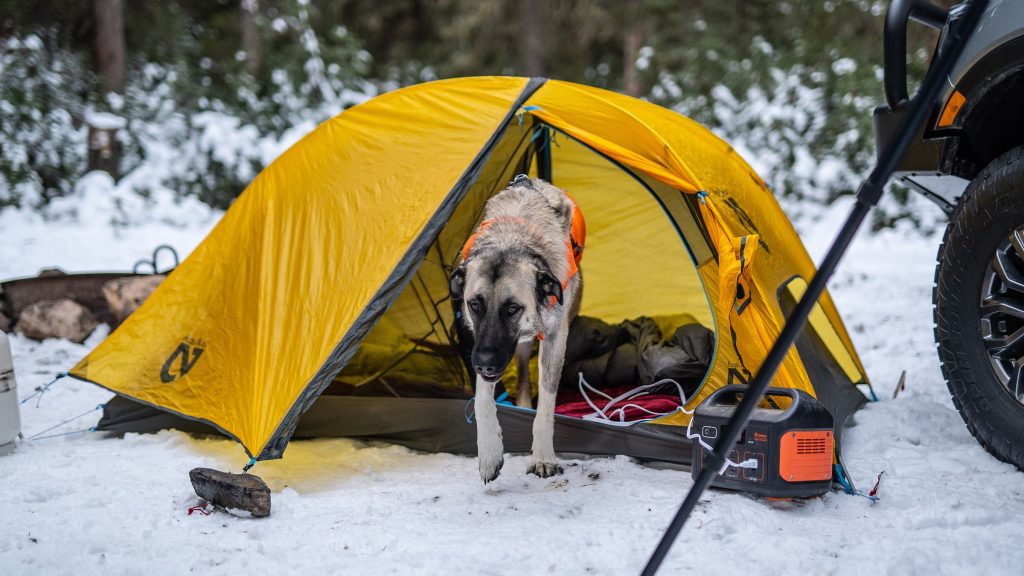
When the cold winter air bites and your tent feels more like a chilly box than a cozy shelter, you want to know how to stay warm and comfortable. Heating a tent in winter isn’t just about comfort—it’s about safety and making your outdoor adventure enjoyable.
You might think it’s tricky or even risky, but with the right tips and tools, you can turn your tent into a warm haven. Keep reading, and you’ll discover easy, effective ways to heat your tent so you can focus on the fun instead of the freeze.

Credit: www.reddit.com
Choosing The Right Tent
Heating a tent in winter starts with picking the right one. The tent affects how warm you stay inside. Some tents keep heat better than others.
Consider insulation, size, shape, and materials. These factors help protect you from cold weather. Choose well for a cozy winter camping trip.
Insulated Vs. Non-insulated Tents
Insulated tents have extra layers to keep warmth inside. They block cold wind and trap heat better. Non-insulated tents are lighter but let cold air through.
Insulated tents are best for very cold places. Non-insulated tents work if you carry a heater or camp in mild winter weather.
Size And Shape Considerations
- Smaller tents keep heat better than large ones.
- Tall tents lose heat faster because of more air space.
- Choose a tent shape that blocks wind, like dome or tunnel shapes.
- Extra space means more cold air to warm inside.
- Match tent size to the number of campers and gear.
Think about how many people will sleep inside. A tent that fits closely will stay warmer at night.
Weatherproof Materials
| Material | Benefits | Winter Use |
|---|---|---|
| Ripstop Nylon | Lightweight, strong, water-resistant | Good with waterproof coating |
| Polyester | Resists stretching, dries fast | Works well in cold and wet |
| Canvas | Durable, breathable, heavy | Excellent insulation, but heavy |
| Silicone-coated fabrics | Highly waterproof and strong | Ideal for winter tents |
Choose tents with waterproof and windproof fabrics. This keeps cold air and moisture out. Look for strong zippers and sealed seams too.

Credit: www.youtube.com
Safe Heating Options
Keeping warm inside a tent during winter is important for comfort and safety. Choosing the right heating method helps avoid risks like fire or carbon monoxide.
Below are safe heating options that work well in cold weather. Each option has pros and cons to consider before use.
Portable Propane Heaters
Portable propane heaters produce heat quickly and are easy to carry. They are popular for camping in cold weather.
Use these heaters only in well-ventilated tents. Always keep a window or door slightly open to prevent gas buildup.
- Check for leaks before use
- Keep heater away from flammable items
- Turn off heater before sleeping
- Use models with automatic shut-off features
Electric Tent Heaters
Electric heaters are safe if you have power access. They do not produce fumes or gas, which reduces health risks.
Use heaters with tip-over protection and overheat sensors. Avoid using damaged cords or plugs to prevent electrical hazards.
- Use only waterproof and outdoor-rated models
- Keep heater on a flat, stable surface
- Do not cover the heater while in use
- Unplug heater when not needed
Catalytic Heaters
Catalytic heaters burn fuel without an open flame. They are quieter and safer than regular propane heaters.
These heaters need fresh air for safe operation. Install a carbon monoxide detector inside the tent for extra safety.
- Use only approved fuels
- Place heater away from sleeping areas
- Ventilate tent to allow fresh air
- Follow manufacturer instructions carefully
Using Hot Water Bottles
Hot water bottles are a simple way to stay warm inside a tent. They provide gentle heat without any risk of fire or fumes.
Fill bottles with hot water before bed. Wrap them in a cloth to avoid burns and place them near your sleeping bag.
- Use sturdy bottles that do not leak
- Check water temperature before use
- Refill as needed to keep warm
- Combine with warm clothing and blankets
Improving Tent Insulation
Keeping a tent warm in winter can be hard. Good insulation helps keep heat inside and cold out.
Simple steps can improve your tent’s warmth. Focus on stopping cold air and trapping heat.
Ground Insulation Techniques
The ground pulls heat away from your tent. Adding insulation between the tent floor and the ground helps.
Use thick sleeping pads, foam mats, or even layers of dry leaves to create a barrier.
- Place foam mats under your sleeping bag
- Use insulated sleeping pads for extra warmth
- Add a tarp or groundsheet below the tent floor
- Gather dry leaves or pine needles as natural insulation
Thermal Blankets And Liners
Thermal blankets reflect body heat back inside the tent. Liners add an extra layer of warmth.
Use emergency space blankets or special tent liners to keep heat from escaping.
- Attach thermal blankets to the tent walls
- Use insulated liners on the tent ceiling
- Cover your sleeping bag with a thermal blanket
- Make sure blankets do not block ventilation
Sealing Drafts And Openings
Cold air enters through gaps and openings. Sealing these stops drafts and keeps warmth in.
Check tent zippers, seams, and vents. Use tape or fabric to close small holes or leaks.
- Zip tent doors fully and use flaps to cover zippers
- Seal small holes with fabric patches or tape
- Use draft stoppers at tent floor edges
- Keep vents open slightly to avoid moisture build-up
Ventilation And Safety Tips
Heating a tent in winter keeps you warm but needs caution. Good ventilation and safety help avoid dangers.
This guide covers carbon monoxide risks, ventilation, and temperature monitoring.
Avoiding Carbon Monoxide Risks
Carbon monoxide is a colorless gas that can cause serious harm. Using heaters inside tents can produce it.
- Never use fuel-burning heaters without ventilation.
- Keep a carbon monoxide detector inside the tent.
- Do not sleep near heaters or stoves.
- Turn off heaters before sleeping or leaving the tent.
- Use only heaters approved for indoor or tent use.
Proper Ventilation Methods
Ventilation lets fresh air in and harmful gases out. It prevents suffocation and gas build-up.
| Ventilation Method | Description |
| Window Flaps | Open slightly to allow airflow without much heat loss. |
| Door Vents | Keep door partially open with a mesh screen for air. |
| Roof Vent | Use vents at the top to let warm air escape safely. |
| Air Circulation | Use battery-operated fans to move air inside the tent. |
Monitoring Temperature Levels
Watch the tent temperature to stay warm and safe. Avoid too much heat or cold.
- Check the temperature with a thermometer inside the tent.
- Keep heaters on low or medium to prevent overheating.
- Wear layers to adjust warmth without changing heater power.
- Open vents if the tent feels too hot or stuffy.
- Turn off heaters if temperatures rise above safe levels.
Additional Warmth Strategies
Keeping warm inside a tent during winter is important for comfort and safety. Besides using a heater, there are other ways to add extra warmth.
These simple strategies help keep heat inside the tent and protect you from cold weather outside.
Wearing Appropriate Clothing
Wearing the right clothes traps body heat and keeps you warm. Dress in layers to adjust your comfort level easily.
Start with a moisture-wicking base layer. Add an insulating middle layer. Finish with a windproof outer layer.
- Thermal underwear or long johns
- Fleece or wool sweaters
- Waterproof jackets and pants
- Warm hats, gloves, and socks
Using Sleeping Bags And Pads
Sleeping bags keep heat close to your body. Choose one rated for cold temperatures. Use sleeping pads to block cold ground.
Sleeping pads add insulation and prevent heat loss through the tent floor. Combine these for a warmer sleep.
- Pick sleeping bags with down or synthetic fill
- Look for bags with draft collars and hoods
- Use foam or inflatable sleeping pads
- Layer pads if you need extra insulation
Setting Up A Windbreak
A windbreak stops cold wind from hitting your tent. It helps keep the tent warmer and protects you from drafts.
Use natural barriers like trees or rocks. You can also set up tarps or extra fabric around the tent.
- Place the tent behind hills or large bushes
- Use snow walls if snow is available
- Set up a tarp windbreak on the windy side
- Secure the windbreak well to avoid collapse
Emergency Heating Solutions
Keeping warm in a tent during winter is important for safety. Emergency heating solutions can help you stay comfortable.
These simple ways use body heat, campfires, and DIY packs to warm your shelter fast.
Body Heat Sharing
Sharing body heat is one of the easiest ways to stay warm inside a tent. People close together create a small warm space.
Sleeping bags or blankets help trap the heat between bodies. This reduces heat loss to the cold air.
- Sleep close to others to share warmth
- Use tight-fitting sleeping bags or blankets
- Wear dry clothes to keep heat inside
- Keep your head covered to reduce heat loss
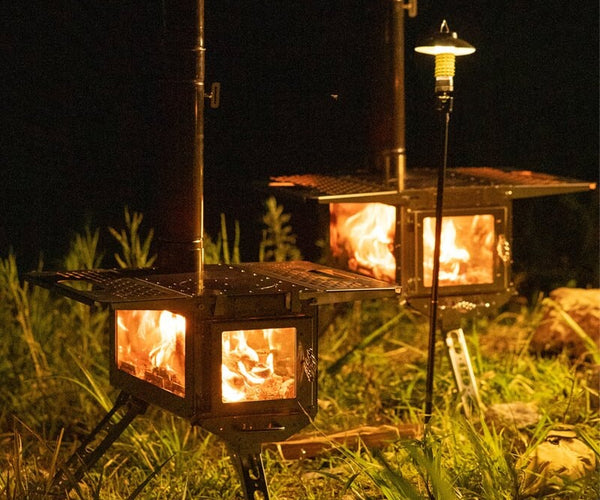
Campfire Heat Techniques
Building a campfire near your tent can provide warmth. Use safe methods to avoid fire hazards.
Position the tent so heat from the fire reaches it. Reflective materials like foil can bounce heat toward the tent.
- Build fire downwind to keep smoke away
- Use rocks or a fire pit for safety
- Place a heat reflector behind the fire
- Keep fire small and controlled to avoid danger
Diy Heating Packs
DIY heating packs are easy to make and help warm your hands or body. Use materials found in your camping gear.
Fill a sock or cloth bag with rice or beans. Heat it near the fire or with hot water before placing it inside your sleeping bag.
- Use clean socks or small cloth bags
- Fill with rice, beans, or dry corn
- Heat packs safely before use
- Place packs inside clothing or sleeping bags
Credit: cosycamp.com.au
Frequently Asked Questions
How Can I Safely Heat A Tent In Winter?
Use a tent-safe propane or electric heater with proper ventilation. Never leave heaters unattended. Always follow manufacturer safety guidelines to prevent fire or carbon monoxide risks.
What Materials Help Retain Heat Inside A Tent?
Insulate with foam pads, thermal blankets, and insulated liners. These materials reduce heat loss and keep the interior warmer during cold nights.
Can Using A Campfire Heat A Tent Effectively?
A campfire warms the area outside but not inside the tent. Use it for warmth before entering the tent, but never bring fire or embers inside.
How Do I Prevent Condensation When Heating A Tent?
Ventilate slightly to allow moisture escape while retaining heat. Use moisture-wicking fabrics and avoid drying wet clothes inside the tent to reduce condensation buildup.
Conclusion
Heating a tent in winter requires smart planning and safe methods. Use a portable heater for warmth. Layering clothes is crucial for maintaining body heat. Insulate your tent with blankets or reflective materials. Ventilation is important, even in cold weather, to prevent condensation.
Choose a good campsite, protected from strong winds. These tips help keep your tent cozy and safe. Always prioritize safety when using heating equipment. By following these strategies, you can enjoy a warm camping experience. Stay warm, stay safe, and enjoy your winter adventure.