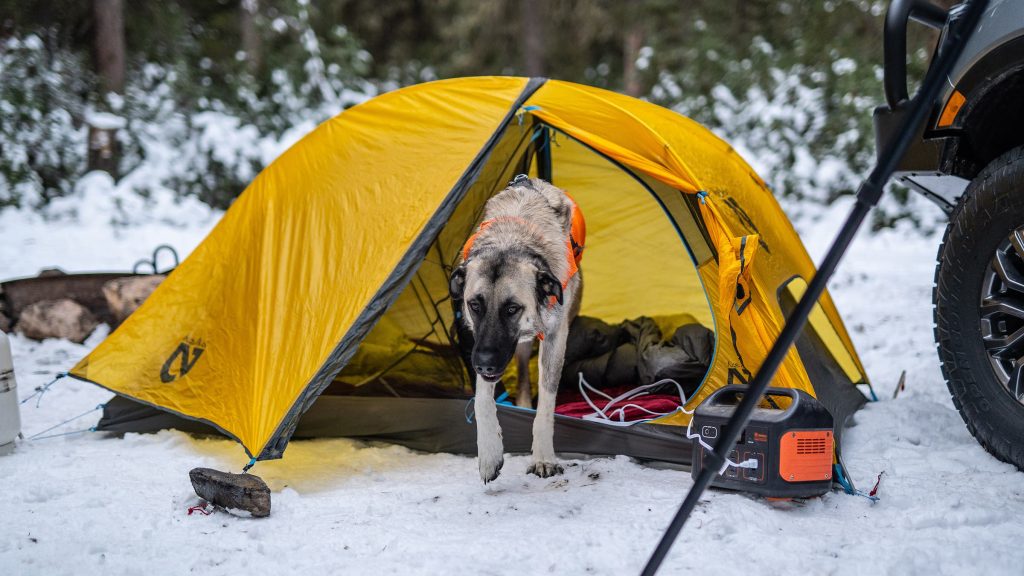
Imagine stepping into your tent after a chilly day, only to find it cold and uncomfortable. You want to stay warm, but there’s no electricity around.
How can you heat your tent safely and effectively without modern power? If you’ve ever faced this problem, you’re not alone. You need simple, practical ways to keep your space cozy, so you can relax and enjoy your time outdoors.
You’ll discover easy tips and tricks to warm your tent without electricity—methods that anyone can use, no matter where you are. Keep reading to learn how to turn your cold tent into a snug retreat.
Choosing The Right Heat Source
Heating a tent without electricity needs careful choice. You must think about safety, heat output, and fuel type.
Different heat sources work better in different situations. Let’s look at some common options.
Portable Gas Heaters
Portable gas heaters use propane or butane. They provide quick and strong heat. Many models have safety features like automatic shutoff.
- Easy to carry and use
- Heat up the tent quickly
- Need proper ventilation
- Fuel can run out fast
Catalytic Heaters
Catalytic heaters burn gas without an open flame. They are safer and produce less carbon monoxide. These heaters work quietly and use less fuel.
| Feature | Benefit |
| No open flame | Lower fire risk |
| Low fuel use | Longer heating time |
| Quiet operation | Comfortable inside tent |
| Needs ventilation | Prevents gas buildup |
Wood Stoves For Tents
Wood stoves give cozy heat and a real fire feel. They burn wood or small logs. These stoves need a chimney to let out smoke.
- Provide steady, strong heat
- Need dry wood fuel
- Require space for safe setup
- Good ventilation is a must
Chemical Heat Packs
Chemical heat packs produce warmth without fire. They use chemical reactions to create heat. Packs are small and easy to carry.
| Type | Heat Duration | Best Use |
|---|---|---|
| Hand warmers | 4–6 hours | Personal warmth |
| Large heat packs | 8–12 hours | Small tent areas |
| Reusable packs | Varies | Multiple uses |
Setting Up Ventilation
Heating a tent without electricity needs good ventilation. Air must flow well to keep the tent warm and safe.
Proper ventilation helps avoid stuffy air and dangerous gases inside the tent.
Importance Of Airflow
Airflow moves fresh air into the tent and pushes bad air out. It stops the tent from feeling damp and cold.
Good airflow also helps the heat spread evenly inside the tent.
- Prevents moisture buildup
- Reduces cold spots
- Improves air quality
Safe Vent Placement
Place vents at opposite sides of the tent to allow air to move through. This creates cross ventilation.
Keep vents away from heat sources to avoid blocking airflow or causing fire risks.
- Use vents near the tent floor for cooler air
- Install vents near the top to let warm air escape
- Check vents often to keep them clear
Preventing Carbon Monoxide Buildup
Carbon monoxide is a dangerous gas from heaters or stoves. Proper ventilation stops it from building up inside the tent.
Never block vents or close them tightly while heating the tent without electricity.
- Always keep some vents open
- Use carbon monoxide detectors if possible
- Do not use fuel heaters inside without fresh air
Insulating Your Tent
Keeping your tent warm is important when camping without electricity. Insulation helps stop cold air from coming in. It also keeps your body heat inside the tent.
There are easy ways to add insulation to your tent. Using simple materials can make a big difference in warmth.
Using Reflective Blankets
Reflective blankets can reflect heat back inside your tent. They are lightweight and easy to use. Place them on the tent walls or ceiling to keep warmth in.
- Attach blankets inside tent walls
- Use tape or clips to hold them up
- Reflect body heat back into the tent
- Cover windows to block cold air
Ground Insulation Tips
The cold ground can cool down your tent quickly. Adding ground insulation stops heat loss through the floor. Use layers to keep the cold away.
- Place a tarp under your tent to block moisture
- Use foam pads or camping mats for extra warmth
- Lay blankets or rugs on top of mats
- Cover the floor completely to avoid cold spots
Adding Extra Layers
Extra layers inside your tent trap warm air. Use thick fabrics to create barriers against cold. Layering helps keep the space cozy.
- Hang heavy blankets or quilts on tent walls
- Use sleeping bags with good insulation
- Wear warm clothing inside the tent
- Cover yourself with extra blankets at night

Credit: www.reddit.com
Alternative Heating Methods
Keeping warm inside a tent without electricity can be tricky. You need safe and effective ways to stay cozy.
Here are some simple heating options that do not need power. They can help you stay warm on cold nights.
Hot Water Bottles
Hot water bottles are a great way to add warmth inside your tent. Fill them with hot water before bed.
Place the bottle near your feet or under your sleeping bag for lasting heat. Use a cover to avoid burns.
- Use boiled water, but not too hot to avoid damage.
- Check the bottle for leaks before use.
- Keep the bottle sealed tightly to prevent spills.
Hand Warmers
Hand warmers are small packets that produce heat when exposed to air. They are easy to carry and use.
Activate them by shaking or opening the package. Put them in your gloves or pockets to warm your hands.
- Reusable warmers can be heated again in hot water.
- Single-use warmers work for several hours.
- Keep warmers away from direct skin contact to avoid burns.
Body Heat Techniques
Your body heat is a natural source of warmth inside a tent. Use this heat to stay cozy at night.
Sharing a sleeping bag or huddling close with others can raise the temperature. Wear dry, warm clothes to keep heat.
- Use layered clothing to trap heat.
- Wear a hat to reduce heat loss from your head.
- Exercise lightly before sleeping to warm your body.
Safety Precautions
Heating a tent without electricity needs care to avoid accidents. You must follow safety rules to keep yourself and others safe.
Using heat sources inside a tent can be risky. Always watch for dangers and prepare for emergencies.
Fire Safety In Tents
Fires can start quickly in tents. Keep all flames away from fabric and flammable items.
Use only safe heaters designed for tents. Never leave a fire or heater unattended.
- Keep a safe distance between heat sources and tent walls.
- Clear the area around heaters from dry leaves and gear.
- Never smoke inside the tent.
- Have a fire extinguisher or water nearby.
Monitoring Heat Sources
Check your heat sources often to avoid overheating or fire. Watch for unusual smells or smoke.
Keep children and pets away from heaters. Make sure heaters are stable and cannot tip over.
- Do not use fuel heaters without proper ventilation.
- Use battery-powered or propane heaters with safety features.
- Turn off heaters before sleeping or leaving the tent.
Emergency Preparedness
Prepare for emergencies before heating your tent. Know how to act if fire or carbon monoxide occurs.
Have an exit plan and keep flashlights and first aid kits ready. Teach everyone in the group what to do in emergencies.
- Install a carbon monoxide detector if using fuel heaters.
- Keep a phone or radio to call for help.
- Know the nearest emergency services location.
- Practice quick evacuation from the tent.
Credit: www.jackery.com

Credit: www.reddit.com
Frequently Asked Questions
How Can I Warm A Tent Without Electricity?
Use portable propane heaters, hot water bottles, or thermal blankets. Insulate your tent floor with foam pads. Wear layers and use body heat to stay warm safely.
Are Propane Heaters Safe For Tent Heating?
Yes, propane heaters are safe if used with proper ventilation. Always follow manufacturer instructions and never leave them unattended to prevent carbon monoxide risks.
What Natural Methods Keep A Tent Warm Overnight?
Use body heat, insulated sleeping bags, and windbreaks. Position your tent near natural wind shields like trees or rocks to retain heat longer.
Can Candles Effectively Heat A Tent?
Candles provide minimal warmth and pose fire risks. They are better suited for light and ambiance rather than heating a tent.
Conclusion
Staying warm in a tent without electricity is doable. Use safe methods like candles, hot water bottles, or portable heaters. Layer your clothing and sleeping bags for extra warmth. Choose the right tent and location to minimize heat loss. Always prioritize safety to prevent accidents.
Enjoy your camping adventure with these simple tips. Staying warm makes your outdoor experience comfortable. Keep experimenting to find what works best for you. Happy camping!