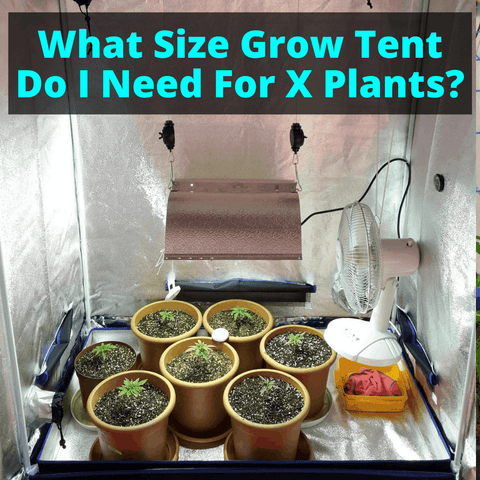
Are you struggling to keep your grow tent warm enough for your plants to thrive? Finding the right way to heat your grow tent can make all the difference in your gardening success.
Whether you want to boost growth during cold months or maintain a steady temperature, knowing how to heat your grow tent correctly is key. You’ll discover simple, effective methods to keep your plants cozy and healthy. Ready to unlock the secret to a perfectly heated grow tent?
Let’s dive in.
Choosing The Right Heater
Heating your grow tent is important to keep plants healthy. Choosing the right heater helps control temperature well. The right heater keeps your plants warm without wasting energy.
You should know about heater types, fuel options, and safety features. This guide helps you pick the best heater for your grow tent.
Types Of Heaters For Grow Tents
There are several heater types for grow tents. Each has pros and cons. The main types are ceramic heaters, oil-filled heaters, and infrared heaters.
- Ceramic heaters:Warm air quickly and are compact.
- Oil-filled heaters:Provide steady heat and use less power.
- Infrared heaters:Heat objects directly, saving energy.
Electric Vs Propane Heaters
| Heater Type | Fuel Source | Advantages | Disadvantages |
| Electric Heater | Electricity | Easy to use, safe indoors, low maintenance | Higher energy cost, may dry air |
| Propane Heater | Propane gas | Heats quickly, works without power | Needs ventilation, risk of gas leaks |
Safety Features To Look For
Safety is very important when heating a grow tent. Look for heaters with built-in safety features. These reduce risks of fire and accidents.
- Overheat protection to turn off heater if it gets too hot
- Tip-over switch to shut off heater if it falls
- Cool-touch housing to prevent burns
- Automatic shut-off timers to avoid overheating

Credit: www.reddit.com
Calculating Heat Requirements
Keeping a grow tent warm is crucial for plant health. Understanding heat needs helps ensure proper plant growth.
To heat a grow tent, you must know the tent size, desired temperature, and heater capacity. These factors help you create the right environment.
Measuring Tent Size And Insulation
The size of your tent affects heat requirements. Larger tents need more heat, while smaller tents need less.
Good insulation helps maintain temperature. Check the tent material and any openings that might let heat escape.
- Measure tent length, width, and height
- Check for gaps or thin spots in insulation
- Consider external temperature changes
Determining Desired Temperature
Plants need specific temperatures to thrive. Know the ideal temperature range for your plants.
Use a thermometer to monitor the current temperature in your grow tent. Adjust settings to reach the desired range.
| Plant Type | Temperature Range (°C) |
| Tropical | 20-30 |
| Temperate | 15-25 |
| Desert | 25-35 |
Estimating Heater Capacity
Heater capacity is crucial to maintain the desired temperature. It is measured in watts.
Calculate the needed heater capacity by considering tent size, insulation, and temperature difference.
- Calculate volume: length x width x height
- Check heater wattage: higher wattage heats larger spaces
- Consider energy efficiency of the heater
Setting Up The Heater
Heating your grow tent helps plants grow well in cold weather. Setting up the heater correctly keeps temperature steady.
This guide covers heater placement, airflow, and avoiding hot spots inside the tent.
Optimal Heater Placement
Place the heater near the bottom of the tent. Warm air rises and spreads evenly from there. Keep the heater away from plants and water.
Put the heater where it can warm the whole tent without blocking lights or vents.
- Set heater on a stable, flat surface
- Keep heater at least 12 inches from plants
- Avoid placing heater near electrical cords
- Place heater away from tent walls
Ventilation And Airflow Tips
Good airflow spreads heat and keeps air fresh. Use fans to move warm air around the tent. Check that vents are open but not too large.
Do not block vents or fans with equipment. This stops proper airflow and causes uneven temperatures.
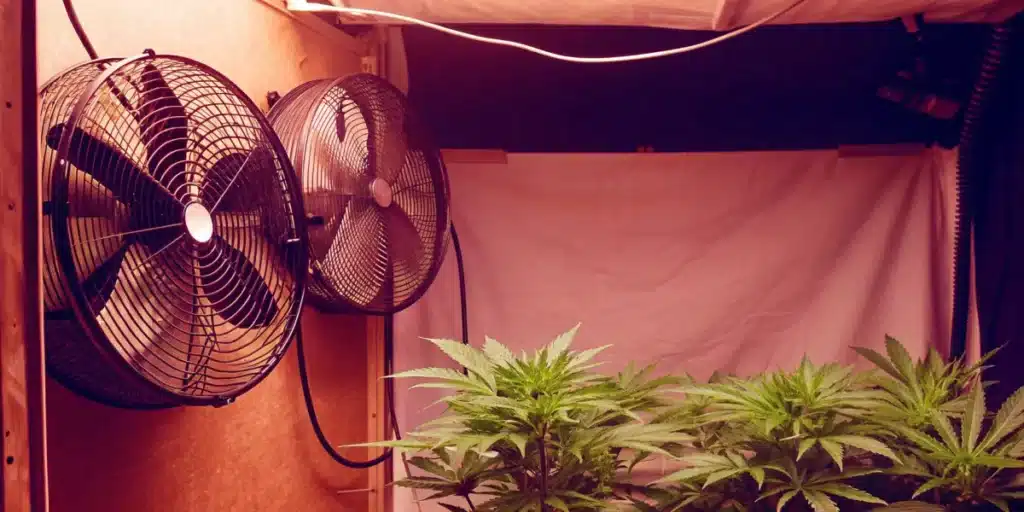
- Place a small fan to circulate warm air
- Keep intake and exhaust vents clear
- Use an oscillating fan for even airflow
- Check airflow daily for blockages
Avoiding Hot Spots
Hot spots can burn plants and waste energy. Avoid placing the heater too close to one area. Spread heat evenly by moving fans or adjusting heater settings.
Check temperature at different heights and corners. Use a thermometer to find and fix hot spots quickly.
- Keep heater centered or away from one side
- Use fans to move heat evenly
- Monitor temperature in multiple spots
- Adjust heater power if needed
Temperature Control Methods
Keeping the right temperature in a grow tent helps plants grow healthy. Different ways exist to control heat inside the tent. Choose the best way for your setup.
Good temperature control protects plants from cold or heat stress. It also saves energy by avoiding overheating.
Using Thermostats And Timers
Thermostats keep the grow tent at a set temperature. They turn heaters on or off automatically. Timers help control when heaters run.
With thermostats and timers, you can avoid overheating and save power. Set the timer to heat only during cold hours.
- Thermostats measure temperature and control heaters
- Timers set heating schedules
- Use together for consistent temperature
Automated Climate Control Systems
Automated systems use sensors to monitor temperature and humidity. They adjust heaters and fans automatically. This keeps the tent climate steady.
These systems reduce the need for manual work. They can also log data to help improve plant care.
- Sensors check temperature and humidity
- System controls heating and ventilation
- Provides real-time climate adjustments
Manual Monitoring Techniques
Manual monitoring means checking the temperature yourself. Use a thermometer to read the tent’s heat. Adjust heaters or fans by hand.
This method needs more time and attention. It works best for small tents or simple setups.
- Use a reliable thermometer inside the tent
- Check temperature regularly throughout the day
- Turn heaters or fans on or off as needed
Improving Heat Retention
Keeping your grow tent warm is important for plant growth. Good heat retention saves energy and keeps a steady temperature.
Use simple methods to keep heat inside your tent. This guide covers insulation, sealing leaks, and reflective materials.
Insulating The Grow Tent
Add insulation to walls and floor to stop heat loss. Use foam boards or bubble wrap for easy insulation.
- Cover walls with foam boards or thick blankets
- Place insulation under the tent floor
- Seal seams with tape to reduce drafts
- Use insulating curtains if possible
Sealing Air Leaks
Close all gaps where warm air can escape. Check zippers, vents, and corners for leaks.
| Area | How to Seal |
|---|---|
| Zippers | Use zipper covers or tape |
| Vents | Close when not in use or cover with plastic |
| Corners and Seams | Apply weather stripping or duct tape |
| Electrical Openings | Seal with foam or silicone |
Using Reflective Materials
Reflective materials bounce heat back inside the tent. This boosts warmth without extra power.
- Line walls with reflective mylar sheets
- Use reflective tape on corners and seams
- Place reflective panels behind heat sources

Credit: www.reddit.com
Safety Precautions
Heating a grow tent is important for plant health in cold weather. You must use heaters safely to avoid accidents. This guide covers key safety tips to keep your grow tent safe and efficient.
Follow these precautions to prevent fire, avoid harmful gases, and keep your equipment in good condition. Safety should always come first.
Preventing Fire Hazards
Fire is a major risk when heating grow tents. Use only heaters made for indoor use and with safety features. Keep heaters away from flammable materials like fabric and plastic.
- Place heaters on stable, non-flammable surfaces.
- Do not leave heaters running unattended for long periods.
- Use heaters with automatic shut-off in case of tipping.
- Keep electrical cords organized and away from water.
- Install a smoke detector near the grow tent area.
Avoiding Carbon Monoxide Buildup
Some heaters produce carbon monoxide (CO), which is dangerous in closed spaces. Always ensure proper ventilation in your grow tent area.
| Ventilation Tips | Details |
|---|---|
| Use Exhaust Fans | Helps remove CO from the tent area |
| Open Air Vents | Allows fresh air to enter and mix with indoor air |
| Install CO Detector | Warns if dangerous gas levels build up |
| Avoid Fuel-Based Heaters | Choose electric heaters to reduce CO risk |
Regular Maintenance And Checks
Keep your heating system and grow tent clean and in good shape. Regular checks help find problems early and keep everything running safely.
- Inspect heater cords and plugs for damage.
- Clean dust and debris from heater vents.
- Test smoke and CO detectors monthly.
- Check tent fabric and seams for tears or holes.
- Replace any worn or broken equipment immediately.
Alternative Heating Options
Keeping your grow tent warm is important for plant health. There are several ways to add heat without using electric heaters. These options can save energy and keep your plants comfortable.
This guide explains three simple heating methods: heat mats and pads, warm water bottles or bags, and passive solar heating. Each method has benefits and easy ways to use it.
Heat Mats And Pads
Heat mats and pads provide gentle warmth from below your plants. They help keep soil temperature steady and encourage root growth. These mats are easy to place under pots or trays.
- Place mats under seedling trays or pots
- Use a thermostat to avoid overheating
- Choose mats with waterproof surfaces for safety
- Keep mats clean to prevent mold growth
- Use energy-efficient mats to save power
Warm Water Bottles Or Bags
Warm water bottles or bags can add heat in small grow tents. They slowly release warmth over hours. This method works well at night or in cool rooms without power.
| Type | Material | Heat Duration |
| Plastic Bottle | Plastic | 2-4 hours |
| Gel Heat Pack | Gel-filled | 4-6 hours |
| Hot Water Bag | Rubber or Silicone | 3-5 hours |
Passive Solar Heating
Passive solar heating uses sunlight to warm your grow tent naturally. It is free and eco-friendly. Position your tent near a sunny window or use reflective surfaces to increase heat.
Tips for better passive solar heating:
- Place the tent where it gets direct sunlight daily
- Use reflective materials inside the tent to spread heat
- Open vents only when needed to keep warmth inside
- Cover the tent with clear plastic to trap solar heat
Credit: blimburnseeds.com
Frequently Asked Questions
How Do I Safely Heat A Grow Tent?
Use electric heaters with thermostats designed for indoor plants. Ensure proper ventilation to prevent overheating. Avoid open flames or unregulated heat sources for safety and plant health.
What Is The Ideal Temperature For A Heated Grow Tent?
Maintain temperatures between 70-85°F (21-29°C) for most plants. Night temperatures can be slightly cooler, around 60-70°F (15-21°C), to mimic natural conditions.
Can I Use A Space Heater In A Grow Tent?
Yes, but choose a compact, adjustable space heater with safety features. Monitor humidity and temperature closely to avoid damage to plants or equipment.
How To Maintain Humidity While Heating A Grow Tent?
Use a humidifier alongside your heater to balance moisture. Monitor humidity levels regularly to keep them between 40-60%, preventing dryness or mold growth.
Conclusion
Heating a grow tent keeps plants healthy and growing strong. Choose a safe heater that fits your space well. Monitor temperature often to avoid too much heat. Good ventilation helps keep air fresh inside. Small steps can make a big difference.
Warmth and care lead to better plant growth. Take time to learn and adjust as needed. Your plants will thank you with better yields. Stay patient and enjoy the growing process.