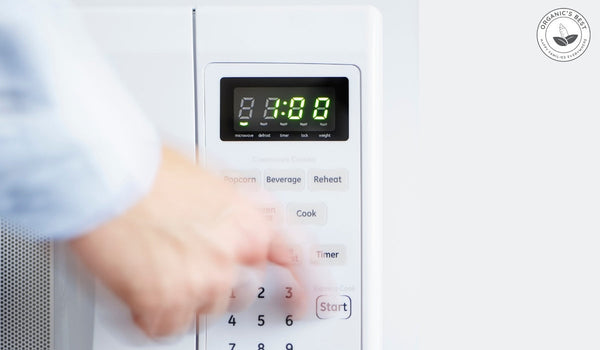
Heating milk in the microwave might seem simple, but if you’ve ever ended up with uneven warmth or a messy spill, you know it’s not always that easy. You want your milk just right—warm enough to enjoy, not too hot to burn your mouth or ruin the flavor.
In this guide, you’ll discover easy steps to heat your milk quickly and safely using your microwave oven. Whether it’s for your morning coffee, a cozy cup of hot chocolate, or a recipe that calls for warm milk, these tips will save you time and frustration.
Keep reading to master the perfect way to heat milk every single time.
Choosing The Right Container
Heating milk in a microwave oven might seem straightforward, but choosing the right container can make all the difference. You want to ensure the container you use is safe and effective. Using the wrong type of container can lead to spillage, uneven heating, or even safety hazards. So, how do you choose the right one?
Microwave-safe Materials
When selecting a container for microwaving milk, opt for microwave-safe materials. Glass and ceramic are excellent choices. They not only withstand high temperatures but also distribute heat evenly.
Look for containers labeled as microwave-safe. This indicates they have been tested for use in microwave ovens. A trusty glass measuring cup is a practical option, and you can easily see how much the milk has heated.
Avoiding Metal And Plastic Risks
Metal containers are a definite no-go for microwaving. They can cause sparks and potentially damage your microwave. This is a common mistake, so always double-check before microwaving.
Plastic containers, while convenient, can pose risks if not microwave-safe. Some plastics can release harmful chemicals when heated. Always check for a microwave-safe label, and if in doubt, avoid using plastic altogether.
Have you ever accidentally used a container that wasn’t microwave-safe? It’s a mistake many have made, often resulting in a mess or a ruined container. Ensuring your container is safe will make your milk-heating experience smooth and worry-free.
Setting The Microwave Power
Setting the microwave power correctly is essential for heating milk evenly and safely. Too high power can cause the milk to scorch or boil over. Too low power may take too long and leave the milk cold. Adjusting the power lets you control the speed and quality of heating.
Using Medium Heat Settings
Medium heat settings work best for heating milk in a microwave. They warm the milk gently without causing sudden boiling. Most microwaves have power levels from 1 to 10. Choose a level around 5 or 6 for the best results.
This power level helps the milk heat evenly. It reduces the chance of hot spots or burning. Use a microwave-safe container that allows heat to spread well. Stir the milk halfway through heating to keep the temperature balanced.
Preventing Overheating
Overheating milk can change its taste and texture. Milk may develop a skin or burn at the edges. To avoid this, stop the microwave and check the milk often.
Heat in short bursts of 20 to 30 seconds. Stir well after each burst. This breaks up hot spots and cools the milk slightly. Keep an eye on the milk’s surface. Stop heating as soon as steam rises or small bubbles form around the edges.
Heating Duration Tips
Heating milk in a microwave requires careful attention to time. Too long, and you risk boiling over or scorching the milk. Too short, and it might stay cold or unevenly heated. Here are some tips on managing the heating duration to get warm, smooth milk every time.
Short Intervals For Even Heating
Microwave your milk in short bursts of 15 to 30 seconds. This approach prevents sudden overheating and helps maintain a consistent temperature throughout the milk. Have you noticed how heating in one long blast can create hot spots? Short intervals help avoid that problem.
Try setting your microwave for 20 seconds, then check the temperature. Repeat if necessary until it reaches your desired warmth. This method also reduces the chance of milk boiling over unexpectedly.
Stirring Between Intervals
Always stir the milk after each heating interval. Stirring spreads the heat evenly and stops hot spots from forming. I learned this the hard way—once I skipped stirring, and the milk scalded on one side while the rest stayed cold.
Use a spoon or a small whisk to mix gently. Even a quick swirl can make a big difference in temperature consistency. How often do you stir your milk when heating it? Try stirring every 20 seconds and notice the smoother texture and better taste.

Credit: www.yahoo.com
Checking Milk Temperature
Checking the temperature of milk after heating it in the microwave is important. It helps avoid overheating and ensures it is safe to drink. Milk heats unevenly in microwaves, so careful checking prevents burns and preserves taste. Use simple tools and steps to test the temperature before serving.
Safe Temperature Ranges
Milk should be warmed to about 130°F (54°C) for drinking. This temperature kills bacteria but does not scald the milk. For babies, keep it lower around 98°F (37°C), close to body temperature. Higher temperatures can burn the mouth or destroy nutrients.
| Purpose | Temperature Range |
|---|---|
| Adult drinking | 120°F to 130°F (49°C to 54°C) |
| Baby feeding | 98°F to 104°F (37°C to 40°C) |
Avoiding Burns
Test the milk temperature with a spoon or a thermometer. Dip a spoon, then touch a small drop to your wrist. It should feel warm, not hot. Stir milk gently to even out hot spots. Heat milk in short bursts to control temperature better.
- Use short heating intervals of 15-20 seconds.
- Stir milk after each interval.
- Always test before drinking or feeding.
Preventing Milk Boil-overs
Milk boil-overs in the microwave can create a mess and waste time. They happen quickly because milk heats unevenly and forms bubbles that expand fast. You can stop this by making simple changes to how you heat milk, saving both hassle and milk.
Using A Larger Container
Choose a container that’s bigger than the amount of milk you want to heat. This gives the milk space to expand without spilling over. Even if you’re heating just a cup, a bowl or a tall glass works better than a small mug.
I once tried heating milk in a narrow cup and ended up with milk all over my microwave floor. Using a wider bowl next time made a huge difference. It keeps the milk contained and lets you heat more safely.
Monitoring Closely During Heating
Microwaves heat milk quickly, so don’t leave it unattended. Heat the milk in short bursts of 15 to 20 seconds, stirring in between to spread the heat evenly. This helps you catch any early signs of bubbling before it boils over.
Have you noticed how milk suddenly rises and spills without warning? Stirring interrupts this process and cools the surface. Watching closely means you can stop heating right before it reaches that point.

Credit: saladinajar.com
Cleaning Tips After Heating
Cleaning after heating milk in the microwave keeps your appliance fresh and safe. Milk spills can create tough stains and odors. Quick cleaning prevents buildup and keeps your microwave ready for the next use. Follow simple steps to remove spills and maintain hygiene effectively.
Removing Milk Spills
Milk often boils over during heating, causing spills inside the microwave. Clean spills right away to avoid stubborn stains.
- Wipe spills with a damp cloth or paper towel immediately.
- Use warm soapy water for sticky milk residue.
- Heat a bowl of water with lemon slices for 3-5 minutes to loosen dried milk.
- Carefully wipe the inside with a soft sponge after steaming.
- Dry the area with a clean cloth to prevent moisture buildup.
Maintaining Microwave Hygiene
Regular cleaning keeps your microwave hygienic and odor-free. Follow these tips to maintain cleanliness:
- Clean the microwave weekly, even without spills.
- Use mild detergents to avoid damaging the interior.
- Remove and wash the turntable separately.
- Wipe the door seals gently to ensure a proper seal.
- Leave the microwave door open after cleaning to air out moisture.
Alternative Heating Methods
If your microwave isn’t available or you prefer a gentler way to heat milk, there are simple alternative methods you can try. These options give you more control over the temperature and texture, helping you avoid scorching or boiling over. They’re especially handy when you want to warm milk slowly or prepare larger quantities.
Using Stovetop
Heating milk on the stovetop is straightforward and effective. Pour the milk into a small saucepan and set the heat to low or medium-low. Stir the milk regularly to prevent a skin from forming and to stop it from sticking to the bottom.
Keep an eye on the milk as it warms. It’s ready when you see steam rising and small bubbles forming around the edges—avoid boiling it to keep the taste fresh. Have you noticed how slowly heating milk can bring out a creamier flavor? That’s the magic of stovetop warming.
Water Bath Technique
The water bath, or double boiler, technique adds an extra layer of gentle heating to protect the milk from direct heat. Fill a pot with a few inches of water and bring it to a simmer. Place a heatproof bowl with milk on top, ensuring the bottom doesn’t touch the water.
Stir the milk occasionally while it warms. This method is perfect for delicate recipes or when you want to avoid any risk of burning. Have you tried this method for making hot chocolate or custards? It helps achieve a smooth, even warmth that enhances the final taste.
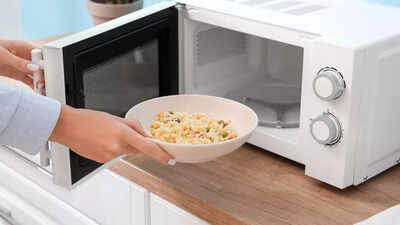
Credit: timesofindia.indiatimes.com
Frequently Asked Questions
How Long To Heat Milk In Microwave Safely?
Heat milk in the microwave for 30 to 45 seconds. Stir halfway to avoid hot spots. Adjust time based on milk quantity and microwave wattage. Always check temperature before drinking to prevent burns.
Can I Heat Milk In Microwave Without Boiling?
Yes, microwave milk on medium power to warm without boiling. Heat in short intervals of 15 seconds. Stir between intervals for even warming. This method prevents milk from scorching or forming a skin.
Is It Safe To Heat Milk In Microwave?
Heating milk in the microwave is safe if done correctly. Use microwave-safe containers and avoid overheating. Stir milk frequently to prevent hot spots and skin formation. Always monitor milk to avoid spills or burns.
How To Prevent Milk From Overflowing In Microwave?
Use a larger container to allow milk to expand. Heat in short intervals and stir often. Avoid heating at full power to reduce boiling risk. Monitoring helps stop overflow before it happens.
Conclusion
Heating milk in a microwave is quick and simple. Use short time intervals to avoid overheating. Stir the milk between heating to keep it smooth. Always watch closely to prevent spills or burns. With these tips, you can enjoy warm milk anytime.
Safe, easy steps make this task stress-free. Try it yourself and see how fast it works. Heating milk this way saves time and effort. A small skill with big convenience.