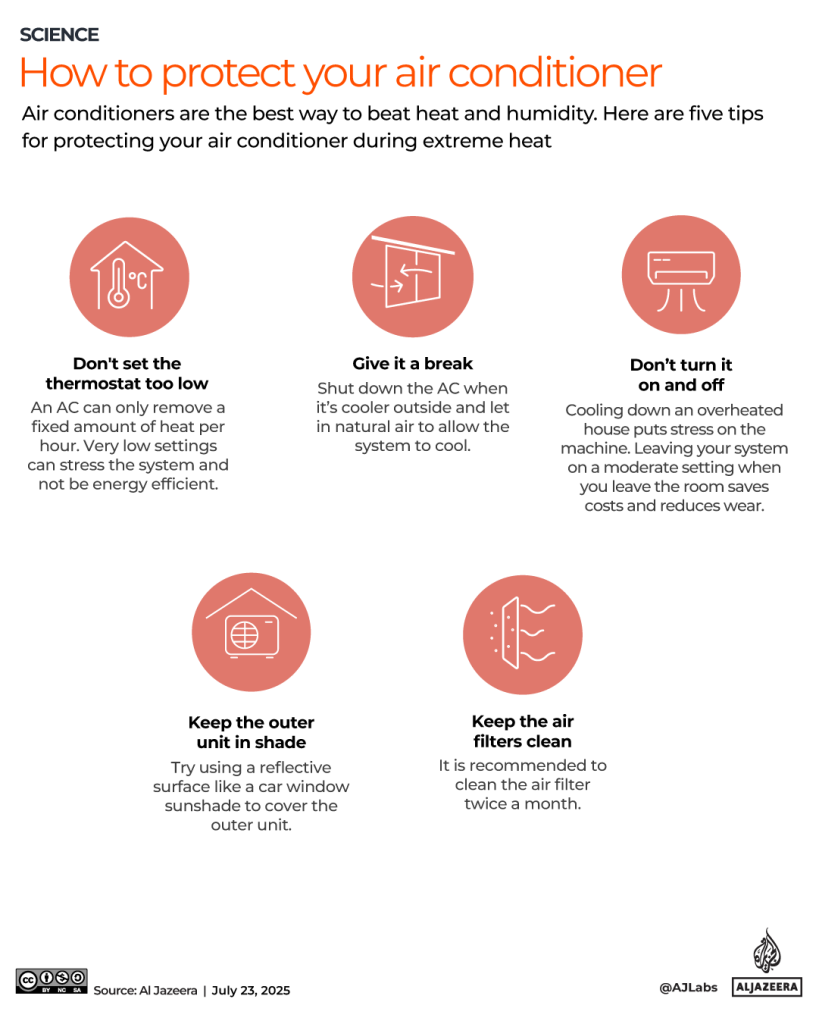
Is your air conditioner struggling to keep your home cool? When the heat rises, you want your AC to work efficiently without breaking down or driving up your energy bills.
You might not realize it, but small changes in how you use and maintain your air conditioner can make a huge difference. You’ll discover simple, practical tips that help your AC keep up with the heat, save money, and last longer.
Keep reading to learn how to make your cooling system work smarter—not harder.

Credit: malekservice.com
Signs Your Ac Is Struggling
Your air conditioner works hard to keep your home cool. Sometimes, it may show signs that it needs help. Knowing these signs can save you from bigger problems later.
Look out for changes in how your AC performs. Early detection helps you fix small issues before they grow.
Reduced Cooling Efficiency
One clear sign your AC is struggling is when it cools less than before. The air may not feel as cold, or it might take longer to lower the temperature.
- Rooms stay warm even when AC runs long
- Cool air feels weak or uneven
- Thermostat settings do not match room temperature
Unusual Noises
Strange sounds can mean your AC has a problem. Listen for noises that are not normal when the unit runs.
| Noise Type | Possible Cause |
| Rattling | Loose parts or debris |
| Grinding | Worn motor or bearings |
| Squealing | Damaged belt or motor issues |
| Hissing | Refrigerant leaks |
Increased Energy Bills
Your AC may use more power if it works harder than needed. Watch for a rise in your energy bills without a change in use.
Signs of increased energy use include:
- Higher monthly electricity costs
- Frequent cycling on and off
- Longer run times to reach the set temperature
Regular Maintenance Tips
Keeping your air conditioner in good shape helps it work better. Regular care saves energy and prevents costly repairs.
Simple maintenance tasks can keep your AC cool and efficient all summer long.
Cleaning Or Replacing Filters
Dirty filters block airflow and reduce cooling. Clean or change filters every 1 to 3 months.
Use a vacuum or wash reusable filters with water. Let them dry before putting back.
- Check filters monthly during heavy use
- Replace disposable filters if they look worn
- Keep filters free from dust and debris
Checking Refrigerant Levels
Refrigerant cools the air inside your home. Low levels make the AC work harder and use more power.
Have a professional check refrigerant levels once a year. They can fix leaks and refill gas safely.
- Signs of low refrigerant: weak cooling, ice on coils
- Do not try to add refrigerant yourself
- Regular checks prevent damage to the compressor
Inspecting Coils And Fins
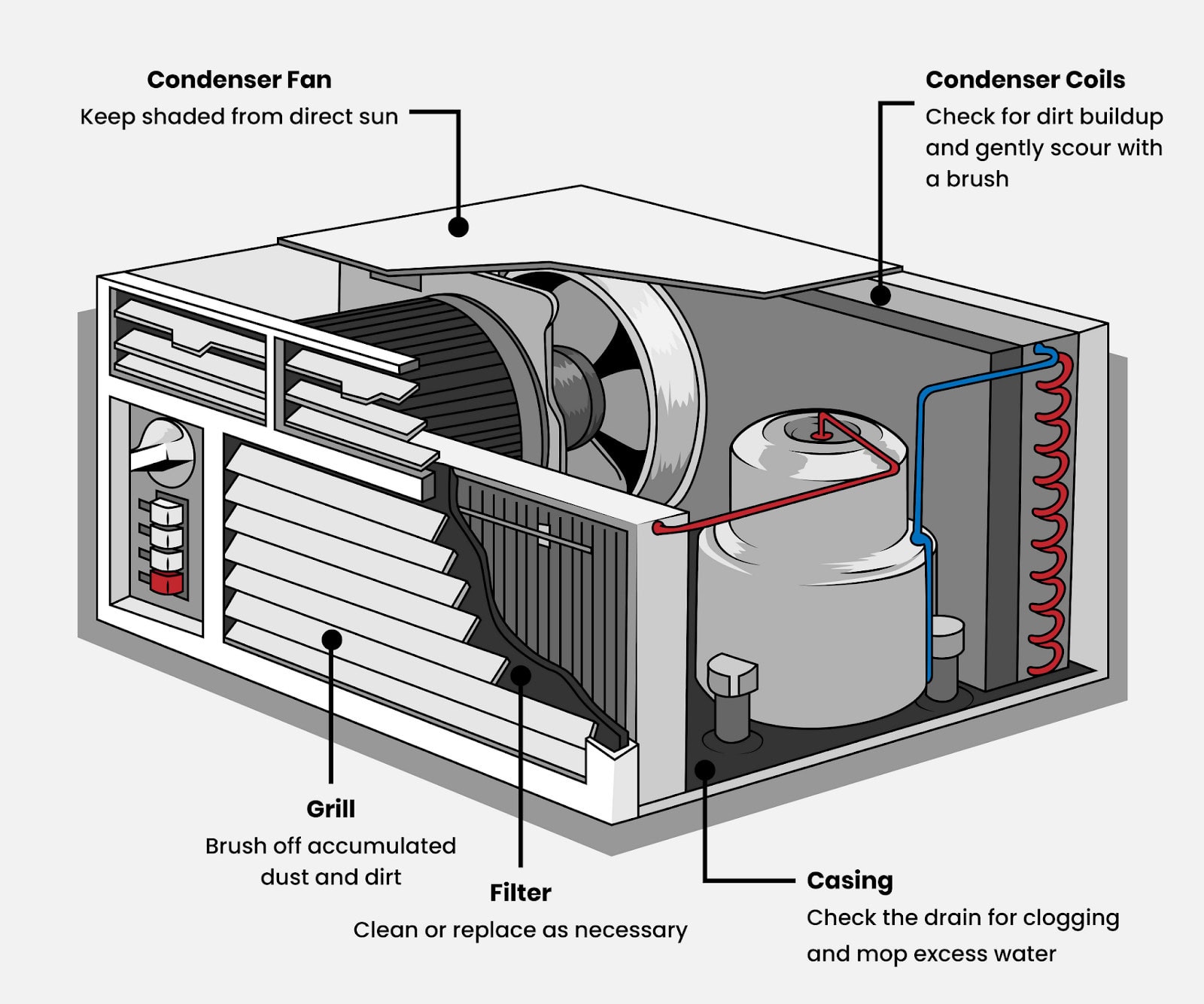
Coils and fins help move heat out of your home. Dirt and damage reduce their efficiency.
Clean coils gently with a soft brush or coil cleaner. Straighten bent fins carefully with a fin comb.
- Check coils for dirt and debris
- Fix bent fins to improve airflow
- Turn off power before cleaning
Optimizing Thermostat Settings
Keeping your air conditioner working well depends on how you set the thermostat. Small changes can save energy and keep your home comfortable.
Understanding the best thermostat settings helps your AC run smoothly and last longer.
Ideal Temperature Settings
Set your thermostat to a temperature that balances comfort and energy use. Too low or too high can make your AC work harder.
For cooling, aim for 75°F (24°C) when you are home. Raise it a few degrees when you are away.
- Keep the temperature steady to avoid extra strain
- Use a fan to help cool without lowering temperature
- Close curtains to block heat from sunlight
Using Programmable Thermostats
Programmable thermostats adjust temperature automatically. This saves energy by matching your schedule.
You can set different temperatures for day and night or for when you are away from home.
- Set the thermostat higher when no one is home
- Lower the temperature before you return
- Use pre-set programs to avoid manual changes
Avoiding Frequent Adjustments
Changing the thermostat often makes your air conditioner work harder. This can wear out the system faster.
Try to keep the thermostat at one setting for longer periods. Let the AC do its job without interruptions.
- Set a comfortable temperature and leave it
- Use fans to adjust comfort instead of changing thermostat
- Avoid lowering the temperature too quickly
Credit: blog.totalhomesupply.com
Improving Home Insulation
Good insulation helps your air conditioner work better. It keeps cool air inside and hot air outside. This lowers energy bills and makes your home more comfortable.
There are simple ways to improve home insulation. Focus on windows, doors, and window coverings. These areas often let air escape.
Sealing Windows And Doors
Windows and doors can have gaps that let air leak out. Sealing these gaps stops cool air from escaping. Use caulk or foam sealant around frames and edges.
- Check for cracks around window frames
- Seal gaps with weather-resistant caulk
- Use foam sealant for larger spaces
- Replace old or damaged door sweeps
Adding Weatherstripping
Weatherstripping adds a barrier between moving parts of doors and windows. It stops drafts and air leaks. Install it where the window or door closes tightly.
| Type of Weatherstripping | Best Use | Durability |
| Foam Tape | Small gaps around windows | Short |
| V-Seal | Sliding windows and doors | Medium |
| Felt | Older doors and windows | Low |
| Rubber or Vinyl | Exterior doors | High |
Using Curtains And Blinds
Curtains and blinds help keep cool air inside your home. Thick or thermal curtains block heat from entering. Closing them at night keeps warmth out.
- Choose curtains with thermal lining
- Close curtains during hot days
- Use blinds that reflect sunlight
- Keep window coverings closed at night
Enhancing Airflow
Good airflow helps your air conditioner work better. It keeps your home cool and saves energy.
Improving airflow is simple. You can clear vents, use ceiling fans, and avoid blockages.
Clearing Vents And Registers
Vents and registers let air move through your home. Dust and dirt can block them.
Keep vents clean and clear for better airflow. Check for furniture or curtains blocking them.
- Remove dust with a vacuum or cloth
- Do not cover vents with furniture
- Keep curtains away from vent openings
Using Ceiling Fans
Ceiling fans help spread cool air in the room. They make the air conditioner work less.
Turn fans on when the AC runs. Fans keep air moving and make rooms feel cooler.
- Use fans to move air evenly
- Turn off fans when no one is in the room
- Set fan speed to low or medium for comfort
Avoiding Blockages
Blockages stop air from flowing well. Keep areas near vents free from clutter.
Check for rugs, boxes, or plants that block airflow. Clear space around the AC unit too.
- Keep at least two feet of space around vents
- Do not place large furniture near vents
- Clear leaves and debris from outdoor AC units
Smart Cooling Habits
Keeping your air conditioner working well means using smart cooling habits. These habits help save energy and keep your home comfortable.
Simple changes in how you use your home and appliances can help your air conditioner keep up with cooling needs.
Limiting Heat-generating Activities
Heat from cooking, ironing, or using hot lights adds extra work for your air conditioner. Try to limit these activities during the hottest parts of the day.
Use outdoor grills or cook early in the morning or late in the evening to reduce indoor heat.
- Avoid using the oven or stove at midday
- Turn off unnecessary lights that produce heat
- Use fans instead of heaters when possible
Using Appliances Wisely
Appliances like dishwashers, dryers, and washing machines produce heat while running. Use them carefully to keep your home cooler.
Run these appliances during cooler times and only when fully loaded to save energy and reduce heat.
- Operate appliances early morning or late evening
- Run full loads to use less energy
- Consider air-drying clothes to avoid dryer heat
Scheduling Cooling During Off-peak Hours
Electricity is cheaper and less crowded during off-peak hours. Cooling your home during these times helps your air conditioner work better.
Set timers or smart thermostats to lower cooling needs when energy demand is high.
- Use timers to run the AC before peak hours
- Raise thermostat settings slightly during peak hours
- Use smart thermostats to adjust cooling automatically
When To Call A Professional
Air conditioners need care to work well all summer. Some problems need a professional’s help. Knowing when to call can save money and keep your home cool.
This guide explains signs of big repairs, routine checkups, and when to think about upgrades. Use it to keep your AC running smoothly.
Signs Of Major Repairs
Some problems show that your air conditioner needs expert repair. Watch for these signs to avoid bigger damage.
- Strange noises like banging or grinding
- Strong, bad smells coming from the unit
- Water leaks around the AC
- Warm air blowing instead of cool
- High electric bills without more use
- Unit turns on and off often
Routine Professional Inspections
Regular checkups help keep your AC in good shape. A technician finds small issues before they grow.
| Inspection Task | Frequency |
| Clean filters and coils | Every 3 months |
| Check refrigerant levels | Once a year |
| Inspect electrical connections | Once a year |
| Test thermostat accuracy | Once a year |
Considering System Upgrades
Older air conditioners may not work well or use much energy. Upgrading can save money and improve comfort.
Signs you might need an upgrade:
- Your AC is over 10 years old.
- Repairs cost more than half the price of a new unit.
- Your energy bills keep rising.
- The system cannot cool your home evenly.
- You want a more eco-friendly option.

Credit: a1heating.com
Frequently Asked Questions
How Can I Boost My Ac’s Efficiency?
To boost your AC’s efficiency, regularly clean or replace filters. Ensure vents are unobstructed and keep your thermostat at a consistent temperature. Schedule annual maintenance checks to identify issues early. Using curtains or blinds can also reduce heat entering your home, helping your AC work more effectively.
Why Is My Ac Struggling To Cool?
Your AC might struggle due to dirty filters, blocked vents, or low refrigerant levels. An improperly sized unit can also be problematic. Ensure all windows and doors are closed, and check for any air leaks. Regular maintenance can help identify and resolve these issues effectively.
What Temperature Should I Set My Ac To?
For optimal efficiency, set your AC to 78°F when home. This temperature balances comfort and energy savings. When away, increase it by 7-10 degrees to save energy. Consistent settings prevent your AC from overworking, extending its lifespan and ensuring it keeps up with cooling demands.
How Often Should I Service My Air Conditioner?
Service your air conditioner at least once a year. Regular maintenance ensures optimal performance and identifies potential issues early. It helps maintain efficiency and prolongs the unit’s lifespan. An annual check-up includes cleaning, inspecting, and testing critical components to ensure everything functions correctly.
Conclusion
Helping your air conditioner work well saves money and keeps you cool. Clean filters often to let air flow freely. Check the thermostat settings and lower energy use. Keep the outdoor unit clear of leaves and dirt. Regular service helps spot problems early and avoids breakdowns.
Small steps make a big difference in cooling your home. Stay comfortable all summer with simple care habits. Your air conditioner will thank you with better performance.