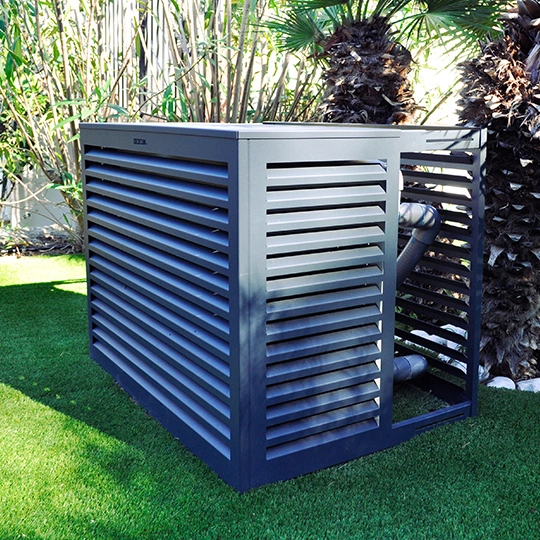
Is your air conditioner unit ruining the look of your home or outdoor space? You’re not alone.
Many people struggle with finding ways to hide their AC units without blocking airflow or making things worse. Imagine enjoying cool air without the eyesore—sounds perfect, right? You’ll discover simple, effective tricks to conceal your air conditioner unit while keeping it working smoothly.
Ready to transform your space and keep things cool? Let’s dive in.
Reasons To Hide Your Ac Unit
Hiding your air conditioner unitcan make your home look nicer. It blends the unit with your house design. This helps keep your outdoor space tidyand pleasant.
Protecting the unit is another important reason. A cover or screen can stop dirt, leaves, and rain from damaging the AC. This extends the lifeof the unit and keeps it working well.
Noise from the AC can be loud and annoying. Hiding it behind a fence or plants helps reduce sound. This makes your garden or yard more peaceful for you and your neighbors.
Creative Screening Ideas
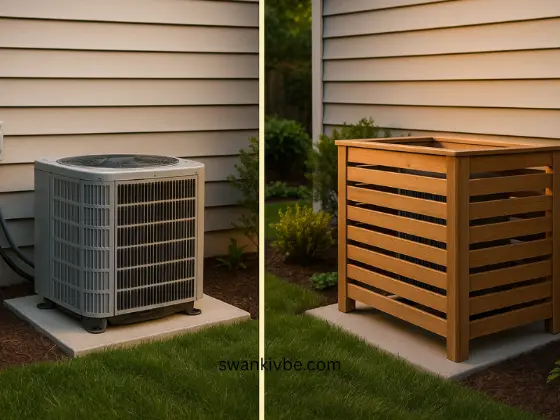
Wooden slat screensoffer a natural look and allow airflow. They are easy to build and paint. Wood can match your home’s style and can be arranged vertically or horizontally. This option is strong and durable.
Decorative metal panelscome in many patterns. They are weather-resistant and require little care. Metal panels add a modern touch and hide the unit well. Choose rust-proof materials for long life.
Lattice panels with climbing plantscreate a green, soft screen. Plants like ivy or jasmine grow well and add beauty. The lattice supports the plants and gives good air flow. This option blends with nature nicely.
Using Outdoor Furniture And Decor
Placing planters and greeneryaround the air conditioner helps it blend into the yard. Use tall plants or bushes to cover the unit without blocking airflow. Choose plants that grow well in your climate and need little care.
Incorporating benches and shelvesnear the unit creates a dual purpose. Benches offer seating, while shelves provide space for small pots or decorations. This hides the unit while making the area look inviting.
Decorative screensadd style and privacy. Choose screens made of wood, metal, or plastic with patterns that match your outdoor decor. Place them a few inches away from the unit to keep air flowing freely.

Credit: www.reddit.com
Building Custom Enclosures
Building a custom enclosure for an air conditioner needs the right materialsand design. Wood, metal, and plastic are common choices. Wood looks natural and can be painted. Metal is strong but may get hot. Plastic is lightweight but less sturdy.
Design should allow easy accessfor maintenance. The enclosure must not block airflow. Proper size and shape keep the unit cool.
Good ventilationis key to avoid overheating. Leave gaps or vents on all sides. Use mesh screens to keep bugs out while letting air flow freely.
Choosing between DIYand professional installation depends on skills and tools. DIY saves money but needs careful measuring and cutting. Professionals ensure safety and proper fit but cost more.
Seasonal And Temporary Solutions
Portable coversand fabrics are easy to use for hiding air conditioner units. These covers protect the unit from dust and weather during off-seasons. Choose covers made from breathable materialsto avoid moisture build-up. They come in various sizes and colors to blend with your home.
Folding screensoffer a flexible way to block the view of the unit. They can be moved or stored easily when not needed. Folding screens come in wood, metal, or fabric, and add a decorative touch to your space.
Removable panelsare good for quick coverage. These panels can be attached around the unit and taken off when the air conditioner is in use. They allow for proper airflow while hiding the unit effectively.
Credit: swankivbe.com
Maintenance Tips For Hidden Units
Keep the area around the air conditioner clear for easy cleaning access. Dirt and dust can block airflow and reduce efficiency. Regularly remove leaves, debris, and dirt from the unit’s surface. Check filters often and clean or replace them to keep air fresh.
Avoiding obstructionsis key. Do not place plants, furniture, or other items too close to the unit. These can block air vents and cause the unit to overheat or work harder.
Monitoring unit performancehelps catch problems early. Listen for unusual sounds and watch for reduced cooling. This can mean the unit needs maintenance or repair. Keep a simple log of performance to notice changes over time.

Credit: boxairklima.com
Frequently Asked Questions
How Can I Conceal My Outdoor Ac Unit?
You can conceal your outdoor AC unit using decorative screens, lattice, or shrubs. Ensure there’s enough space for airflow and maintenance. Choose materials that complement your home’s exterior. Consider using plants or trellises to blend the unit with your garden.
Proper concealment enhances aesthetics without compromising functionality.
What Are The Best Plants For Hiding Ac Units?
Opt for tall ornamental grasses, evergreen shrubs, or bamboo. These plants provide year-round coverage and are low maintenance. Ensure they don’t obstruct airflow or access. Native plants can blend naturally with your landscape. Choose species that thrive in your climate for best results.
Can Lattice Panels Hide My Ac Unit Effectively?
Yes, lattice panels are excellent for hiding AC units. They allow airflow while providing privacy and aesthetic appeal. Choose weather-resistant materials to ensure durability. Customize with paint or stain to match your home’s exterior. Lattice panels are an affordable and stylish solution for concealing AC units.
Are There Diy Options For Hiding Ac Units?
Absolutely, you can create a DIY enclosure using wood, pallets, or bamboo. Ensure it allows proper ventilation and access for maintenance. Customize with paint or plants for added aesthetics. DIY options are cost-effective and can be tailored to your style preferences.
Follow safety guidelines during construction.
Conclusion
Hiding your air conditioner unit can improve your home’s look easily. Simple covers or screens blend the unit with your space. Choose materials that allow airflow to keep it working well. Small steps make a big difference in outdoor design.
Protect the unit from dirt and damage at the same time. Enjoy a cleaner, tidier yard without extra hassle. Your home will feel more comfortable and neat. Try these ideas and see the change yourself.