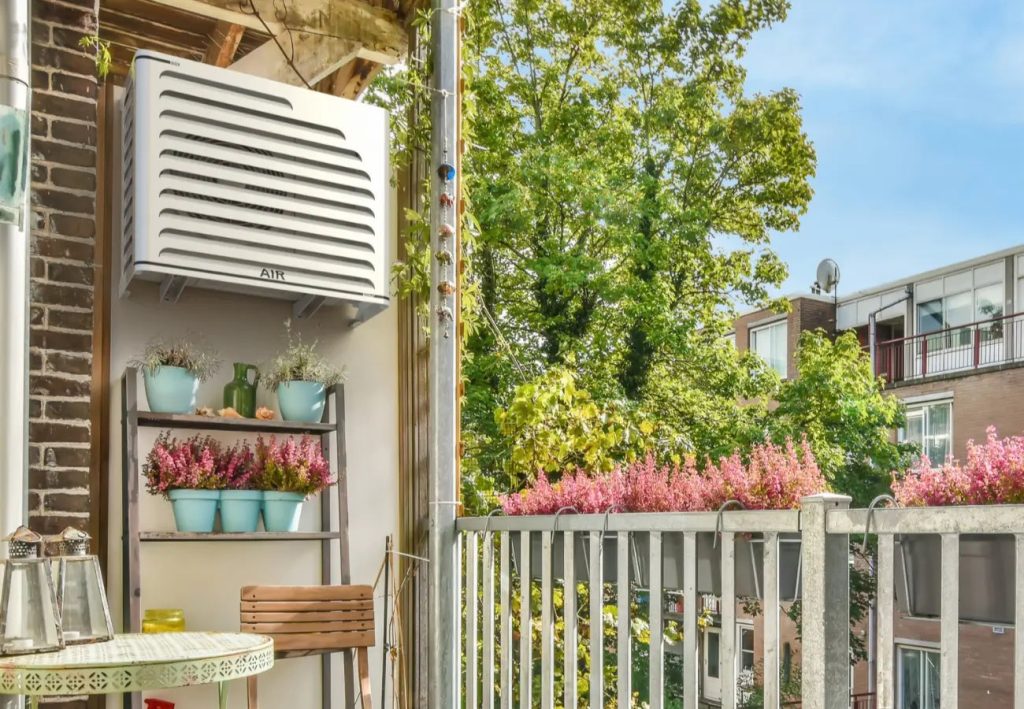
Your outside air conditioner unit does its job quietly, keeping your home cool. But let’s be honest—it’s not the most attractive thing to look at.
If you want to enjoy a beautiful yard or patio without that bulky metal box stealing the spotlight, you’re in the right place. You’ll discover simple, effective ways to hide your AC unit without blocking airflow or making your cooling less efficient.
Keep reading, and you’ll learn how to blend function with style, making your outdoor space look clean and inviting all year round.
Choosing The Right Location
Choose a spot with good sunlight and ventilation. The unit works best with fresh air flow. Avoid places that get too hot or too shaded. This helps the unit run efficiently.
Make sure the location allows easy accessfor cleaning and repairs. You don’t want to move big things every time you check it. Clear space around the unit is important for maintenance.
- Place the unit near a wall or fence to hide it.
- Use plants or screens for better appearance.
- Keep enough space for air to move freely.
- Balance looks and function to avoid problems.

Credit: swankivbe.com
Creative Screening Ideas
Lattice panelsoffer a simple way to hide air conditioner units. They allow air to flow freely, which is important for the unit’s work. These panels can be painted to match your home or garden style. They create a neat and tidy look.
Building decorative fences around the unit can also help. Choose materials like wood or vinyl for a clean design. Fences block the view but do not trap heat. Make sure the fence is tall enough to cover the unit but leaves space underneath for airflow.
- Incorporate trellisesnear the unit for a natural cover.
- Grow climbing plants like ivy or jasmine on the trellis.
- This adds greenery and softens the look of the unit.
- Plants must not block airflow or touch the unit directly.
Natural Camouflage With Plants
Choose shrubs and bushesthat grow well in your climate. Evergreen plants work best as they provide year-round cover. Select species that don’t grow too tall or wide to avoid blocking airflow.
Space plants at least 2 to 3 feetfrom the unit. This keeps the air conditioner well-ventilated. Good airflow helps the unit work efficiently and last longer.
Trim plants regularly to prevent leaves and branches from touching the unit. Clear away fallen leaves and debris to avoid clogging vents. Check plants each season for new growth that could block airflow.
Credit: swankivbe.com
Diy Covers And Enclosures
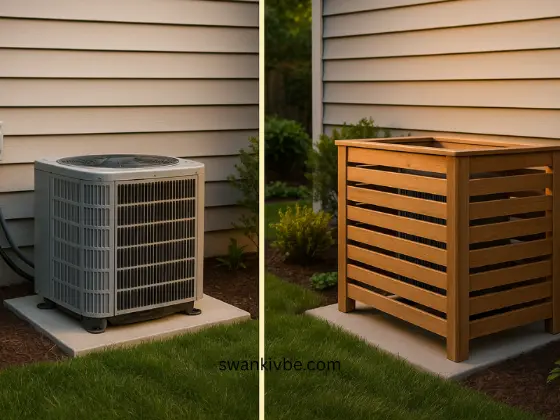
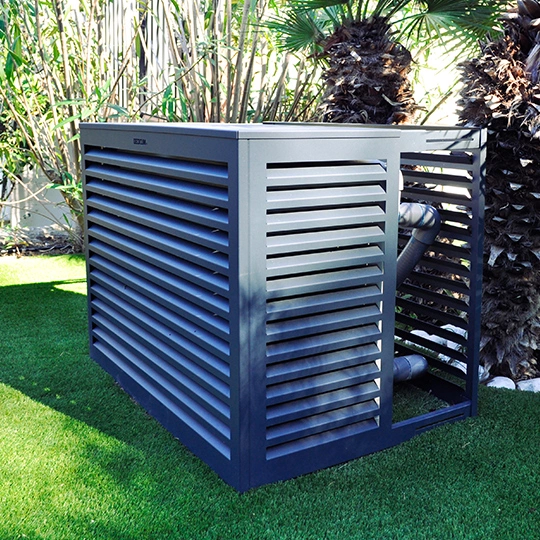
Custom covers for outside air conditioner units need durable and weather-resistant materials. Common choices include wood, metal, and vinyl. Wood offers a natural lookand is easy to paint. Metal covers are long-lastingand provide a modern style. Vinyl is lightweightand resists moisture well. Using mesh or slatsallows airflow while hiding the unit.
Designing stylish enclosures means matching the cover to your home’s look. Simple shapes with clean lines fit most spaces. Adding plants or lattice panelscan soften the appearance. Paint or stain the cover to blend with walls or fences. Avoid bulky designs that block access for repairs.
Proper airflow is criticalto keep the air conditioner working well. Leave at least 12 inches of spacearound the unit. Use ventilation slats, gaps, or meshto allow air to flow freely. Avoid covering the top completely to prevent heat build-up. Good airflow helps the unit last longer and saves energy.
Using Outdoor Furniture Strategically
Placing benchesnear the air conditioner helps hide it well. Use screensthat match your garden style for a neat look. Benches can serve as seating and cover the unit.
Storage solutions with outdoor cabinetsor boxes hide the unit and keep tools. Choose storage that allows air to flow freely around the unit. This keeps the air conditioner working well.
Keep easy accessby leaving space to reach the unit for repairs. Doors or removable panels in screens or storage help. This way, maintenance is simple without moving heavy furniture.
Painting And Finishing Touches
Choose colorsthat match your house or garden. Soft greens, browns, or grays work well. These shades help the air conditioner blend in.
Use weatherproof paintto protect the unit from rain and sun. Look for paint labeled for outdoor metal surfaces. This keeps the unit safe and looking fresh.
Decorative elements add charm while hiding the unit. Consider:
- Wooden lattice panels painted the same color
- Small shrubs or flower pots placed nearby
- Decorative screens that allow airflow
These ideas improve the look without blocking air flow. The key is blending and protecting the unit carefully.
Safety And Maintenance Considerations
Airflow must stay clear to prevent blockagesand overheating. Keep plants, debris, and furniture away from the unit. Avoid covering the unit with solid materials that block air.
Clean the outside unit regularly. Remove leaves, dirt, and dust from the fins and coils. Check for bent fins and fix them carefully. Inspect the unit for signs of rust or damage to avoid issues.
- Schedule professional serviceat least once a year.
- Ask the technician to check refrigerant levels and electrical parts.
- Ensure the unit sits on a level surface to reduce strain.
- Request a full system check to maintain efficiency and safety.
Credit: www.decoclim.fr
Frequently Asked Questions
How Can I Disguise My Outdoor Ac Unit?
You can use decorative screens, lattice panels, or shrubs to hide your AC unit. These options allow for ventilation and easy access. Choose materials resistant to weather and ensure there’s enough space for airflow. Regular maintenance checks are crucial to avoid efficiency loss.
What Plants Are Best For Hiding Ac Units?
Opt for tall grasses, shrubs, or evergreens that provide year-round coverage. Choose plants that thrive in your climate zone. Ensure they don’t obstruct airflow or access to the unit. Plants should be placed at least 2-3 feet away to allow for adequate ventilation.
Is It Safe To Cover An Ac Unit?
Yes, but ensure proper airflow by using lattice or screens. Avoid complete coverage, as it can cause overheating. Use materials like wood or metal that withstand weather conditions. Regularly check for debris buildup to maintain efficiency and prolong the unit’s life.
How Do I Maintain Access To My Ac Unit?
Design your cover to allow easy access for maintenance. Use removable panels or gates for quick entry. Ensure there’s enough space around the unit for technicians to work. Regular maintenance checks are essential for efficient operation and can help detect potential issues early.
Conclusion
Hiding your outside air conditioner unit can improve your home’s look. Simple screens or plants work well to blend it in. Make sure to keep space for airflow and easy access. Choose materials that match your house style for a natural feel.
A neat and hidden unit adds value and comfort. Small changes make a big difference in your outdoor space. Start planning today to enjoy a cleaner, more attractive yard.