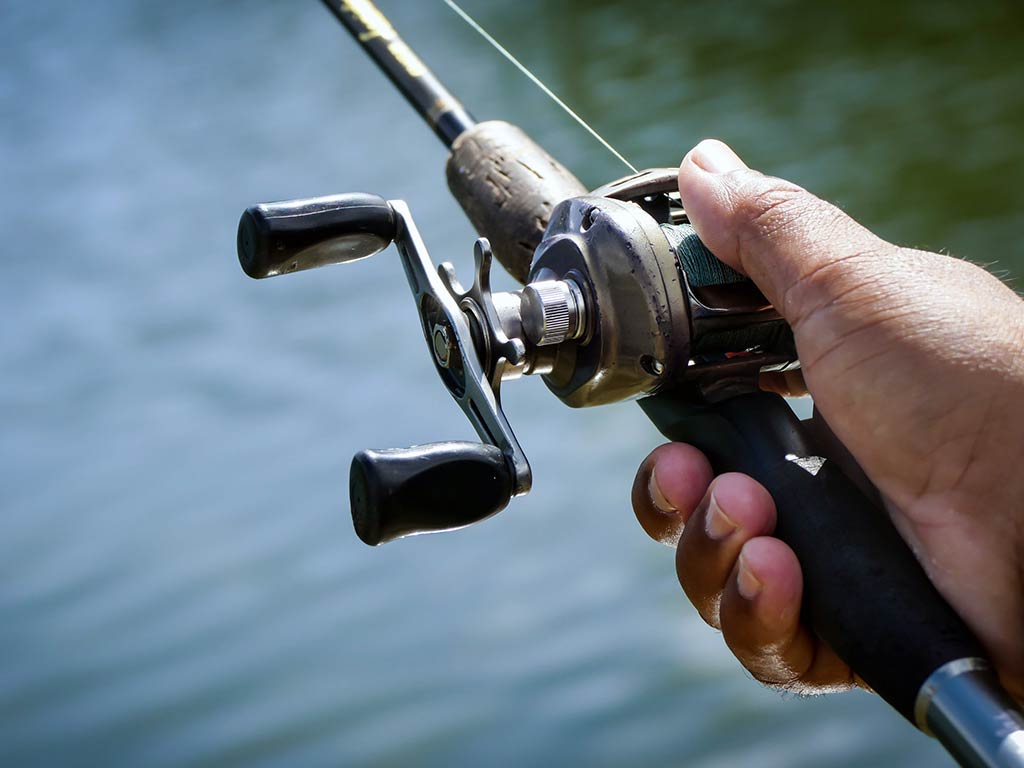
Are you ready to catch your next big fish but unsure how to hold your fishing rod the right way? Holding a fishing rod correctly might seem simple, but the way you grip and control it can make all the difference between a successful catch and a missed opportunity.
In this guide, you’ll discover easy steps to master your grip, improve your casting, and feel more confident every time you fish. Keep reading, and soon you’ll handle your rod like a pro, turning your fishing trips into exciting, rewarding experiences.

Credit: anglersresource.net
Choosing The Right Rod
Choosing the right fishing rod is important for a good fishing experience. The right rod helps you catch fish easier and keeps you comfortable.
There are many types of rods and sizes. It is best to know what fits your fishing style and the fish you want to catch.
Types Of Fishing Rods
Fishing rods come in different types. Each type is made for a special fishing method or water area.
- Spinning rods are easy to use and good for beginners.
- Baitcasting rods give more control and power.
- Fly rods are for fly fishing with light lures.
- Trolling rods are strong and used for deep water fishing.
Matching Rod To Fish Species
Different fish need different rods. Small fish need light rods. Big fish need strong rods.
| Fish Species | Rod Type | Rod Power |
| Trout | Spinning or Fly Rod | Light |
| Bass | Baitcasting or Spinning Rod | Medium |
| Catfish | Baitcasting Rod | Heavy |
| Salmon | Fly or Spinning Rod | Medium to Heavy |
Rod Length And Power
Rod length affects how far you can cast and your control. Power means how strong the rod is.
- Short rods (5 to 7 feet) give better control and work in tight spaces.
- Long rods (7 to 12 feet) help you cast farther.
- Light power rods are for small fish and light lures.
- Medium power rods work for many fish types.
- Heavy power rods are for big fish and heavy lures.
Grip Techniques
Holding a fishing rod correctly is important for an enjoyable fishing trip. The right grip helps you feel the fish and control the rod.
There are different ways to hold a fishing rod. Here are some techniques to get you started.
Basic Rod Hold
The basic hold is simple and comfortable. It is perfect for beginners learning to fish.
Place the rod handle in your dominant hand. Your thumb should be on top, and your fingers should wrap around the rod.
Using The Palm And Fingers
This grip uses your palm and fingers for better control. It is good for casting and reeling.
Hold the rod with your palm facing up. Wrap your fingers around the rod, with your thumb resting on the side.
- Use your index finger to guide the line
- Keep a firm but relaxed grip
- Adjust your thumb position for balance
Adjusting Grip For Comfort
Adjusting your grip can prevent hand fatigue. This is important for long fishing trips.
Shift the rod in your hand to find a comfortable position. Make sure your wrist is not strained.
- Change your grip to match the size of the rod handle
- Use a light grip to reduce hand tension
- Take breaks to stretch your fingers
Casting Basics
Holding a fishing rod properly helps you cast farther and more accurately. Good casting makes fishing easier and more fun.
This guide covers the key parts of casting: stance, back cast, forward cast, and timing. Each part helps you improve your fishing skills.
Stance And Body Position
Stand with your feet shoulder-width apart for balance. Keep your knees slightly bent. Face sideways to the water with your dominant hand holding the rod.
- Place your weight evenly on both feet
- Keep your back straight but relaxed
- Hold the rod with a firm but comfortable grip
- Use your wrist and arm to control the rod’s movement
Back Cast And Forward Cast
The back cast moves the rod behind you to load power. The forward cast moves it ahead to release the line. Both casts need control and smoothness.
| Cast Type | Purpose | Key Point |
| Back Cast | Prepare to cast | Lift rod slowly behind you |
| Forward Cast | Release the line | Push rod forward smoothly |
Timing And Smooth Motion
Good timing helps the line fly straight. Move the rod in a smooth, steady motion. Avoid jerky or rushed movements.
- Start with a slow back cast
- Pause briefly at the top of the back cast
- Push the rod forward with steady speed
- Release the line just before the rod points at your target
- Follow through after the cast to keep control

Credit: www.youtube.com
Advanced Casting Tips
Holding a fishing rod correctly improves your casting skills. It helps you cast farther and with more control.
Advanced casting requires practice and learning to use your body well. This guide covers key tips for better casting.
Casting In Windy Conditions
Wind can push your line off target. Adjust your casting angle to fight the wind.
Hold the rod lower and cast slightly into the wind. This helps keep your line straight.
- Use smooth, controlled casts to reduce line flutter
- Choose heavier lures to cut through the wind
- Keep your rod tip low to avoid wind resistance
Accuracy And Distance Control
Focus on your grip to improve accuracy. Hold the rod firmly but not too tight.
Control the force of your cast to change distance. Gentle casts for close targets, stronger casts for far ones.
- Align your eyes with the target before casting
- Practice stopping the rod sharply to place the lure
- Use your fingers to control the line release
Using Wrist And Arm Movements
Use your wrist to add snap at the end of your cast. This increases speed and distance.
Your arm provides power and direction. Move it smoothly from the shoulder to guide the cast.
- Start with a slow arm motion
- Snap your wrist forward as you finish the cast
- Keep your elbow close to your body for control
Common Mistakes To Avoid
Holding a fishing rod correctly helps you fish better. Some mistakes make fishing harder or less fun.
Learn to avoid common errors when holding your rod. This guide shows key things to watch out for.
Overgripping The Rod
Holding the rod too tightly tires your hand fast. It reduces your control and feel for the fish.
A firm but relaxed grip works best. It lets you react quickly without strain or pain.
- Use your fingers, not the whole hand
- Keep your wrist relaxed and flexible
- Loosen your grip if your hand feels tired
Poor Release Timing
Releasing the line at the wrong time hurts your cast distance. It can cause tangles or weak casts.
Watch the rod tip and release the line when the rod bends forward. Timing helps the lure fly far.
- Practice to feel the rod’s natural bend
- Release the line smoothly, not too early or late
- Check your casting motion for fluidity
Ignoring Rod Maintenance
Failing to clean and check your rod causes damage over time. It may break or perform badly.
Clean your rod after use and inspect guides and reel seat. Replace worn parts to keep it working well.
- Wipe the rod with fresh water after fishing
- Check for cracks or rust on guides
- Tighten loose reel seats and handles

Credit: fishingbooker.com
Improving Through Practice
Holding a fishing rod correctly takes time and practice. You need patience to get better.
Practice helps you improve your grip, casting, and control over time.
Drills For Better Casting
Try simple drills to improve your casting accuracy and distance. Practice in open spaces.
Repeat casting to build muscle memory and improve your rod handling.
- Cast at a target to improve aim
- Use different rod lengths to feel control
- Practice smooth, steady movements
- Work on timing your release point
Recording And Analyzing Technique
Record your casting sessions with a phone or camera. Watch the videos to see your form.
Look for mistakes like stiff arms or poor release timing. Fix these to cast better.
- Check your grip position
- Notice your arm movement speed
- See if your casting motion is smooth
- Compare with videos of good technique
Seeking Professional Guidance
Find an experienced angler or instructor to watch you cast. They can give useful tips.
They help you spot errors and suggest easy corrections to improve your fishing skills.
- Ask for feedback on grip and stance
- Learn new casting techniques
- Practice under supervision
- Attend fishing workshops or classes
Frequently Asked Questions
How Do You Properly Grip A Fishing Rod?
Hold the rod with your dominant hand near the reel. Use a firm but relaxed grip. Your thumb should rest on top for control. This grip improves accuracy and reduces fatigue during fishing.
What Is The Best Hand Position For Casting?
Place your index finger around the rod handle for better control. Keep your wrist straight and use your forearm to cast. This position allows smooth, accurate casts with minimal strain.
How To Hold A Fishing Rod For Beginners?
Start by gripping the rod near the reel with your dominant hand. Support the rod with your other hand near the middle. Keep your grip relaxed to avoid tension and improve rod sensitivity.
Why Is Rod Positioning Important While Fishing?
Proper rod positioning enhances casting accuracy and reduces fatigue. It also improves hook setting and fish control. Holding the rod correctly increases your chances of a successful catch.
Conclusion
Holding a fishing rod right makes fishing easier and more fun. Keep your grip firm but relaxed to avoid tired hands. Position your hands to control the rod well. Practice often to feel more confident each time. Small changes can help you catch more fish.
Remember, patience and calmness improve your fishing skills. Enjoy every moment by the water and stay focused. Fishing is about enjoying nature and learning new things. Keep trying, and you will see progress soon.