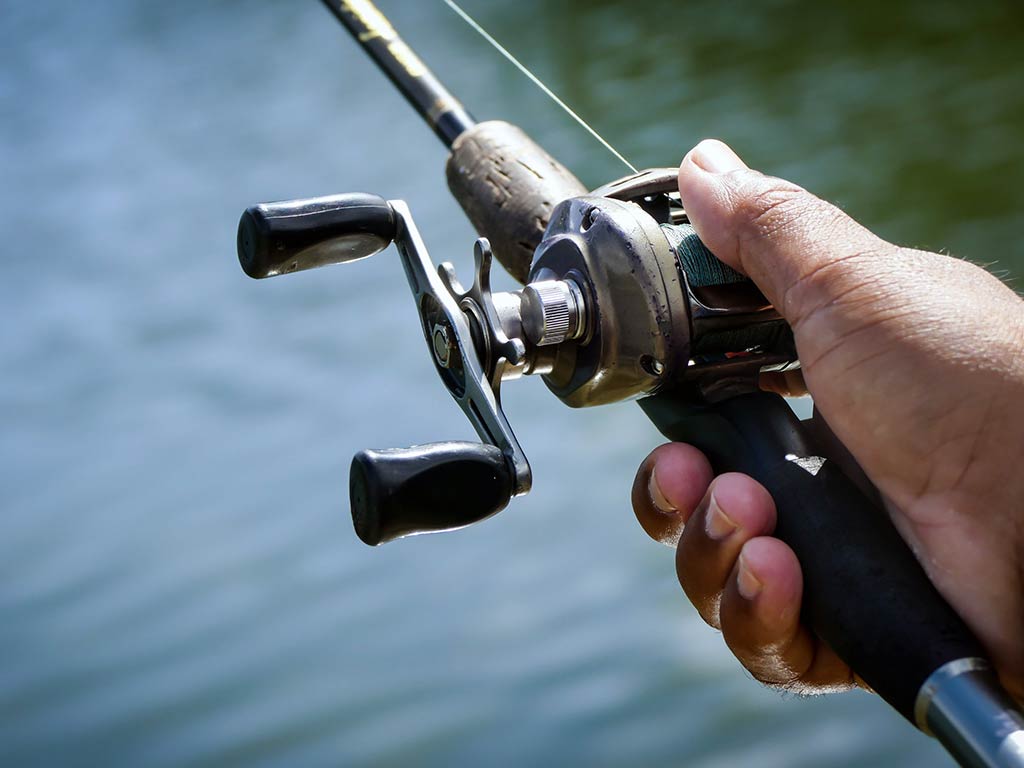
Are you ready to catch more fish and enjoy your time by the water? The way you hold your fishing rod can make all the difference between a fun day and a frustrating one.
Whether you’re a beginner or looking to improve your skills, mastering the right grip is key to casting farther, feeling bites, and landing your catch. You’ll discover simple tips and tricks to hold your fishing rod like a pro. Keep reading, and you’ll soon feel more confident and ready for your next fishing adventure.
Choosing The Right Fishing Rod
Picking the right fishing rod helps you enjoy fishing more. The right rod fits your style and the fish you want to catch.
This guide covers different rod types, matching rods to fishing styles, and the importance of rod length and power.
Types Of Fishing Rods
Fishing rods come in many types. Each type works best for certain fishing needs and water conditions.
- Spinning rods: Good for beginners and light lures.
- Baitcasting rods: Offer control for heavier lines and bigger fish.
- Fly rods: Used for fly fishing with lightweight flies.
- Trolling rods: Made for fishing from a moving boat.
- Surf rods: Long rods for casting far from shore.
Matching Rod To Fishing Style
Choose a rod that fits how you fish. Different styles need different rods to work well.
| Fishing Style | Recommended Rod Type |
| Freshwater fishing | Spinning or baitcasting rods |
| Fly fishing | Fly rods |
| Saltwater surf fishing | Surf rods |
| Trolling | Trolling rods |
Considering Rod Length And Power
Rod length affects casting distance and control. Power means how strong the rod is to handle fish weight.
- Short rods (5-7 feet): Best for close fishing and more control.
- Medium rods (7-9 feet): Good for most fishing types.
- Long rods (9+ feet): Help cast far and cover more water.
- Light power rods: For small fish and light lures.
- Medium power rods: Work for most fish sizes.
- Heavy power rods: Needed for big fish and heavy baits.

Credit: fishingbooker.com
Basic Grip Techniques
Holding a fishing rod correctly is important. It helps you cast and reel in fish smoothly. Here, we discuss basic grip techniques.
Learning these grips can make your fishing experience better. Let’s explore three common grip styles.
Overhand Grip
The overhand grip is popular among beginners. It is easy to learn and comfortable for casting.
To use this grip, hold the rod with your thumb on top. Your fingers should wrap around the rod underneath.
- Thumb on top of the rod
- Fingers wrap underneath
- Good for long casts
Underhand Grip
The underhand grip is great for short, precise casts. It offers better control when fishing in tight spots.
Hold the rod with your thumb underneath. Your fingers should be on top. This grip helps with accuracy.
- Thumb underneath the rod
- Fingers on top
- Best for short, accurate casts
Pistol Grip
The pistol grip is often used with baitcasting rods. It resembles holding a pistol, hence the name.
Place your index finger along the top of the rod. Your thumb and remaining fingers wrap around the handle.
- Index finger on top
- Thumb and fingers around handle
- Common with baitcasting rods
Advanced Grip Methods
Holding a fishing rod correctly helps improve your fishing experience. Advanced grips give better control and comfort. They suit different fishing styles and conditions.
Learning these grips can make casting easier and reduce hand fatigue. Each grip fits certain rods and reels for best results.
Split Grip Benefits
The split grip divides the handle into two sections. This design makes the rod lighter and more balanced. It helps reduce arm strain during long fishing trips.
This grip also allows better rod sensitivity. Anglers can feel even small bites more clearly. It works well for bass fishing and finesse techniques.
- Lighter rod weight improves casting ease
- Better balance reduces arm fatigue
- Improved sensitivity for detecting bites
- More comfortable for long fishing sessions
Two-handed Grip For Heavy Casting
Use two hands on the rod for heavy casting. This grip gives more power and control. It is useful when casting heavy lures or fishing in strong wind.
Place your dominant hand near the reel and your other hand on the rod’s handle. Push and pull smoothly to cast far. This grip helps protect your wrist from strain.
- Dominant hand near reel for control
- Other hand on handle for power
- Good for heavy lures and long casts
- Reduces wrist and arm fatigue
Adjusting Grip For Different Reels
Different reels need different grips for best use. Spinning reels require a relaxed grip with your fingers on the rod. This allows smooth line release during casting.
Baitcasting reels need a firmer grip near the reel seat. This grip helps control the spool and avoid backlash. Adjust your hand position slightly depending on reel size and rod length.
- Spinning reels: relaxed grip, fingers on rod
- Baitcasting reels: firm grip near reel seat
- Adjust hand for reel size and rod length
- Practice grip changes for smooth casting

Credit: blackfinrods.com
Body Positioning And Stance
Holding a fishing rod correctly helps you cast better and fish longer. Your body position and stance make a big difference in control and comfort.
Good posture reduces strain and improves your fishing experience. Focus on how your feet, body, and balance work together.
Foot Placement
Place your feet shoulder-width apart. This stance gives you a strong base to stand on. It helps you stay steady on uneven ground.
Point your toes slightly outward. This position helps you turn your body smoothly when casting the rod.
- Feet shoulder-width apart for stability
- Toes pointing slightly outward
- Weight balanced evenly on both feet
Aligning The Rod With Your Body
Hold the rod so it lines up with your dominant side. Keep the rod close to your body for better control. This alignment helps you aim and cast more accurately.
Keep your elbow close to your body. This reduces arm fatigue and improves your casting power.
- Rod aligned with your dominant side
- Keep rod close to your body
- Elbow near your side for support
Maintaining Balance During Casting
Shift your weight slightly to your back foot before casting. This helps you prepare and gain power. As you cast, move your weight forward to keep balance.
Keep your knees slightly bent. This position absorbs movement and keeps you steady during the cast.
- Start with weight on back foot
- Shift weight forward while casting
- Knees bent for better balance
Common Grip Mistakes To Avoid
Holding a fishing rod correctly helps you fish better and avoid hand pain. Many anglers make simple grip mistakes.
Here are three common mistakes to watch out for and how to fix them for a better fishing experience.
Too Tight Vs Too Loose
Gripping the rod too tight causes fatigue and less control. Holding it too loose means poor casting and weak hook sets.
- Hold the rod firmly but relaxed.
- A tight grip tires your hand quickly.
- A loose grip lowers accuracy and power.
- Adjust grip pressure as needed during fishing.
Incorrect Finger Placement
Wrong finger placement can reduce rod sensitivity and control. Your fingers should wrap naturally around the handle.
| Finger | Correct Position | Common Mistake |
|---|---|---|
| Thumb | Rest on top of the rod handle | Too far forward or not used |
| Index Finger | Wraps around the handle, near the reel | Extended away from the rod |
| Other Fingers | Wrap securely without overlapping | Clumped or loose grip |
Ignoring Rod Sensitivity
Feeling the rod’s movement helps detect bites early. A poor grip blocks this important feedback.
Tips to improve rod sensitivity:
- Hold the rod closer to the reel seat for better feel.
- Use your thumb lightly on top of the rod.
- Keep your grip relaxed to sense small movements.
- Avoid tight gloves that block touch.
Improving Grip Strength And Control
Holding a fishing rod firmly helps you catch fish better. Strong grip and control reduce hand fatigue and improve accuracy.
Try simple methods to increase your grip strength. Practice regularly to handle your rod with ease and confidence.
Hand Exercises For Anglers
Exercise your hands daily to boost grip strength. These exercises help improve endurance and control during fishing.
- Squeeze a stress ball for 10 seconds, repeat 10 times.
- Use a rubber band around fingers, open and close 15 times.
- Roll a small ball or putty in your palm for 2 minutes.
- Pinch clothespins and hold for 5 seconds, repeat 12 times.
- Stretch fingers wide and hold for 10 seconds, repeat 5 times.
Using Grip Enhancers
Grip enhancers improve rod handling, especially in wet or cold conditions. They add comfort and prevent slipping.
| Type | Benefit | When to Use |
| Grip Tape | Increases friction and cushion | Long fishing sessions |
| Gloves | Protects hands and improves grip | Cold weather or rough fishing |
| Grip Spray | Enhances stickiness on rod handle | Wet or slippery conditions |
Practicing Casting Drills
Regular casting practice builds better rod control. It trains your hand to hold the rod steady and move smoothly.
- Stand with feet shoulder-width apart.
- Hold the rod with a firm but relaxed grip.
- Cast slowly focusing on smooth wrist motion.
- Repeat casts, increasing speed gradually.
- Try casting at targets to improve aim.
Adapting Grip For Different Fishing Conditions
Holding a fishing rod correctly changes depending on the situation. Different weather and locations need different grips. Adjusting your hold helps you fish better and stay safe.
Knowing how to hold your rod in wet, windy, or moving environments improves control. This guide covers key tips for common fishing conditions.
Handling Wet Or Slippery Rods
Wet rods can slip easily from your hands. Use a firm but relaxed grip to avoid dropping the rod. You can also use gloves or grip tape for better hold.
- Wear anti-slip fishing gloves for extra grip.
- Wrap grip tape around the handle for more friction.
- Keep a small towel handy to dry your hands and rod.
- Hold the rod closer to the reel for better control.
Adjusting Grip In Windy Conditions
Wind makes it harder to control your rod. Hold the rod lower and closer to your body. This reduces wobbling and improves accuracy when casting and reeling.
| Grip Tip | Reason |
| Hold rod lower near reel | Better balance against wind |
| Keep wrist firm but flexible | Quick reaction to wind gusts |
| Use both hands for larger rods | More control and strength |
| Angle rod slightly downwind | Reduces wind resistance |
Fishing From Boat Vs Shore
Fishing from a boat requires a different grip than fishing from the shore. The boat’s movement affects your balance. Shore fishing offers more stable footing but needs longer casts.
Here are key grip adjustments for each situation:
- Boat Fishing:Keep a firm grip with both hands, one near the reel and one on the handle. Stay low to keep your balance.
- Shore Fishing:Use a lighter grip to allow smooth casting. Hold the rod higher for longer distance casts.

Credit: fishingbooker.com
Frequently Asked Questions
How Do I Properly Hold A Fishing Rod?
Hold the fishing rod firmly but relaxed. Place your dominant hand on the handle near the reel. Support the rod with your other hand further up the blank. This grip ensures control, reduces fatigue, and improves casting accuracy.
What Is The Best Hand Position For Casting?
Keep your dominant hand on the reel seat and your other hand on the rod’s grip. Hold the rod at a 45-degree angle. This position helps you cast smoothly and improves distance and accuracy.
How To Hold A Fishing Rod For Beginners?
Begin by gripping the rod handle with your dominant hand, near the reel. Rest your other hand lightly above the reel seat for support. Maintain a relaxed grip to avoid tension and allow better rod movement.
Why Is Rod Grip Important In Fishing?
Proper rod grip increases control and sensitivity. It helps detect bites quickly and improves casting performance. A good grip also reduces hand fatigue during long fishing sessions.
Conclusion
Holding your fishing rod correctly makes fishing easier and more fun. Grip the rod firmly but not too tight. Keep your hand relaxed to feel the fish bite. Balance the rod with your body for better control. Practice often to build confidence and skill.
Small adjustments can improve your catch rate. Enjoy the calm and patience fishing brings. Remember, good technique leads to better results. Keep trying, and you will get better every time. Fishing is about patience, practice, and enjoying nature.