Have you ever needed to water your garden but wished you could use your kitchen sink instead of going outside? Connecting a garden hose to your kitchen sink can make watering plants, washing outdoor gear, or even filling buckets much easier.
But how do you do it without causing leaks or damaging your pipes? In this guide, you’ll learn simple, step-by-step tips to hook up your garden hose to your kitchen sink quickly and safely. Keep reading—you’re about to discover a smart solution that saves you time and effort every day.
Gathering Materials
Connecting a garden hose to your kitchen sink needs a few simple materials. Getting these ready helps make the process smooth and quick.
This guide will cover the essential tools, choosing the right hose, and picking connectors and adapters.
Essential Tools
You need some basic tools to set up your garden hose connection. These tools help you fit parts securely and avoid leaks.
- Adjustable wrench for tightening fittings
- Screwdriver for securing clamps
- Plumber’s tape to seal threads
- Bucket to catch any water spills
- Cloth or towel for drying the area
Choosing The Right Hose
Pick a hose that fits your needs and matches your sink’s water pressure. The hose length should reach your garden comfortably.
| Hose Type | Best Use | Durability |
| Vinyl | Light watering tasks | Basic |
| Rubber | Heavy-duty watering | High |
| Expandable | Easy storage, light use | Medium |
Selecting Connectors And Adapters
Choose connectors and adapters that fit both the kitchen sink faucet and the hose. This ensures a tight, leak-free connection.
- Faucet adapter that matches your sink’s faucet size
- Hose connector that fits your hose diameter
- Quick-connect fittings for easy attachment and removal
- Rubber washers to prevent leaks
Credit: www.familyhandyman.com
Preparing The Sink
Connecting a garden hose to your kitchen sink is useful. It helps with tasks like filling a large container. First, you need to prepare the sink properly.
This guide will show you how to get the sink ready. Follow these steps to ensure a smooth process.
Turning Off Water Supply
Turning off the water supply is important. It stops water from spraying everywhere. You need to find the shut-off valves under the sink.
Turn the valves clockwise to stop the water. Make sure both the hot and cold water are off.
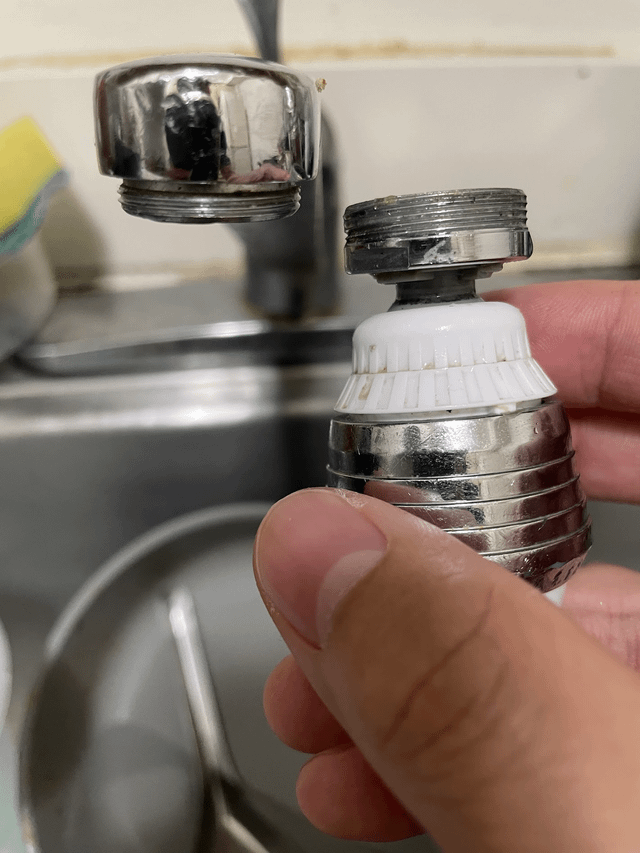
Removing Existing Faucet Aerator
The faucet aerator is at the end of your faucet. It mixes air with water. You need to remove it to attach the hose adapter.
Use a cloth to grip the aerator. Turn it counterclockwise to unscrew it. Be careful not to drop the aerator parts.
Cleaning The Faucet Threads
With the aerator off, clean the faucet threads. This ensures a tight fit for the hose adapter. Dirt can cause leaks.
Use a small brush to remove any debris. Check the threads for damage. They should be clean and in good condition.
Attaching The Hose Adapter
Connecting a garden hose to your kitchen sink requires the right adapter. This guide helps you attach it properly. Follow simple tips to avoid leaks and ensure a tight fit.
Using the correct parts and techniques will make your hose connection safe and reliable. Let’s look at key steps for attaching the hose adapter.
Matching Thread Sizes
Check the thread sizes on both the kitchen sink faucet and the hose adapter. They must match to fit securely. Common thread sizes for garden hoses are 3/4 inch.
| Part | Thread Size |
| Kitchen Sink Faucet | Usually 15/16-27 male or 55/64-27 female |
| Garden Hose Adapter | Standard 3/4 inch garden hose thread |
| Adapters Available | Can convert faucet thread to hose thread |
Using Teflon Tape For Seal
Wrap Teflon tape around the faucet threads before attaching the adapter. This tape helps prevent water leaks and creates a tight seal.
- Clean the threads with a cloth before applying tape.
- Wrap the tape clockwise around threads two to three times.
- Press tape into the threads gently to avoid bunching.
- Do not cover the end of the threads with tape.
Securing The Adapter Properly
After matching threads and using tape, screw the adapter tightly. Avoid over-tightening, which can damage threads or cause leaks.
- Align the adapter with the faucet threads carefully.
- Turn the adapter clockwise by hand until snug.
- Use a wrench for a quarter turn if needed.
- Check for leaks by turning on water slowly.
- Tighten slightly more if leaks appear, but stop if resistance increases.

Credit: www.reddit.com
Connecting The Garden Hose
Connecting a garden hose to your kitchen sink lets you water plants easily. You need a proper adapter to make the connection secure.
This guide covers attaching the hose, checking tightness, and testing for leaks.
Attaching Hose To Adapter
First, attach the garden hose to the sink adapter. Make sure you have the right size adapter for your sink faucet.
- Turn off the water supply before starting.
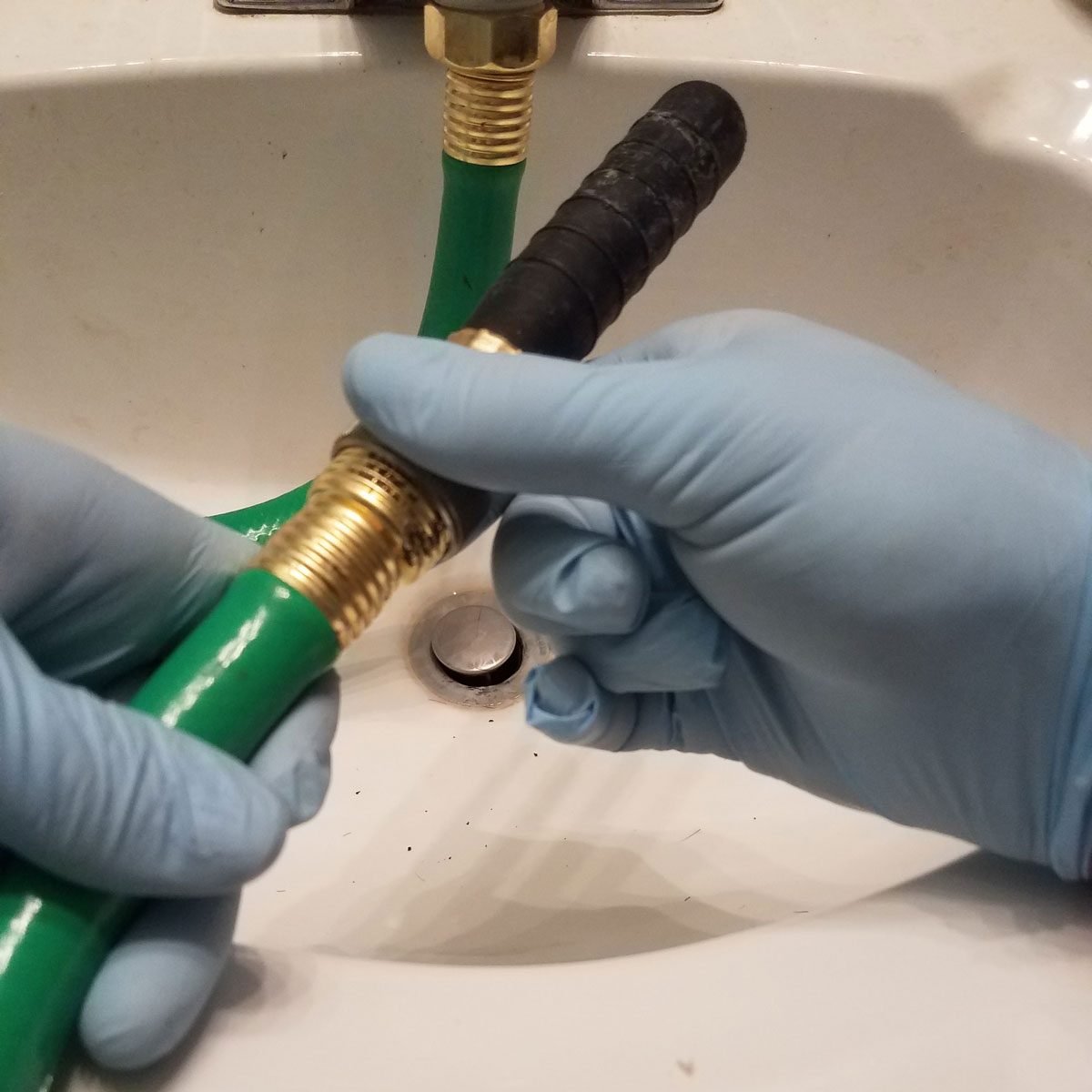
- Screw the adapter onto the kitchen faucet tightly by hand.
- Connect the garden hose to the adapter’s threaded end.
- Turn the hose connector clockwise until snug.
- Do not overtighten to avoid damaging threads.
Checking For Tightness
Check the connection for tightness to prevent leaks. Use a wrench if needed, but be gentle.
| Tool | Purpose | Tip |
|---|---|---|
| Adjustable Wrench | Tighten hose connection | Use low pressure to avoid damage |
| Rubber Washer | Seal connection | Replace if worn or cracked |
| Hands | Initial tightening | Always start by hand |
Testing For Leaks
Turn on the water slowly to test for leaks. Watch the connection points carefully.
If you see water dripping:
- Turn off the water.
- Check if the hose and adapter are tight.
- Replace the washer if needed.
- Reconnect and test again.
Using The Setup Safely
Connecting a garden hose to your kitchen sink can be useful for many tasks. It is important to use this setup safely to avoid damage and health risks.
Follow simple safety tips to control water pressure, prevent contamination, and store the hose properly after use.
Managing Water Pressure
High water pressure can cause leaks or damage to your sink and hose. Keep the pressure at a safe level to protect your plumbing.
- Check the water pressure with a gauge before connecting the hose.
- Use a pressure regulator if the pressure is above 60 PSI.
- Open the faucet slowly to avoid sudden pressure surges.
- Turn off the water when you finish using the hose.
Avoiding Cross-contamination
Cross-contamination can happen if dirty water flows back into your kitchen pipes. Use devices to stop this from happening.
Install a backflow preventer on the hose connection to keep water from flowing backward. This device is easy to fit and very important for safety.
Storing Hose After Use
Proper storage keeps your hose clean and ready for next use. It also extends the hose’s life.
- Drain all water from the hose before storing.
- Coil the hose loosely to avoid kinks.
- Store the hose in a dry, shaded place to prevent damage.
- Inspect the hose for cracks or leaks regularly.
Troubleshooting Common Issues
Hooking a garden hose to your kitchen sink can be very useful. Sometimes, problems can occur during setup or use.
This guide helps you fix common issues with your hose connection quickly and easily.
Leaks At Connection Points
Leaks often happen where the hose connects to the sink or adapter. Loose fittings cause water to drip or spray out.
Check if all connections are tight but do not overtighten. Use plumber’s tape on threads to seal the joints well.
- Turn off water before adjusting connections
- Inspect rubber washers inside connectors
- Replace damaged washers to stop leaks
- Use plumber’s tape on threaded fittings
Low Water Flow
Low water flow can make watering slow. Check if the hose or adapter is clogged with dirt or debris.
Also, ensure the sink faucet is fully open and not damaged. Clean the hose and adapters if flow is weak.
- Remove hose and flush out any blockages
- Check faucet aerator for mineral buildup
- Use a hose of proper diameter for good flow
- Replace worn or kinked hoses
Adapter Compatibility Problems
Adapters connect the garden hose to the kitchen sink. Sometimes, they do not fit well due to size or thread type.
Use the right adapter for your faucet type. Check if the adapter matches your sink’s thread size and style.
- Identify faucet thread type: male or female
- Match hose adapter threads to faucet threads
- Buy adapters made for kitchen sink faucets
- Test fit before buying to ensure tight seal

Credit: www.amazon.com
Frequently Asked Questions
How Do I Connect A Garden Hose To A Kitchen Sink?
Use a faucet adapter to fit the hose to the sink’s spout. Screw it on tightly to avoid leaks. Make sure the adapter matches your sink type for a secure fit.
What Tools Are Needed To Hook Garden Hose To Sink?
You typically need a faucet adapter, a garden hose, and a wrench. Optional items include plumber’s tape to prevent leaks. These tools help create a stable, leak-free connection.
Can I Use A Kitchen Sink Faucet For Outdoor Watering?
Yes, with a proper adapter, your kitchen faucet can supply water outside. Ensure the connection is secure to avoid water damage. This method is handy for quick outdoor watering tasks.
Is It Safe To Connect A Garden Hose To Kitchen Sink?
Yes, if you use food-safe adapters and maintain the hose properly. Avoid backflow by using a vacuum breaker. Regularly check for leaks to keep your kitchen safe and clean.
Conclusion
Connecting a garden hose to your kitchen sink is quick and simple. With the right adapter, you can water plants or clean easily. Take time to check for leaks after setup. This small project saves trips outside and adds convenience.
Enjoy using your kitchen sink for more tasks around the home. Try it today and see how useful it can be.