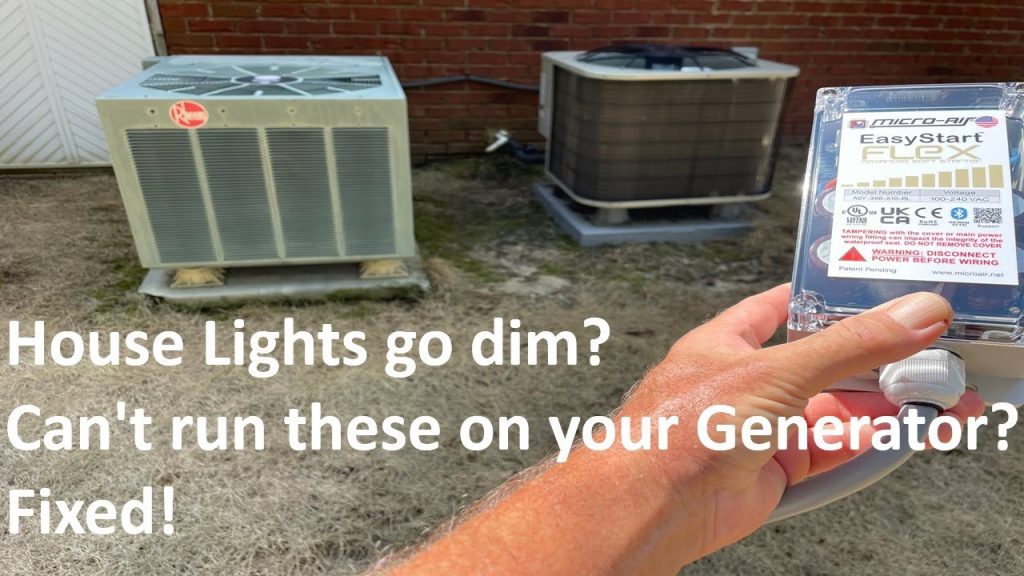
Imagine a hot day with no power and your air conditioner sitting silent. You want cool air, but how do you connect your AC to a generator safely and effectively?
If you’ve ever wondered how to hook up your air conditioner to a generator, you’re in the right place. This guide will walk you through simple steps to keep your home comfortable when the electricity goes out. By the end, you’ll know exactly what to do—no confusion, no guesswork.
Ready to take control of your comfort? Let’s get started.
Choosing The Right Generator
Generator capacitymust match your air conditioner’s power needs. Check the AC unit’s wattage before buying a generator. Larger AC units need generators with higher wattage. Too small a generator won’t run the AC properly.
| AC Unit Size (BTU) | Recommended Generator Wattage |
|---|---|
| 5,000 – 8,000 | 1,500 – 2,000 watts |
| 8,000 – 12,000 | 2,500 – 3,500 watts |
| 12,000 – 20,000 | 4,000 – 6,000 watts |
Fuel type affects efficiency and run time. Gasoline generators are common but less efficient. Propane and diesel generators usually last longer and run cleaner. Choose fuel based on availability and cost in your area.
- Portable generatorsare smaller and easy to move.
- Standby generatorsare fixed and start automatically.
- Portable models suit temporary use; standby ones fit permanent needs.
Credit: easy-peasy.ai
Preparing Your Air Conditioner
Check the power ratingof your air conditioner before connecting it. Find the label on the unit for voltage and wattage details. Your generator must supply at least this much power to avoid damage.
Inspect the AC unit carefully. Look for any visible damage or worn cables. Confirm that the air filter is clean to ensure smooth operation. A well-maintained unit runs better with a generator.
- Never connectthe AC directly to the main power line.
- Use a proper transfer switch or generator inlet box.
- Keep the generator outdoors to avoid carbon monoxide risks.
- Make sure the generator is grounded properly.
- Turn off the AC and generator before making any connections.
Connecting The Generator
Using a transfer switchis the safest way to connect your air conditioner to a generator. It allows you to switch power sources without backfeeding. This protects utility workers and your devices. The switch is installed between your home’s electrical panel and the generator. It controls which power source is active. This method requires professional installation to meet safety codes.
Direct connection methodsinvolve plugging the air conditioner directly into the generator. This is only safe if the generator and the air conditioner have compatible power ratings. Use an outdoor-rated extension cord designed for heavy loads. Avoid overloading the generator to prevent damage or fire risk.
Proper cable and adapter selectionmatters for safe operation. Use cables with the right gauge to handle the current. The adapter should fit both the generator outlet and the air conditioner plug securely. Check the generator’s manual for recommended cable types and sizes.

Credit: www.amazon.ca
Starting And Running The Setup
Start the generator on a flat surface away from doors or windows. Keep the area clear for fresh air. Check fuel levels and oil before turning it on. Use the choke if the engine is cold. Pull the starter cord or press the electric start button. Let the generator warm up for a few minutes. Never connect the generator directly to your home’s wiring without a transfer switch.
Plug the air conditioner into the generator’s outlet. Make sure the generator can handle the air conditioner’s power needs. Use a heavy-duty extension cord if needed. Turn on the air conditioner after the generator is running smoothly. Avoid overloading the generator by not running other big appliances at the same time.
- Watch the generator’s fuel gauge.
- Listen for any unusual sounds.
- Check the air conditioner’s cooling performance.
- Keep the generator dry and ventilated.
- Turn off the air conditioner before shutting down the generator.
Maintenance Tips
Keep your generator cleanto avoid damage. Check the oil level before use. Store fuel in a cool, dry place, away from direct sunlight and heat sources. Use fresh fuel and add a stabilizer if stored for long periods.
Check your air conditionerregularly to ensure it runs smoothly. Clean or replace filters every month. Inspect the electrical connections and tighten any loose wires. Clear debris around the unit to maintain airflow.
- Generator won’t start: Check the fuel and oil levels.
- AC not cooling: Clean or replace the air filter.
- Generator stops suddenly: Look for overheating or fuel issues.
- Unusual noises: Tighten loose parts and inspect for damage.

Credit: www.youtube.com
Frequently Asked Questions
Can A Generator Power An Air Conditioner?
Yes, a generator can power an air conditioner. Ensure the generator’s wattage matches the air conditioner’s requirements. Use a generator with enough capacity to handle the air conditioner’s starting and running watts. Check both devices’ specifications to ensure compatibility for safe and efficient operation.
What Size Generator For An Air Conditioner?
The size of the generator depends on the air conditioner’s BTU rating. For a 5,000 BTU unit, a 2,000-watt generator is suitable. Larger units like a 15,000 BTU may require a 4,000-watt generator. Always check the air conditioner’s wattage needs to determine the appropriate generator size.
How To Connect Air Conditioner To Generator?
First, ensure both devices are off. Connect the generator’s output to the air conditioner’s power input using a heavy-duty extension cord. Start the generator and allow it to stabilize. Then, turn on the air conditioner. Always follow safety guidelines and the manufacturer’s instructions for a secure connection.
Is It Safe To Run Ac On A Generator?
Yes, it’s safe if done correctly. Ensure the generator has the correct wattage and is placed in a ventilated area. Use appropriate extension cords and follow safety guidelines. Regularly maintain both devices and monitor their performance to prevent any hazards.
Conclusion
Connecting an air conditioner to a generator keeps you cool during power cuts. Always check the generator’s power capacity first. Use the right cables and plugs for safety. Turn off the air conditioner before starting the generator. This prevents damage and ensures smooth operation.
Regular maintenance of both devices helps them last longer. Stay safe by following all instructions carefully. With these steps, you can enjoy cool air anytime, even without electricity. Simple, safe, and effective—your comfort matters most.