
Are you ready to beat the heat and keep your space cool and comfortable? Knowing how to hook up an air conditioner yourself can save you time and money.
But if you’re unsure where to start, it might feel overwhelming. Don’t worry—this guide will walk you through every step clearly and simply. By the end, you’ll have the confidence to set up your air conditioner quickly and safely. Keep reading, and let’s get your cool air flowing!

Credit: www.youtube.com
Choosing The Right Air Conditioner
Choosing the right air conditioner means thinking about the type, size, and energy efficiencyof the unit. Different types serve different needs.
- Window unitsare easy to install and cool one room.
- Split systemshave two parts: one inside and one outside.
- Portable ACscan move from room to room.
- Central air conditionerscool the whole house.
Choosing the right sizeis important. A unit too small won’t cool well. Too big wastes energy. Size depends on room size and insulation.
| Room Size (sq ft) | Recommended BTU |
|---|---|
| 100-300 | 5,000 – 6,000 |
| 300-500 | 7,000 – 8,000 |
| 500-800 | 10,000 – 12,000 |
Energy efficiency ratings show how well a unit uses power. Look for a higher SEERor EERnumber. It saves money and the environment.
Gathering Necessary Tools And Materials
Gathering the right toolsand materials makes the job easier and safer. The essential toolsinclude a screwdriver set, a drill, a wrench, and a tape measure. These help with installing and securing parts correctly.
Required materials often include the air conditioner unit, mounting brackets, screws, and electrical wiring. Having all these ready avoids delays during installation.
Safety gearis very important. Use gloves to protect your hands and safety goggles to shield your eyes. A dust mask can help if you work in a dusty area. Always prioritize safety to prevent accidents.
Preparing The Installation Site
Choose a spot that is near an electrical outlet and a window or wall opening. The location should be strong enough to hold the air conditioner’s weight. Avoid places where direct sunlight or heat sources can affect cooling.
Use a tape measure to find the exact spot. Mark the height and width for the unit’s placement. Check that the marks align with the window or wall hole. This helps the air conditioner fit perfectly without gaps.
Good airflow is key for the air conditioner to work well. Leave space around the unit for air to move freely. Make sure nothing blocks the vent or exhaust. Proper ventilation stops overheating and helps cool air flow better.
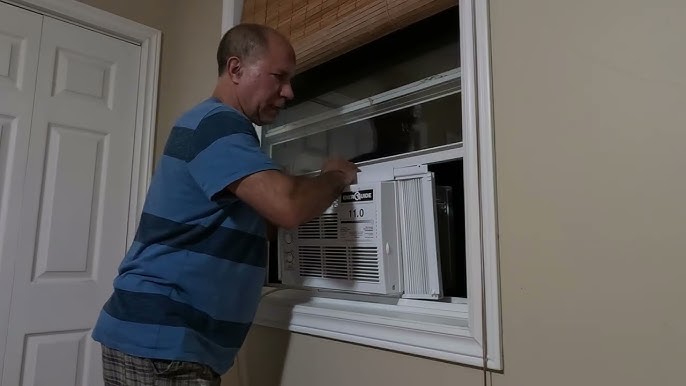
Credit: m.youtube.com
Installing The Air Conditioner Unit
The indoor unit should be placed where air flows freely. Avoid walls that block air or direct sunlight. Use a strong bracket to hold the unit safely on the wall. Make sure it is level to prevent water leaks.
The outdoor unit needs a flat and firm surface. Keep it away from dust and dirt. It should have space around it for good air flow. Avoid spots near strong winds or direct sun.
- Use screws and anchors to fix the indoor unit securely.
- Check that the outdoor unit is stable and does not shake.
- Seal all holes made for pipes and wires to stop air leaks.
- Ensure all parts are tightly fastened to avoid noise and damage.
Connecting Electrical Components
Wiring basicsare key to connect an air conditioner safely. Use the right wires matching the power needs. Check the air conditioner’s manual for wire size and type. Always turn off the main power before starting any wiring work.
Connecting power supply requires a steady and secure link to the home’s electrical system. Connect the unit’s power cable to the circuit breaker. Make sure all connections are tight and insulated well to avoid short circuits or shocks.
Testing electrical connections ensures the system works properly. Use a voltage tester to check the power flow. Confirm the unit starts without tripping the breaker. If any problem appears, recheck the wiring or call a professional.

Credit: thelenmechanical.com
Setting Up Refrigerant Lines
Attach the copper tubingcarefully to the air conditioner unit. Make sure the tubes fit tightly to avoid any gaps.
Use a brazing torchor flare fittings to secure the copper lines. Avoid bending tubes sharply to prevent damage.
Seal the connections with refrigerant-safe sealantto stop leaks. Wrap the lines with foam insulationto keep them cool and efficient.
Check for leaks by applying a soap solutionon joints and watching for bubbles. Alternatively, use an electronic leak detectorfor better accuracy.
- Secure tubing tightly
- Seal with proper sealant
- Insulate lines well
- Test for leaks carefully
Finalizing Installation
Connect the drainage pipeto the air conditioner’s drain outlet. Ensure it slopes downward to allow water to flow out easily. This prevents water buildup and damage.
Use sealant or foamto close gaps around the unit. This stops air leaks and keeps the room cool. Check for any spaces around cables or pipes.
Turn on the air conditioner to check its function. Listen for strange noises and watch for water leaks. Verify the unit cools the room effectively.
Troubleshooting Common Issues
No Power or Response:Check the power source first. Make sure the plug is fully inserted. Look for any tripped circuit breakers or blown fuses. Test the outlet by plugging in another device. Inspect the power cord for damage. Reset the air conditioner’s power switch if it has one.
Unusual Noises:Strange sounds may come from loose parts. Tighten any screws and bolts. Clean or replace the fan blades if they are bent. Clear debris from the unit. A rattling noise could mean something is stuck inside. Listen carefully to identify the noise source.
Poor Cooling Performance:Dirty filters block airflow. Clean or replace filters regularly. Check if the thermostat is set correctly. Inspect the coils for dirt or ice build-up. Ensure the outdoor unit is not obstructed by plants or debris. Make sure doors and windows are closed tightly.
Maintaining Your Air Conditioner
Cleaning filtershelps the air conditioner run better and last longer. Dirty filters block air flow and make the unit work hard. Clean filters every month during heavy use. Use water and mild soap, then let them dry before placing back.
Regular inspectionscatch small problems early. Check the unit for dust, leaks, or strange noises. Look at the outdoor unit for debris like leaves or grass. Clear anything blocking the airflow to keep it cool.
Scheduling professional servicingonce a year keeps the air conditioner in top shape. Experts check refrigerant levels, clean coils, and test electrical parts. This helps prevent breakdowns and saves money on repairs.
Frequently Asked Questions
How Do I Hook Up A Window Air Conditioner?
To hook up a window air conditioner, place it securely in the window frame. Connect the power cord to a grounded outlet. Seal gaps around the unit with foam or weatherstripping to prevent air leaks. Follow the manufacturer’s instructions for proper installation and safety.
What Tools Are Needed To Install An Air Conditioner?
Basic tools include a screwdriver, measuring tape, level, and foam sealant. You may also need brackets or support hardware. Ensure you have a grounded electrical outlet nearby. These tools help secure the unit properly and ensure efficient cooling.
How To Connect An Air Conditioner To Power Safely?
Always use a grounded outlet that matches the unit’s power requirements. Avoid extension cords or adapters. Turn off power before connecting. If unsure, consult a qualified electrician. Proper connection prevents electrical hazards and ensures optimal performance.
Can I Install A Portable Air Conditioner Myself?
Yes, portable units are designed for easy setup. Connect the exhaust hose to the window kit and plug into a grounded outlet. Follow included instructions carefully. Portable air conditioners don’t require permanent installation, making them convenient for renters.
Conclusion
Hooking up an air conditioner can keep your home cool and comfortable. Follow the steps carefully to avoid mistakes. Use the right tools and check all connections. Test the unit before sealing everything up. Regular maintenance helps the air conditioner work well longer.
Stay safe by turning off the power during installation. Enjoy cool air all summer with a properly hooked-up AC. Simple steps make a big difference in comfort and safety.