Feeling the heat and ready to cool down your space? Knowing how to hook up an air conditioner yourself can save you time and money.
Whether it’s your first time or you want to double-check your setup, this guide will walk you through simple, clear steps. By the end, you’ll have your AC running smoothly, making your home a comfortable retreat. Keep reading—you’re closer than you think to beating the heat!

Credit: aquariushomeservices.com
Choosing The Right Air Conditioner
Picking the right air conditioner helps keep your home cool and comfortable. The right unit fits your space and uses energy wisely.
Learn about types, size, and energy ratings to find the best air conditioner for your needs.
Types Of Air Conditioners
There are different kinds of air conditioners. Each type works best for certain rooms or homes.
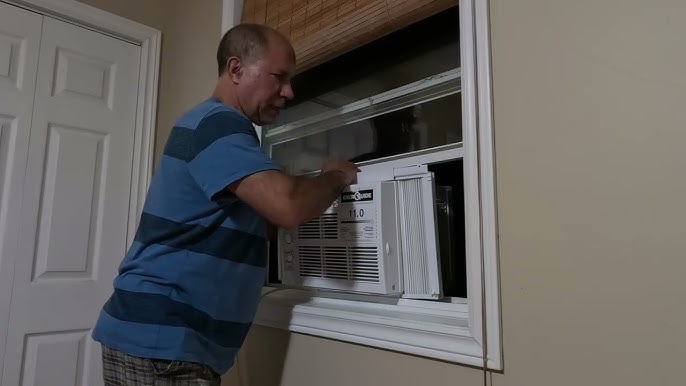
- Window Units:Fits in a window and cools one room.
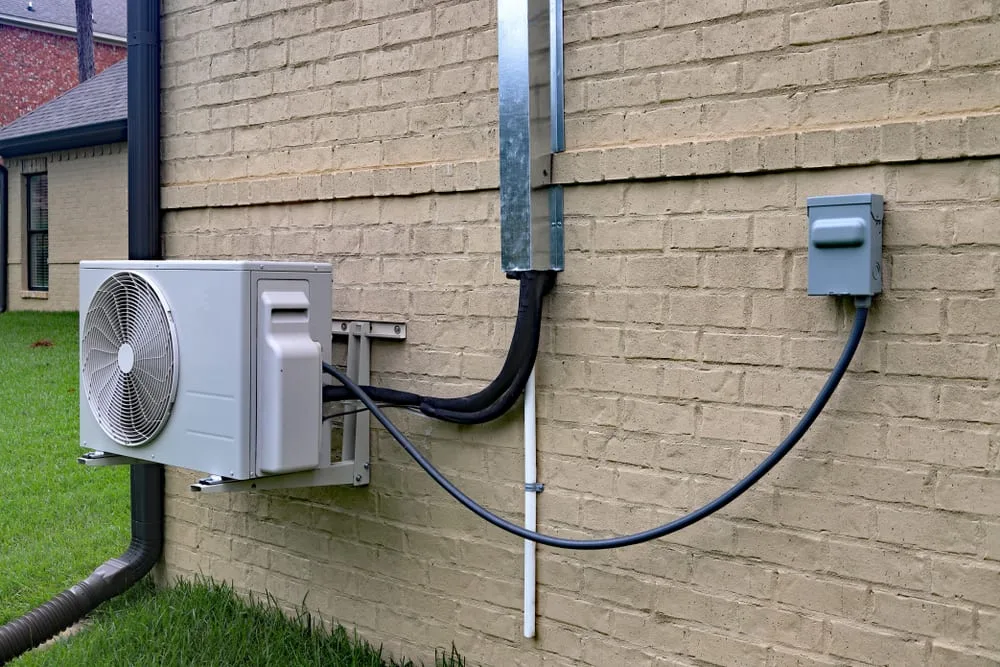
- Split Systems:Has an indoor and outdoor part for larger spaces.
- Portable Units:Can be moved from room to room easily.
- Central Air:Cools the whole house through ducts.
Sizing Your Unit
Choosing the right size is very important. A too small unit will not cool well. A too big unit wastes energy.
Measure your room size in square feet to find the right cooling power. Check the BTU rating on the unit.
- Small rooms (up to 150 sq ft): 5,000-6,000 BTU
- Medium rooms (150-300 sq ft): 7,000-10,000 BTU
- Large rooms (300-500 sq ft): 12,000-15,000 BTU
Energy Efficiency Ratings
Energy ratings show how much power the unit uses. Higher ratings mean lower electricity bills.
Look for the Energy Efficiency Ratio (EER) or Seasonal Energy Efficiency Ratio (SEER) labels.
| Rating | Meaning |
|---|---|
| EER 10 or higher | Good energy efficiency for window units |
| SEER 14 or higher | Efficient for central air systems |
| Energy Star | Meets strict energy-saving standards |
Tools And Materials Needed
Setting up an air conditioner requires specific tools and materials. Using the right items makes the job easier and safer.
This guide lists the essential tools, safety gear, and additional supplies needed to hook up an air conditioner properly.
Essential Tools
These tools help you install and connect the air conditioner correctly. They ensure tight fittings and proper electrical work.
- Screwdrivers (flathead and Phillips)
- Adjustable wrench
- Pliers
- Drill with bits
- Level
- Wire stripper
- Voltage tester
- Tape measure
- Caulking gun
Safety Gear
Safety gear protects you while working with electricity and sharp tools. Always use these items to avoid injuries.
- Safety goggles
- Work gloves
- Dust mask
- Ear protection (if drilling loudly)
- Non-slip shoes
Additional Supplies
These extra supplies help finish the installation. They improve the air conditioner’s performance and prevent leaks.
- Electrical tape
- Insulation foam or weatherstripping
- Sealant or caulk
- Mounting brackets
- Copper tubing or refrigerant lines
- Drain hose
- Extension cords (if needed)
Preparing The Installation Site
Preparing the site is important before installing your air conditioner. It helps the unit work well and last longer.
Check the area carefully to avoid problems during and after installation.
Selecting The Location
Choose a spot near a window or an opening for easy air flow. The place should hold the air conditioner firmly.
Avoid places with direct sunlight or heavy dust. These can reduce the AC’s efficiency.
- Pick a strong wall or window frame
- Keep away from heat sources like ovens
- Ensure the spot is near a power outlet
Measuring And Marking
Measure the area carefully where the air conditioner will go. Mark the exact spots for drilling or fixing brackets.
Use a level tool to keep the marks straight. This helps the unit fit properly and stay balanced.
- Measure width and height of the window or wall
- Mark holes for screws or brackets clearly
- Double-check measurements before drilling
Ensuring Proper Ventilation
Good ventilation stops the air conditioner from overheating. It also helps cool air flow freely.
Keep the area around the unit clear of objects. Make sure vents are not blocked inside or outside.
- Leave 12-24 inches of space around the unit
- Clear leaves and debris from outside vents
- Do not block air intake or exhaust
Credit: m.youtube.com
Installing The Air Conditioner
Installing an air conditioner correctly helps it work well and last longer. You need to mount the unit, connect the electrical parts, and seal the area properly.
Follow clear steps to set up your air conditioner safely and efficiently.
Mounting The Unit
Choose a strong, level place to mount your air conditioner. This prevents it from falling or leaking.
Use the mounting bracket or frame that comes with the unit. Secure it with screws or bolts.
- Check the wall or window can hold the unit’s weight
- Keep the unit level to avoid water leaks
- Leave space around the unit for airflow
Connecting Electrical Components
Turn off power before working on electrical connections. This keeps you safe from shocks.
Follow the air conditioner’s wiring diagram. Connect wires to the correct terminals carefully.
- Use wire nuts or connectors to join wires
- Check that wires are tight and secure
- Replace any damaged wires before connecting
Sealing And Insulating
Seal gaps around the air conditioner to stop air leaks. This keeps your room cool and saves energy.
Use weatherstripping or foam sealant to fill spaces. Add insulation if needed to reduce noise and heat transfer.
- Check for gaps between the unit and window frame
- Apply sealant evenly to all open spaces
- Test for drafts after sealing is complete
Testing And Troubleshooting
After hooking up your air conditioner, you need to test it to make sure it works well. Troubleshooting helps fix small problems fast.
Follow the steps below to power on the unit, check its cooling, and solve common issues.
Powering On The Unit
First, connect the air conditioner to a power source. Make sure the power switch is off before plugging in. Turn on the unit using the control panel or remote.
- Check the power cord for damage.
- Ensure the outlet has power by testing with another device.
- Press the power button on the unit or remote.
- Listen for sounds indicating the unit has started.
Checking Cooling Performance
Wait about 5 to 10 minutes for the air conditioner to cool the room. Feel the air coming from the vents to check the temperature.
| Test | Expected Result |
| Air Temperature | Cool and refreshing |
| Airflow | Strong and steady |
| Noise Level | Low and steady hum |
| Water Drainage | No leaks or puddles |
Common Issues And Fixes
Here are some common problems you might find and how to fix them quickly.
- Unit does not turn on:Check the power source and reset the circuit breaker.
- Weak cooling:Clean or replace the air filter and check for blocked vents.
- Strange noises:Tighten loose parts or remove debris from the fan.
- Water leaks:Ensure the drain hose is clear and properly positioned.
- Remote not working:Replace batteries and check for signal obstacles.

Credit: thelenmechanical.com
Maintenance Tips For Longevity
Keeping your air conditioner in good shape helps it last longer. Simple care steps prevent problems and save money.
Regular maintenance improves the AC’s performance and keeps your home cool. Follow these tips to care for your unit.
Cleaning Filters
Clean air filters stop dust and dirt from blocking airflow. Dirty filters make your AC work harder and use more energy.
Check filters every month during heavy use. Wash or replace them as needed to keep air clean and fresh.
- Remove the filter carefully from the unit
- Wash with warm water and mild soap
- Let the filter dry completely before reinstalling
- Replace filters every 3 months or as recommended
Regular Inspections
Look over your air conditioner parts regularly. Check for leaks, loose connections, and unusual noises.
Tighten any loose screws and clean the coils to keep the system running smoothly.
- Inspect electrical wiring and connections
- Clean condenser and evaporator coils
- Check coolant levels and refill if needed
- Listen for strange sounds during operation
Seasonal Care
Prepare your air conditioner for each season. Cover the unit during winter to avoid damage from cold and debris.
Run the AC briefly in spring to check it works well. Clean outside parts and remove leaves or dirt around the unit.
- Turn off power before cleaning or covering
- Use a breathable cover to prevent moisture build-up
- Clear debris from around outdoor units
- Schedule professional check-ups yearly
Frequently Asked Questions
How Do I Safely Hook Up A Window Air Conditioner?
First, turn off power to the unit. Securely mount the AC in the window frame. Connect power and ensure the unit is level for proper drainage. Follow the manufacturer’s instructions precisely for safety and efficiency.
What Tools Are Needed To Install An Air Conditioner?
Common tools include a screwdriver, level, measuring tape, and possibly a drill. You may also need brackets or support brackets, a sealant, and electrical tape. Having these tools ready speeds up installation and ensures a secure setup.
Can I Install A Portable Air Conditioner Myself?
Yes, most portable AC units are designed for DIY installation. You typically need to connect the exhaust hose to a window kit. Follow the user manual carefully for proper setup and safe operation.
How Do I Connect An Air Conditioner To Power?
Plug the AC into a dedicated outlet matching the voltage requirements. Avoid using extension cords. For hardwired units, hire a licensed electrician to ensure safe and code-compliant connections.
Conclusion
Setting up an air conditioner can seem tough. But it’s manageable. Follow each step carefully. Safety is important. Ensure all connections are secure. This guarantees efficiency and comfort. Enjoy your cool, refreshing air. Troubleshooting tips can help resolve issues. Now, you’re ready for a cooler space.
Regular maintenance keeps it running smoothly. This adds to its lifespan. Share your cooling success with others. They might need guidance too. Your home will be a comfortable retreat. Stay cool and enjoy your air-conditioned haven.