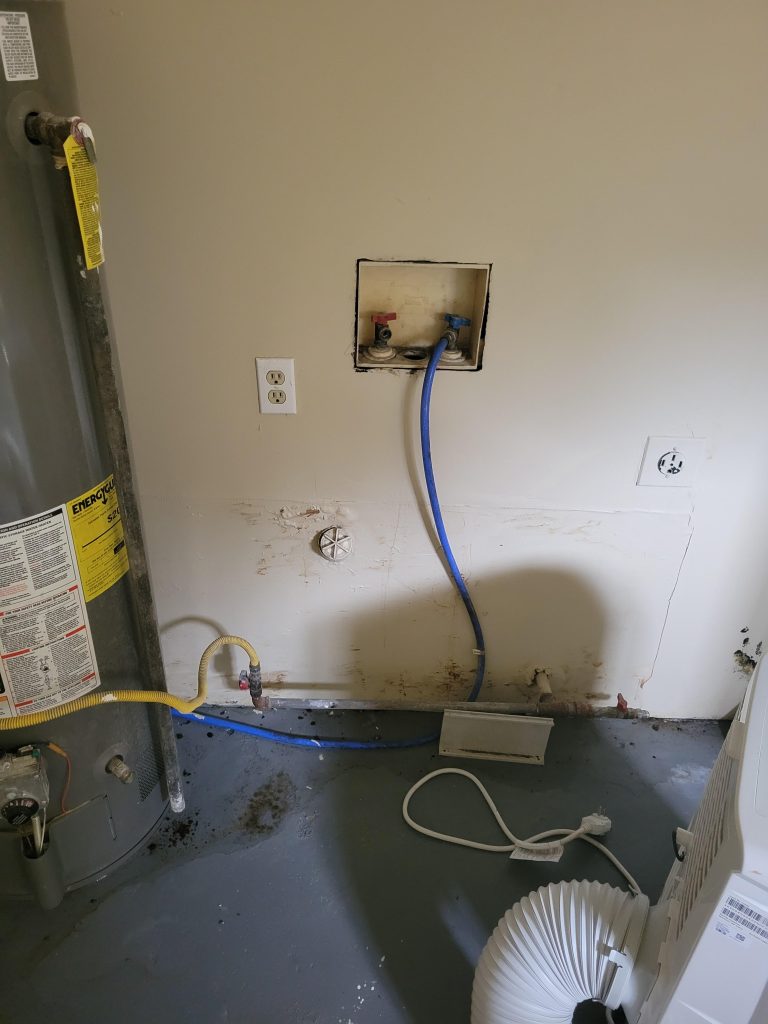
Are you ready to set up your washer dryer but not sure where to start? Hooking up your washer dryer may seem tricky, but with the right steps, you can do it yourself quickly and safely.
Imagine saving time and money by avoiding costly installation fees. In this guide, you’ll find simple, clear instructions that make the process easy to follow. By the end, you’ll have your washer dryer running smoothly, freeing you up to focus on what matters most.
Keep reading to discover how to get your appliance hooked up without any hassle.

Credit: www.reddit.com
Gather Necessary Tools
Installing a washer and dryer needs the right tools. Getting these tools ready saves time. It also helps avoid mistakes during setup.
This guide shows what tools you need for both washer installation and dryer setup. Check the list before you start.
Tools For Washer Installation
You need a few basic tools to install your washer correctly. Some tools help connect water and power safely.
- Adjustable wrench for water connections
- Screwdriver set for securing hoses and panels
- Level to make sure the washer is even
- Water supply hoses compatible with your washer
- Teflon tape to seal threaded connections
- Bucket or towel to catch water spills
Tools For Dryer Setup
Setting up a dryer requires tools for both electrical and vent connections. Use the right tools for safe operation.
| Tool | Purpose |
|---|---|
| Dryer vent hose | Connects dryer to outside vent |
| Vent clamps | Secures vent hose in place |
| Socket wrench | Tightens bolts and screws |
| Voltage tester | Checks electrical connections |
| Drill with bits | Makes holes for vent installation |
| Work gloves | Protects hands during setup |

Credit: www.reddit.com
Prepare The Space
Setting up your washer and dryer needs a proper space. This helps the machines work well and last longer.
Check the area before installation. Make sure power and water are ready. Also, the floor must be clear and level.
Check Power And Water Supply
Make sure your space has the right power outlets for both washer and dryer. The washer needs water connections too.
- Confirm there is a grounded electrical outlet near the space.
- Check if the outlet matches your dryer’s power needs (120V or 240V).
- Ensure hot and cold water valves are within reach for the washer.
- Look for a drain pipe or standpipe to carry away wastewater.
- Inspect water hoses for leaks or damage before connecting.
Clear And Level The Area
The floor must be clear of clutter. It also needs to be flat to prevent washer and dryer from shaking.
| Task | Why it Matters |
|---|---|
| Remove all objects | Prevents damage and gives enough space to work |
| Check floor level with a spirit level | Stops machines from moving or making noise |
| Fix uneven spots with shims or leveling feet | Ensures machines stay stable during use |
| Clean the floor | Prevents dust and dirt from entering machines |
Connect The Washer
Connecting your washer properly ensures it works well and stays safe. Follow these steps to attach hoses and plug it in.
Take your time with each connection to avoid leaks or electrical problems. Use the right tools if needed.
Attach Water Hoses
Connect the hot and cold water hoses to the correct faucet valves. Tighten them with pliers but do not over-tighten.
- Match the red or marked hose to the hot water valve.
- Match the blue or unmarked hose to the cold water valve.
- Check the rubber washers inside each hose connector.
- Tighten the hoses by hand, then finish with pliers for a snug fit.
Secure Drain Hose
Place the drain hose into the drain pipe or laundry tub. Secure it with a hose clamp or zip tie to prevent it from moving.
| Drain Hose Tip | Reason |
|---|---|
| Insert firmly but leave some slack | Prevents leaks and backsplash |
| Use clamps or ties | Keeps hose steady during washing |
| Do not kink the hose | Allows water to flow freely |
Plug In The Washer
Plug the washer’s power cord into a grounded electrical outlet. Avoid using extension cords or power strips.
Check the following before plugging in:
- The outlet matches the washer’s plug type.
- The circuit can handle the washer’s power needs.
- The plug fits tightly and securely.
Install The Dryer
Installing a dryer is an important step after setting up your washer. Proper installation helps the dryer work safely and efficiently.
This guide will explain how to set up ventilation, connect the power cord, and position the dryer correctly.
Ventilation Setup
Dryers need proper ventilation to remove hot air and moisture. This prevents damage and keeps your home safe.
Use a metal vent pipe to connect the dryer to an outside vent. Avoid plastic or foil ducts because they can catch fire.
- Measure the distance to the outside vent
- Cut the vent pipe to the correct length
- Secure the pipe with metal clamps
- Seal joints with foil tape, not duct tape
- Check that the vent hood outside opens freely
Connect The Power Cord
Dryers use different power cords depending on the model. Make sure you use the correct cord for your dryer.
For electric dryers, connect the power cord to the terminal block at the back. Tighten all screws firmly for a safe connection.
- Turn off power at the breaker before starting
- Remove the access panel on the dryer
- Attach the power cord wires to the correct terminals
- Secure the cord with a strain relief clamp
- Replace the access panel
- Plug the dryer into a dedicated outlet
Position The Dryer
Place the dryer close to the washer and near the vent. Leave enough space to connect the vent and power cord easily.
Ensure the dryer sits level on the floor. Adjust the feet to prevent shaking and noise during use.
- Keep at least 5 inches of space behind the dryer
- Allow room for the vent hose and power cord
- Use a level tool to check the dryer’s position
- Adjust feet by turning clockwise or counterclockwise
- Push the dryer gently into place without pinching hoses
Test The Appliances
After hooking up your washer and dryer, you need to check if they work correctly.
Testing helps find problems early and keeps your appliances safe to use.
Run A Washer Cycle
Start by running a full wash cycle without clothes. This checks water flow and drainage.
- Turn on the water supply valves.
- Load the washer drum with some water only.
- Select a normal wash cycle and start the machine.
- Listen for unusual noises during the cycle.
- Check that the washer fills, agitates, drains, and spins properly.
Test The Dryer Function
Next, test the dryer by running it empty to ensure heat and airflow work well.
| Dryer Test | What to Check | Action If Problem |
|---|---|---|
| Power On | Dryer starts without error | Check power connection |
| Heating | Dryer produces warm air | Check heating element or thermostat |
| Airflow | Air flows through vent properly | Clear vent hose or lint trap |
| Timer | Timer counts down correctly | Test or replace timer |
Troubleshooting Tips
Hooking up a washer and dryer can be tricky. Sometimes, things don’t go as planned. Here are some tips to help you solve common issues.
We’ll cover fixing water leaks, handling power issues, and addressing vent problems. Follow these steps to ensure your appliances work smoothly.
Fixing Water Leaks
Water leaks can cause damage. Check the hoses for any cracks or breaks. Tighten connections to stop leaks.
Make sure the washer is level. An uneven machine can cause water to spill. Adjust the legs if needed.
- Inspect hoses for wear and tear
- Ensure connections are secure
- Level the washer to prevent spills
Handling Power Issues
If your washer or dryer won’t turn on, check the power cord. Make sure it is plugged in properly. Look at the circuit breaker to ensure it hasn’t tripped.
Sometimes, a faulty outlet can be the problem. Plug another device into the outlet to test it. If it doesn’t work, call an electrician.
- Check the power cord connection
- Inspect the circuit breaker
- Test the outlet with another device
Addressing Vent Problems
Dryer vents must be clear for proper function. Clean the lint trap after every use. A blocked vent can cause the dryer to overheat.
Ensure the vent hose is not kinked or crushed. A smooth path helps air flow easily. Regularly check the outside vent opening for obstructions.
- Clean the lint trap regularly
- Inspect the vent hose for kinks
- Check the outside vent for blockages
Maintenance Tips
Maintaining your washer and dryer keeps them running smoothly. Regular upkeep prevents issues and extends their life.
Follow these tips to keep your laundry appliances in top condition.
Regular Cleaning
Cleaning your washer and dryer is essential. Dirt and grime can cause problems if not removed.
- Wipe the exterior with a damp cloth weekly.
- Clean the lint filter in the dryer after every load.
- Run an empty wash cycle with vinegar monthly.
- Check and clean the dryer vent regularly.
Preventing Common Issues
Prevent common problems with your washer and dryer by taking simple steps. This will save time and money on repairs.
| Issue | Prevention Tip |
| Overheating | Clear vents and avoid overloading |
| Leaks | Inspect hoses and connections regularly |
| Noise | Level the machine and ensure stable placement |

Credit: m.youtube.com
Frequently Asked Questions
How Do I Connect A Washer To A Dryer?
First, place both units side by side. Attach the dryer’s vent hose to the vent outlet. Connect the washer’s water supply hoses to hot and cold faucets. Plug in both appliances to their respective power sources. Finally, test both machines to ensure proper hookup.
What Tools Do I Need To Hook Up Washer Dryer?
You typically need pliers, a screwdriver, and adjustable wrenches. These tools help tighten water connections and secure vent hoses. A level can ensure proper appliance alignment. Having a bucket and towels ready helps manage any water spills during hookup.
Can I Use One Outlet For Washer And Dryer?
Most washers and dryers require separate outlets due to power needs. Washers typically use a standard 120V outlet. Dryers often need a 240V outlet. Check your appliance specifications and local electrical codes before using one outlet for both.
How Do I Connect The Dryer’s Vent Hose Properly?
Attach the vent hose to the dryer’s exhaust outlet firmly. Secure it with a clamp or foil tape. Ensure the hose is straight with minimal bends. Proper venting prevents lint buildup and improves dryer efficiency and safety.
Conclusion
Hooking up a washer dryer is simpler than it seems. Follow the steps carefully and take your time. Connect water, power, and drainage correctly. Check for leaks or loose connections before use. Test the machine to ensure it works well.
A properly hooked-up washer dryer saves space and effort. Enjoy fresh, clean clothes without hassle. Keep safety in mind to avoid problems later. Now, you are ready to handle the task with confidence.