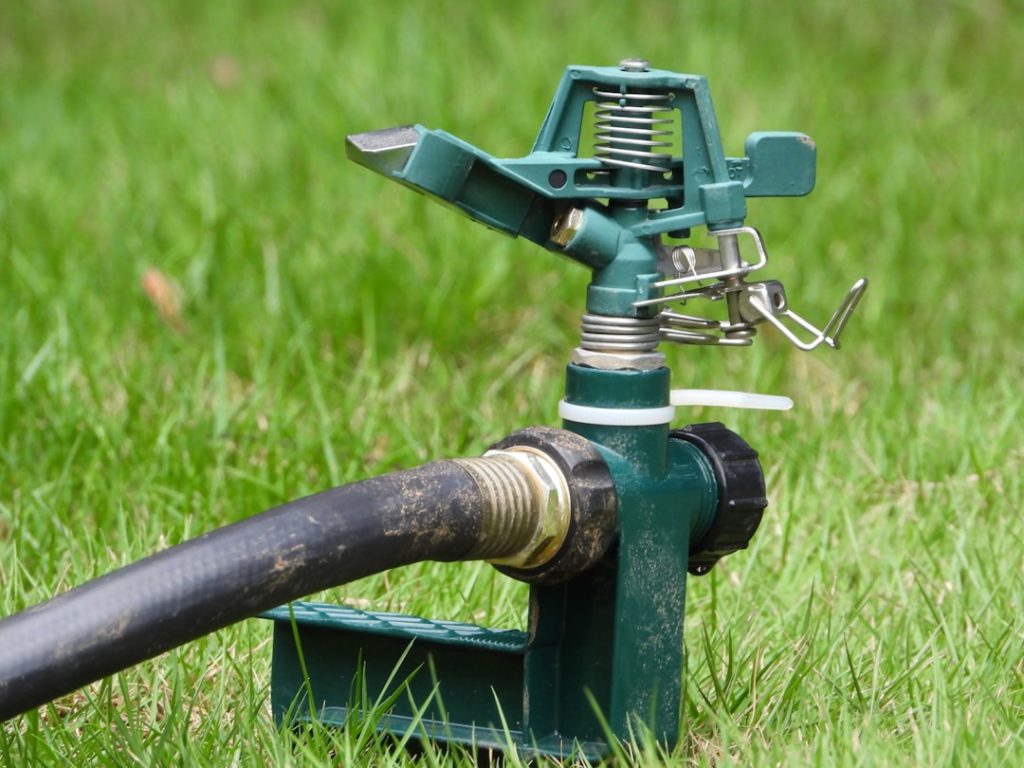
Is your garden hose barely trickling instead of spraying? Low water pressure can turn simple watering tasks into frustrating chores.
But don’t worry—there are easy ways you can boost your hose’s water pressure right now. By making a few simple changes, you’ll save time, water more efficiently, and enjoy a stronger, more powerful flow. Keep reading, and you’ll discover practical tips that anyone can use to get the water pressure you need for a healthy, thriving garden.
Common Causes Of Low Water Pressure
Low water pressure in garden hoses can make watering your plants slow and frustrating.
Knowing the common causes helps fix the problem quickly and get better water flow.
Clogged Hose Or Nozzle
Debris like dirt, sand, or mineral buildup can block the hose or nozzle.
- Check for dirt inside the hose opening.
- Remove and clean the nozzle regularly.
- Flush the hose with water to clear blockages.
Kinks And Leaks
Kinks in the hose stop water flow and leaks lower pressure.
- Straighten any sharp bends in the hose.
- Look for holes or cracks along the hose.
- Replace or patch damaged sections quickly.
Valve And Faucet Issues
Partly closed valves or faulty faucets reduce water pressure to the hose.
| Issue | Effect on Water Pressure |
| Partially closed valve | Limits water flow |
| Old or damaged faucet | Leaks and pressure loss |
| Loose connections | Water escapes before reaching hose |
Municipal Water Supply Limitations
City water pressure can be low due to supply limits or peak usage times.
Check your water pressure with a gauge to see if the supply is the problem.
Credit: thebluehose.com
Choosing The Right Hose
Water pressure depends a lot on the garden hose you select. Picking the right hose helps water flow faster and stronger.
Focus on hose size, material, and condition to get the best water pressure for your garden.
Hose Diameter And Length
A hose with a larger diameter carries more water at once. This boosts pressure at the nozzle. Also, shorter hoses lose less pressure.
| Diameter | Effect on Water Flow |
| 1/2 inch | Lower flow, less pressure |
| 5/8 inch | Standard flow, good pressure |
| 3/4 inch | Higher flow, stronger pressure |
| Length | Shorter hose = less pressure loss |
| Long hose | More pressure drop |
Material And Build Quality
Strong, flexible materials keep water flowing well. Cheap hoses may kink or crack, cutting water flow.
- Look for hoses made from rubber or reinforced vinyl
- Check for kink-resistant or crush-proof labels
- Good fittings stop leaks and maintain pressure
Avoiding Thin Or Old Hoses
Thin or old hoses often have weak walls. They can bulge or leak, lowering water pressure.
Tips to avoid thin or old hoses:
- Replace hoses that feel soft or have cracks
- Do not buy very cheap, thin hoses
- Store hoses properly to extend life
Improving Hose Setup
Enhancing the water pressure in your garden hose can make a big difference. A proper hose setup is crucial for efficient watering.
Let’s look at some methods to improve the setup of your garden hose for better water pressure.
Straightening Kinks And Twists
Kinks and twists in your garden hose can reduce water flow. Straightening them helps maintain steady pressure.
Lay your hose flat on the ground before use. This helps avoid twists and improves water flow.
- Unroll the hose fully to prevent kinks
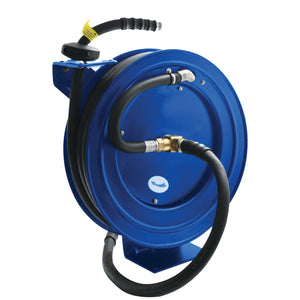
- Store the hose on a reel when not in use
- Check for and fix any bends regularly
Using Hose Connectors And Extensions
Hose connectors and extensions can help increase water pressure. They ensure a tight fit between different hose sections.
Choose high-quality connectors to avoid leaks. Extensions help reach farther areas without losing pressure.
- Use brass connectors for durability
- Check for leaks around connectors
- Add extensions for longer reach
Elevating The Hose
Elevating your hose can improve water pressure. It allows gravity to help water flow more efficiently.
Use supports to keep the hose elevated. This method is especially useful for watering plants on slopes.
- Place hose on elevated supports
- Ensure supports are stable
- Keep the elevated part free of kinks
Upgrading Nozzles And Attachments
Improving your garden hose water pressure can make watering easier. One way to do this is by upgrading nozzles and attachments.
These upgrades help control water flow and increase pressure for better performance.
High-pressure Nozzles
High-pressure nozzles are designed to focus water into a strong stream. They reduce water spread and increase force.
These nozzles work well for cleaning and reaching far plants.
- Use smaller openings to boost pressure
- Durable materials last longer
- Easy to attach and detach
Adjustable Spray Patterns
Nozzles with adjustable spray patterns let you change the water flow type. You can switch from a wide spray to a narrow jet.
This flexibility helps manage pressure and water use for different tasks.
- Choose patterns like mist, shower, or jet
- Adjust to save water or increase pressure
- Simple twist or dial controls
Pressure Boosting Attachments
Pressure boosting attachments fit between your hose and nozzle. They increase water pressure by narrowing the flow path.
These devices work without extra power and improve hose performance.
- Easy to install on most hoses
- Increase pressure without changing the hose
- Good for older or low-pressure systems
Maintaining Your Hose System
Keeping your garden hose in good shape helps keep water pressure high. A well-maintained hose works better and lasts longer.
Simple care steps can stop pressure problems before they start. Check your hose system often to catch issues early.
Regular Cleaning
Dirt and debris can build up inside the hose and reduce water flow. Clean your hose regularly to keep water moving freely.
Flush the hose with clean water and remove any blockages. Also, clean the hose connectors to prevent clogs.
- Flush hose with water before and after use
- Use a brush to clean hose ends and connectors
- Store hose in a shaded place to avoid dirt buildup
Checking For Leaks
Leaks cause water loss and lower pressure. Check the entire hose for holes or cracks often.
Look for wet spots or listen for dripping sounds. Fix small leaks quickly to keep pressure steady.
- Inspect hose length and connectors for damage
- Repair leaks using hose repair kits or tape
- Replace hose sections if leaks are large or frequent
Replacing Worn Parts
Old or damaged parts reduce water pressure. Replace worn-out connectors, washers, and nozzles regularly.
Use high-quality parts that fit well. Proper parts help keep a tight seal and strong water flow.
- Change washers to prevent leaks at connections
- Replace cracked or bent connectors
- Upgrade nozzles for better control of water pressure

Credit: www.angi.com
Advanced Techniques To Boost Pressure
Low water pressure in garden hoses can limit your watering tasks. Using advanced methods can help increase pressure effectively.
This guide covers installing booster pumps, using pressure regulators, and optimizing your water source.
Installing A Booster Pump
Booster pumps increase water pressure by pushing water through the hose at a higher force. They are ideal for long hoses or low-pressure systems.
- Choose a pump compatible with your water source and hose size.
- Install the pump near the water supply for best results.
- Ensure all hose connections are tight and leak-free.
- Check the pump’s power source and follow safety instructions.
Using Pressure Regulators
Pressure regulators control and maintain steady water pressure. They protect hoses and attachments from damage caused by high pressure.
| Type | Purpose | Installation Location |
| Inline Regulator | Reduces pressure after the water source | Between faucet and hose |
| Adjustable Regulator | Allows pressure control for different needs | Near hose connection |
| Pressure Relief Valve | Prevents pressure spikes | Installed on pump or faucet |
Optimizing Water Source Pressure
Improving the water source pressure can boost hose performance. Check the main supply and adjust as needed.
- Inspect pipes for leaks or blockages that reduce pressure.
- Open the main valve fully to allow maximum flow.
- Limit the use of multiple water outlets at the same time.
- Replace old or narrow pipes with wider ones for better flow.
Safety Tips For High-pressure Use
Increasing water pressure in your garden hose can help with watering tasks. Safety is very important when using high-pressure water.
Follow these tips to avoid accidents and damage while using your hose at higher pressure.
Avoiding Hose Bursts
High water pressure can cause hoses to burst if the hose is old or weak. Always check your hose for cracks or leaks before use.
Use hoses designed for high pressure to reduce the risk of bursting.
- Inspect hose for damage regularly
- Replace old or worn hoses
- Use pressure-rated hoses only
- Do not kink or twist the hose
Protecting Outdoor Fixtures
High pressure can damage outdoor faucets and connectors. Use pressure regulators to protect these fixtures.
Make sure all connections are tight but not over-tightened. Loose or damaged fixtures can leak or break under pressure.
- Install pressure regulators on faucets
- Check connections for tightness
- Replace worn washers and seals
- Avoid using damaged fixtures
Safe Handling Practices
Handle your garden hose carefully when using high pressure. Sudden movements can cause injury or damage.
Wear gloves to protect your hands and avoid spraying water near electrical outlets or devices.
- Hold hose firmly to control pressure
- Wear gloves for hand protection
- Do not point hose at people or animals
- Keep water away from electrical areas
Credit: thebluehose.com
Frequently Asked Questions
How Can I Improve Garden Hose Water Pressure?
To improve water pressure, check for kinks or leaks in the hose. Use a shorter, wider diameter hose. Clean clogged nozzles and ensure the faucet is fully open.
Why Is My Garden Hose Water Pressure Low?
Low pressure can result from hose leaks, clogs, or narrow hose diameter. Also, check if the water supply valve is partially closed or if multiple taps are running.
Does Hose Length Affect Water Pressure?
Yes, longer hoses reduce water pressure due to friction loss. Using a shorter hose or a wider diameter hose helps maintain better pressure.
Can A Pressure Booster Increase Hose Water Pressure?
Yes, a pressure booster or pump can raise water pressure effectively. It’s useful if your home’s water supply pressure is low or inconsistent.
Conclusion
Increasing your garden hose water pressure is simple with these tips. Check your hose for kinks or leaks that slow water flow. Clean or replace your nozzle for better spray. Consider a pressure booster or shorter hose for stronger water.
Regular maintenance keeps your system working well. Small changes make a big difference in water pressure. Enjoy a healthier garden with stronger, steady water flow. Try these easy steps to improve your hose pressure today.