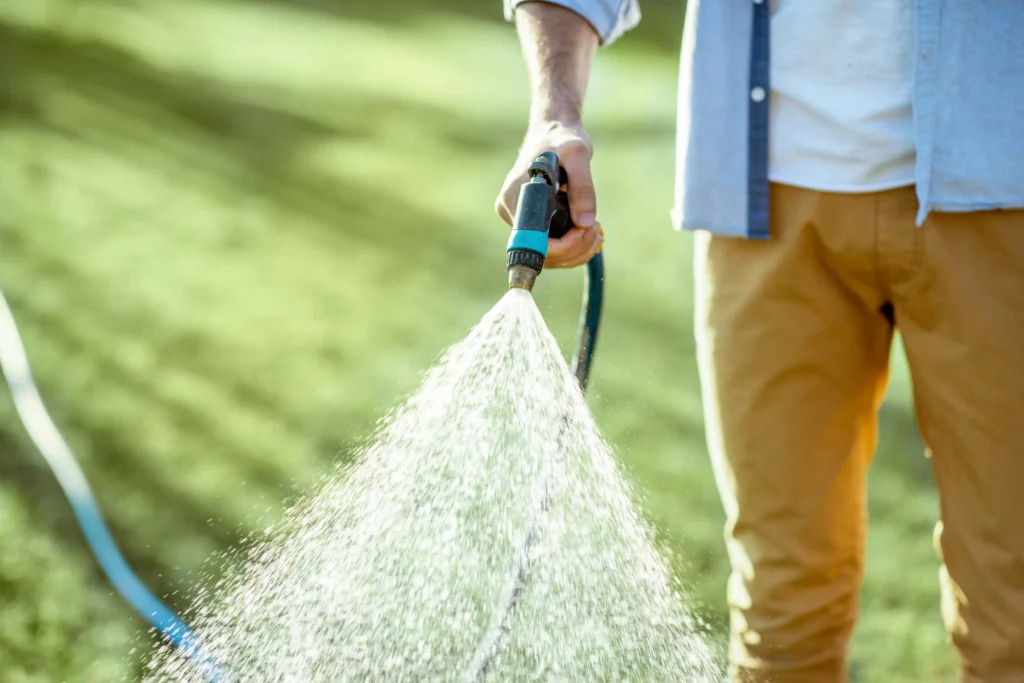
Are you tired of waiting forever for your garden hose to deliver a steady, strong stream of water? Low water pressure can make simple tasks like watering your plants or washing your car frustrating and time-consuming.
But what if you could easily boost your hose’s water pressure without spending a fortune or calling a plumber? You’ll discover simple, effective tips to increase your garden hose water pressure. Keep reading, and you’ll be able to enjoy a powerful, consistent flow that gets your outdoor chores done faster and easier.
Credit: qiyitools.com
Common Causes Of Low Hose Pressure
Low water pressure from a garden hose can be frustrating. It makes watering plants or washing cars take longer. Several common problems can reduce hose pressure.
Understanding these causes helps you fix the issue quickly. Some problems are easy to spot and repair.
Clogged Hose Or Nozzle
Dirt, sand, or debris can block the inside of the hose or nozzle. This reduces water flow and lowers pressure. Small particles build up over time, causing partial or full blockages.
Check the nozzle and hose opening for dirt. Clear any visible debris. Soaking the nozzle in vinegar can remove mineral deposits.
- Remove the nozzle and inspect inside
- Flush the hose to clear trapped dirt
- Use a brush to clean the nozzle holes
- Soak in vinegar for mineral buildup
Kinks And Twists
Bending the hose sharply causes kinks. Kinks block water flow and reduce pressure. Twisted hoses also limit water movement and strain the hose material.
Lay the hose flat and straighten any bends. Avoid pulling or twisting the hose too much. Store the hose properly to prevent future kinks.
- Look for sharp bends or loops in the hose
- Straighten the hose before use
- Coil the hose loosely for storage
- Use hose guides to avoid sharp turns
Inadequate Water Supply
Low water pressure may come from the water source itself. If the main water supply is weak, the hose pressure will be low. Using multiple outlets at once can reduce pressure.
Check if water pressure is low at the faucet before the hose. Avoid using many water devices at the same time. Make sure the faucet is fully open.
- Test water pressure at the faucet without the hose
- Close other faucets or sprinklers in use
- Open the faucet completely for full flow
- Contact water supplier if pressure is low
Old Or Damaged Hose
Hoses get wear and tear from sun, water, and use. Cracks or holes reduce pressure and cause leaks. Old hoses may have internal damage blocking water flow.
Inspect the hose for visible damage. Replace old hoses that leak or feel stiff. A new hose ensures good water flow and pressure.
- Look for cracks, holes, or soft spots
- Check hose fittings for damage or rust
- Replace hoses older than 5 years
- Store hoses out of direct sun to last longer

Credit: www.angi.com
Quick Fixes To Boost Pressure
Low water pressure from a garden hose can be frustrating. You can fix it quickly with simple steps.
Try these easy fixes to get a stronger water flow without buying new equipment.
Straighten The Hose
Kinks and twists in the hose block water flow. Straightening the hose helps water move freely.
Lay the hose flat and remove any sharp bends. This reduces pressure drops and improves flow.
Clean Or Replace Nozzle
A clogged nozzle lowers water pressure. Dirt and debris can block the small holes.
Clean the nozzle by soaking it in vinegar or replace it if it is old. This restores good pressure.
Check For Leaks
Leaks in the hose or connectors reduce pressure. Water escapes before reaching the nozzle.
Look for wet spots or cracks. Tighten connections or patch holes to stop leaks and boost pressure.
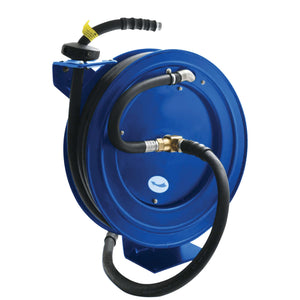
Use A Hose Reel
A hose reel helps keep the hose organized and prevents kinks. This keeps water flowing well.
Roll up the hose on the reel when not in use. This makes it easy to use and protects the hose.
Upgrading Hose Components
Enhancing your garden hose setup can significantly boost water pressure. A few strategic upgrades can make a noticeable difference.
By focusing on key components, you can ensure a stronger and more consistent water flow for all your gardening needs.
Choose The Right Hose Diameter
The diameter of your garden hose plays a crucial role in water flow. A wider hose allows more water to pass through.
- Standard hoses are typically 5/8 inch in diameter.
- Larger diameters can increase flow but may reduce pressure.
- Consider hose length when choosing diameter, as longer hoses may benefit from a smaller diameter for better pressure.
Opt For Quality Materials
High-quality materials can prevent leaks and withstand higher pressures. Invest in durable hoses to ensure longevity.
| Material | Benefits |
| Rubber | Durable and flexible |
| Vinyl | Lightweight and affordable |
| Reinforced | Handles higher pressures |
Install A Pressure Booster
A pressure booster can enhance the water flow significantly. This device increases pressure in the hose.

Credit: www.angi.com
Optimizing Water Source
Increasing water pressure from your garden hose starts at the water source. Proper checks and adjustments can boost flow and make watering easier.
Focus on your outdoor faucet, water lines, and timing for best results. Small changes can improve pressure without expensive tools.
Check Outdoor Faucet Valve
Outdoor faucets can reduce water pressure if valves are partially closed or clogged. Inspect the valve to ensure it fully opens.
- Turn the faucet handle counterclockwise to open fully.
- Clear any debris or rust around the valve opening.
- Replace worn washers or seals inside the valve.
- Test the water flow after adjustments.
Use A Dedicated Water Line
Sharing water lines with other fixtures can reduce pressure at your garden hose. A dedicated line helps maintain strong flow.
| Water Line Type | Pressure Impact |
| Shared Line | Pressure drops when other taps run |
| Dedicated Line | Consistent high pressure for garden hose |
Avoid Peak Usage Times
Water pressure often lowers during peak hours. Use your garden hose when overall demand is low for better pressure.
- Early morning before most people use water
- Late evening after daily water use slows
- Avoid mid-afternoon when many run sprinklers
Advanced Solutions For Pressure Issues
Low water pressure in garden hoses can be frustrating. Simple fixes sometimes do not work well.
This guide covers advanced ways to boost your garden hose pressure. These solutions improve water flow and efficiency.
Install A Booster Pump
A booster pump increases water pressure by pushing water through the hose. It helps if your home’s water pressure is low.
- Choose a pump designed for garden hoses.
- Install it near the water source for best results.
- Make sure the pump matches your hose size.
- Check power requirements and safety instructions.
Use A Pressure Regulator
A pressure regulator controls the water pressure to protect your hose and plants. It prevents damage from too high pressure.
| Type | Purpose | Typical Pressure Range |
| Adjustable Regulator | Set custom pressure | 20-60 PSI |
| Fixed Regulator | Limit max pressure | 30 PSI |
| Inline Regulator | Easy to install in hose line | 25-50 PSI |
Consider A Water Tank Or Reservoir
A water tank stores extra water at higher pressure. It can feed your hose with steady flow even if the main supply is weak.
Benefits of a water tank system:
- Maintains constant water pressure
- Provides backup water supply
- Allows use of booster pumps
- Reduces pressure drops during peak use
Maintenance Tips For Consistent Pressure
Keeping your garden hose working well needs regular care. Good maintenance helps keep water pressure steady.
Simple steps can stop leaks and clogs. These tips make watering your garden easier and faster.
Regular Hose Inspection
Look over your hose often for cracks or holes. Small damage can lower water pressure a lot.
Check the connectors for rust or loose parts. Tighten or replace parts to stop leaks and keep pressure strong.
- Look for cracks, holes, or weak spots
- Check connectors for rust or looseness
- Fix or replace damaged parts quickly
Seasonal Hose Storage
Store your hose properly to avoid damage from weather. Cold can cause cracks and reduce pressure.
Drain all water before storing. Keep the hose in a dry, cool place out of the sun.
- Drain water to stop freezing inside
- Store hose indoors during winter
- Keep hose away from direct sunlight
Routine Nozzle Cleaning
Clean the hose nozzle often to remove dirt and mineral buildup. Clogs lower water flow and pressure.
Soak the nozzle in vinegar to clear mineral deposits. Rinse and dry before use to keep water strong.
- Remove dirt and debris regularly
- Soak nozzle in vinegar for 30 minutes
- Rinse well and dry before use
Frequently Asked Questions
How Can I Boost Garden Hose Water Pressure Quickly?
To boost water pressure, check for kinks or leaks in the hose. Use a high-pressure nozzle and clean the faucet screen. Also, consider shortening the hose length to reduce pressure loss. These steps help improve flow efficiently.
Why Is My Garden Hose Water Pressure Low?
Low pressure may result from clogged nozzles, leaks, or old hoses. Also, water supply issues or partially closed valves can reduce pressure. Inspect your hose and connections regularly to identify and fix such problems.
Does Hose Diameter Affect Water Pressure?
Yes, a smaller diameter hose increases water pressure but reduces flow rate. Larger diameter hoses provide more water but lower pressure. Choose a hose size balancing your pressure needs and water volume.
Can A Pressure Regulator Improve Hose Water Pressure?
A pressure regulator controls water pressure to protect equipment, not increase it. To raise pressure, use a booster pump or reduce hose restrictions. Regulators maintain steady pressure but don’t enhance it.
Conclusion
Increasing your garden hose water pressure is simple and effective. Check for leaks and remove any kinks in the hose. Use a hose with a smaller diameter or shorter length for better flow. Clean or replace clogged nozzles to improve water delivery.
Maintain your hose and connections regularly to keep pressure steady. These easy steps help water your garden more efficiently. Try them today and enjoy a stronger water flow for your outdoor tasks.