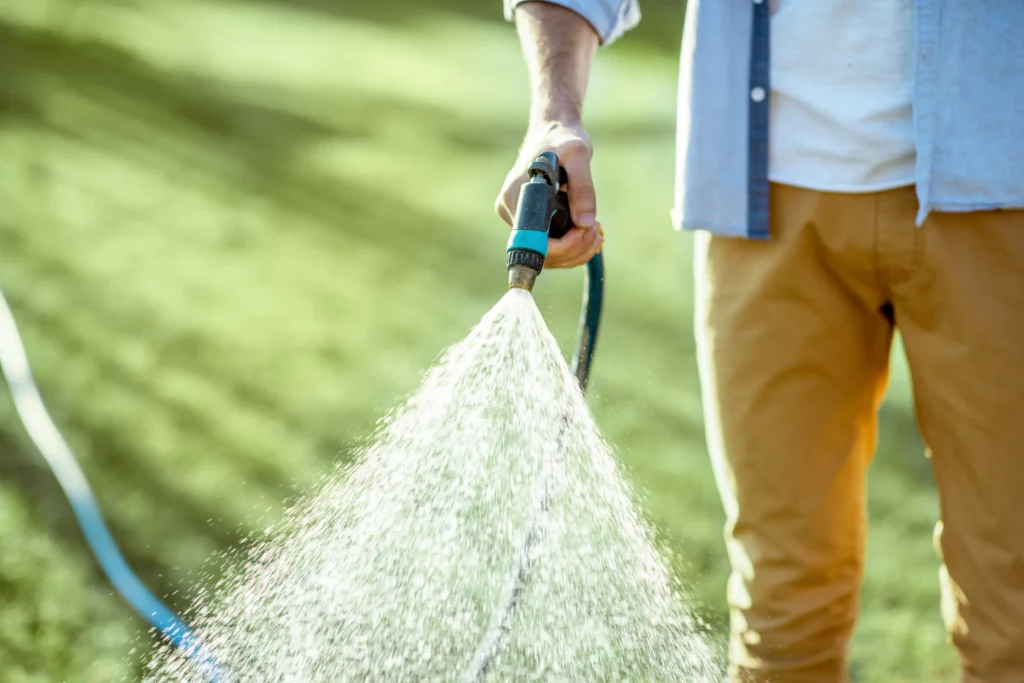
Are you frustrated with your garden hose’s weak water flow? Low water pressure can make watering your plants or cleaning your patio a slow and tiring task.
But don’t worry—boosting your garden hose’s water pressure is easier than you think. You’ll discover simple and effective ways to get stronger water flow, so you can save time and enjoy your outdoor chores more. Keep reading to find out how to turn your weak hose into a powerful watering tool!
Credit: qiyitools.com
Common Causes Of Low Water Pressure
Low water pressure in garden hoses can be frustrating. It makes watering plants slow and inefficient.
Understanding the causes helps fix the problem quickly. Many issues come from the hose or the water source.
Clogged Hose Or Nozzle
Debris can block the hose or nozzle. Dirt, sand, or small particles reduce water flow. Cleaning them often restores pressure.
Kinks And Bends
Sharp bends or kinks stop water from moving freely. Check your hose for twisted or bent areas. Fixing these smooths water flow.
Old Or Damaged Hose
Hoses wear out over time. Cracks, holes, or worn spots lower water pressure. Replace old hoses to keep strong water flow.
Water Source Limitations
Sometimes the problem is the water supply itself. Low pressure from the faucet or outdoor spigot affects your hose.
- Check if other taps have good pressure
- Make sure no valves are partly closed
- Consider the time of day; pressure can drop when many use water
- Inspect for leaks in pipes before the hose connection
Simple Fixes To Boost Pressure
Low water pressure in your garden hose can make watering plants slow and frustrating. You do not need special tools to fix it. Some simple steps can help increase the flow.
Check your hose and nozzle first. Small problems like kinks or leaks often reduce pressure a lot. Follow these easy tips to get better water flow.
Straighten And Unkink The Hose
Kinks and twists block water flow. Make sure your hose lies flat and straight. Avoid sharp bends and loops that can slow down pressure.
- Lay the hose out in the sun to soften it if it is stiff.
- Pull gently to remove any twists or sharp bends.
- Store the hose on a reel or coil it properly after use.
Clean Or Replace Nozzle
A dirty or clogged nozzle lowers water pressure. Remove the nozzle and check for dirt or mineral build-up. Clean it with water or vinegar.
If cleaning does not help, replace the nozzle with a new one that suits your hose. A nozzle with multiple settings can control the pressure better.
Check For Leaks And Repair
Leaks waste water and reduce pressure. Check the hose and fittings for holes or cracks. Look closely where the hose connects to the faucet and nozzle.
| Problem | Fix |
| Small holes | Use waterproof tape or hose patch kit |
| Damaged fittings | Tighten or replace the connector |
| Loose connections | Secure with clamps or replace washers |
Use A Hose With Larger Diameter
A hose with a bigger diameter lets more water flow through. This increases pressure at the nozzle. Choose the right size for your water source and garden needs.
- Standard hoses are 5/8 inch in diameter.
- Using a 3/4 inch hose can boost pressure for larger gardens.
- Keep the hose length as short as possible to keep pressure high.
Upgrading Your Setup
Increasing the water pressure in your garden hose can make watering more efficient. Upgrading your setup ensures you get the best flow for your gardening needs.
Explore different methods to enhance your garden hose’s performance. These upgrades can save you time and effort.
Install A Pressure Booster
A pressure booster can significantly increase the water flow. This device is easy to install and enhances the pressure without much effort.
- Choose the right size for your needs
- Install near the water source
- Regularly check for maintenance
Add A Water Pump
Adding a water pump can help in boosting the water pressure. It ensures a consistent flow, especially for larger gardens.
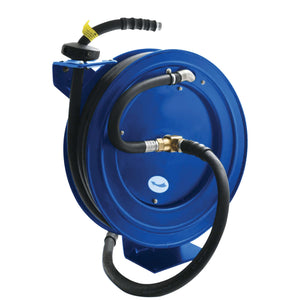
Use A Hose Reel For Proper Storage
Proper storage of your hose can prevent kinks and damage. A hose reel ensures your hose stays in good condition.
| Hose Length | Storage Type |
| 25 feet | Wall-mounted reel |
| 50 feet | Cart reel |
| 100 feet | Stationary reel |

Credit: www.angi.com
Maintenance Tips For Consistent Pressure
Keeping your garden hose pressure steady helps water flow well. Regular care stops blockages and leaks.
Simple maintenance tasks can save you time and improve watering. Follow these tips to keep pressure strong.
Regularly Inspect Hose And Fittings
Look over your hose and fittings often. Check for cracks, holes, or loose connections.
Fix or replace damaged parts. Tighten any loose fittings to stop water leaks.
- Check hose for cracks or splits
- Look at fittings for rust or damage
- Make sure all connections are tight
- Replace worn washers inside fittings
Flush Out Sediment
Clear out dirt and sediment from inside the hose. Sediment can block water flow and reduce pressure.
Flush water through the hose before each use. This keeps the inside clean and pressure steady.
- Disconnect the hose from the faucet
- Run water through the hose backward if possible
- Shake the hose gently to loosen dirt
- Flush water until it runs clear
Store Hose Properly
Keep your hose in a cool, dry place when not in use. Proper storage stops damage and leaks.
Coil the hose without kinks. Avoid leaving it in the sun for long times.
- Drain all water before storing
- Coil hose loosely to avoid bends
- Store hose on a reel or hanger
- Keep hose out of direct sunlight
Choosing The Right Hose And Accessories
Water pressure in your garden hose depends on the hose and accessories you use. Choosing the right ones can improve flow and make watering easier.
This guide covers material types, nozzle options, and size considerations for better water pressure.
Material Types And Durability
Hoses come in various materials. Each affects durability and water flow differently.
- Rubber:Strong and flexible. Resists cracking and kinks.
- Vinyl:Lightweight and affordable but less durable.
- Reinforced:Combines materials with mesh layers for strength.
- Expandable:Grows with water pressure but may wear faster.
Nozzle Options For Pressure Control
Nozzles control how water flows from your hose. The right nozzle can boost pressure and save water.
| Nozzle Type | Pressure Effect | Use Case |
| Adjustable Spray | Moderate control | General watering |
| Trigger Nozzle | Good pressure boost | Spot watering |
| High-Pressure Nozzle | Strong pressure | Cleaning and tough watering jobs |
| Soaker Hose | Low pressure, steady flow | Watering plants gently |
Length And Diameter Considerations
Hose length and diameter affect water pressure. Longer hoses reduce pressure more than shorter ones.
- Shorter hoseskeep water pressure higher.
- Wider diameterlets more water flow, but may lower pressure if too large.
- Common diameters are ½ inch, ⅝ inch, and ¾ inch.

Credit: www.bydesignandviz.com
Frequently Asked Questions
How Can I Boost Garden Hose Water Pressure Quickly?
To boost water pressure, check for kinks or leaks in the hose. Use a pressure-boosting nozzle or install a garden hose booster pump. Ensure your water source valve is fully open for maximum flow.
What Causes Low Water Pressure In Garden Hoses?
Low water pressure often results from clogged hose nozzles, leaks, or long hose lengths. It can also be due to low municipal water pressure or partially closed valves.
Can A Hose Diameter Affect Water Pressure?
Yes, smaller diameter hoses increase water pressure but reduce flow volume. Larger diameter hoses provide more water but lower pressure. Choose the right diameter based on your watering needs.
Is It Necessary To Use A Pressure Regulator?
A pressure regulator prevents damage from excessive pressure and maintains consistent flow. It’s helpful if your water pressure fluctuates or exceeds recommended levels for your hose.
Conclusion
Improving your garden hose water pressure is simple and effective. Check for leaks and blockages first. Use a pressure booster or wider hose if needed. Keep the hose straight to avoid kinks. Regular maintenance helps keep water flow strong. These easy steps save time and water.
Enjoy a better watering experience every day. Your plants will thank you. Try these tips and see the difference soon.