Is your garden hose spraying weakly, making watering your plants a frustrating task? You’re not alone.
Low water pressure can slow down your gardening and leave your flowers thirsty. But the good news is, you don’t have to accept this problem. You’ll discover simple and effective ways to boost your garden hose’s water pressure. By the end, you’ll have the tips you need to get a stronger, more powerful flow—making your watering routine faster and more enjoyable.
Keep reading to find out how you can fix your low water pressure today!
Common Causes Of Low Water Pressure
Low water pressure in a garden hose can make watering plants hard. It can slow down work and waste time.
Knowing why water pressure is low helps you fix the problem fast. Many issues are easy to spot and fix.
Clogged Hose Or Nozzle
Dirt and debris can block the inside of the hose or nozzle. This stops water from flowing properly.
Leaves, soil, or small stones may get stuck inside the nozzle or hose end. This reduces water pressure.
- Remove the nozzle and clean it with water.
- Flush the hose to clear any blockages.
- Use a thin wire to gently remove debris.
Kinks And Twists
Bends and twists in the hose stop water from flowing smoothly. Kinks lower the water pressure a lot.
Check the hose for sharp bends or loops. Straighten the hose to improve water flow and pressure.
- Unroll the hose fully before use.
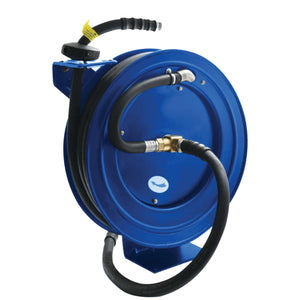
- Store the hose properly on a reel or hanger.
- Avoid pulling the hose around sharp corners.
Inadequate Water Supply
Low water pressure can happen if the water source does not supply enough water. This may be from a weak faucet or pipe.
Check if other taps have low pressure too. If yes, the problem is with the water supply, not the hose.
- Use a faucet with better water flow.
- Check for leaks in pipes or valves.
- Water early in the morning when demand is low.
Old Or Damaged Hose
Hoses can wear out over time. Cracks and holes reduce water pressure and cause leaks.
Look for signs of damage along the hose. Replace old hoses to keep good water pressure.
- Check for cracks, holes, or soft spots.
- Replace damaged sections or the whole hose.
- Store hoses properly to avoid damage.
Credit: qiyitools.com
Simple Fixes To Boost Pressure
Low water pressure in a garden hose can be frustrating. There are easy fixes you can try at home.
These tips help improve water flow and make your watering tasks easier.
Check And Clear Blockages
Blockages reduce water pressure in the hose. Dirt, leaves, or mineral build-up can block the flow.
Inspect the hose and nozzle for clogs. Clear any debris you find inside.
- Disconnect the hose from the faucet and nozzle.
- Look through the hose for visible blockages.
- Use water or a thin wire to push out dirt.
- Rinse the nozzle to remove mineral deposits.
Straighten The Hose
Hoses that are kinked or bent reduce water flow. Straightening the hose helps increase pressure.
Lay the hose flat in the sun to soften it. This makes it easier to remove bends and kinks.
- Uncoil the hose fully.
- Remove any sharp bends or twists.
- Store the hose properly to avoid kinks.
Replace Worn Parts
Old or damaged parts cause leaks and low pressure. Check connectors, washers, and nozzles.
Replace cracked or worn parts to stop leaks and keep water pressure steady.
- Inspect hose connectors for cracks.
- Replace rubber washers if they are damaged.
- Change the nozzle if it sprays unevenly.
Use A Hose With Larger Diameter
Hoses with larger diameters allow more water to flow. This increases water pressure at the end.
If you need more pressure, consider switching to a hose with a bigger diameter.
- Standard garden hoses are usually 5/8 inch in diameter.
- Larger hoses, like 3/4 inch, carry more water.
- Bigger hoses reduce pressure loss over long distances.
Advanced Tips For Pressure Improvement
Water pressure in a garden hose can be improved with advanced techniques. These tips can help you achieve better water flow for your gardening tasks.
Learn how to enhance your garden hose’s pressure with these simple methods. You’ll see a difference in the efficiency of your watering routine.
Install A Pressure Booster Pump
A pressure booster pump increases the force of water flowing through your hose. It is a helpful tool for those with naturally low water pressure.
Choose a pump that fits your water system. Check the compatibility to ensure it works well with your garden hose.
Upgrade To A High-pressure Nozzle
A high-pressure nozzle focuses the water flow, boosting pressure. This tool is easy to attach and improves the spray pattern.
Select a nozzle with adjustable settings. This allows you to control the water flow based on your gardening needs.
Use A Water Timer With Pressure Settings
A water timer with pressure settings automates water flow management. It ensures consistent pressure for your garden hose.
Set the timer to manage water usage efficiently. This helps maintain steady pressure while conserving water.

Credit: www.bydesignandviz.com
Maintenance Practices To Maintain Pressure
Keeping good water pressure in your garden hose needs regular care. Dirt and damage can lower pressure over time.
Simple maintenance steps help keep water flowing strong and steady through your hose.
Regular Cleaning
Cleaning your hose and its fittings removes dirt and debris. This clears blockages that reduce water flow.
- Flush the hose with water after each use.
- Use a soft brush to clean connectors and nozzles.
- Remove mineral buildup with vinegar soak if needed.
- Rinse thoroughly before storing.
Proper Storage
Store your hose correctly to prevent kinks and cracks. This keeps water flowing without leaks or weak spots.
| Storage Tip | Benefit |
| Coil hose loosely on a reel | Prevents kinks and tangles |
| Keep hose out of direct sunlight | Reduces damage from UV rays |
| Store in a cool, dry place | Prevents mold and brittleness |
| Drain water before winter | Avoids freezing damage |
Routine Inspections
Check your hose often for leaks and wear. Early fixes keep pressure high and avoid bigger problems.
- Look for cracks, holes, or soft spots.
- Test connections for tightness and leaks.
- Replace washers inside fittings if worn.
- Fix or replace damaged sections promptly.

Credit: www.angi.com
Frequently Asked Questions
How Can I Boost Water Pressure In My Garden Hose?
To boost water pressure, check for leaks or kinks in the hose. Use a pressure regulator or a smaller diameter hose. Clean or replace clogged nozzles and ensure the main water valve is fully open.
Why Is My Garden Hose Water Pressure Low?
Low water pressure may result from hose blockages, leaks, or kinks. It can also be due to a partially closed water valve or an old, worn-out hose restricting flow.
Does Hose Length Affect Water Pressure?
Yes, longer hoses reduce water pressure due to friction loss inside the hose. Using a shorter hose or one with a larger diameter can improve pressure.
Can A Pressure Booster Pump Help Garden Hose Pressure?
Yes, a pressure booster pump increases water flow and pressure. It is useful when municipal water supply pressure is insufficient for your garden hose needs.
Conclusion
Improving garden hose water pressure can be simple and quick. Clear any blockages and check for leaks. Choose the right hose size and avoid long, thin hoses. Using a booster pump or pressure regulator helps too. Small changes make a big difference in water flow.
Enjoy a stronger spray for watering your plants. Save time and water with better pressure. Try these tips and see the results yourself. Gardening becomes easier and more enjoyable this way.