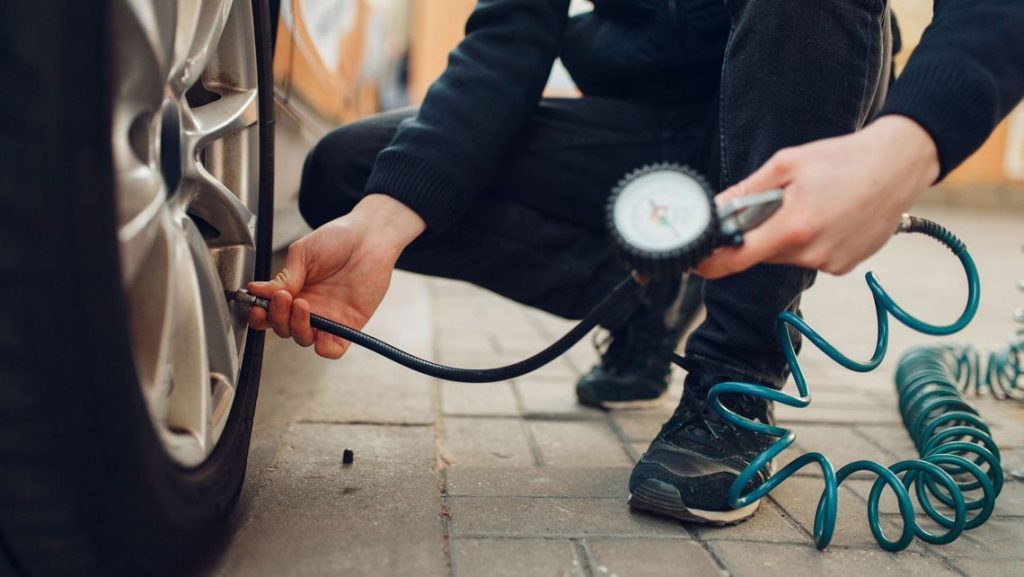
Your car’s tires play a huge role in your safety and driving experience. But do you know how to inflate your tires the right way?
If your tires are underinflated, it can lead to poor fuel efficiency, uneven wear, and even dangerous blowouts. Don’t worry—learning how to inflate your car tires properly is easier than you think. You’ll discover simple steps that save you time and money, while keeping you safe on the road.
Ready to take control of your car’s performance? Let’s get started.

Credit: www.youtube.com
Importance Of Proper Tire Inflation
Keeping your car tires properly inflated is very important. It helps your car work well and keeps you safe on the road.
Many drivers forget to check tire pressure. This can cause problems with driving and cost more money over time.
Effects On Safety And Performance
Proper tire pressure keeps your car stable. It improves how your car handles turns and stops. Low pressure can cause tires to wear out unevenly and may lead to blowouts.
- Better control on wet and dry roads
- Reduced chance of tire damage
- Improved braking distance
Fuel Efficiency Benefits
Correct tire inflation saves fuel. When tires have low pressure, the engine works harder. This uses more gas and increases costs.
| Tire Pressure Level | Fuel Efficiency |
| Properly Inflated | Optimal fuel use |
| Under-Inflated | Higher fuel consumption |
| Over-Inflated | Uneven fuel use |
Tire Longevity
Tires last longer with correct pressure. Over- or under-inflated tires wear out faster. This means you must replace them sooner.
Tips to keep tires healthy:
- Check pressure monthly
- Use a reliable tire gauge
- Adjust pressure when carrying heavy loads
- Inspect tires for damage regularly
Tools Needed For Tire Inflation
Inflating your car tires is easy when you have the right tools. This guide will help you pick the best equipment for the job.
Having the correct tools ensures safe and efficient tire inflation. Let’s explore the options available.
Air Compressor Options
Air compressors are essential for inflating tires quickly. They come in various types and sizes to suit different needs.
- Portable air compressors are small and easy to carry.
- Stationary air compressors are powerful but require more space.
- 12V compressors can be plugged into your car’s power outlet.
Pressure Gauge Types
A pressure gauge helps you ensure the tire pressure is correct. There are several types available for different preferences.
| Gauge Type | Description |
| Analog | Features a dial and needle, easy to read |
| Digital | Provides precise readings on a screen |
| Pencil | Compact and simple to use, slides out to show pressure |
Additional Accessories
Besides compressors and gauges, a few more items can make tire inflation easier.
Valve Caps:Protect the tire valves from dust and dirt.
Checking Tire Pressure
Keeping your car tires at the right pressure is important for safety. Proper tire pressure helps your car drive smoothly and saves fuel.
Checking tire pressure regularly is a simple task that anyone can do. It helps you avoid problems like uneven tire wear or a flat tire.
Finding Recommended Psi
The recommended PSI is the amount of air your tires need. You can find this number in your car’s manual or on a sticker inside the driver’s door.
Do not use the number on the tire sidewall. That number shows the maximum pressure, not the recommended one.
When To Check Pressure
Check your tire pressure at least once a month. Also check before long trips or when carrying heavy loads.
Always check tire pressure when the tires are cold. Cold tires give the most accurate reading.
Using A Pressure Gauge
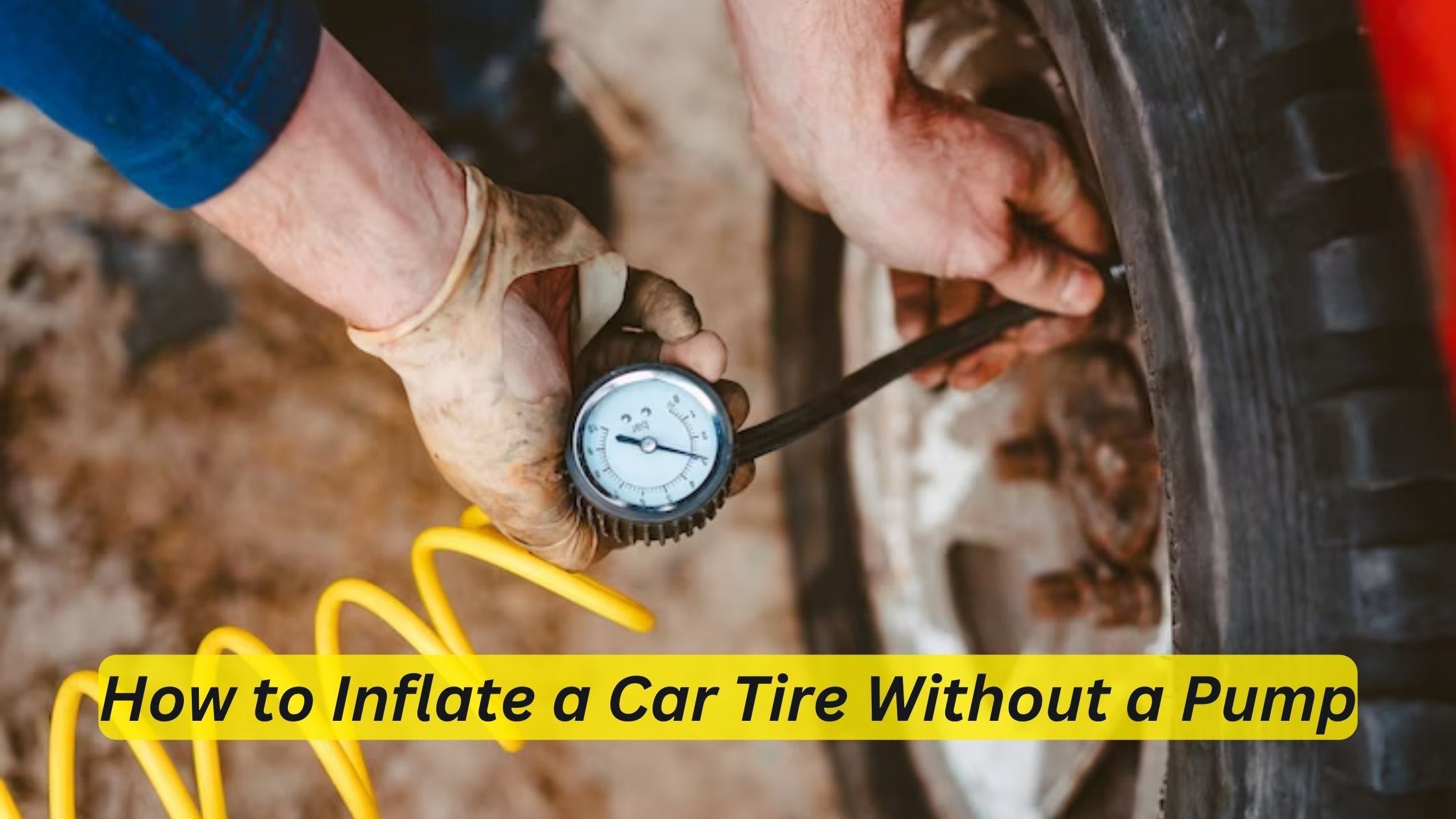
A pressure gauge measures how much air is in your tire. You can use a digital or a manual gauge.
Press the gauge onto the valve stem and hold it firmly. Read the number shown and compare it to the recommended PSI.
- If the pressure is low, add air using an air compressor.
- If the pressure is too high, release air slowly.
- Check the pressure again after adjusting.
Steps To Inflate Tires
Inflating your car tires is important for safety and better fuel use. You can do it yourself with simple tools and steps. This guide shows you how to inflate tires properly.
Follow these steps carefully to keep your tires in good shape. Check your tire pressure regularly for the best results.
Preparing The Valve Stem
First, find the valve stem on your tire. Remove the small cap by turning it counterclockwise. Keep the cap safe to avoid losing it. Clean the valve stem with a cloth to remove dirt.
Connecting The Air Hose
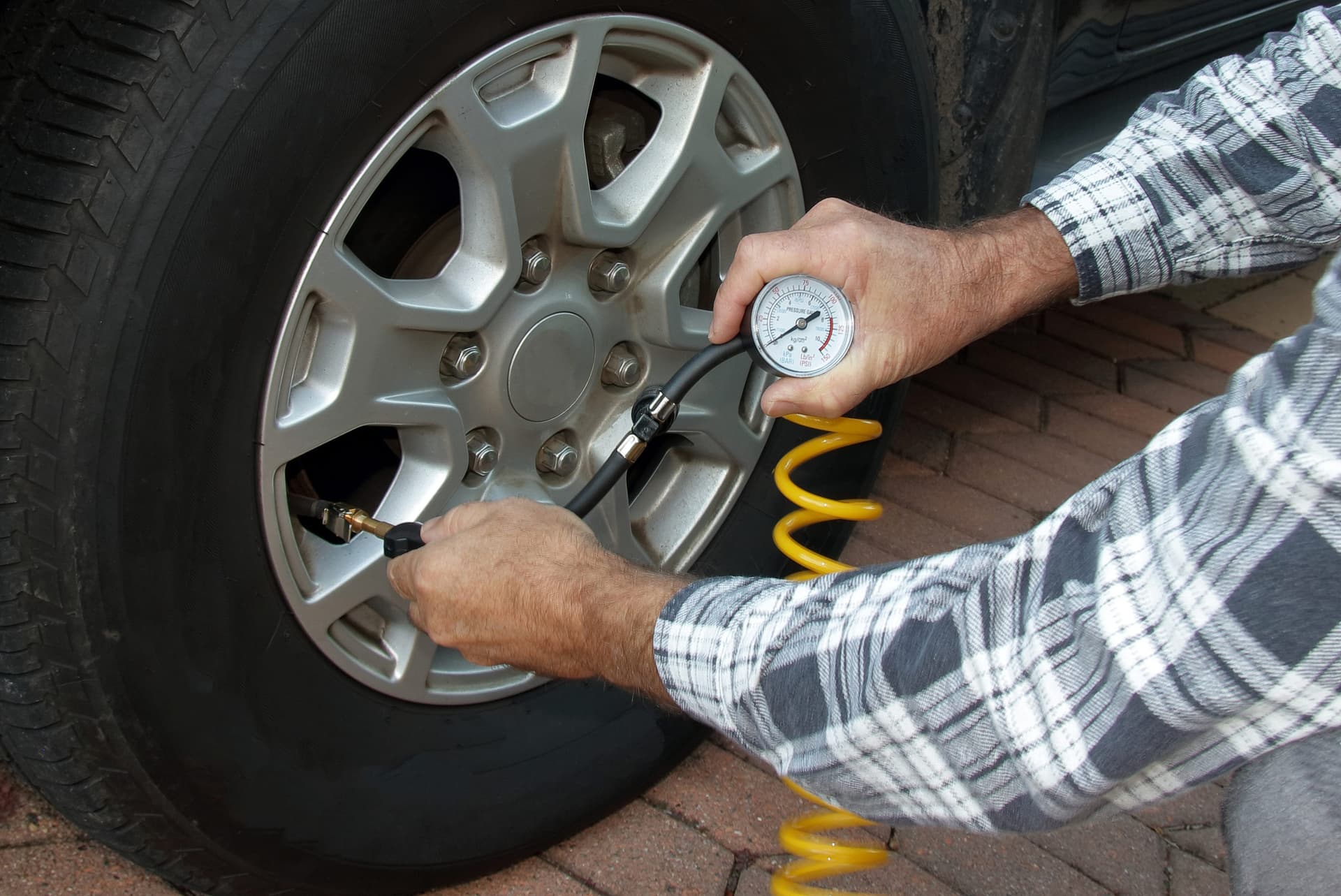
Attach the air hose from the air compressor to the valve stem. Press the hose firmly to avoid air leaks. You may hear a slight hiss if the connection is not tight enough.
- Hold the hose straight onto the valve stem
- Push until you feel it lock in place
- Check for any hissing sounds
- If you hear air escaping, try again
Inflating To Correct Pressure
Use a tire pressure gauge to check the pressure. Inflate your tire to the recommended psi listed in your car manual or on the tire label. Avoid overinflating or underinflating.
| Car Type | Recommended Tire Pressure (psi) |
| Sedan | 30-35 |
| SUV | 35-40 |
| Truck | 40-45 |
Rechecking And Adjusting
After inflating, remove the air hose and check pressure again with the gauge. If needed, add more air or release some. Screw the valve cap back on tightly to protect the valve.
Tips For Maintaining Tire Pressure
Keeping the right tire pressure helps your car run smoothly and safely. Tires with correct pressure last longer and save fuel.
Check your tire pressure often. Small problems can turn into big ones if you ignore them.
Regular Pressure Checks
Check your tire pressure at least once a month. Use a reliable tire pressure gauge for accuracy.
- Find the recommended pressure in your car’s manual or on the door sticker.
- Check the tires when they are cold for the best reading.
- Add air if the pressure is low, or let some out if it is too high.
- Repeat for all four tires and the spare if you have one.
Seasonal Adjustments
Tire pressure changes with the weather. Cold air shrinks tires, and hot air expands them.
| Season | Pressure Change | Action |
| Winter | Pressure drops | Check more often and add air if needed |
| Summer | Pressure rises | Release air if pressure is too high |
| Spring/Fall | Stable | Maintain recommended pressure |
Handling Leaks And Damage
Leaks or damage can cause sudden tire pressure loss. Know how to spot and handle these issues.
- Look for nails, screws, or sharp objects stuck in tires.
- Check for cuts, cracks, or bulges on tire walls.
- If you find a leak, do not drive fast. Inflate the tire only enough to reach a repair shop.
- Use a tire sealant or plug kit for temporary fixes if needed.
- Replace tires if damage is severe or repair is not possible.
Credit: simpletire.com
Common Inflation Mistakes To Avoid
Inflating car tires is an easy task that helps your vehicle run better. Many people make simple mistakes that can cause problems.
Knowing what to avoid will keep your tires safe and improve your car’s performance. Here are common inflation mistakes to watch out for.
Overinflation Risks
Putting too much air in your tires can make the ride rough. Overinflated tires have less contact with the road, which lowers grip.
These tires are more likely to wear out in the center and can burst more easily from bumps or potholes.
- Less traction on wet or slippery roads
- Uneven tire wear in the middle
- Higher chance of tire blowouts
- Stiffer ride, less comfort
Underinflation Dangers
Low tire pressure makes the tires soft and squishy. This increases friction and causes the tire edges to wear faster.
Underinflated tires can overheat, which may lead to tire failure. They also lower fuel efficiency and reduce control.
- More fuel consumption
- Faster tire wear on edges
- Risk of tire overheating
- Poor handling and braking
Ignoring Manufacturer Guidelines
Each car has a recommended tire pressure set by the maker. Ignoring this advice can cause safety and performance issues.
Check the sticker inside the driver’s door or the owner’s manual to find the correct pressure. Do not use the number on the tire sidewall.
- Use the car maker’s recommended pressure
- Do not rely on tire sidewall numbers
- Adjust pressure for load and driving conditions
- Check pressure regularly for best results
Credit: medium.com
Frequently Asked Questions
How Do I Check My Car Tire Pressure?
Use a tire pressure gauge to measure pressure. Check when tires are cold for accuracy. Compare with recommended PSI in your car manual or door sticker.
What Is The Ideal Tire Pressure For Cars?
Most cars require 30-35 PSI, but check your manual. Proper pressure ensures safety, fuel efficiency, and tire longevity.
Can I Use A Regular Air Pump For Car Tires?
Yes, a regular air pump works if it fits the valve. Electric or manual pumps both inflate tires effectively, but use pressure gauges to avoid overinflation.
How Often Should I Inflate My Car Tires?
Check tire pressure monthly and before long trips. Tires naturally lose air over time, so regular checks keep them safe and efficient.
Conclusion
Keeping your car tires properly inflated helps your vehicle run smoothly. Check tire pressure regularly with a reliable gauge. Inflate tires to the recommended level found in your car manual or door sticker. Avoid overinflating or underinflating to prevent uneven wear and safety risks.
A well-inflated tire improves fuel efficiency and driving comfort. Taking a few minutes to inflate tires correctly saves money and keeps you safe on the road. Simple steps, big benefits. Stay safe and keep your tires in good shape.