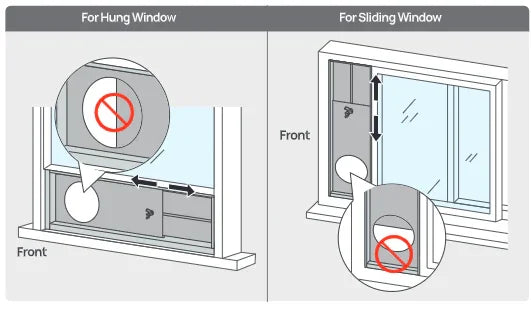
Are you sweating through another sweltering summer day, longing for the crisp, cool breeze of an air-conditioned room? Installing an air conditioner in your sliding window might seem like a daunting task, but it’s simpler than you think.
Imagine transforming your home into a refreshing oasis with just a few straightforward steps. This guide will walk you through the entire process, making it easy for you to enjoy a comfortable and cool environment right away. Ready to beat the heat without breaking a sweat?
Let’s dive into the details and get your sliding window air conditioner up and running!
Choosing The Right Air Conditioner
Measure the width and height of the sliding window opening. Measure both inside edges for accuracy. Write down these numbers to choose the right air conditioner size.
Choose an air conditioner designed for sliding windows. These units fit easily and seal well to keep cool air in. Look for models with adjustable panels for different window sizes.
| Power Requirement | Details |
|---|---|
| Voltage | Check if your home supports 110V or 220V units. |
| Wattage | Ensure your circuit can handle the AC’s wattage. |
| Plug Type | Verify the plug matches your outlet to avoid adapters. |

Credit: www.dreo.com
Gathering Necessary Tools And Materials
Gathering the right toolsand materialsis key for a smooth air conditioner installation. Essential tools include a measuring tapeto check window size, a screwdriverfor securing screws, and a levelto keep the AC unit straight. A drillmight be needed for making holes, and plierscan help with tightening parts.
Additional materials often needed are foam insulation stripsto seal gaps, weather strippingfor better insulation, and support bracketsto hold the unit safely. Also, have screwsand caulkready to secure and seal the installation.
- Measuring tape
- Screwdriver
- Level
- Drill
- Pliers
- Foam insulation strips
- Weather stripping
- Support brackets
- Screws
- Caulk
Preparing The Sliding Window
Clean the window area well. Dust and dirt can stop the air conditioner from fitting right. Use a cloth and some mild cleaner to wipe the frame and glass.
Remove any obstacles like curtains, blinds, or plants near the window. Take out the window screens carefully and keep them safe. This will make space for the air conditioner.
Check if the sliding window is strong and stable. The window must hold the weight of the air conditioner without moving. Fix any loose parts or cracks before starting installation.

Credit: www.dreo.com
Installing The Support Bracket
Place the support bracket on the window frame where the air conditioner will sit. The bracket must be level and flush against the frame for proper support. Use a level tool to check the alignment. Position it so the weight of the unit is balanced evenly.
Use screws to secure the bracket firmly to the window frame. Make sure screws go into solid wood or metal parts of the frame. Avoid loose or weak areas that could cause the bracket to fall. Tighten all screws fully to hold the bracket in place.
Placing The Air Conditioner
Hold the air conditioner unitcarefully. Its weight can be heavy, so ask for help if needed. Lift it slowly to avoid damage. Position the unit so it sits on the window sillsecurely.
Make sure the bottom edgeof the unit fits inside the sliding window track. Align the unit so it does not tilt forward or backward.
- Check the window trackis clean and free from debris.
- Slide the window down gently to rest on top of the unit.
- Ensure the unit is levelfor proper drainage.
- Adjust the position so the unit is snug but not forced.
Sealing And Securing The Unit
Weather stripping helps block air leaks around the air conditioner. Use foam or rubber strips to seal gaps between the unit and window frame. This keeps the cool air inside and hot air outside.
Foam or insulation panels fit into the sides of the sliding window. Cut them to size so they fill empty spaces snugly. This stops dust, bugs, and air from coming in.
Lock the window firmly to hold the air conditioner in place. Use a window lock or a wooden block under the sliding pane. This prevents the unit from moving or falling out.
- Apply weather stripping around the edges
- Insert foam panels to fill gaps
- Secure window with a lock or block
Connecting The Power And Testing
Plug the air conditioner into a grounded power outlet. Avoid using extension cords for safety.
Turn the unit on and set it to a cool mode. Listen for any unusual noises.
- Check if the air flows smoothly from the front vent.
- Ensure the unit cools the room effectively.
- Look for any water leaks near the window frame.
- Confirm the unit stays firmly in place without wobbling.
Adjust settings like fan speed and temperature to test responsiveness. Proper operation means the installation is complete.
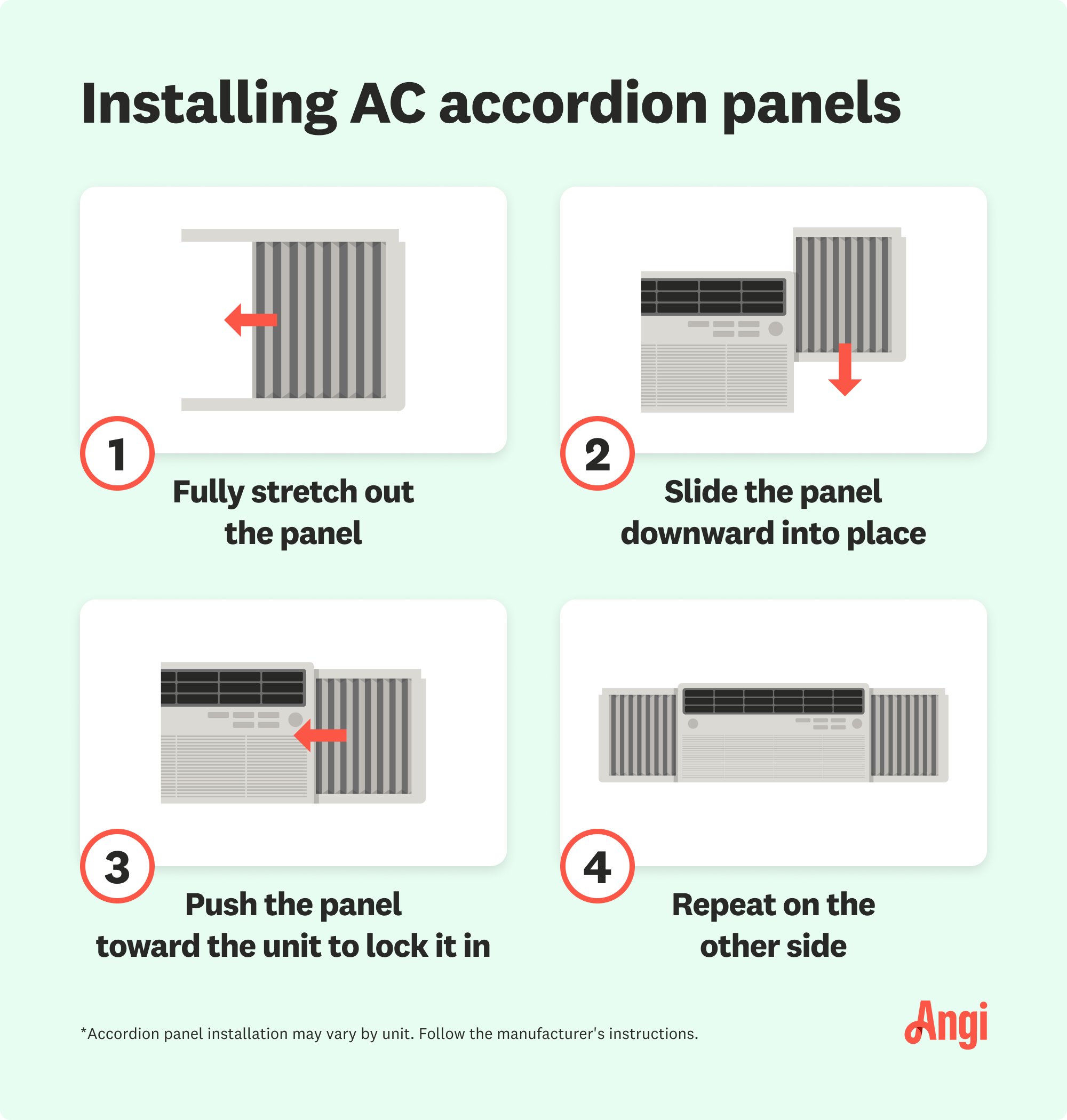
Credit: www.angi.com
Maintenance Tips For Sliding Window Acs
Regular cleaningkeeps your sliding window AC working well. Dust and dirt block air flow. Clean the filter every month. Wipe the outer parts with a soft cloth. Avoid using strong chemicals that can damage the unit.
Checking for leaks and gapshelps keep cool air inside. Look for small cracks around the AC. Seal them with weather stripping or foam tape. This saves energy and lowers bills. Check seals at least twice a year.
Seasonal storage adviceis important when the AC is not in use. Remove the unit carefully. Cover it with a plastic sheet to protect from dust. Store in a dry place. This stops rust and damage. Clean before storing to avoid bad smells.
Frequently Asked Questions
How Do I Measure My Sliding Window For Ac Installation?
Measure the width and height of the window opening. Check the air conditioner’s size requirements. Accurate measurements ensure a proper fit and efficient cooling.
What Tools Are Needed To Install A Window Air Conditioner?
You will need a screwdriver, measuring tape, level, and mounting brackets. A drill and foam sealant can also help with installation and insulation.
Can I Install A Window Ac In Any Sliding Window?
Most sliding windows can hold a window AC, but check the window’s stability and size. Ensure the air conditioner fits securely without gaps for safety and efficiency.
How Do I Secure The Air Conditioner In A Sliding Window?
Use mounting brackets and weatherstripping to hold the AC firmly. Seal any gaps with foam or silicone to prevent air leaks and maintain cooling efficiency.
Conclusion
Installing an air conditioner in a sliding window is simple with the right steps. Measure carefully to ensure a perfect fit. Secure the unit tightly to keep it stable and safe. Seal gaps to stop air leaks and save energy.
Regular cleaning helps the air conditioner work well longer. Enjoy cool, fresh air inside your home all summer. This small project can make a big difference in comfort. Try it yourself and feel the cool breeze today.