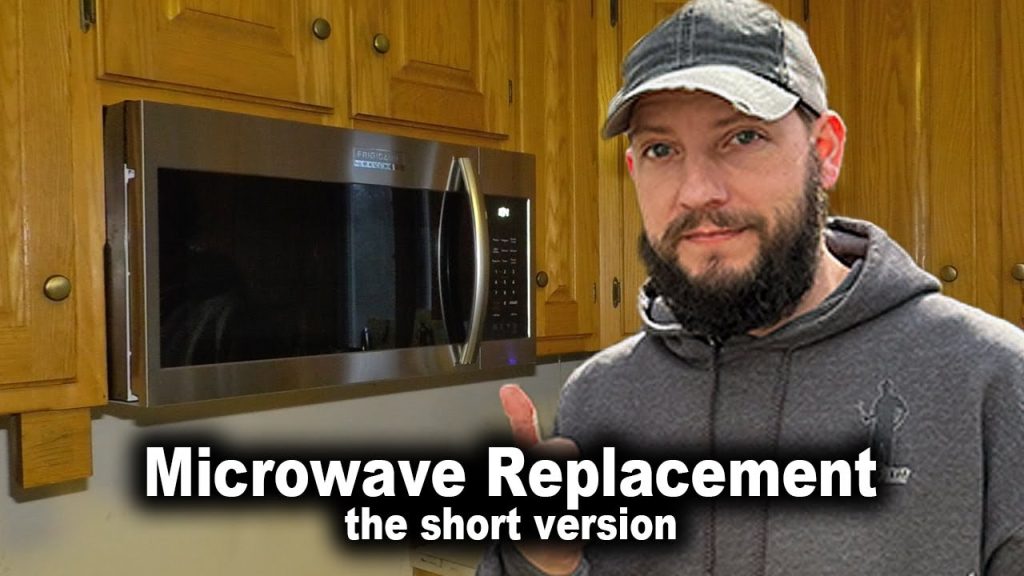
Installing a microwave oven might seem like a daunting task, but it’s easier than you think. Imagine the convenience of effortlessly reheating leftovers or making a quick meal without the hassle of stove-top cooking.
You don’t need to be a DIY expert to set up your new appliance. With a few simple steps, you can have your microwave up and running in no time, saving you time and energy every day. In this guide, we’ll walk you through each step of the installation process, ensuring you avoid common pitfalls and make the most of your new kitchen companion.
Ready to dive in and make cooking more efficient and enjoyable? Let’s get started!
Credit: www.maytag.com
Choosing The Right Location
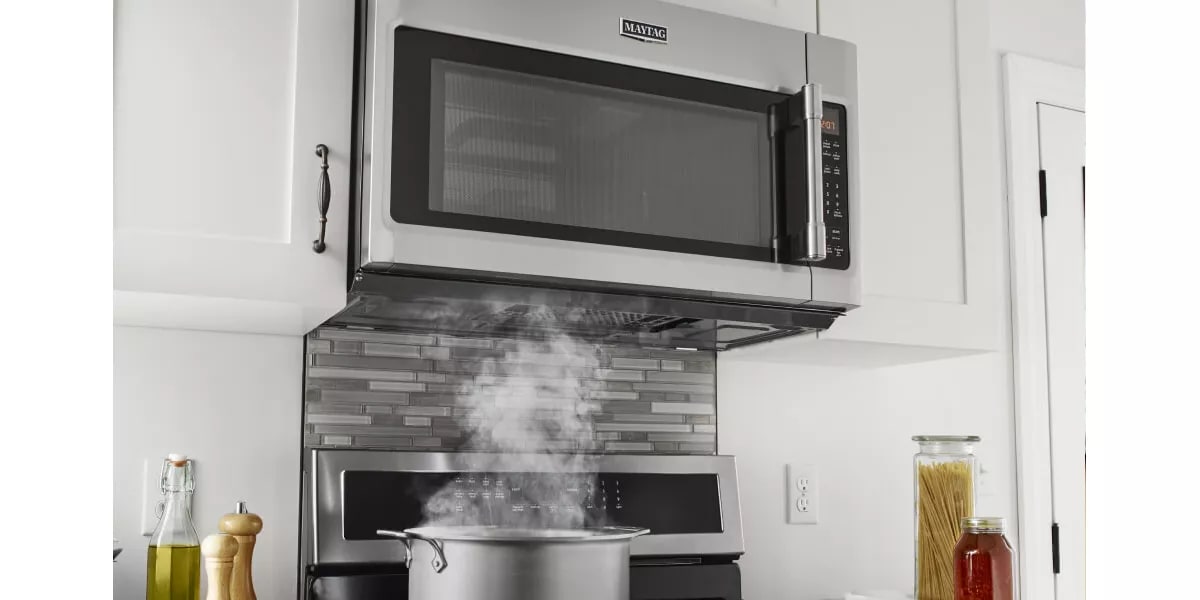
Choosing the right location for your microwave oven is crucial for safety and convenience. A well-placed microwave makes cooking easier and prevents damage to your kitchen. Think about airflow, power access, and space before installation.
Consider Ventilation Needs
Microwaves need proper airflow to avoid overheating. Avoid tight corners or enclosed cabinets without vents. Leave some space around the microwave for air to circulate. Check the manufacturer’s instructions for recommended clearance. Good ventilation prolongs the microwave’s life and keeps it safe.
Check Electrical Outlet Placement
Place the microwave near a grounded electrical outlet. Avoid using extension cords or power strips to reduce fire risk. The outlet should be easily accessible but away from water sources. Make sure the microwave’s power cord reaches the outlet without stretching or bending.
Assess Counter Space
Choose a sturdy, flat surface that can hold the microwave’s weight. The counter should be large enough to place hot dishes safely. Keep the microwave away from edges to prevent accidents. Clear nearby space to open the door fully without obstruction. This ensures smooth and safe operation every day.
Gathering Necessary Tools
Before you start installing your microwave oven, it’s crucial to gather all the necessary tools. Having everything ready will save you time and prevent frustration during the installation process. Think about the tools like your kitchen helpers—they ensure you get the job done smoothly and safely.
Basic Tools Checklist
Here are the essential tools you should have on hand:
- Screwdriver set:Both flathead and Phillips screwdrivers are often needed to secure brackets and panels.
- Measuring tape:Accurate measurements help you position the microwave correctly.
- Level:Ensures your microwave is perfectly horizontal, preventing spills or uneven heating.
- Drill and drill bits:Used for making holes in cabinets or walls if mounting is required.
- Stud finder:Helps you locate studs in the wall to securely anchor the microwave.
- Pencil:For marking measurements and drill points.
Missing one of these might slow you down or even cause damage. Do you have all these ready, or is there a tool you need to pick up first?
Safety Equipment
Your safety should always come first. Wearing the right gear prevents accidents and keeps the installation stress-free.
- Safety goggles:Protect your eyes from dust and debris while drilling.
- Work gloves:Shield your hands from sharp edges and provide a better grip.
- Dust mask:Useful if you’re drilling into drywall or other materials that create dust.
- Step stool or ladder:Ensures you reach high cabinets comfortably and securely.
Have you considered how you’ll protect yourself during the installation? Skipping safety equipment might save a minute now but can cause setbacks later.
Preparing The Microwave
Preparing the microwave is the first important step before installation. Proper preparation ensures safe use and extends the appliance’s life. Take your time to handle the microwave carefully.
Unboxing And Inspection
Start by placing the box on a flat surface. Open the box slowly to avoid damage. Take out the microwave and all accessories.
Check the microwave for any visible damage like dents or cracks. Inspect the door, control panel, and power cord. Verify that all parts listed in the manual are present.
Report any damage to the seller before proceeding. Do not install a damaged microwave as it could be unsafe.
Removing Packaging Materials
Remove all tape and protective films on the microwave’s surface. Check inside the microwave cavity for packing materials like foam or cardboard.
Take out any plastic or paper inserts inside the oven. These materials protect the microwave during shipping but must be removed before use.
Keep the user manual and warranty card in a safe place. You will need them during installation and future maintenance.

Credit: danmarcappliance.com
Setting Up The Mounting Bracket
Setting up the mounting bracket is a key part of installing your microwave oven. It provides a secure base to hold the microwave safely above your countertop. Getting this step right ensures your microwave won’t shift or fall, protecting both your kitchen and your appliance.
Marking Drill Points
Start by holding the mounting bracket against the wall where you want the microwave. Use a level to make sure it’s perfectly straight. Mark the spots on the wall through the bracket’s holes where you will drill.
Double-check your marks before drilling to avoid mistakes. Are the marks aligned with wall studs? Mounting into studs gives your microwave the best support. If not, you may need wall anchors for extra strength.
Securing The Bracket
Once your drill points are marked, drill pilot holes into the wall. These holes make it easier to insert screws and reduce wall damage. Use screws recommended by the microwave manufacturer to ensure proper hold.
Attach the bracket firmly with the screws, then test its sturdiness by applying some pressure. It should feel solid, without any wobble. Remember, a loose bracket can lead to accidents, so don’t rush this step.
Installing The Microwave
Installing the microwave properly ensures it works safely and lasts longer. It’s more than just placing it on a shelf; you need to handle it carefully and connect it correctly. Let’s look closely at the key parts of this process to help you avoid common mistakes.
Lifting And Positioning
Microwaves can be surprisingly heavy and awkward to move. Always lift with both hands and keep the microwave close to your body to avoid strain.
Before lifting, clear the area and make sure the mounting surface or shelf is sturdy. If you’re installing an over-the-range microwave, check that the mounting bracket is secure.
Position the microwave so it fits snugly without blocking vents. Poor ventilation can cause overheating and reduce the appliance’s lifespan. Have you noticed your microwave getting hot during use? That often points to poor placement.
Connecting Power Supply
Microwaves require a dedicated power outlet that matches their voltage and wattage. Avoid using extension cords as they can overheat and create fire hazards.
Make sure the power cord is fully plugged into the outlet. Loose connections can cause sparks or interruptions. If your outlet is behind the microwave, ensure the cord isn’t pinched or bent sharply.
Check the circuit breaker or fuse box before plugging in. Your microwave might need a specific circuit to handle its power draw safely. Have you ever tripped a breaker when using your microwave? That’s a sign you may need to upgrade your electrical setup.
Credit: www.whirlpool.com
Testing And Adjustments
Testing and adjustments are key to ensure your microwave oven works safely and efficiently. This stage confirms that installation went well and the appliance functions as expected. It also helps catch any issues early, avoiding damage or poor performance. Follow simple steps to verify power, check features, and address common problems.
Initial Power On
Plug in the microwave and switch on the main power supply. The display should light up clearly. Listen for any unusual sounds like buzzing or clicking. Set the clock if needed and check the control panel buttons respond correctly. This step confirms the microwave receives power and the electronics work.
Functionality Check
Test basic functions to ensure proper operation. Place a microwave-safe cup of water inside and heat for one minute. The water should warm evenly without sparks or strange smells. Open and close the door to confirm the safety lock activates. Try different power levels and timer settings. Each feature should work smoothly and reliably.
Troubleshooting Common Issues
- If the microwave does not power on, verify the outlet and circuit breaker.
- Check the door latch if the unit does not start heating.
- Unusual noises may indicate loose parts or incorrect installation.
- Display errors often mean a reset is needed—unplug and plug back in.
- Uneven heating could result from a misaligned turntable or dirty interior.
Maintenance Tips
Keeping your microwave oven in top shape extends its life and keeps it safe. Simple maintenance habits help avoid costly repairs and ensure it works well every day. Follow these easy tips to care for your microwave.
Cleaning Guidelines
Clean the inside of the microwave regularly to prevent food buildup. Use a damp cloth with mild soap. Avoid harsh chemicals that can damage surfaces.
Wipe the door and seals carefully. Dirt here can stop the door from closing properly. For stubborn stains, heat a bowl of water and lemon juice inside. The steam loosens grime for easier cleaning.
- Clean the microwave exterior with a soft cloth.
- Remove and wash the turntable plate frequently.
- Never use abrasive sponges or steel wool.
Regular Safety Checks
Inspect the microwave for any damage or wear often. Look for cracks in the door or seal. A broken seal can leak microwave energy, which is unsafe.
Check the power cord for frays or cuts. Make sure the plug fits tightly in the outlet. Test the door latch to ensure it closes securely each time.
- Do not operate the microwave if the door is damaged.
- Replace worn parts promptly with manufacturer-approved components.
- Keep the vents clear of dust and debris to avoid overheating.
Frequently Asked Questions
How Do I Safely Install A Microwave Oven?
To install a microwave oven safely, choose a sturdy surface or mount bracket. Ensure proper ventilation and use a grounded outlet. Follow the manufacturer’s instructions carefully to avoid electrical hazards and secure the unit firmly.
What Tools Are Needed For Microwave Installation?
You typically need a drill, screwdriver, measuring tape, level, and mounting hardware. Some models may require additional tools, so check the manual before starting installation.
Can I Install A Microwave Oven Without Professional Help?
Yes, you can install most microwave ovens yourself by following the instructions. Ensure you understand electrical safety and mounting requirements before proceeding.
Where Should I Place My Microwave Oven For Best Results?
Place your microwave near a grounded electrical outlet with good ventilation. Avoid locations near water sources or heat-producing appliances to ensure safety and optimal performance.
Conclusion
Installing a microwave oven can be simple and quick. Follow the steps carefully to avoid mistakes. Ensure the power source matches your microwave’s needs. Keep the area clean and safe during installation. Test the microwave before regular use to confirm it works well.
A properly installed microwave adds convenience to your kitchen. Enjoy cooking faster and saving time every day. Stay safe and enjoy your new appliance!