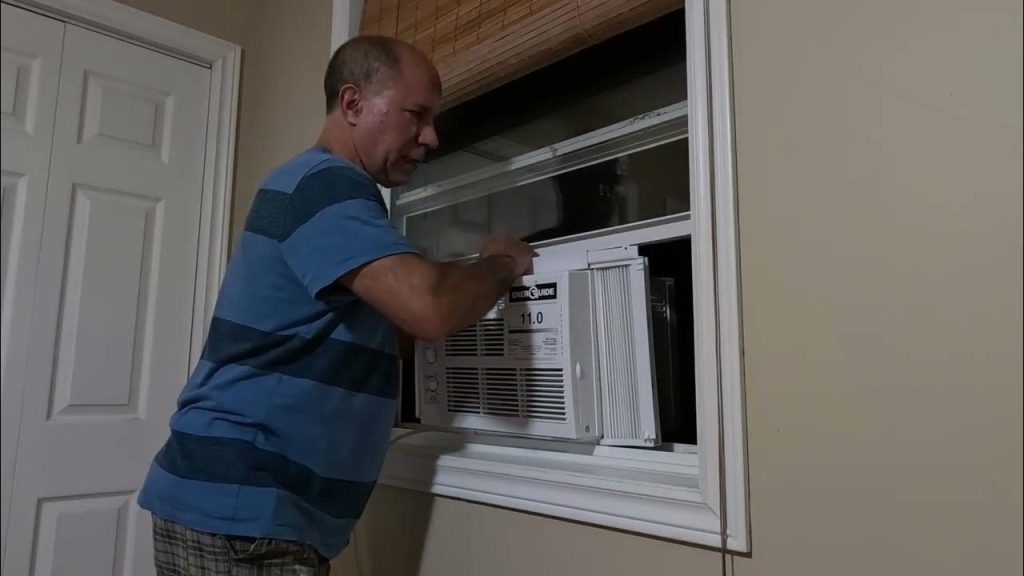
Are you tired of sweating through hot days and nights? Installing a window air conditioner in your wall could be the perfect solution to keep your space cool and comfortable.
You might think it’s a tough job, but with the right steps, you can do it yourself without calling a professional. This guide will walk you through the process in simple, clear steps so you can enjoy cool air faster than you expect.
Ready to take control of your comfort? Keep reading and discover how easy it is to install your window air conditioner in your wall.
Tools And Materials Needed
Installing a window air conditioner in a wall needs some basic tools and materials. These help make the job easier and safer.
- Measuring tape:For accurate measurements of the wall space.
- Drill and drill bits:To make holes for mounting brackets.
- Screwdriver:To fasten screws securely.
- Level:Ensures the air conditioner is straight.
- Jigsaw or handsaw:To cut the wall opening.
- Wall sleeve:Supports and protects the unit.
- Sealant or foam insulation:Prevents air leaks.
- Screws and brackets:For mounting the unit firmly.
- Safety gloves and goggles:Protect hands and eyes during work.
Having these tools and materials ready speeds up the installation process.
Choosing The Right Window Air Conditioner
Measure the width, height, and depth of your wall opening carefully. The air conditioner must fit snugly to work well. Check the size of your room too. Larger rooms need units with higher cooling power.
Look at the power needs of the air conditioner. Check the voltage and amperage on the unit’s label. Make sure your home’s electrical system can support it safely. Using the wrong power source can cause problems or damage.
| Room Size (sq ft) | Cooling Power (BTU) |
|---|---|
| Up to 150 | 5,000 – 6,000 |
| 150 – 250 | 6,000 – 8,000 |
| 250 – 350 | 8,000 – 10,000 |
Selecting The Installation Location
Choose a solid wallthat can hold the air conditioner’s weight. Avoid walls with pipes or wiresinside. Measure the wall thickness to match the unit size.
Check the wall’s material: brick, concrete, or woodare best. Thin walls might need extra support.
Find a spot near a power outlet. The air conditioner should plug in easily without using long extension cords.
- Ensure the power source can handle the unit’s electrical load.
- The outlet should be grounded for safety.
- Place the unit close to the outlet to avoid wires hanging loosely.
Preparing The Wall Opening
Measure the wall opening carefully to fit the air conditioner. Mark the spot clearly using a pencil or marker. Double-check measurements to avoid mistakes. The opening should be slightly larger than the unit for easy installation.
Cut the wall along the marked lines with a saw. Wear safety gear like gloves and goggles. Cut slowly and steadily to keep edges straight and clean. Remove debris and smooth rough edges with sandpaper.
Installing The Support Frame
Start by placing the support frame inside the wall opening. Use a level tool to check if the frame is perfectly horizontal. This step is important to prevent air leaks and ensure a tight fit.
Secure the frame to the wall studs with screws or bolts. Make sure to tighten them well but avoid overtightening, which may damage the frame.
Check again with the level tool after securing the frame. Adjust as needed to keep the frame straight and even. This helps the air conditioner slide in smoothly and stay stable.

Credit: archexteriors.com
Mounting The Air Conditioner
Choose a spot on the wall that can hold the weightof the air conditioner. Make sure the unit will fit snuglyand not block any vents or windows. The bottom of the unit should be slightly tilted outwardto help water drain outside.
Use a support bracketif needed to hold the unit firmly in place. Secure the unit tightly with screws or bolts to avoid any movement.
Seal all gaps around the air conditioner with weatherproof caulkor foam insulation. This keeps cold air inand hot air, dust, and bugs out. Cover any exposed areas with insulation panelsto improve energy efficiency.
Connecting The Electrical Components
Wiring safetyis very important to prevent shocks and fires. Always turn off powerbefore working on wires. Use insulated toolsto avoid accidents. Check that wires are not frayed or damaged. Connect wires following the air conditioner’s color codesfor live, neutral, and ground. Use wire nuts or connectors to secure connections. Avoid loose wires, as they can cause shorts.
After wiring, test the connectionby turning on the power carefully. Use a voltage testerto check if electricity flows correctly. The air conditioner should start without sparks or noise. If there is any problem, turn off power immediatelyand check all connections again. Proper wiring ensures the air conditioner runs safely and efficiently.

Credit: www.youtube.com
Final Adjustments And Maintenance Tips
Check all around the air conditioner for any air leaks. Leaks let cold air escape and warm air enter. Use weather stripping or foam sealant to close gaps. This helps the unit work betterand saves energy.
Keep the air conditioner cleanfor good performance. Dust and dirt block airflow and make the unit work harder. Clean the filters every month during heavy use. Wipe the outside with a damp cloth. Remove any debris near the unit.
- Turn off power before cleaning.
- Use a soft brush or vacuum for filters.
- Check the drain for clogs to avoid water damage.
Regular care keeps your air conditioner cool and efficientfor a long time.

Credit: thelenmechanical.com
Frequently Asked Questions
How Do You Prepare A Wall For Ac Installation?
Begin by selecting a suitable wall location, avoiding structural beams. Measure and mark the dimensions for the AC unit. Use a stud finder to ensure you’re not cutting through supports. Cut an opening with appropriate tools and reinforce the edges with a frame.
Ensure the wall can support the AC’s weight.
What Tools Are Needed For Wall Ac Installation?
You’ll need a tape measure, stud finder, level, drill, saw, and screwdrivers. Safety gear like gloves and goggles are essential. A mounting bracket and support frame are often required. These tools ensure a secure and efficient installation of your window air conditioner in the wall.
Can Any Window Ac Be Installed In A Wall?
Not all window ACs are suitable for wall installation. Check the unit’s specifications first. Some units are designed specifically for wall installation, while others aren’t. Ensure the AC has a rear exhaust and wall sleeve compatibility. This will guarantee efficient operation and prevent damage to the unit or wall.
How Do You Seal The Ac Unit In The Wall?
Use weather-resistant caulk or sealant around the AC unit’s edges. Ensure no gaps are left to prevent air leaks. Proper sealing improves efficiency and prevents moisture intrusion. Adding insulation around the frame can enhance energy efficiency further. Regularly check and maintain the seal for longevity.
Conclusion
Installing a window air conditioner in a wall can save space and cool your room well. Take your time to measure and cut the opening carefully. Secure the unit tightly to avoid air leaks and noise. Check the electrical connection to keep everything safe.
Follow these steps and enjoy cool air all summer. You can do this yourself with some patience and care. Stay comfortable without spending too much on professional help. Simple tools and clear instructions make the job easier. Your room will feel fresh and cool in no time.